
Tattoo on the guard of health: German scientists have created biosensory tattoos
Categories: Health and Medicine | Science | Technology | World
By Pictolic https://www.pictolic.com/article/tattoo-on-the-guard-of-health-german-scientists-have-created-biosensory-tattoos.htmlTattoos may soon become a means to achieve new goals. What was widely used for self-expression will now help patients and doctors monitor chronic diseases in real time.
Scientists from the University of Munich have developed dyes for subcutaneous drawings that change color depending on the level of various substances in the body. This will allow people to quickly identify negative changes in health and take action.

As technology evolves, scientists are putting forward new brilliant ideas about how best to track health status. One of these ideas is biosensory tattoos, which change color depending on the level of glucose, pH and albumin in the body. They will allow you to monitor the course of diseases such as diabetes in real time.
Today, many people make tattoos by applying some important images to their bodies. Tattoos have already become a separate genre of art, but the technological progress of the XXI century has raised their level even higher: soon we will have biosensory tattoos used for medical purposes.
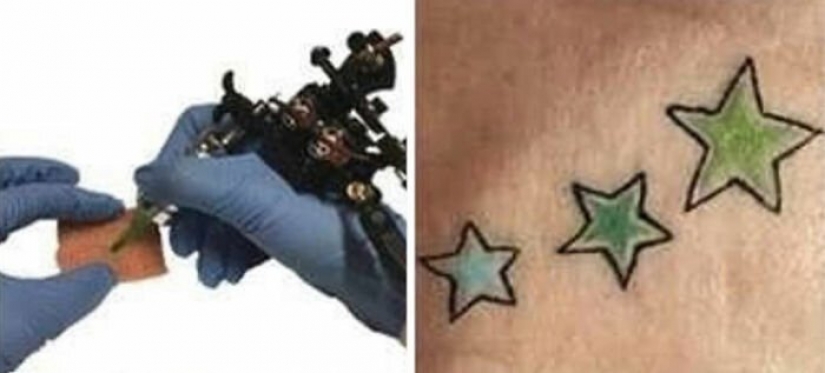
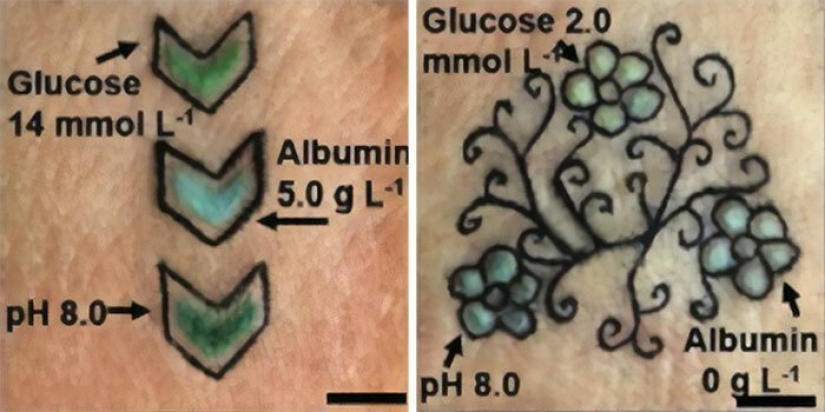
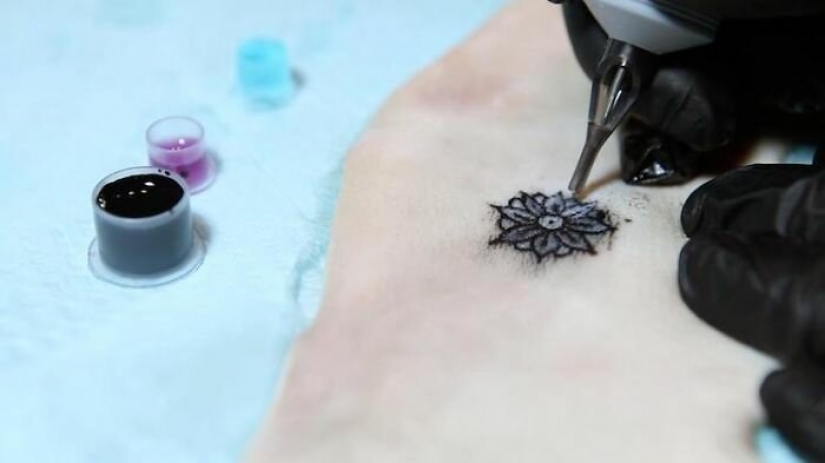
A team of scientists led by chemist Ali Yetisen from the Technical University of Munich (TUM) has developed a "subcutaneous" tattoo technology that is able to react and change its color when glucose, albumin and pH levels change. The study is reported in the Angewandte Chemie International Edition.
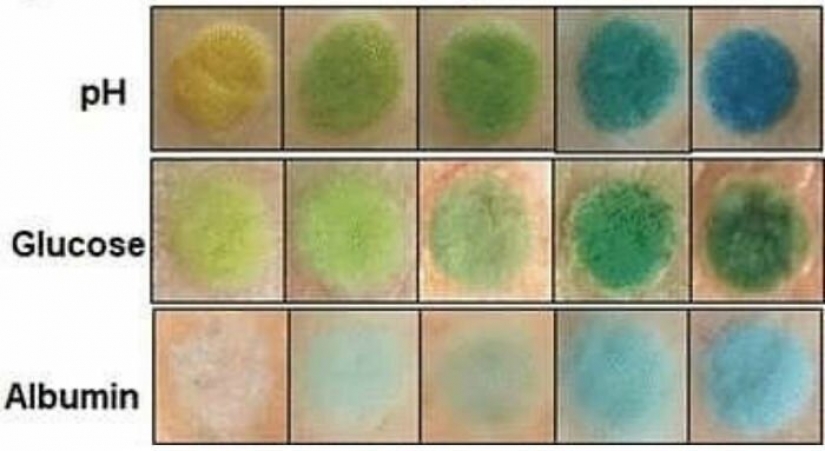
Scientists have developed dermal sensors that can replace tattoo ink and change their color depending on blood pH, sugar levels and albumin.
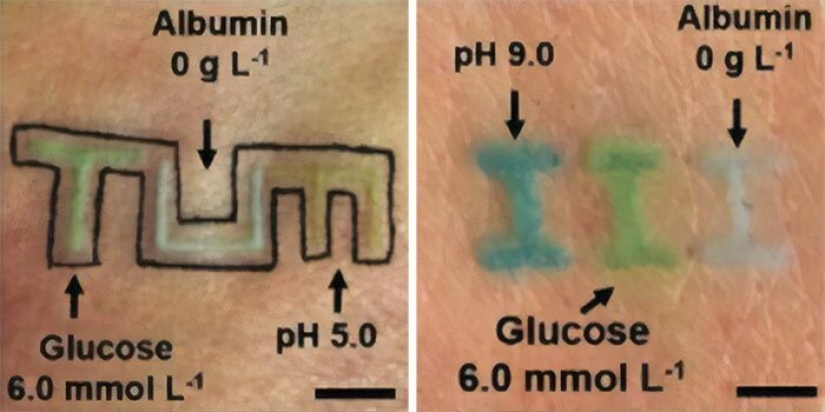
The color of tattoos made with such ink varies depending on the state of your health. This allows you to monitor the patient's condition without having to constantly take blood samples.
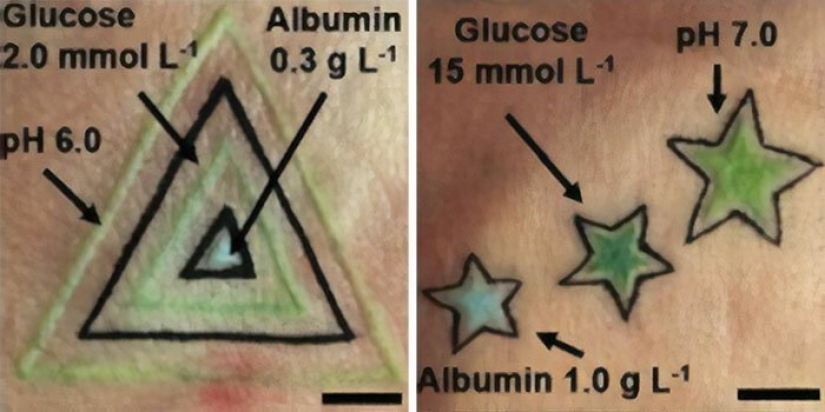
To signal a change in albumin, a yellow dye was chosen, which changes color to green. To create a glucose indicator, the researchers used glucose oxidase reactions – when the concentration fluctuates in the pigment, structural changes occur and the color ranges from yellow to dark green. A tattoo with a pH reagent changes its color from yellow to blue.
The development can be very useful for people who constantly have to take blood samples — for example, with diabetes or kidney diseases.
A little earlier, scientists from the Massachusetts Institute of Technology and Harvard developed a similar technology. They called their project Dermal Abyss.
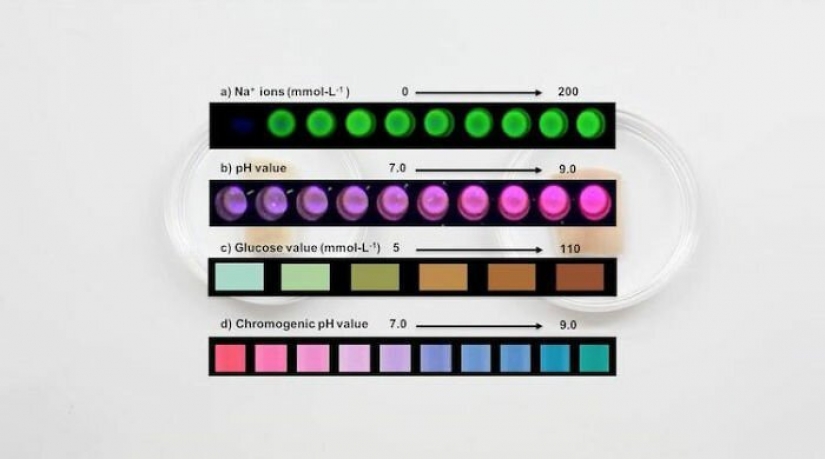
And they experimented by creating tattoo ink with biosensors. The idea was similar: the color of the ink had to change according to the pH levels of the blood.
The new technology is still being tested on pig skin, but the results are positive.
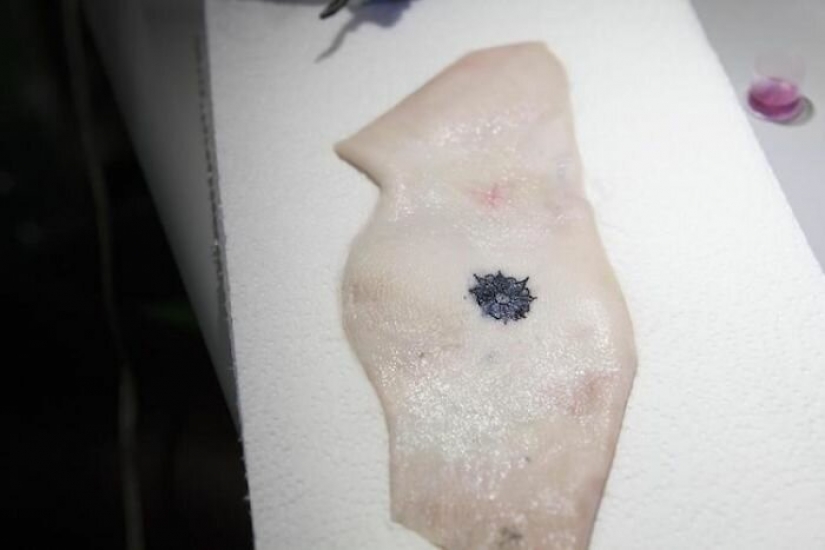
Now the tattoo involves damage to the epidermis (necessary for the introduction of pigment into the skin), which causes patients to be unwilling to use them. Therefore, scientists assume that over time, the pigment can be injected through electric or laser-induced shock waves, without harming the epidermis.
We hope that soon the development will be recognized as safe for humans and will make the life of many people much easier.
Keywords: Diseases | Innovations | Development | Tattoos
Post News ArticleRecent articles

It's high time to admit that this whole hipster idea has gone too far. The concept has become so popular that even restaurants have ...

There is a perception that people only use 10% of their brain potential. But the heroes of our review, apparently, found a way to ...
Related articles

Our body constantly gives signals about the state of health. If you are attentive to the changes that occur with the body, you can ...

During the pandemic, people are wary of kissing and hugging, but no one forbade expressing their love in the family circle. ...

Self-medication for people in the post-Soviet space is the most common thing. Most of us believe that before going to the doctor, ...
New Year's is a time to surprise and delight loved ones not only with gifts but also with a unique presentation of the holiday ...