
In the USA, they are going to give alcoholics a stool transplant to get rid of their addiction
Categories: Health and Medicine | Science
By Pictolic https://www.pictolic.com/article/in-the-usa-they-are-going-to-give-alcoholics-a-stool-transplant-to-get-rid-of-their-addiction.htmlIt is difficult to argue with the fact that alcoholism is a terrible disease that destroys health, personality and families. Therefore, the world is actively looking for new ways to combat this addiction, effective and safe. But it also happens that the treatment seems worse than the disease — in the United States, they offer alcoholics ... a fecal transplant from non-drinking donors.

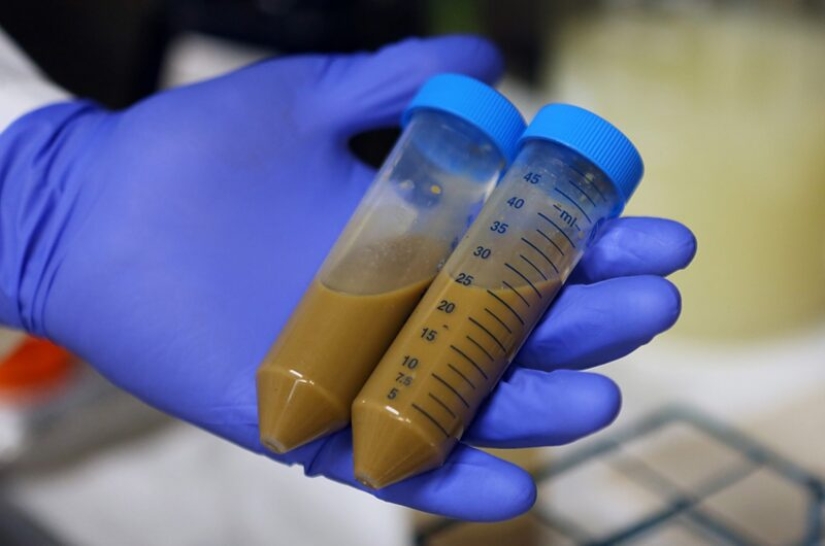
Dr. Jasmohan Bajaj, Gastroenterologist, hepatologist from Virginia Commonwealth University notified the scientific world about the successful completion of its experiment. The scientist was testing a fundamentally new way of treating alcoholism by transplanting beneficial bacteria to drinking patients along with the stool of healthy people.
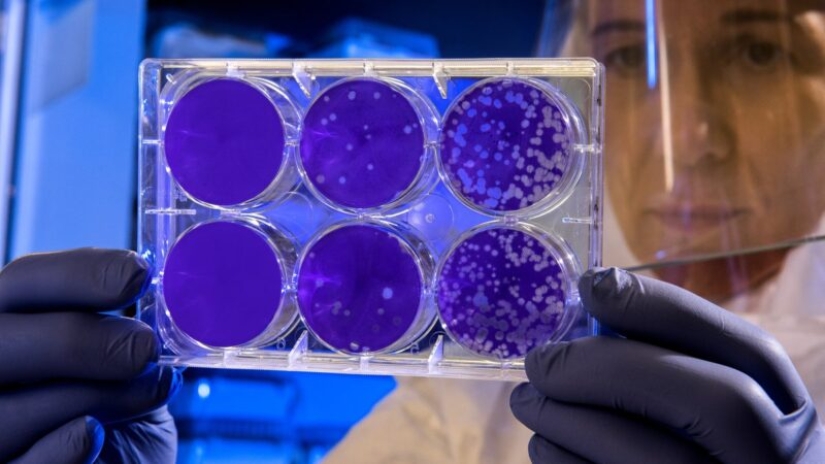
This is what the equipment for an unusual operation looks like
Dr. Bajaj's study involved ten people with severe alcohol disorder and cirrhosis of the liver, who could not be weaned from alcohol by any means other than complete isolation. As it turned out, fecal transplantation gave positive results, reducing patients' craving for alcohol. For the purity of the experiment, there were three participants in the group who received a placebo, so the option with auto-suggestion is not considered.
The effect of bacteria from someone else's intestines on cravings for alcohol is explained by the fact that the intestine is one of the largest producers of neurotransmitters - chemicals that allow brain cells to communicate with each other. Scientists have even found evidence that the intestinal microflora is able to regulate chemical processes occurring in the human brain.
If this continues, then every healthy teetotaler will be able to become an honorary donor. In general, strange as it may seem, but the importance of feces in the fate of mankind is becoming increasingly important. Researchers who are looking for answers to global questions of civilization in fossil feces are sure of this.
Keywords: Alcoholism | Bacteria | Doctor | Feces | Experiment
Post News ArticleRecent articles

It's high time to admit that this whole hipster idea has gone too far. The concept has become so popular that even restaurants have ...

There is a perception that people only use 10% of their brain potential. But the heroes of our review, apparently, found a way to ...
Related articles

"Wash your hands before eating!" — a phrase familiar to us since childhood. The parents explained that with the help of this ...

Many are familiar with such a phenomenon as flies in front of their eyes. These are floating muddy spots and dots of different ...

In 1889, in Moscow, there were 111 public houses, 1898 — 68. By 1904, the number had increased to 73, and lived there more than a ...
New Year's is a time to surprise and delight loved ones not only with gifts but also with a unique presentation of the holiday ...