
6 facts about our planet that are not taught in schools
Categories: History | Nature | People | Science | Space | World
By Vika https://www.pictolic.com/article/6-facts-about-our-planet-that-are-not-taught-in-schools.htmlWhen it comes to our planet, we consider it all well-known and commonplace. But this is not the case.
6 PHOTOS
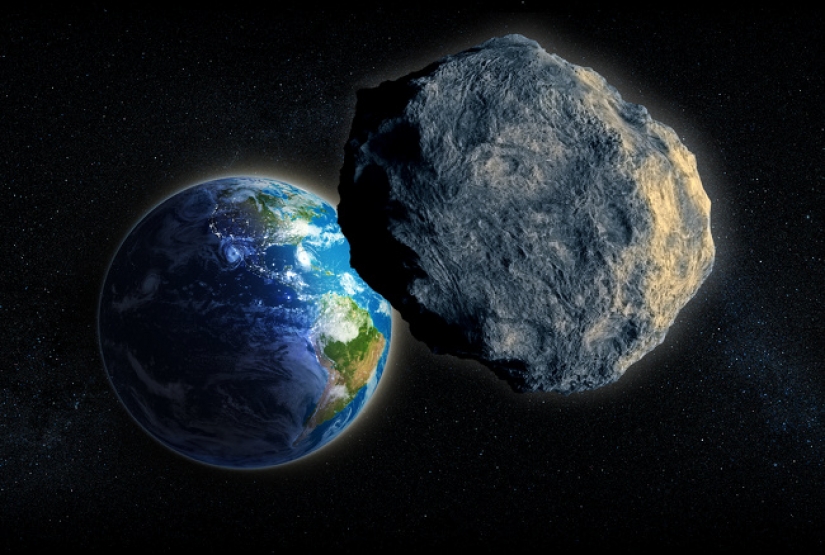
1. The moon could be part of the earth.
Scientists believe that our moon appeared due to the collision of our planet with another large object. The collision led to the splitting off of a small piece of the Earth, which later became its satellite.
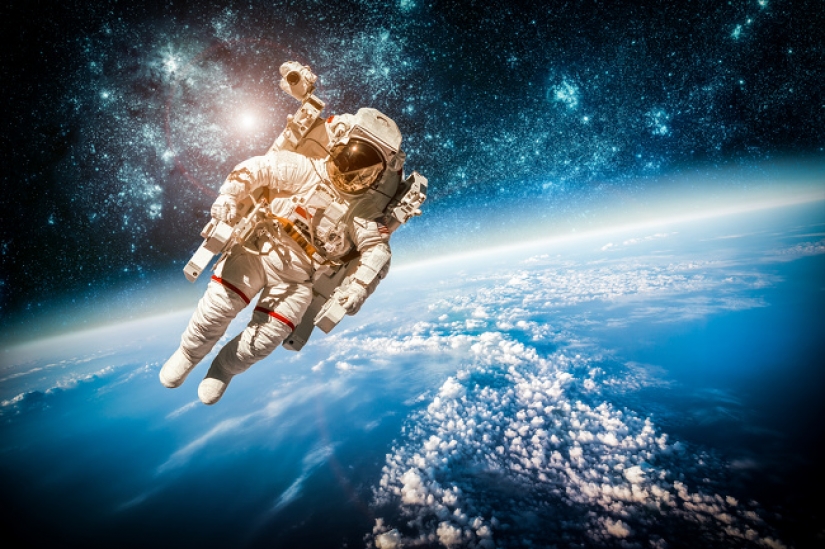
2. This strange gravity.
Due to the fact that the Earth is not completely round, its mass is uneven. The difference in its mass causes gravity to fluctuate in different places on Earth. One of these anomalies is Hudson Bay. Gravity is lower here than elsewhere.
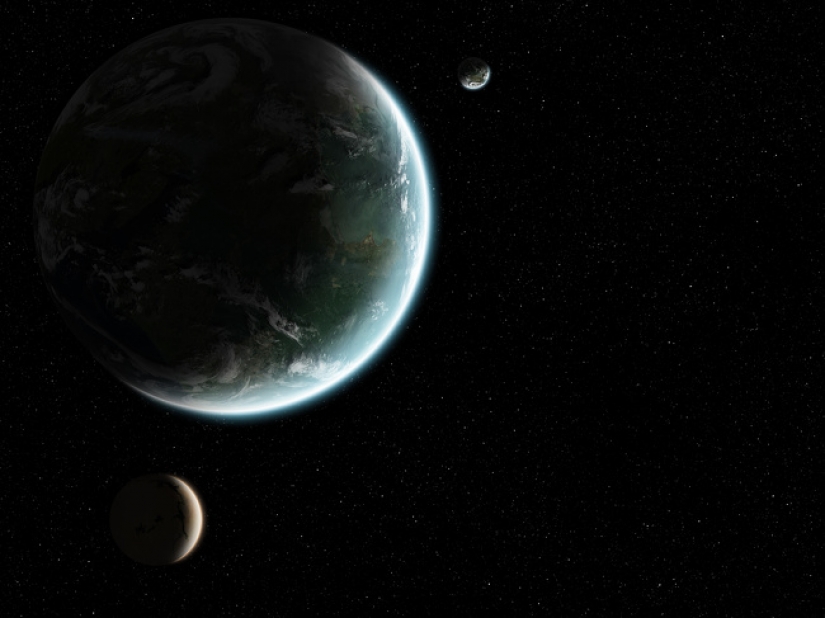
3. The Earth may have a second moon.
Some scientists believe that our planet has a second satellite. According to the study, there is another space object orbiting the Earth. However, they are not always the same object, but rather temporary satellites. They believe that Earth's gravitational field sometimes attracts rather large asteroids, and they continue to follow our planet for some time (about 3 revolutions).
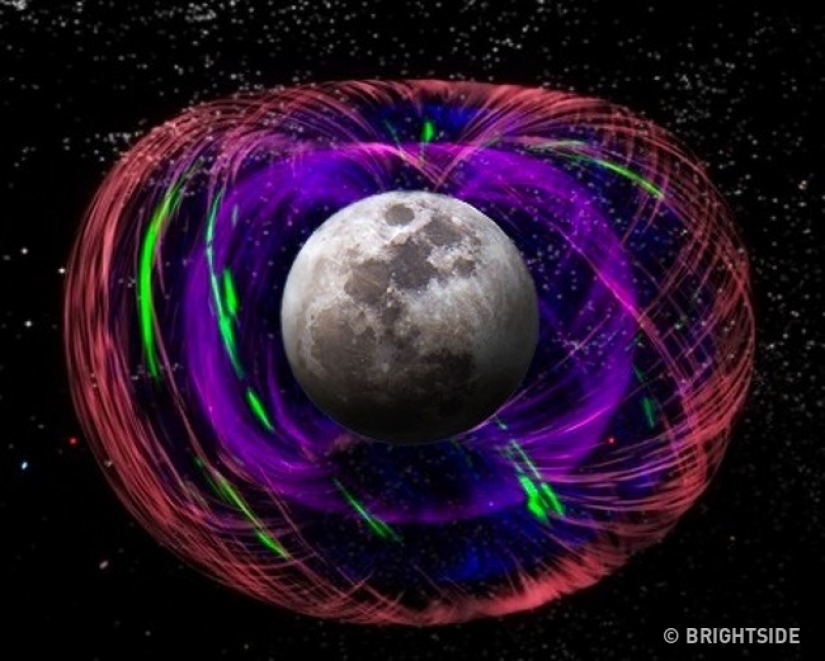
4. Earthquakes on the Moon.
Earthquakes on the moon, also known as moonquakes, are not science fiction. However, they do not occur as often as on our planet, and they usually occur much deeper, closer to the core of the satellite. Scientists believe this is due to the gravitational forces of the Sun and Earth.
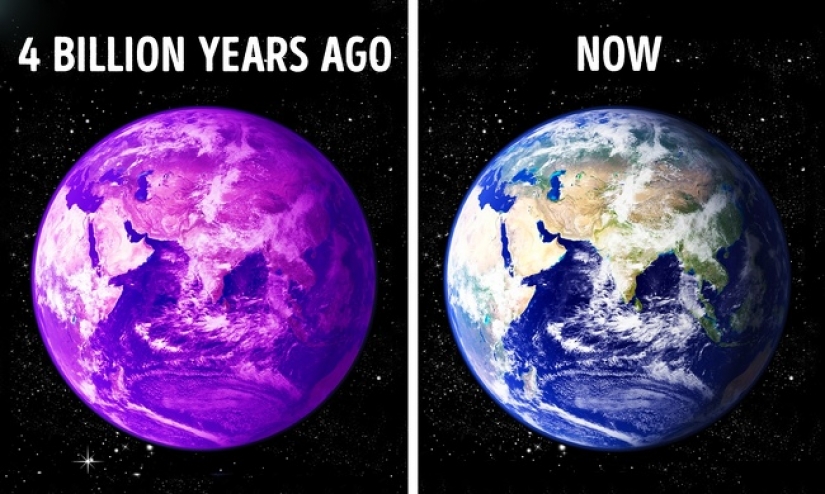
5. The ground was purple.
A scientist at the University of Maryland suggests that our planet was purple some time ago. Ancient microbes may have used other molecules to process sunlight instead of chlorophyll. These molecules can give microbes a purple hue, so the entire planet may have been purple.
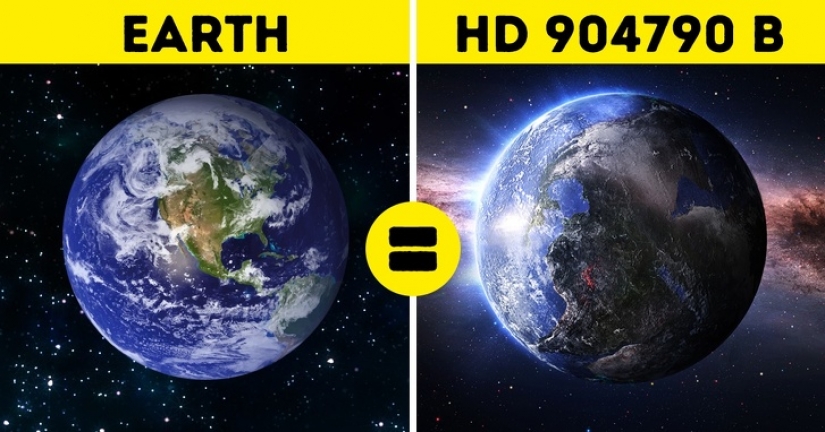
6. Scientists have discovered a new habitable planet.
HD 904790 is the name of a planet that may be inhabited by humans in the future. The planet is located in the same Milky Way galaxy as Earth and has a number of outstanding features such as an exceptional atmosphere, climate, natural resources, and even freshwater. According to astronomers' calculations, it will take 300,000 years to reach HD 904790 b.
Keywords: Planet | Earth | Cosmos | Gravity | Facts | Life | Science | Space
Post News ArticleRecent articles

It's high time to admit that this whole hipster idea has gone too far. The concept has become so popular that even restaurants have ...

There is a perception that people only use 10% of their brain potential. But the heroes of our review, apparently, found a way to ...
Related articles

Idea guy from Instagram "travels" around the world, exploring the map, virtual globe Google Earth. He finds interesting and ...

The life of people on other planets no longer seems like a perfect fantasy, as a few decades ago. Space exploration is being ...

Artist Benjamin Grant pays special attention to the pictures of our planet from above. But it shows he is not the wild and ...
New Year's is a time to surprise and delight loved ones not only with gifts but also with a unique presentation of the holiday ...