
500-year-old mummy of a monk can give the answer to why we suffer from rheumatism
Categories: Health and Medicine | History | Science | World
By Pictolic https://www.pictolic.com/article/500-year-old-mummy-of-a-monk-can-give-the-answer-to-why-we-suffer-from-rheumatism.htmlMummies can't talk, but research remains provide answers to many questions about the development of human civilization. This monk died more than five hundred years ago, and now his bones give scientists the opportunity to understand what is the cause of one of the most common diseases in the world.
Find out from our material, what discoveries were made by the researchers by examining the ancient remains.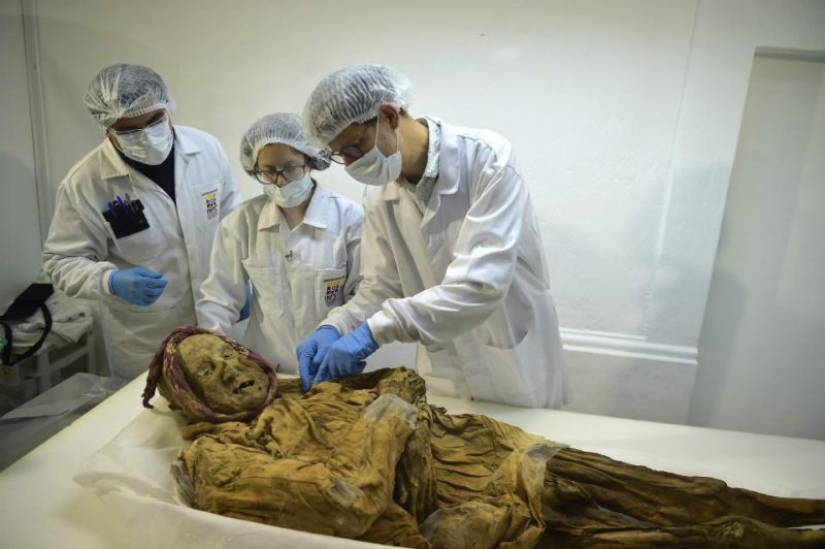
Scientists believe that the mummified monk may be the key to unlocking the reasons for the global spread of rheumatism. They believe that the study will help to find an effective way to treat chronic disease.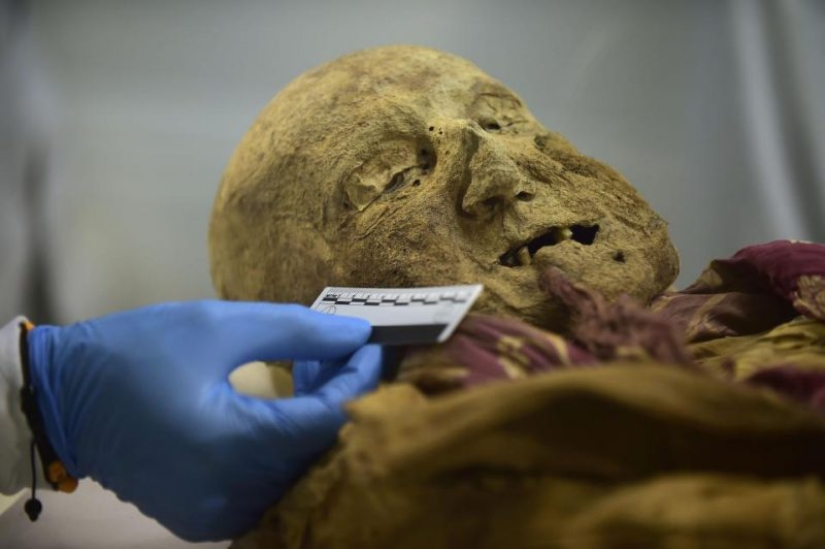 The mummy is well preserved, and her bones show signs of rheumatic disease. She was found in a monastery in Guano (Ecuador). Now the ancient remains explores a French doctor-a pathologist Philippe Charlier (Dr Philippe Charlier).
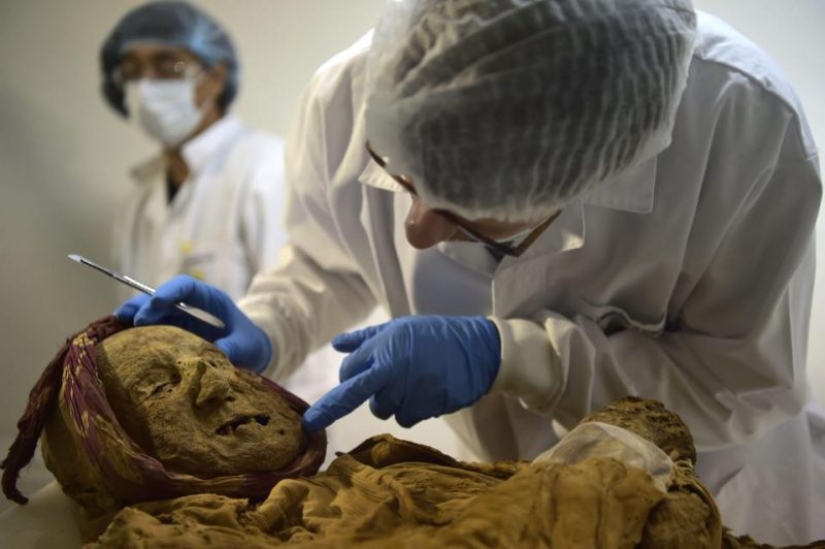 Traces of rheumatic arthritis was first discovered in America, even before I got there Christopher Columbus. A new discovery of Guano can shed light on how the disease came to another part of the world.
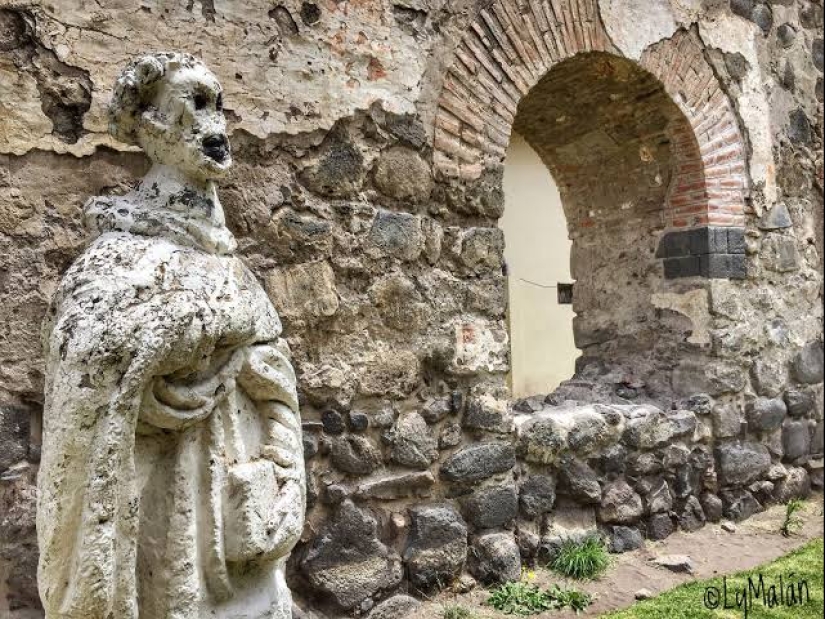 Researchers believe that the mummy might belong to the monk-guardian of the monastery, who died in the period between 1560 — 1565 years. At the time of his death he was about 90 years old. Local residents discovered the remains of the monastery Asunsion de Guano.In August 1949, a strong earthquake destroyed the walls of the Church and opened the resting place of the monk. The body was preserved in good condition so that visible signs of rheumatic disease.
 The story lives in your bones and ruins. In order to understand the origins of a phenomenon, it is necessary to return to the past. And then the dead ancestors, perhaps, will reveal the secrets to creating a better future.
Keywords: Disease | Monastery | Monk | Mummy | Open | Ecuador
Post News ArticleRecent articles

It's high time to admit that this whole hipster idea has gone too far. The concept has become so popular that even restaurants have ...

There is a perception that people only use 10% of their brain potential. But the heroes of our review, apparently, found a way to ...
Related articles

Leonardo da Vinci was accused of being fond of orgies. William the Conqueror, despite all his successes, was called a "Bastard" ...

According to the who, from diseases related to Smoking, every eight seconds a person dies. The number of deaths per year up to five ...

We all know that allergies can be cats, dogs, chocolate, citrus fruits and pollen. But things that can cause a dangerous reaction, ...
New Year's is a time to surprise and delight loved ones not only with gifts but also with a unique presentation of the holiday ...