
What ancient Greek sculptures actually looked like
Categories: Culture | History | Science
By Pictolic https://www.pictolic.com/article/what-ancient-greek-sculptures-actually-looked-like.htmlNothing in our world is eternal. The same applies to unique works of art and architectural masterpieces, which lose their original appearance and beauty over the centuries. We all know from childhood what Greek and Roman statues look like, we are used to seeing their faded color of stone. However, a recent study by Vincenz Brinkman and other archaeologists proved that they initially looked different.
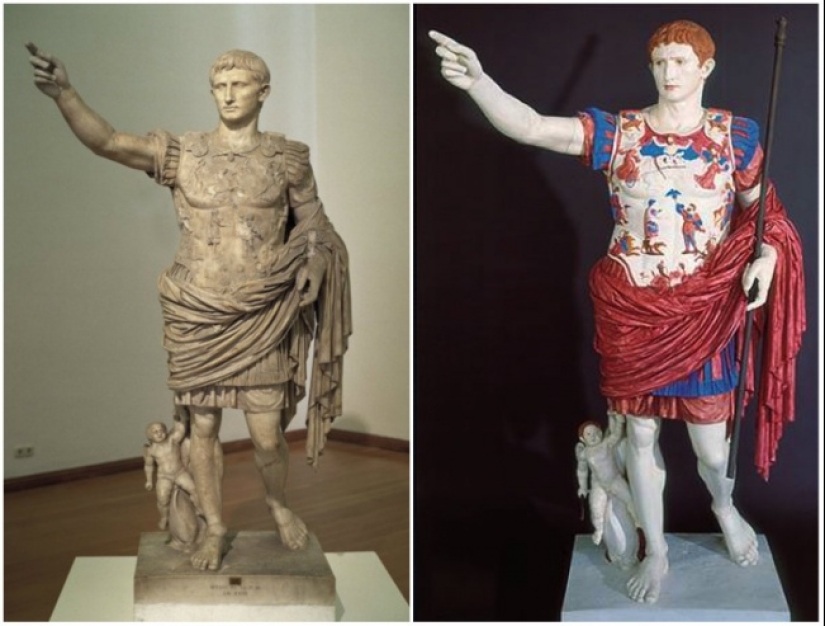
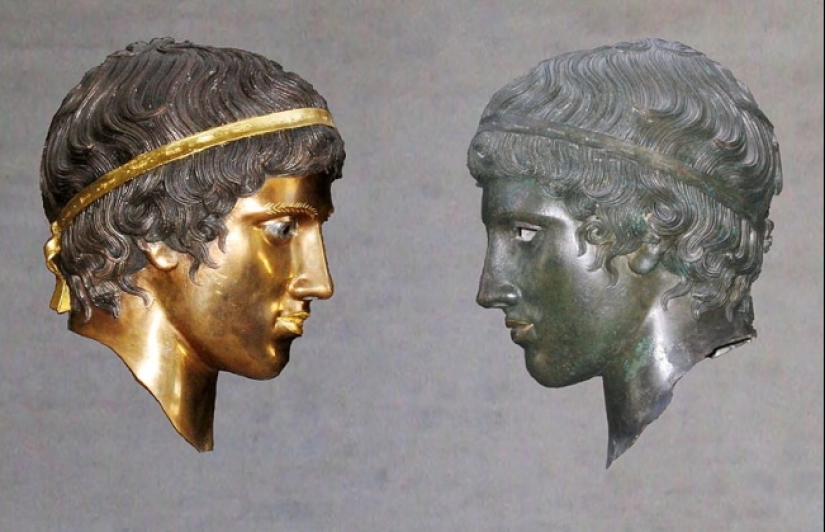
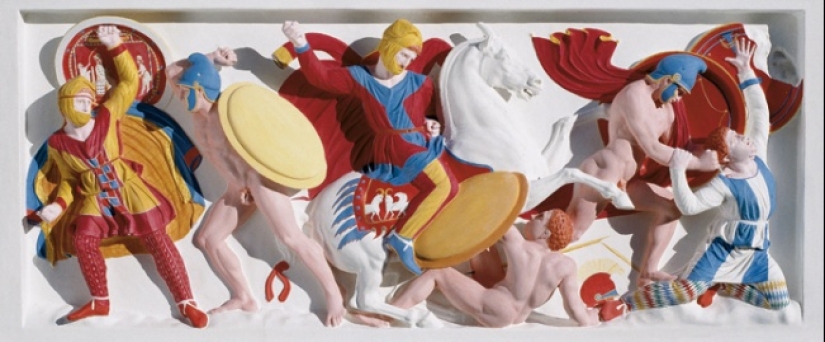
With the help of infrared and ultraviolet radiation, experts were able to detect traces of paint on ancient sculptures and recreate the original appearance of ancient statues. The study showed that lifeless and monotonous sculptures once shone with bright colors that have been erased after many centuries.
Vinzenz Brinkman created copies of some works of ancient art and painted them in the colors that once covered the originals. Today, these statues are exhibits of an exhibition that travels to museums around the world.
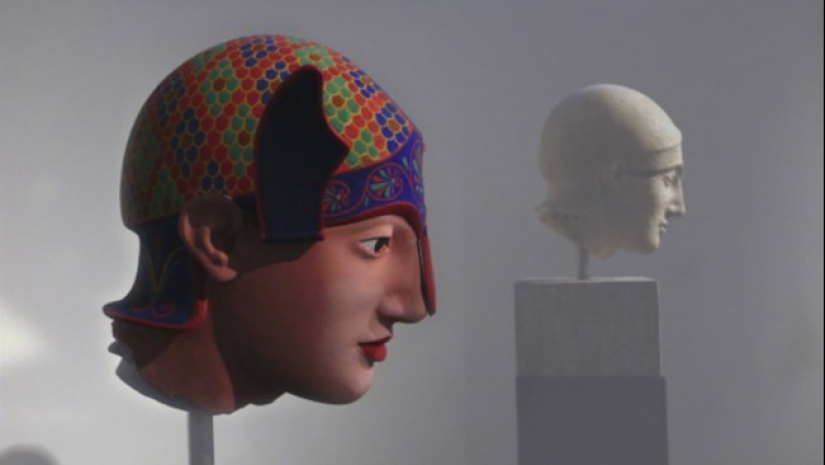
The head of a warrior from the temple of Aphaia.
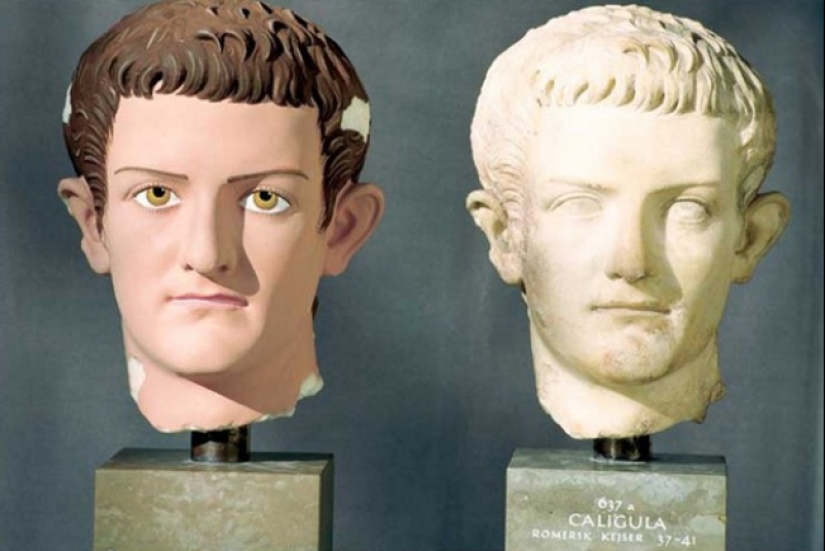
The Roman Emperor Caligula.
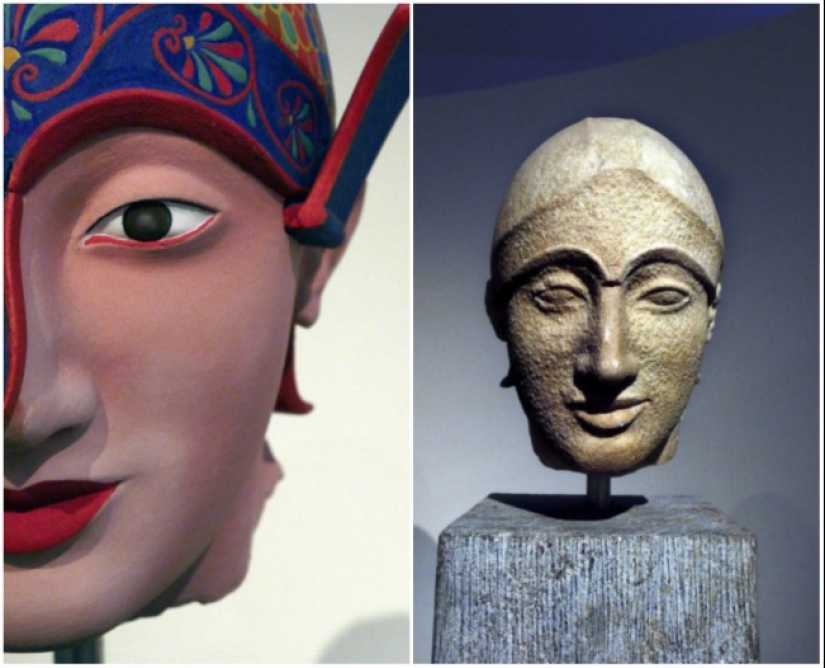
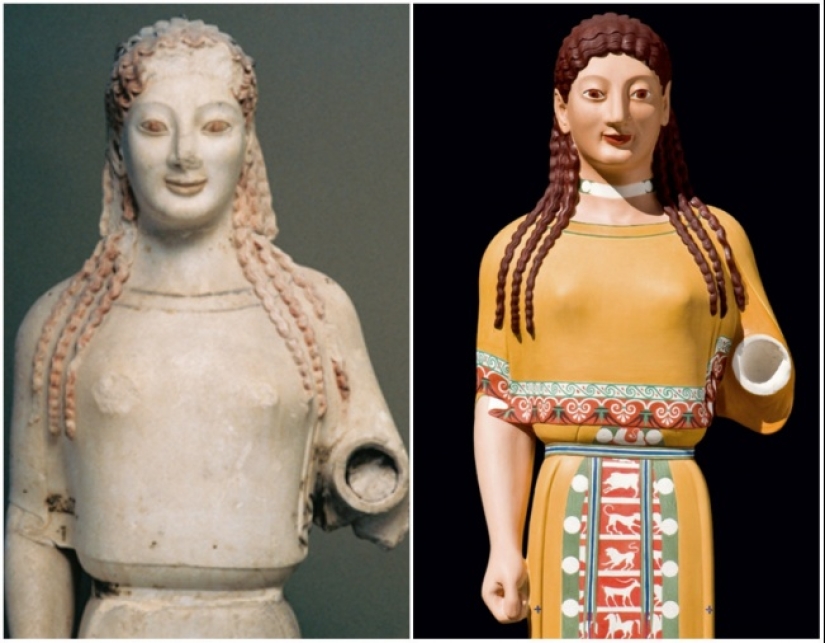
The bark in the peplos from the Museum of the Acropolis of Athens.
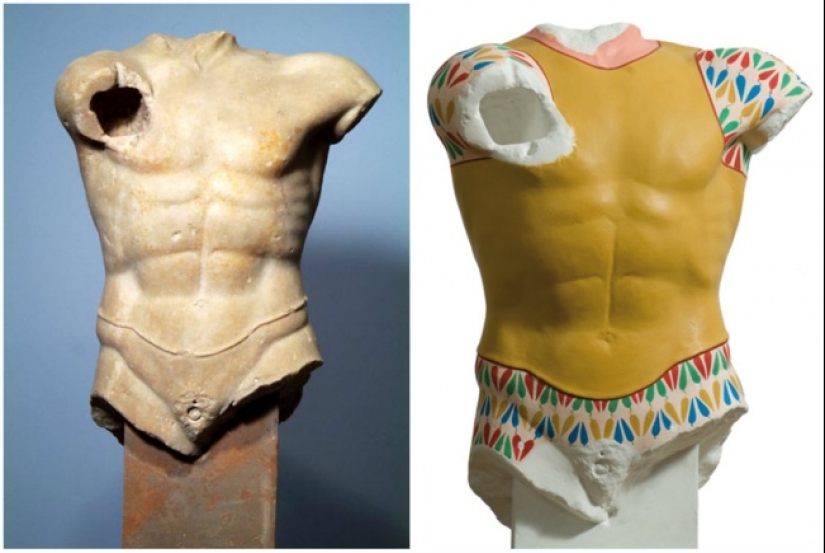
Torso from the Acropolis.
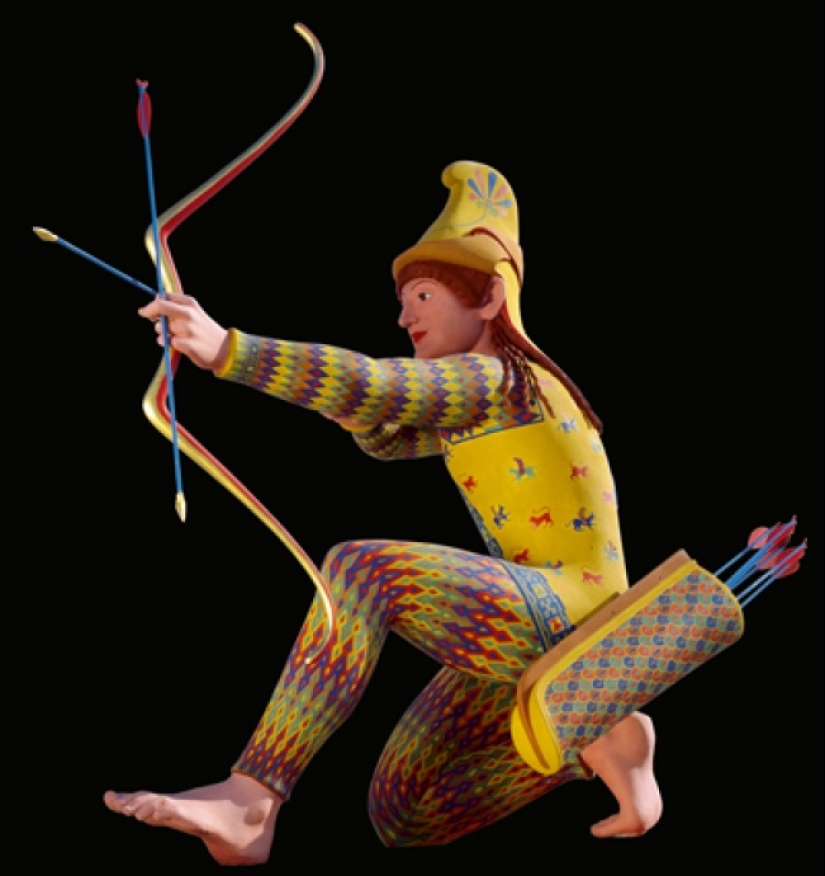
The Trojan archer from the Temple of Aphaia.
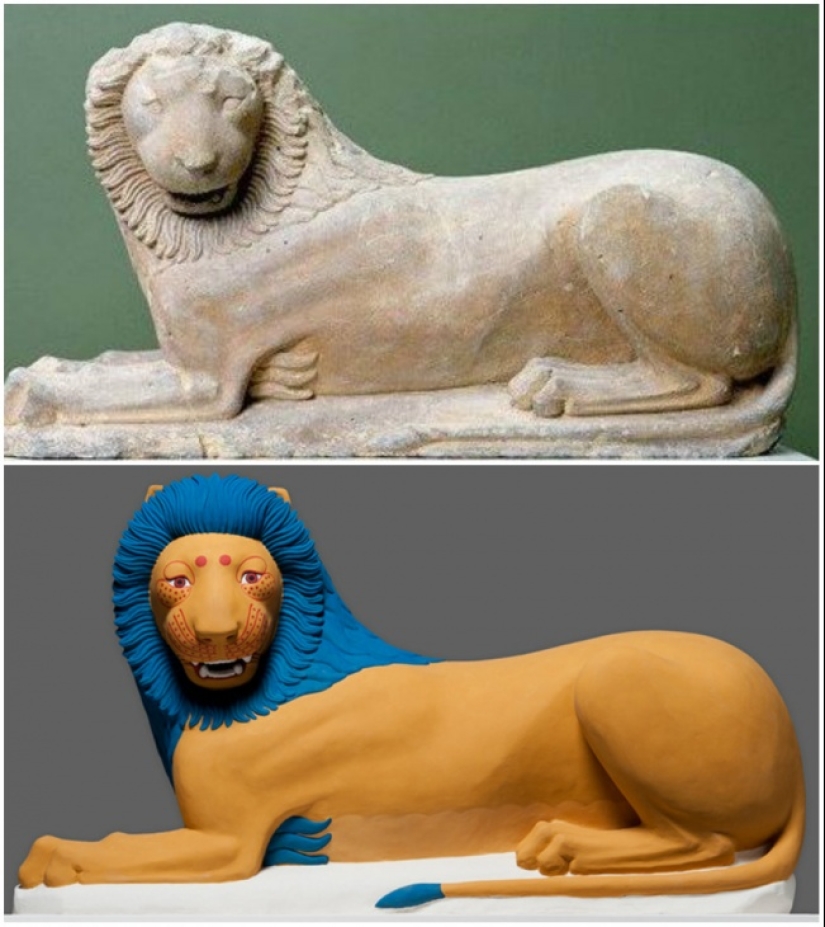
Lion statue from Loutraki.
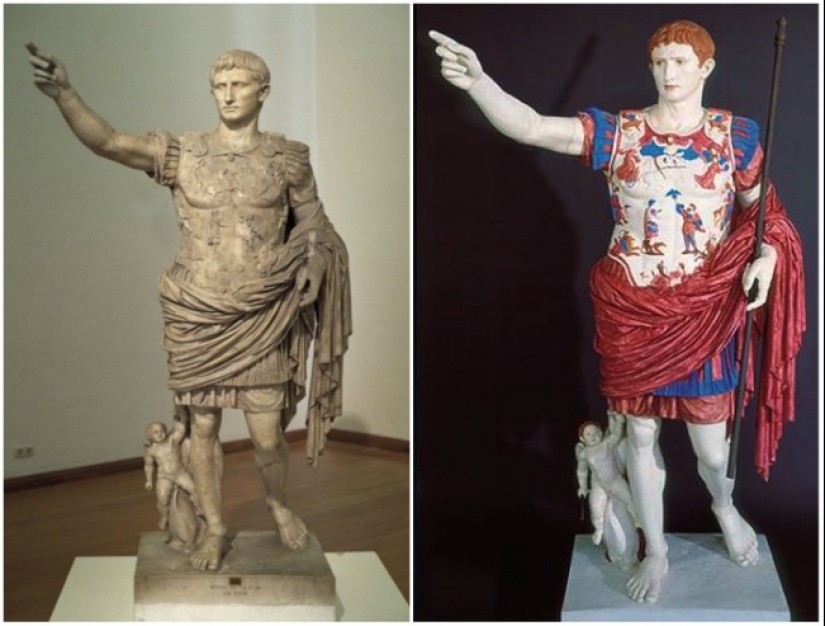
Statue of Octavian Augustus, Roman Emperor and great-nephew of Gaius Julius Caesar.
Keywords: Culture | Science | Statue | Reconstruction | History | Statues | Sculptures | Archeology | Sculpture | Antiquity | Ultraviolet
Post News ArticleRecent articles

It's high time to admit that this whole hipster idea has gone too far. The concept has become so popular that even restaurants have ...

There is a perception that people only use 10% of their brain potential. But the heroes of our review, apparently, found a way to ...
Related articles

These artists love cats, but also masterfully draw them, often complementing funny and life signatures. Meet! --> Russian ...

Have you heard of such a phenomenon as the doorway effect? Let's put it simply: have you ever walked into a room and immediately ...

What kind of wedding traditions do not happen! The Scots pour dirty slush over the bride, some peoples of India have decided to get ...
New Year's is a time to surprise and delight loved ones not only with gifts but also with a unique presentation of the holiday ...