Tunisia of the late 19th century on old colored postcards

Tunisia of the late 19th century on old colored postcards

Categories: Africa | Culture | History

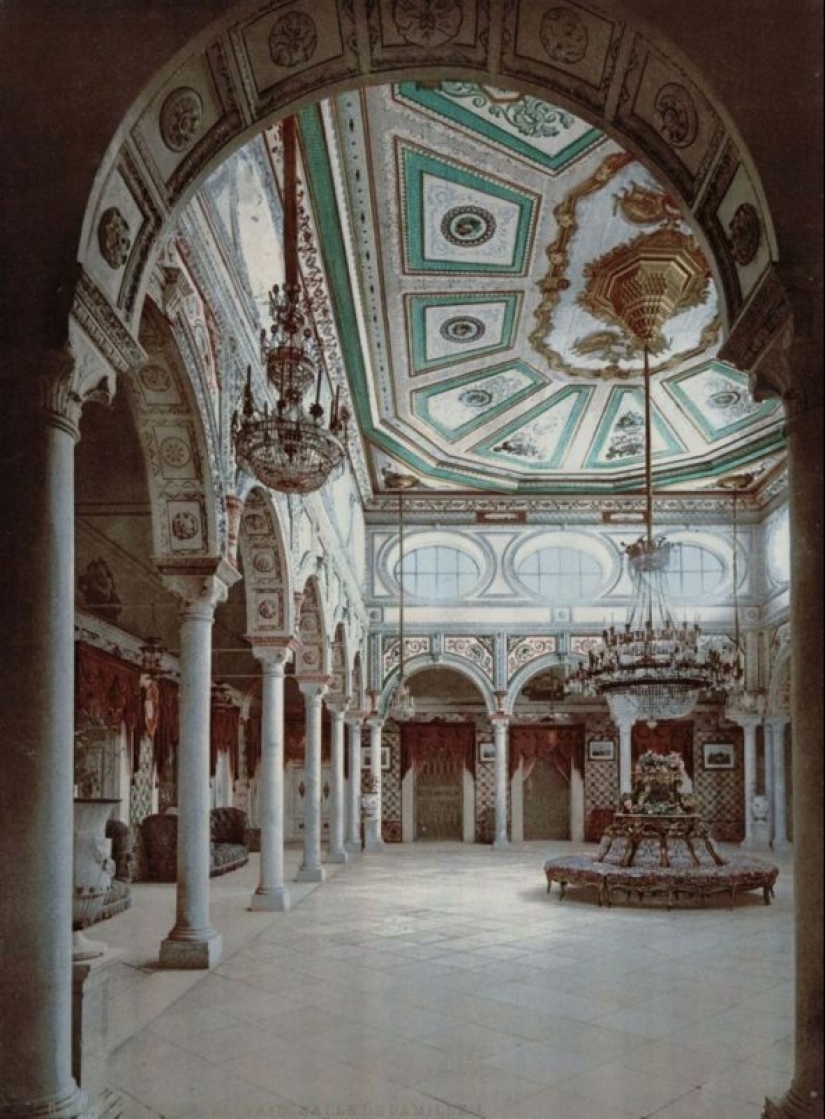
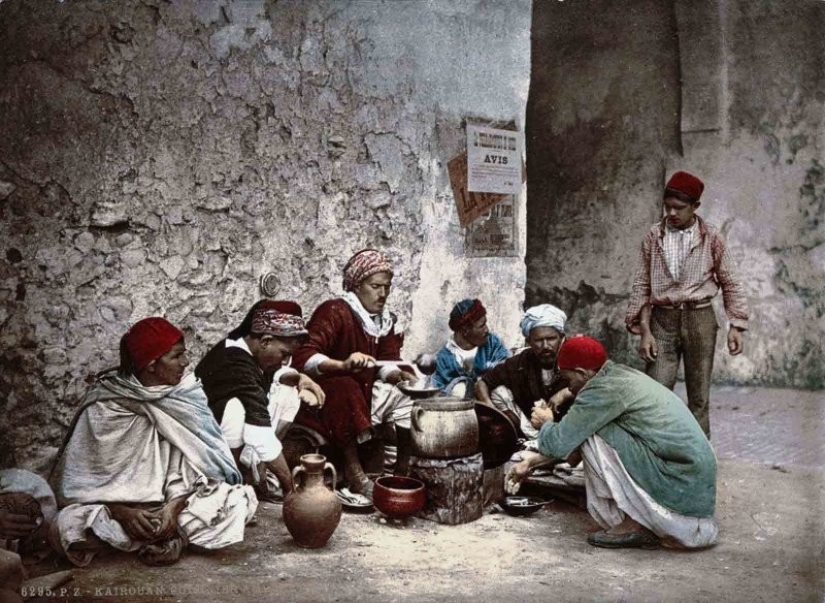
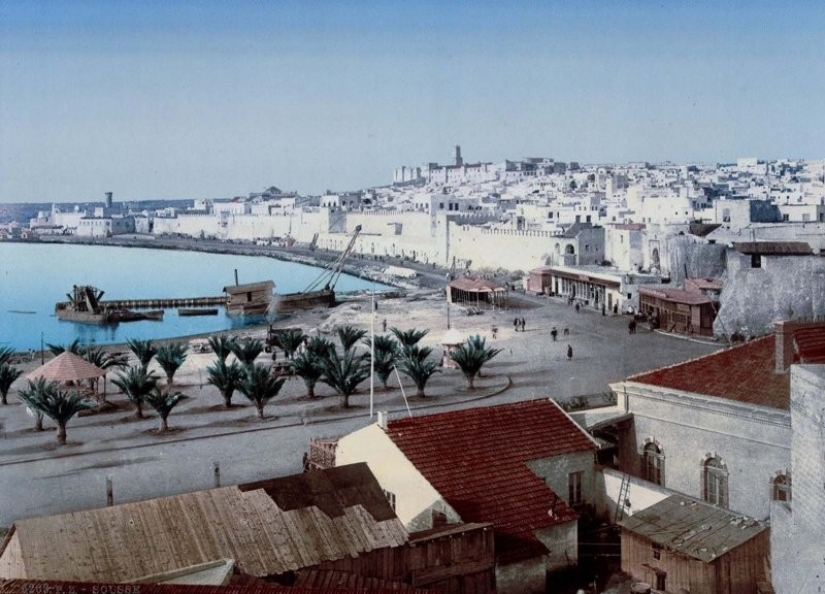
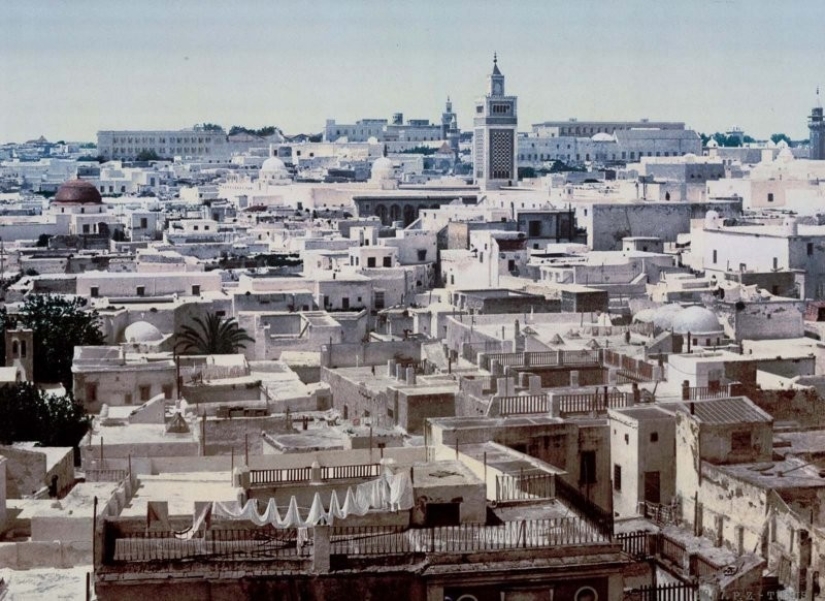
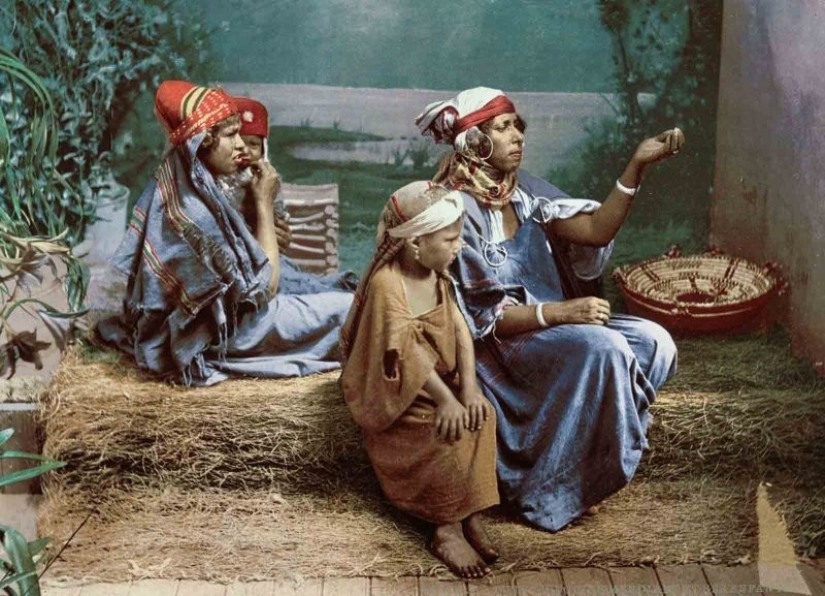
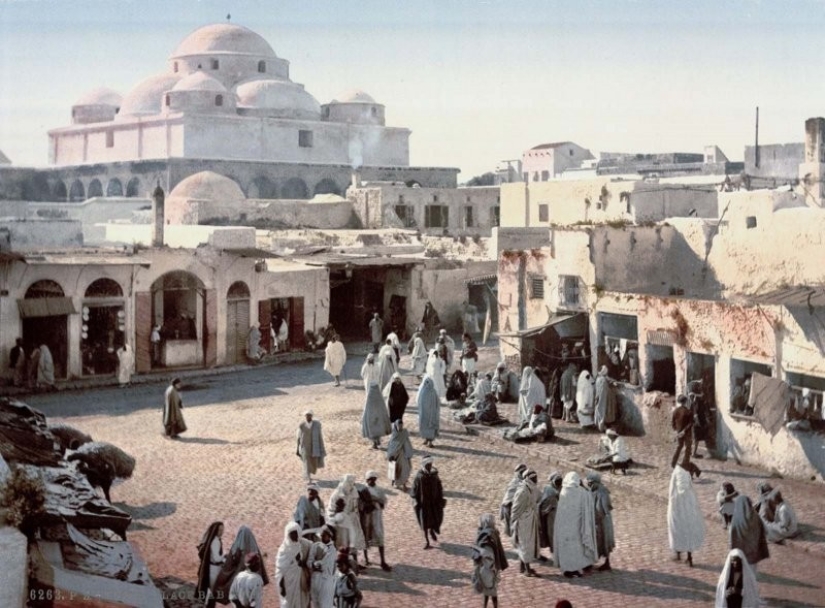
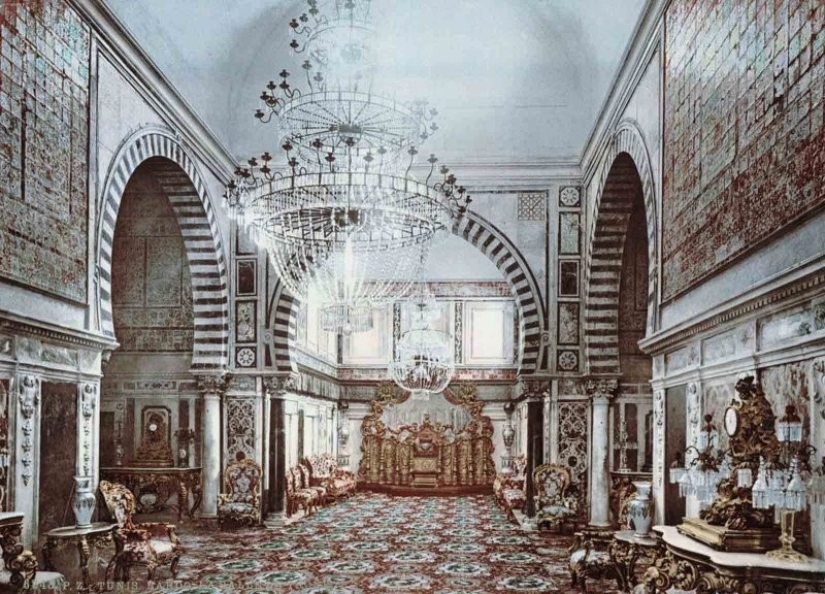
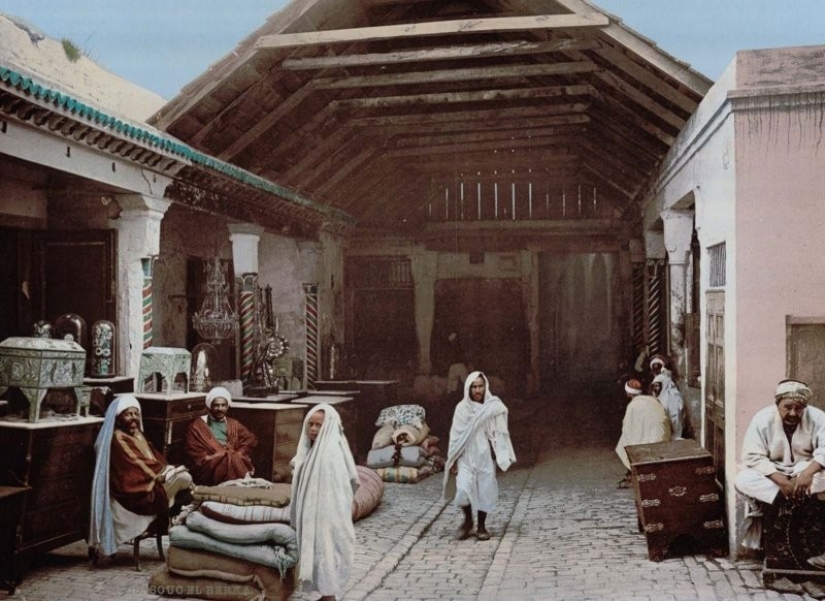
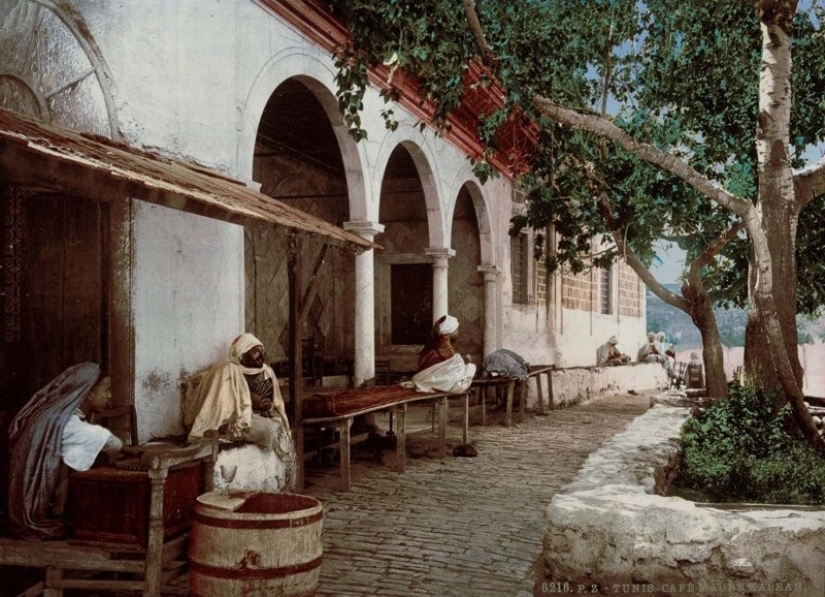
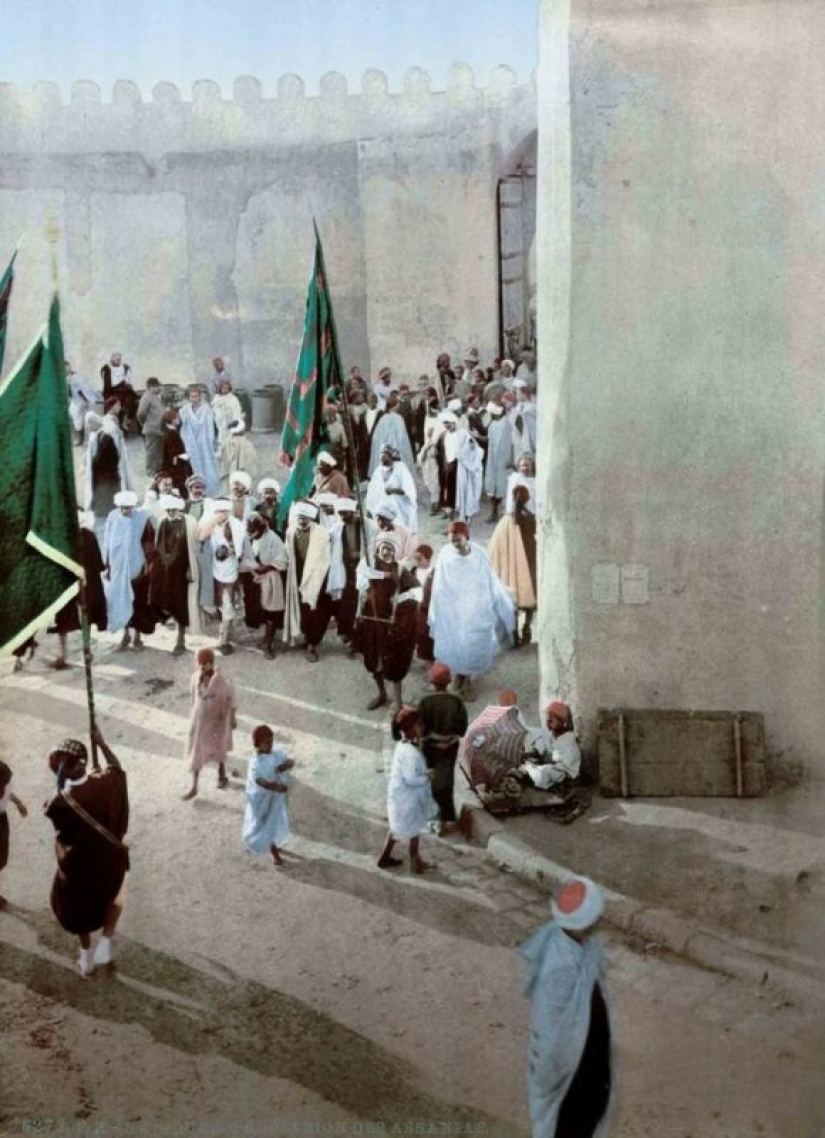
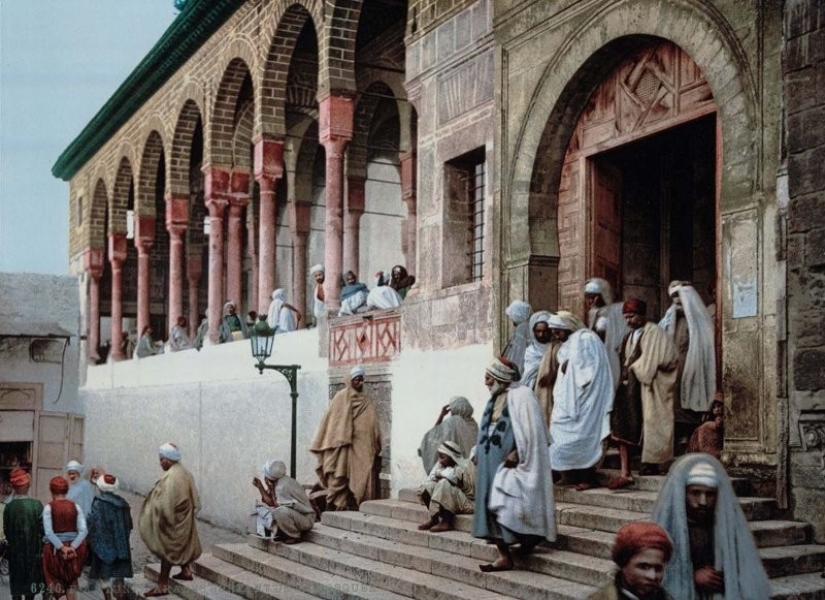
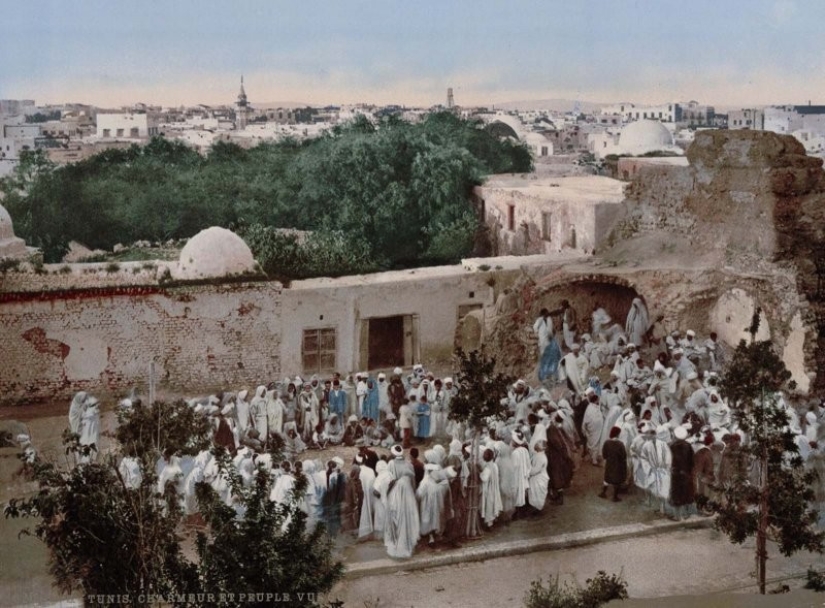
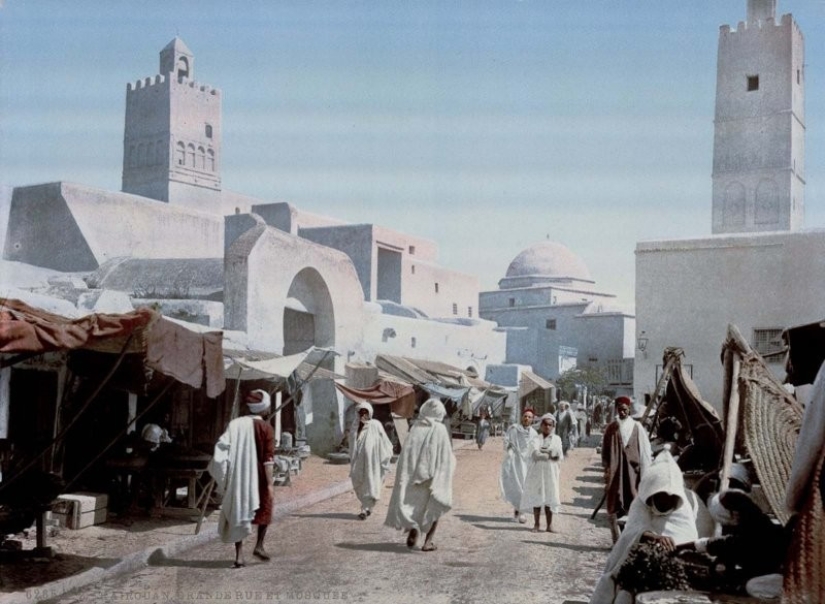
These magnificent colored postcards show Tunisia in all its splendor: here are busy streets, impressive architecture, and just the everyday life of the Tunisian people. The postcards were issued in 1899 and printed using the popular photochrome technique invented by a Swiss printer in the 1880s.

Tunisia of the late 19th century on old colored postcards

Tunisia of the late 19th century on old colored postcards

In 1881, Tunisia was occupied by the French and was under a protectorate in which the nominal power of local self-government was recognized. At one time, Europeans made up half of the Tunisian population.

There was a rapid reconstruction of the city: the French built new boulevards, residential areas and infrastructure, and the city was divided into a traditional medina with an Arab population and a new quarter populated by immigrants.

The postcards show imprints of French influence: for example, one of them depicts the almost finished St. Louis Cathedral. To build this Roman Catholic cathedral in the Byzantine-Moorish style, the French needed the permission of the Bey of Tunis.

Other postcards depict the luxurious mansions of the Tunisian monarchy, which contrasts sharply with the modest but vibrant street life: people gather in bazaars and cafes or go to mosques, nomadic Bedouins set up camp, and a wandering cook sells his goods on the street.
Tunisia of the late 19th century on old colored postcards

Tunisia of the late 19th century on old colored postcards

Tunisia of the late 19th century on old colored postcards

Tunisia of the late 19th century on old colored postcards

Tunisia of the late 19th century on old colored postcards

Tunisia of the late 19th century on old colored postcards

Tunisia of the late 19th century on old colored postcards

Tunisia of the late 19th century on old colored postcards

Tunisia of the late 19th century on old colored postcards

Tunisia of the late 19th century on old colored postcards

Tunisia of the late 19th century on old colored postcards

Tunisia of the late 19th century on old colored postcards

Tunisia of the late 19th century on old colored postcards

Tunisia of the late 19th century on old colored postcards

Tunisia of the late 19th century on old colored postcards

Tunisia of the late 19th century on old colored postcards

Tunisia of the late 19th century on old colored postcards

Tunisia of the late 19th century on old colored postcards

Tunisia of the late 19th century on old colored postcards

Tunisia of the late 19th century on old colored postcards

Tunisia of the late 19th century on old colored postcards

Tunisia of the late 19th century on old colored postcards

Tunisia of the late 19th century on old colored postcards

Tunisia of the late 19th century on old colored postcards

Tunisia of the late 19th century on old colored postcards

Tunisia of the late 19th century on old colored postcards

Tunisia of the late 19th century on old colored postcards

Tunisia of the late 19th century on old colored postcards

Tunisia of the late 19th century on old colored postcards

Tunisia of the late 19th century on old colored postcards

Tunisia of the late 19th century on old colored postcards

Tunisia of the late 19th century on old colored postcards

Post News Article

Recent articles

DIY Edible Christmas Tree

New Year's is a time to surprise and delight loved ones not only with gifts but also with a unique presentation of the holiday ...

20 restaurants that went too far in trying to be original

It's high time to admit that this whole hipster idea has gone too far. The concept has become so popular that even restaurants have ...

18 ingenious inventions, the authors of which should work in NASA

There is a perception that people only use 10% of their brain potential. But the heroes of our review, apparently, found a way to ...