
The Chicama wave is the longest wave in the world that is protected by law.
On the Pacific coast in the northwestern part of Peru is the small town of Puerto Chicama. This place is unique in that the longest sea waves in the world are formed off its coast. Wavelength refers to the distance traveled by its crest, not the length of the crest itself. Although this value is also considerable.

The appearance of such waves is due to the cold Peruvian current, which washes the coast of Peru from south to north, as well as the direction of movement of air masses and the relief of the coastline in this place.
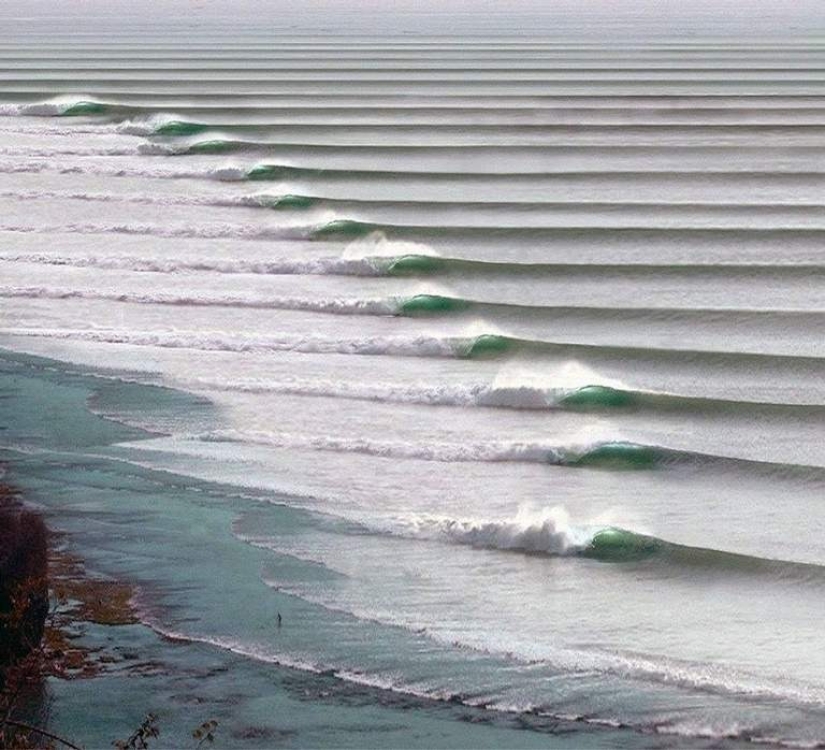
Waves, up to 2 meters high, ideally follow one after another and almost never connect. Waves less than 1 meter high, usually slow and weak.

The longest and most optimal left-handed waves on the planet are formed here. They can walk a distance of more than 4 kilometers - from the rocky cape of Malabrigo to the pier on the coast.
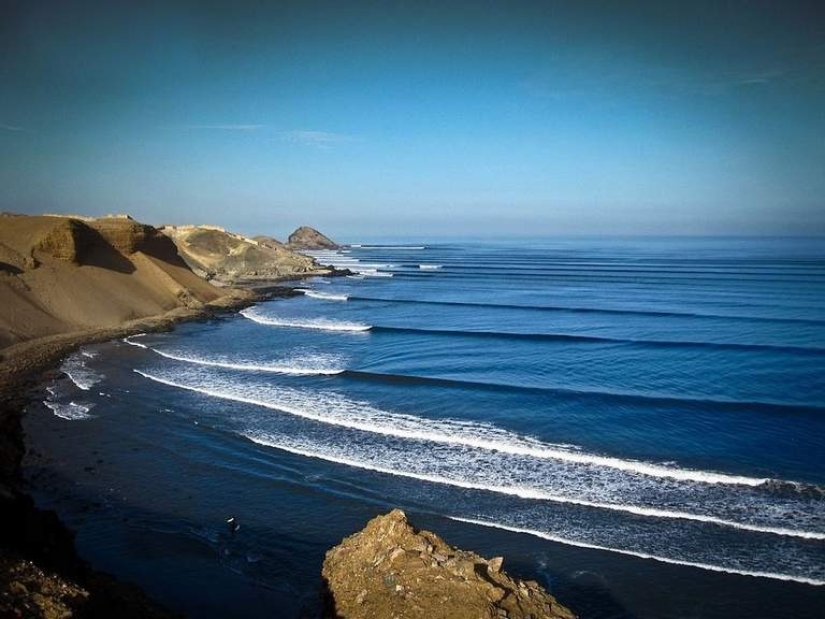
In 1965, Hawaiian surfer Chuck Shipman was flying by in an airplane and saw a very long left-handed wave. Shipman asked the pilot about these places, and when he returned home, he began to study the maps of Peru and the features of local wave formation.
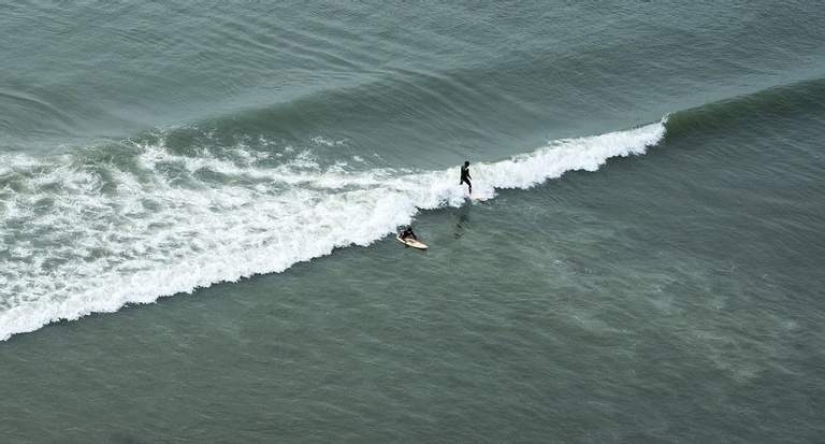
After identifying several promising stretches of coastline, Chuck contacted friends in Peru and asked them to explore the coast "live". Since then, Chicama has been a popular destination for surfers.

The Chicama wave was the first wave in the world protected by the law of Peru. At a distance of 1 kilometer from the place where such an amazing phenomenon is formed, it is forbidden to build anything. It is believed that this can damage the formation of waves.
Recent articles

It's high time to admit that this whole hipster idea has gone too far. The concept has become so popular that even restaurants have ...

There is a perception that people only use 10% of their brain potential. But the heroes of our review, apparently, found a way to ...
New Year's is a time to surprise and delight loved ones not only with gifts but also with a unique presentation of the holiday ...