
The Allenstown Four Case: A Series of Murders That Took 40 Years to Solve
Categories: History | North America
By Pictolic https://www.pictolic.com/article/the-allenstown-four-case-a-series-of-murders-that-took-40-years-to-solve.htmlThe American law enforcement system works differently from ours: investigators rarely give up on solving a case. There are currently about 200,000 unsolved murders in the United States, some of which occurred 50 or even 80 years ago. However, these cases cannot be considered hopeless. Modern technology allows us to solve crimes committed in the last century. Yes, it is not always possible to punish the criminal, but such successes are of great importance to the relatives of the victims. During the investigations, even the most unusual cases can be solved, for example, the case of the "Allenstown Four". The peculiarity of this case is that the identity of the killer was established, but some of his victims remain unknown.
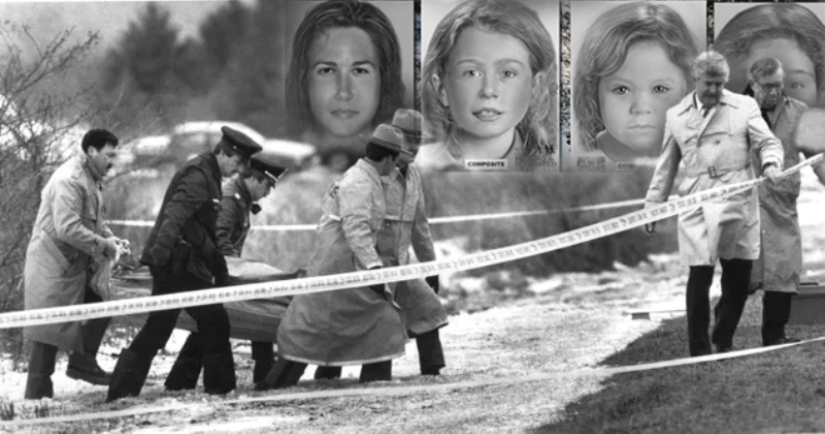
In 1985, a hunter made a grisly discovery in the woods near Bear Brook, which is located in Bear Brook State Park in Allenstown, New Hampshire. While hunting through the brush in pursuit of a deer, he came across a rusty metal barrel containing the skeletal remains of two people. They were wrapped in plastic bags. Forensic experts determined that the victims were a woman between the ages of 23 and 33 and a girl between the ages of 5 and 11.
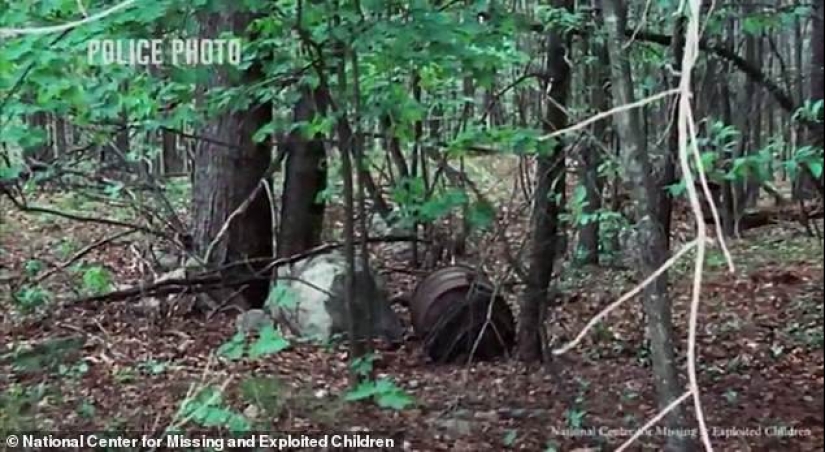
The police were unable to determine the exact time and cause of death. Investigators believed that the woman and the girl died between 1979 and 1985 from blows from a blunt, heavy object. No evidence or witnesses were found, so the case was soon closed. However, in 2000, police found another barrel in the same area.
The remains of two girls were found inside - one was aged 1-3, the other 2-4. The case, closed 15 years ago, had to be reopened and combined with a new investigation. This time, even establishing the approximate age and date of death was extremely difficult. But it was obvious that the children died around the same time as the woman and girl found in 1985.
DNA analysis revealed that two of the three children were related to the woman. But the exact degree of kinship could not be determined. She could have been the mother, sister, or even aunt of the children. The police assumed that the murder occurred within the family, and the perpetrator was a close relative of the victims. He was probably the woman's husband and the children's father.
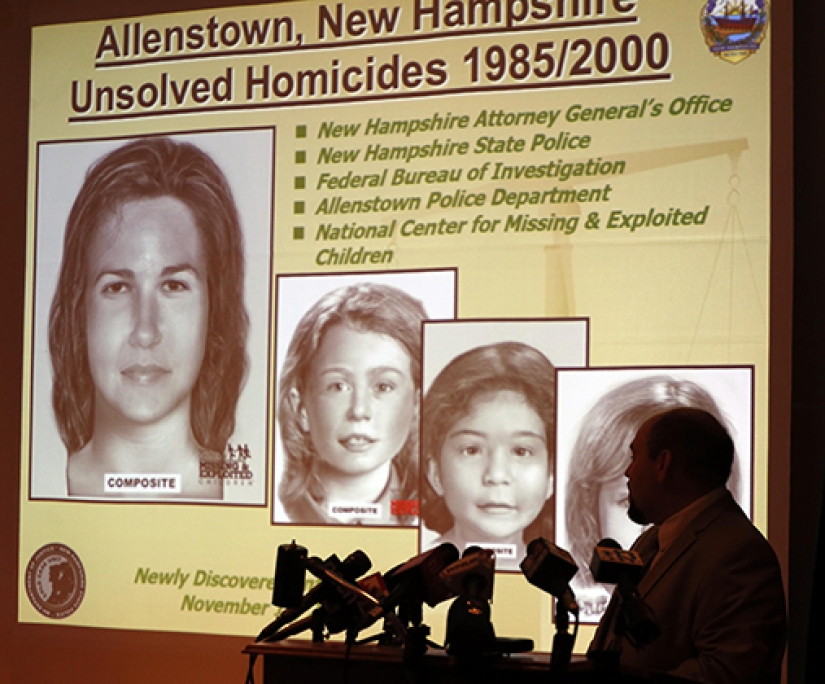
After these disappointing findings, the case was closed again, as further progress was impossible. But a few years later, forensic technology gave the chance to continue the investigation. Detailed bone tissue analysis showed that the victims either lived in the Allenstown area or spent at least three months there. Computer modeling helped to recreate portraits of the victims. But even this did not bring a breakthrough, and the case stalled again.
In 2017, a hopeful article appeared in the press: The Allenstown Four case was finally moving forward. This time, technology was not the key. The breakthrough came when a California woman came forward to police with a story that pointed the investigation in the right direction and helped solve the crime.
A woman abandoned by her father as a child has revealed that her mother, Denise Boden, disappeared in 1981 along with her youngest daughter. At the time, Denise was dating Bob Evans, a man with a dark past. After her mother's disappearance, Evans looked after her eldest daughter for several years, but in 1985, he abandoned her in a trailer park and disappeared. He was later arrested and found to be involved in child molestation. He was eventually convicted and sent to prison.
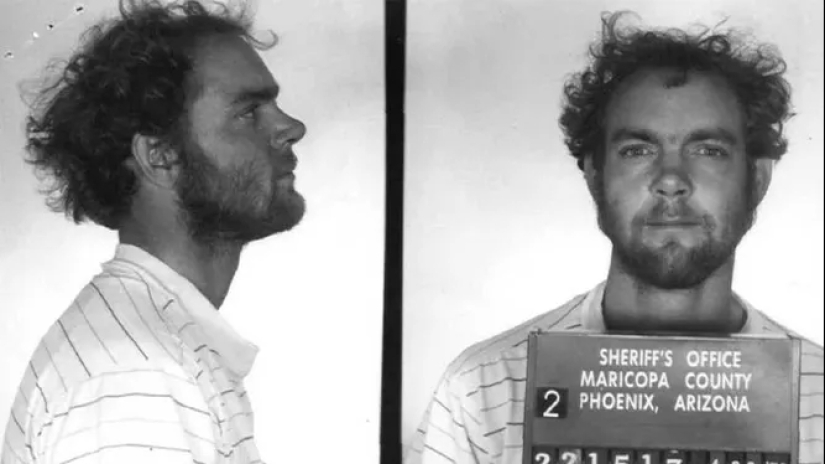
In 1990, Bob Evans was released, but soon found himself back in prison, receiving a long sentence for the murder of his new common-law wife, Yunsun Jun. By then, he had already changed his name and was introducing himself as Larry Vanner. He was never released and died in prison in 2010.
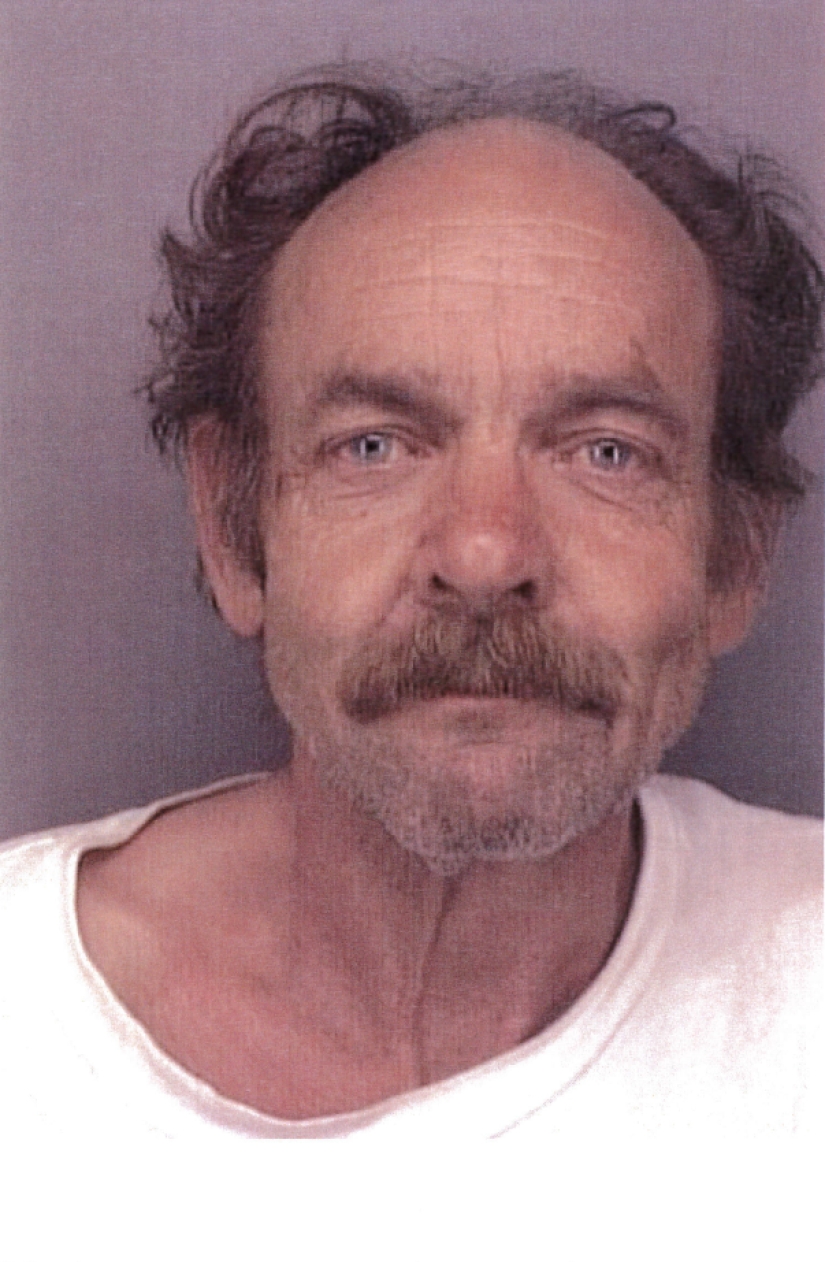
By putting the facts together, investigators were able to piece together the general pattern of Evans' criminal activity. He would create a false identity, posing as a single father, to attract another victim. Most often, his choice fell on single women with children. He would seduce the children and kill their mothers. In some cases, he would eliminate the children themselves. The geography of his crimes covered New Hampshire, California, and other regions.
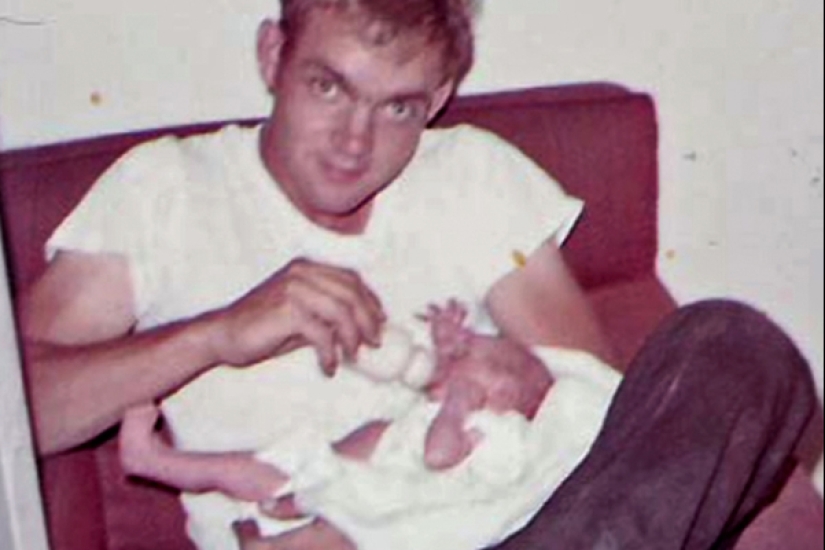
Under the names Bob Evans, Larry Vanner, and at least a dozen other aliases, this master of disguise evaded justice for decades. His real name was Terry Peder Rasmussen. Police have DNA samples of him that helped establish that he was the father of one of the girls found in the barrel. Rasmussen not only destroyed someone else's family, he also killed his own child.
In 2019, thanks to the combined efforts of DNA experts and enthusiasts who scoured genealogy forums and archives, investigators were able to identify three of the four victims. They were Marlies Elizabeth Honeychurch and her daughters, Marie Elizabeth Vaughan and Sarah Lynn McWaters. The fourth victim, the young daughter of the killer himself, remains unidentified. Referred to simply as “Middle Child,” her identity remains the final mystery in the case.

Honeychurch, who was born in Connecticut in 1954, was married twice and had a daughter with each husband. Marlyse was last seen at her mother's home in La Puente, California, on Thanksgiving Day in 1978. That's when she introduced the family to her new boyfriend, Terry Rasmussen.
According to the investigation, Rasmussen had six victims, although there could have been more. Unfortunately, after the murderer's death, it is no longer possible to find out how events unfolded more than 40 years ago. Therefore, law enforcement officers could only accept the fact that the identity of the criminal and his motives are now known.
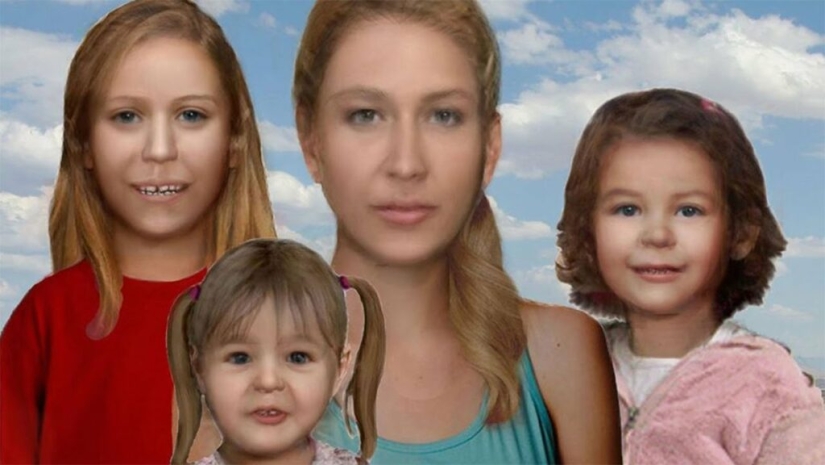
The story of the Allenstown Four shows that even after decades, the truth can be found – thanks to technology, police persistence and a chance witness. But does it feel fair to you that the killer is dead and the victims are only partially identified? Do you think it’s worth pursuing these cases – for the sake of memory, for the sake of family or for the sake of principle?
Recent articles

It's high time to admit that this whole hipster idea has gone too far. The concept has become so popular that even restaurants have ...

There is a perception that people only use 10% of their brain potential. But the heroes of our review, apparently, found a way to ...
New Year's is a time to surprise and delight loved ones not only with gifts but also with a unique presentation of the holiday ...