
Mysterious Buildings - Kofun
Imagine densely populated Japan, where every piece of land is worth its weight in gold. And on this territory there are places where no human foot has set foot for hundreds of years. These places are called kofun.
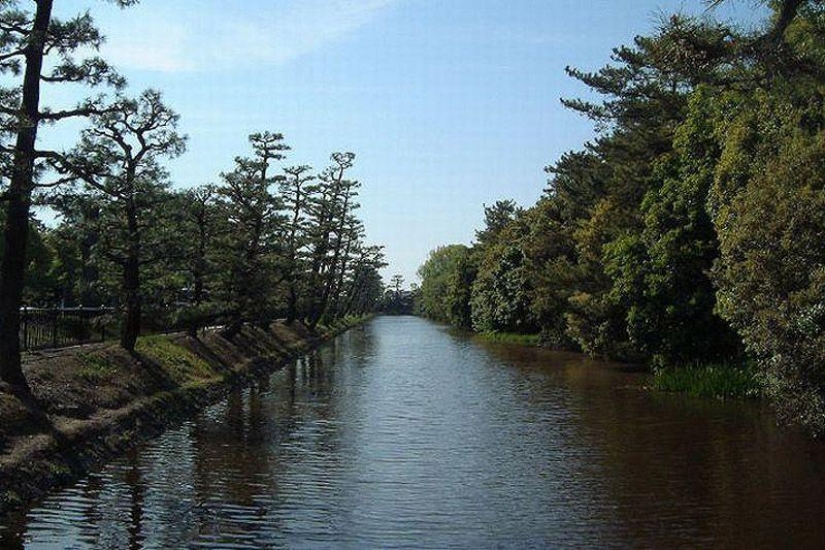
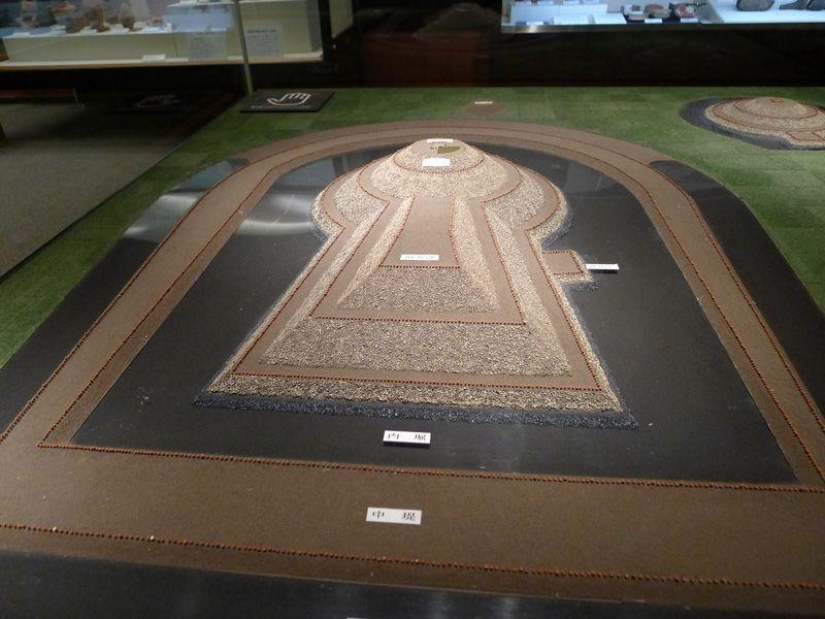
Kofun is an ancient burial place of emperors, translated from Japanese as a mound. The classic kofun has the shape of a keyhole, around which a moat filled with water is dug, and sometimes even two.
(Total 11 photos)
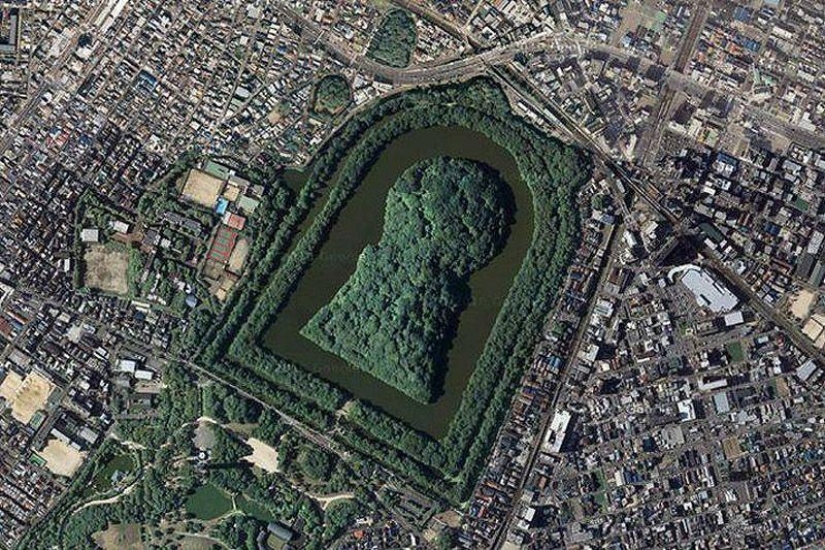
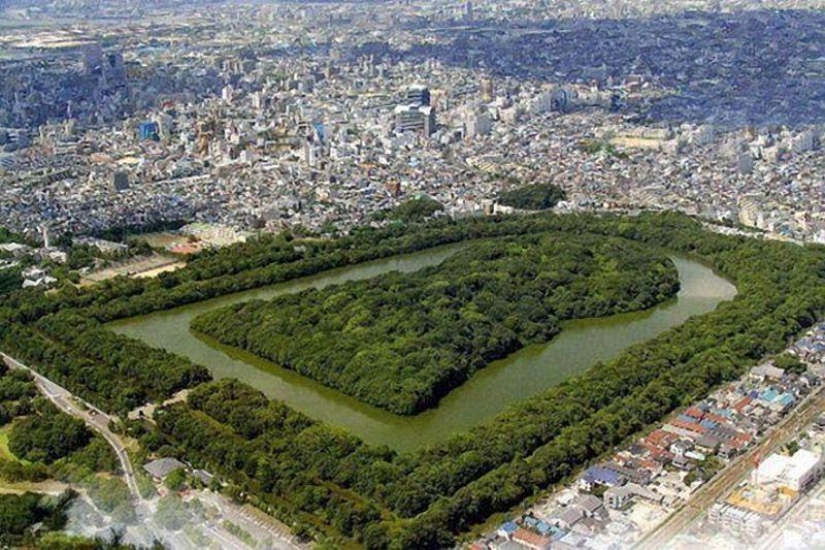
1. The Japanese kofun traces its origins to ancient tombs in China. The name kofun is also given to megalithic burials, such as Ishibutai-kofun. In a narrow sense, a kofun is a burial of a partially elongated shape, common in Japan between the 2nd half of the 3rd century BC. e. and the first half of the 7th century AD. e. From this term comes the name of the Kofun period (300-538), which is part of the Yamato period in the history of Japan.
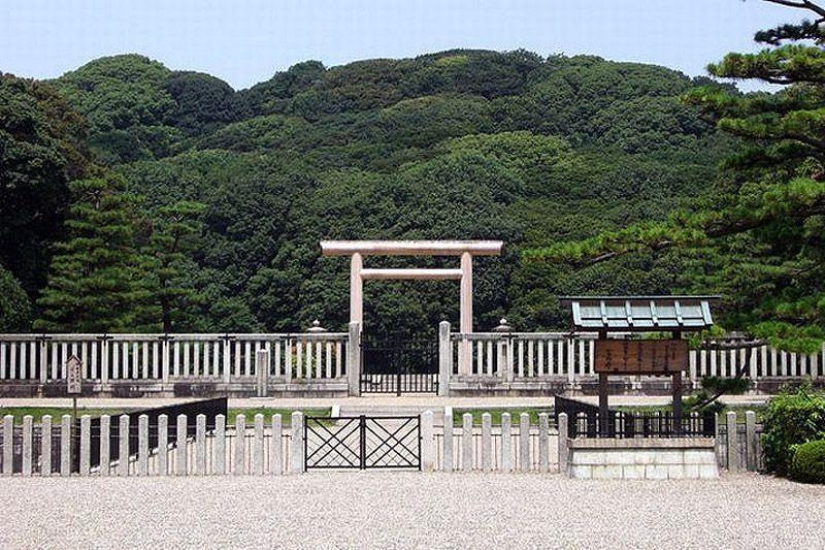
2. There is an entrance, a gate, a bridge. All this is closed and visiting is prohibited by Japanese traditions.
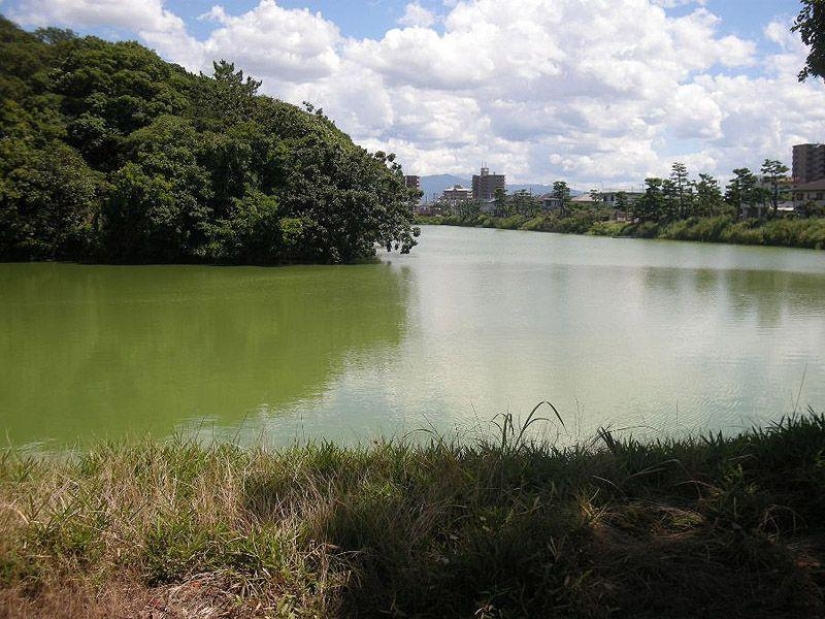
3. These islands have untouched nature, plants and animals that cannot be found anywhere else. For example, Tanuki are Japanese raccoon dogs that sometimes come out of the island and frighten residents of nearby residential areas.
4. The largest kofun, Nintokuryo, is located near Osaka and is approximately 486 meters long, 305 meters wide, 33 meters high, and covers an area of 464,124 square meters. meters. Emperor Nintoku, who died in the 4th century AD, is buried there.
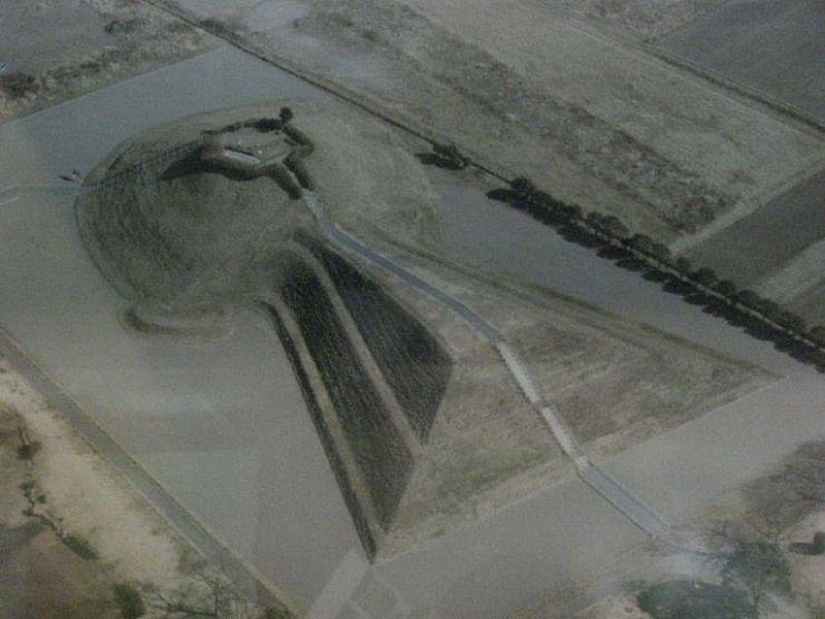
5. This is the Inariyama Mound (5th century AD). The structure has a characteristic keyhole shape. The total length of the mound is 120 meters.
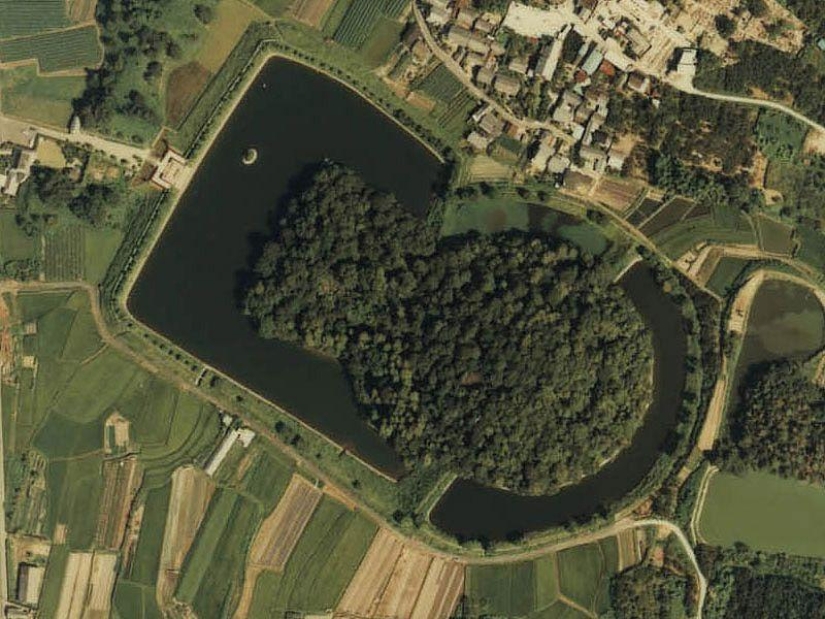
6. By the end of March 2001, 161,560 kofun tombs had been discovered in Japan, with the largest number in Hyogo, Chiba, Tottori, Fukuoka, and Kyoto prefectures.
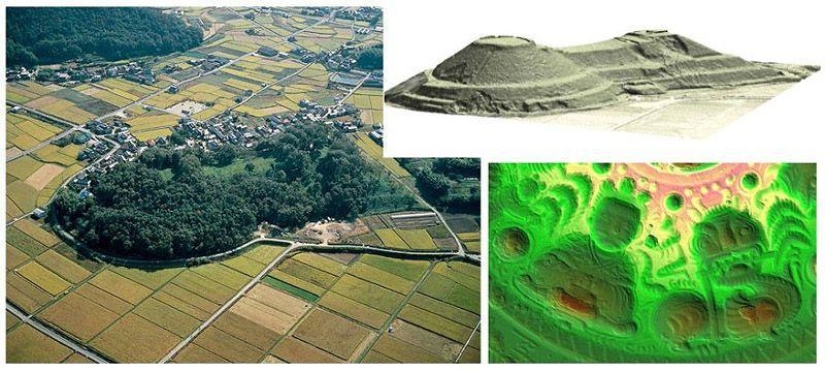
7. Kofun grave mounds can be of various shapes. The most ancient of them are semicircular, there are also rectangular and square ones; the most common are in the form of a key hole.
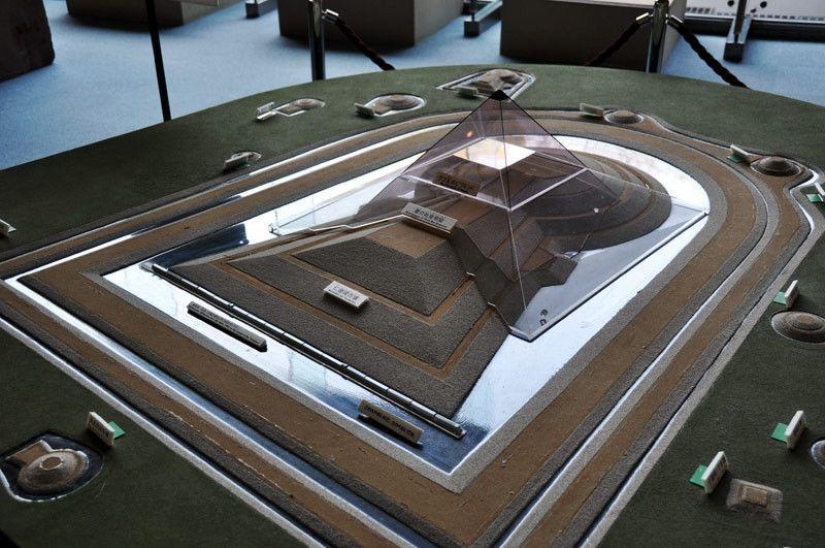
8. In the latter, the burial chamber is located in a round "hole" of the key, the expanding "beard" is oriented to the south or east.
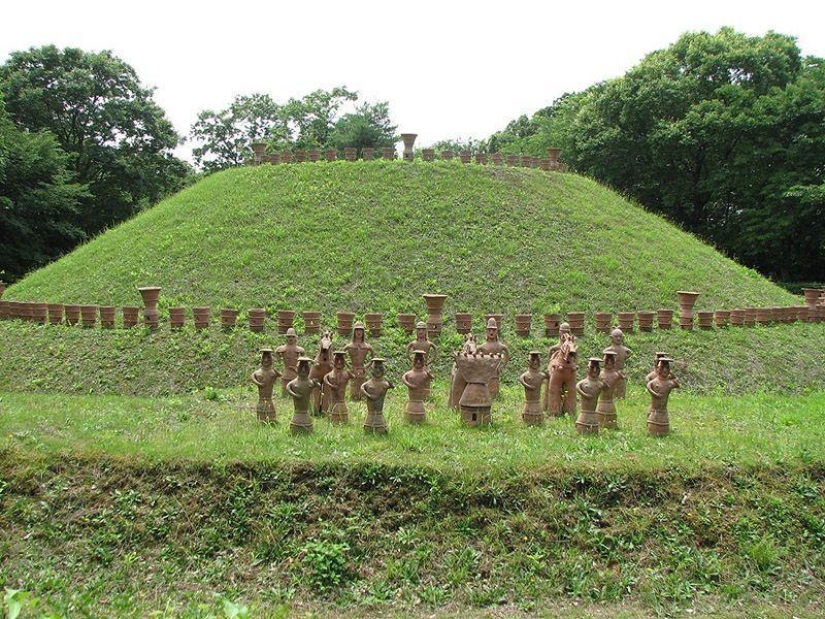
9. The mounds are divided by segments, the so-called "steps", going from the base of the kofun to the top of the hill. Kofun in 1-2 steps usually belonged to representatives of the local aristocracy, starting from 3 steps, imperial kofun were erected. Emperor Nintoku's tomb has 7 steps.
10. Imperial kofun remain unexplored to this day, since in Japan they are considered not as cultural monuments, but as private burials.
11. Minor scientific work may be carried out only during restoration work.
Recent articles

It's high time to admit that this whole hipster idea has gone too far. The concept has become so popular that even restaurants have ...

There is a perception that people only use 10% of their brain potential. But the heroes of our review, apparently, found a way to ...
Related articles

Yuuki Morita is a promising young sculptor and artist from Japan. The source of inspiration for him was nature, its diversity and ...

Beautiful decoration of dishes is no less important than its taste. People first "eat" with their eyes, and only then try what is ...

Japanese artist gives zest to the ancient engravings in the style of Ukiyo‑e, he turns the traditional Japanese illustrations ...
New Year's is a time to surprise and delight loved ones not only with gifts but also with a unique presentation of the holiday ...