
Hypnotic portraits hidden in fantasies
Berlin artist Lee Wagstaff (Lee Wagstaff) paints paintings with a double bottom. At first glance, they seem to be a set of intricate patterns. But if you step back a step, faces appear on them. These bizarre portraits are generated by artificial intelligence. Wagstaff hides them in abstraction, exploring the interpenetration of man and art.
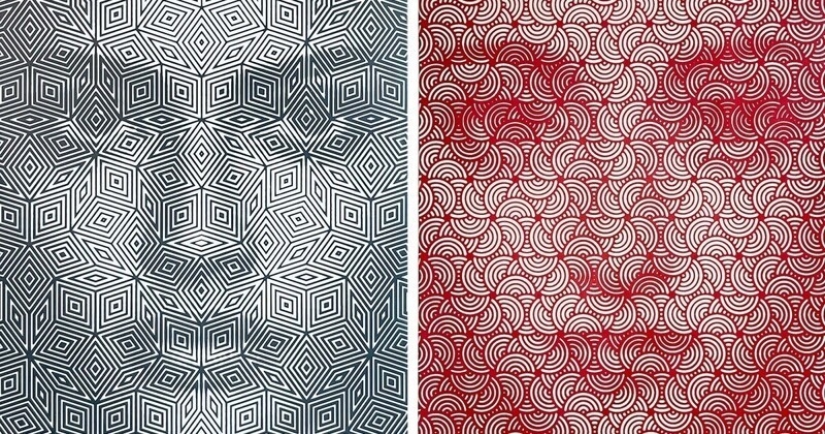
To integrate the portrait into the pattern, Wagstaff makes small changes to the design. In the work "Morphic Resonance", for example, he expands the strokes of the rings in key areas of the face - eyebrows, eyes, nose and lips - creating shadows instead of facial features. The degree of sophistication that he can add to a portrait depends on the subtlety of the pattern. For example, more embossed designs such as "Fountain Head" reveal a slightly simpler face than more intricate patterns such as "Definable Aspect".
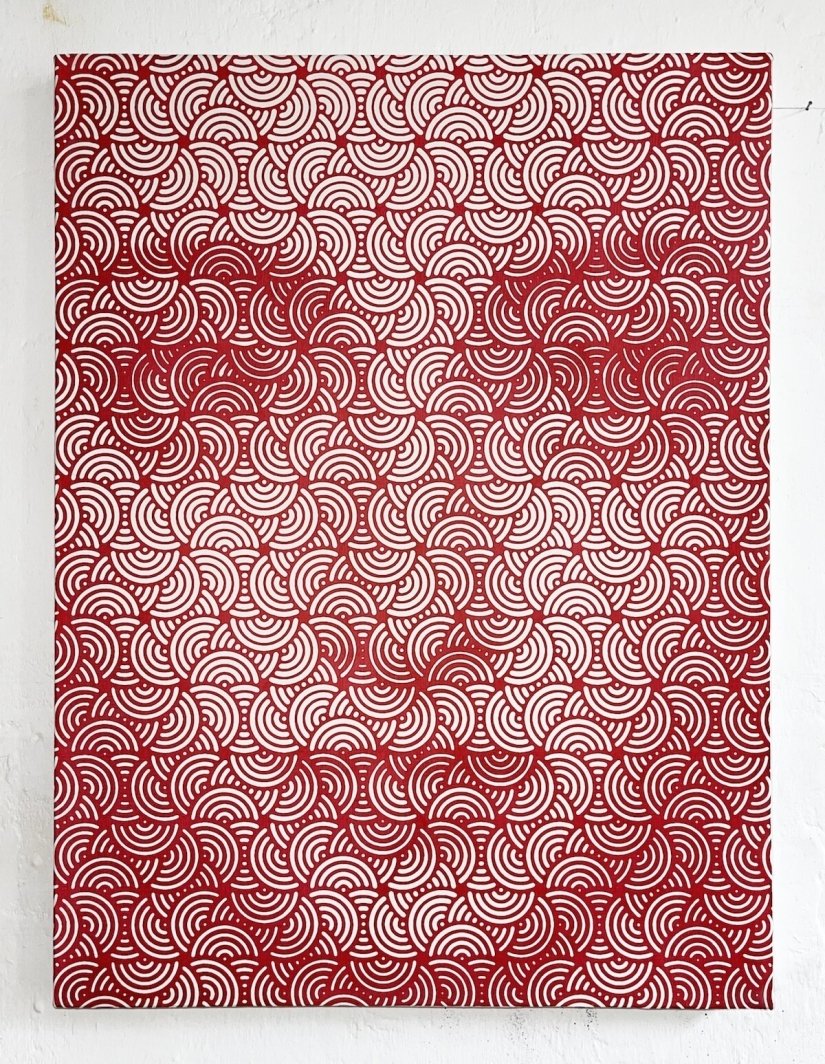
"Morphic resonance"
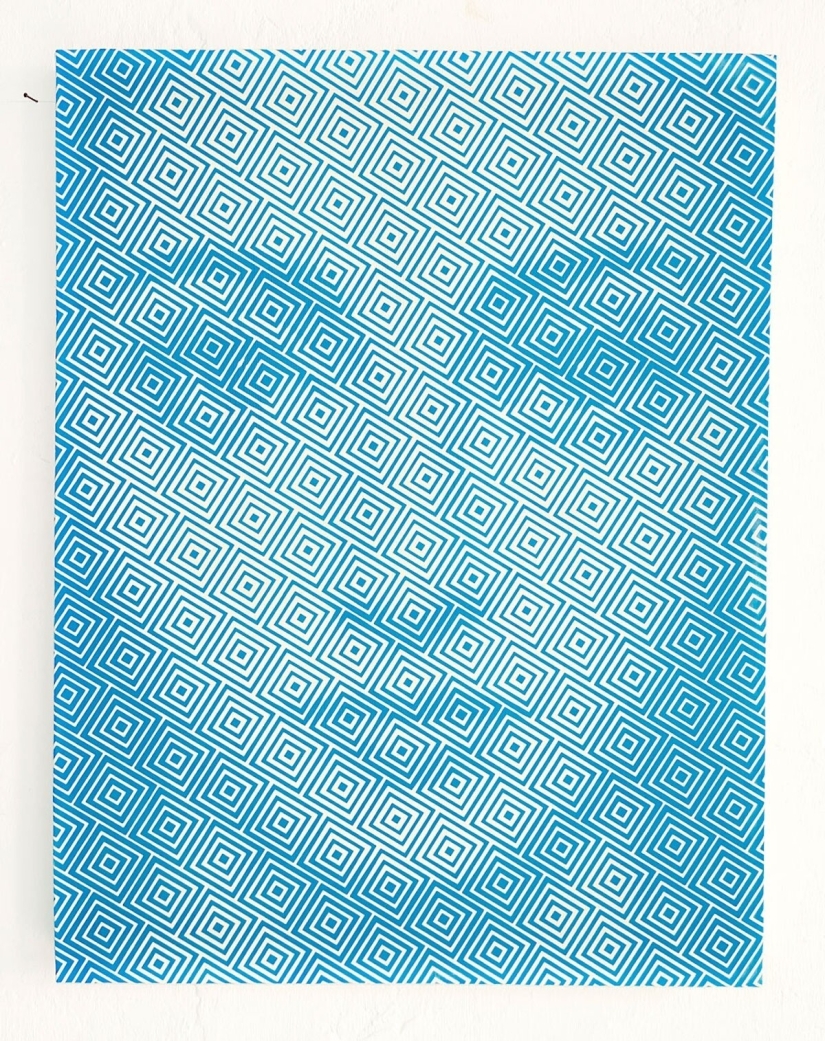
"The coming form of things"
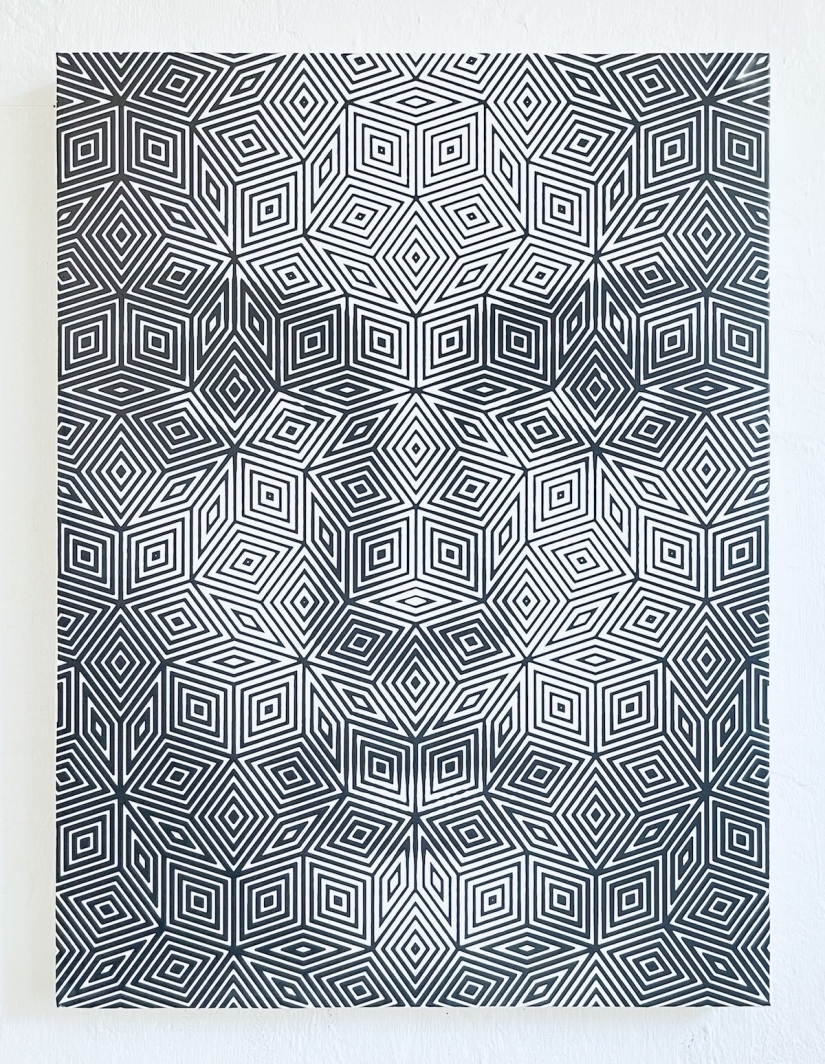
"Defined aspect"

"Monument"
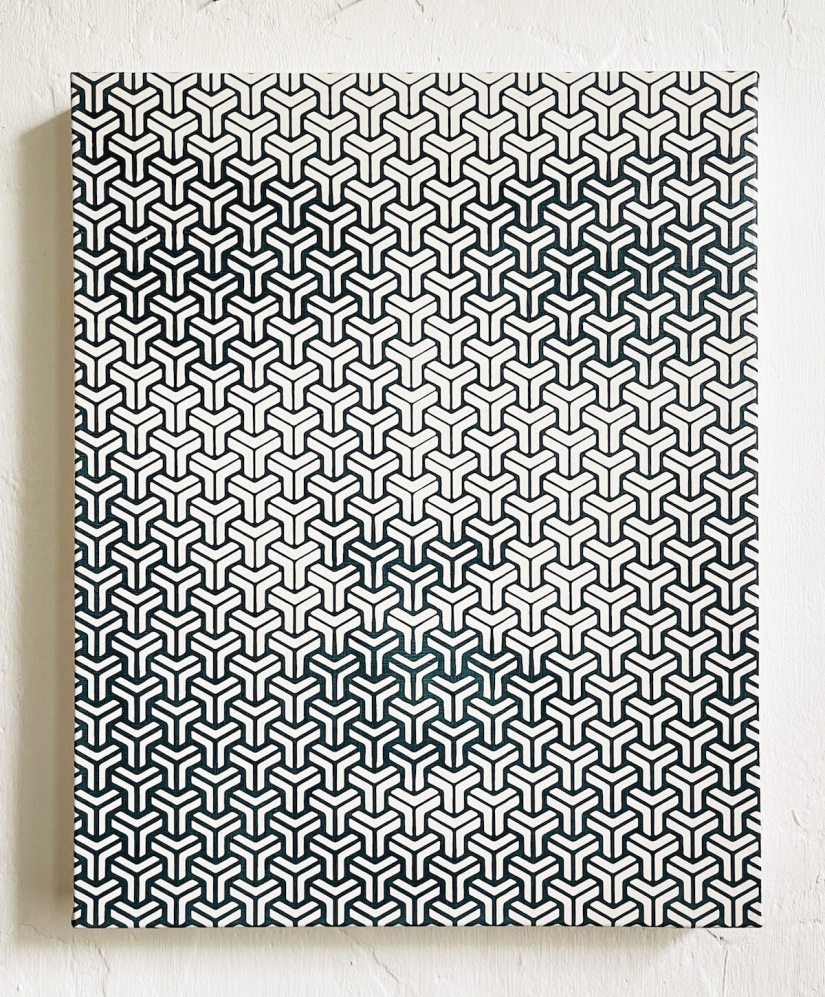
"Double"
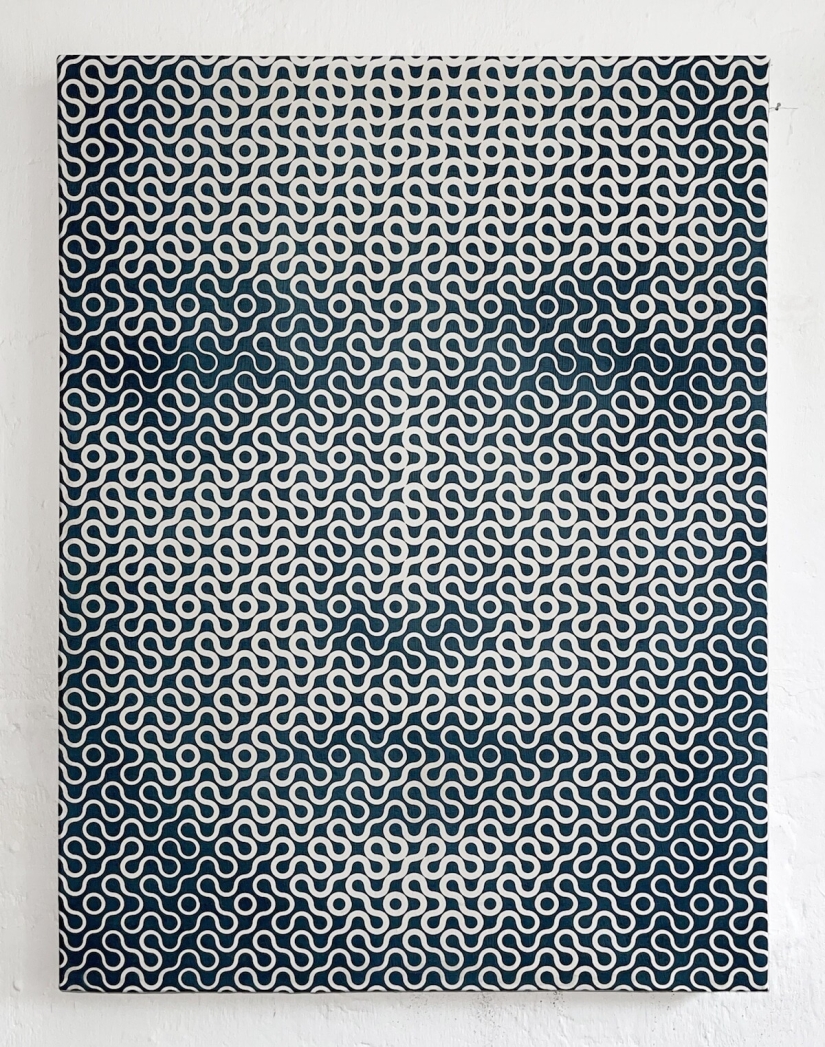
"Special actions"

"Crown of the fountain"
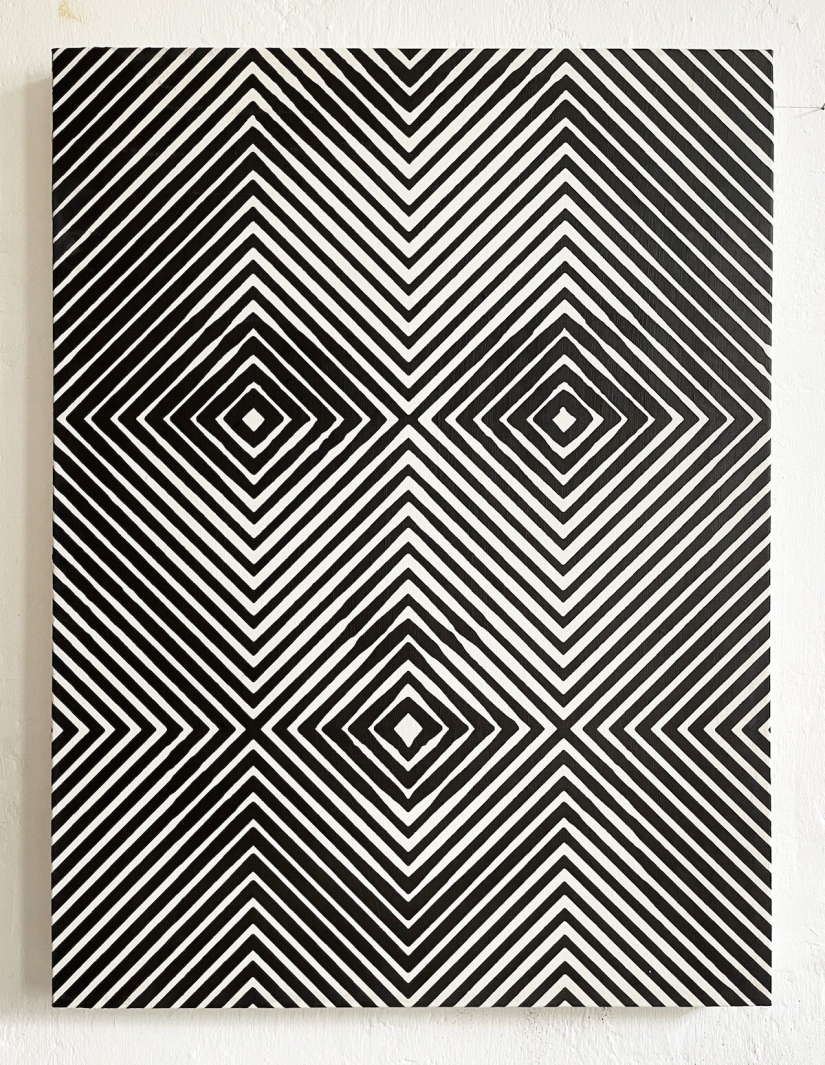
"Resistance to order"
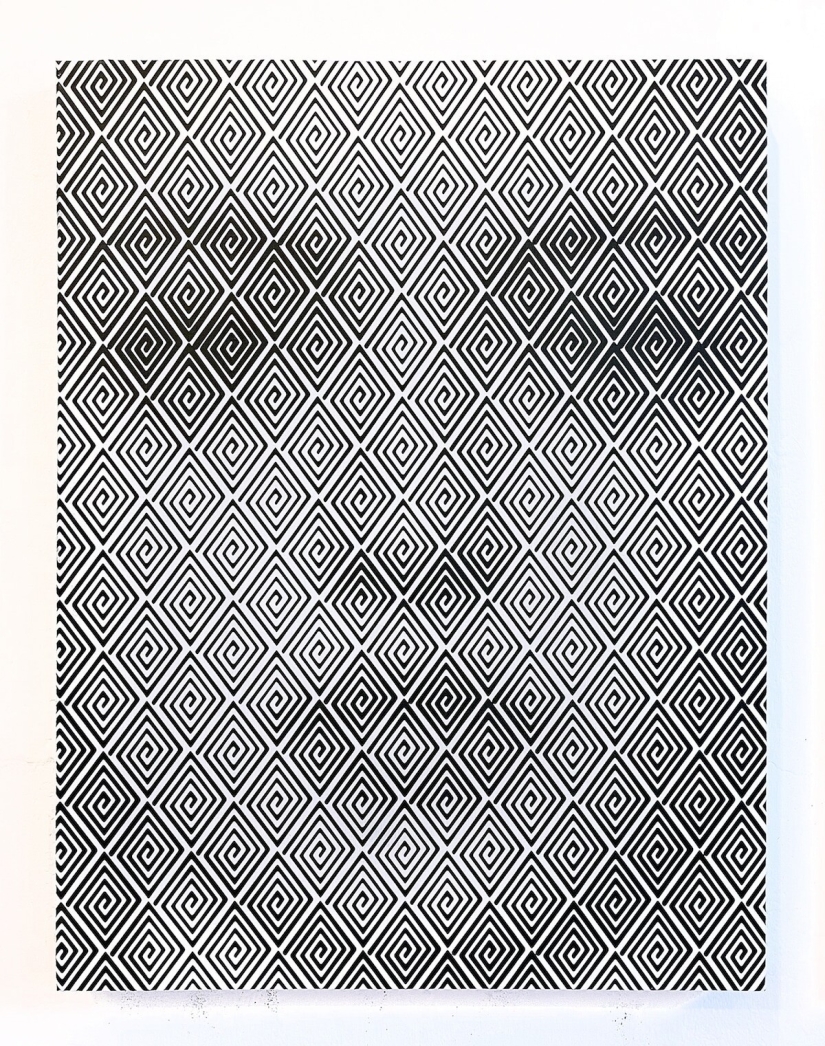
"We managed to survive"

"Nature loves novelty"
Recent articles

It's high time to admit that this whole hipster idea has gone too far. The concept has become so popular that even restaurants have ...

There is a perception that people only use 10% of their brain potential. But the heroes of our review, apparently, found a way to ...
New Year's is a time to surprise and delight loved ones not only with gifts but also with a unique presentation of the holiday ...