
Do you like seafood? Then you regularly eat plastic
Categories: Ecology | Food and Drinks | Health and Medicine
By Pictolic https://www.pictolic.com/article/do-you-like-seafood-then-you-regularly-eat-plastic.htmlSeafood is traditionally considered very healthy. However, an experiment conducted in Belgium calls this into question. It turned out that seafood lovers annually swallow up to 11 thousand plastic particles. Part of the plastic settles in the body, causing health problems.
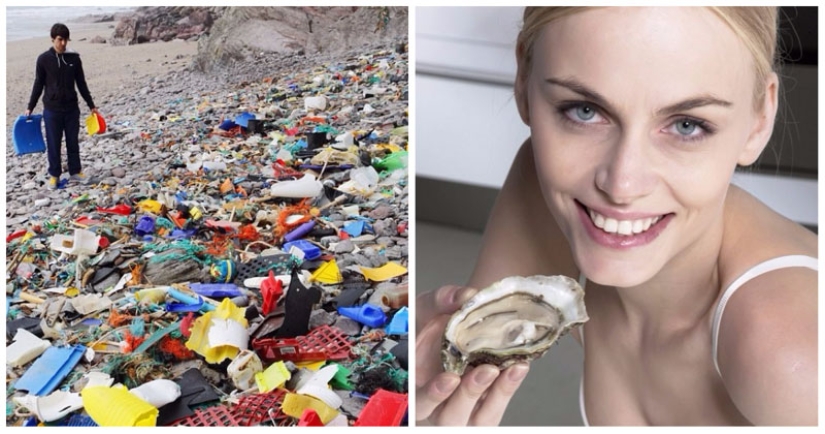
Scientists from the University of Ghent conducted studies that showed that an average serving of mussels contains approximately 90 tiny pieces of harmful material, and six oysters — 50. The blame, of course, is the pollution of the world's oceans.
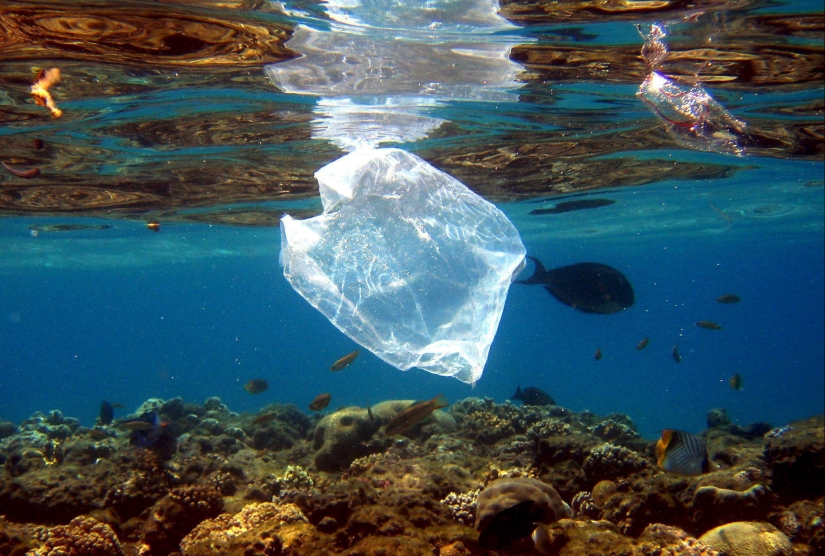
Plastic bags are the most common type of garbage in the ocean.
The problem is in a bad environmental situation — the world's oceans are very heavily polluted with plastic garbage. In some places, these wastes form so-called "islands". Together with the water, plastic particles enter the body of fish and other inhabitants of the seas. For example, mussels pass through themselves up to 20 liters of water per day, thereby obtaining not only food, but also waste. The plastic deposited in the animals enters the human body. Experts estimate that more than 99% of plastic is removed naturally, but some of it is still absorbed by the tissues and accumulates.

Scientists at the University of Ghent and the University of Exeter are studying the impact of plastic waste on the inhabitants of the world's oceans, in particular oysters and mussels.
Careful analysis has shown that the smallest plastic fragments are now infected with almost all the inhabitants of the ocean. Crushed by the waves into the smallest dust, the plastic pierces into living tissues and gets stuck there forever. Thus, anyone who eats fish, shellfish or algae, swallows these microscopic particles of plastic.
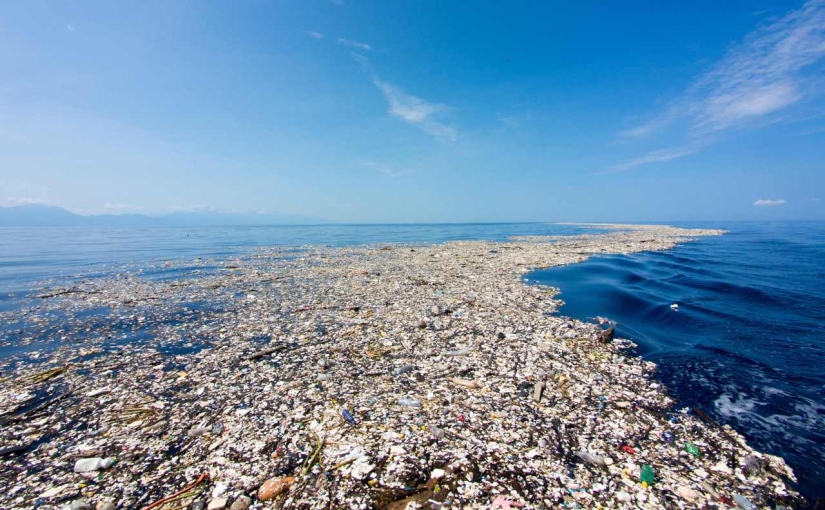
In the World's oceans, there is a whole Eastern garbage continent, or Pacific Trash Vortex — Pacific "garbage"), - a collection of garbage of anthropogenic origin in the northern part of the Pacific Ocean.
After careful analysis, the scientists concluded that 99% of the plastic ingested by humans along with seafood is safely removed from the digestive system. But 1% of this toxic waste still manages to dig into the intestinal walls and begin its migration throughout the body.
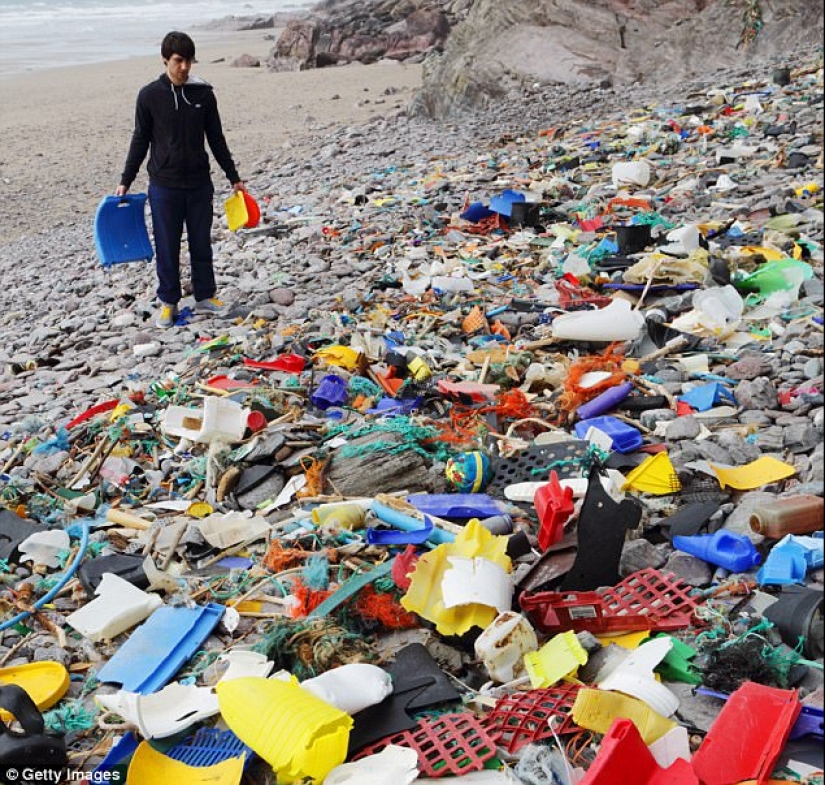
Today, one truck full of plastic garbage is dumped into the ocean waters around the clock every minute (!).
If the problem of pollution of the World's oceans worsens, then by the end of this century, every seafood lover (whether elite or ordinary quality) will swallow 780 thousand plastic particles annually, and at least 4,000 of them will be stuck in his body forever.
Keywords: Ecology | Health and medicine | Ocean | Plastic | Seafood | Food and drinks
Post News ArticleRecent articles

It's high time to admit that this whole hipster idea has gone too far. The concept has become so popular that even restaurants have ...

There is a perception that people only use 10% of their brain potential. But the heroes of our review, apparently, found a way to ...
Related articles

Immunity to poisons at all times been the dream of all authority. List of popes, kings and emperors, gave his soul to God through ...

Have you heard of such a phenomenon as the doorway effect? Let's put it simply: have you ever walked into a room and immediately ...

Yes, Pets benefit our health and it is proven by science. Their very existence certainly makes us happier, but also prolongs life. ...
New Year's is a time to surprise and delight loved ones not only with gifts but also with a unique presentation of the holiday ...