
Bubonic plague outbreak near the borders of the Russian Federation
Categories: Health and Medicine
By Pictolic https://www.pictolic.com/article/bubonic-plague-outbreak-near-the-borders-of-the-russian-federation.htmlWhile the world is struggling with the coronavirus pandemic, Mongolia is facing another danger. There has been an outbreak of bubonic plague in the west of the country. About 400 people may be carriers of a dangerous disease in close proximity to the Russian borders.

According to the CentralAsia agency, in Western Mongolia, in the province bordering Russia (aimag) Khovd registered a case of infection with bubonic plague of two local residents — a 27-year-old man and a girl (age is not specified).
 According to local media, the sick ate raw groundhog meat. The girl is now in critical condition, doctors are fighting for her life. It is noted that the patient was in contact with a large number of people before she developed symptoms of the plague.
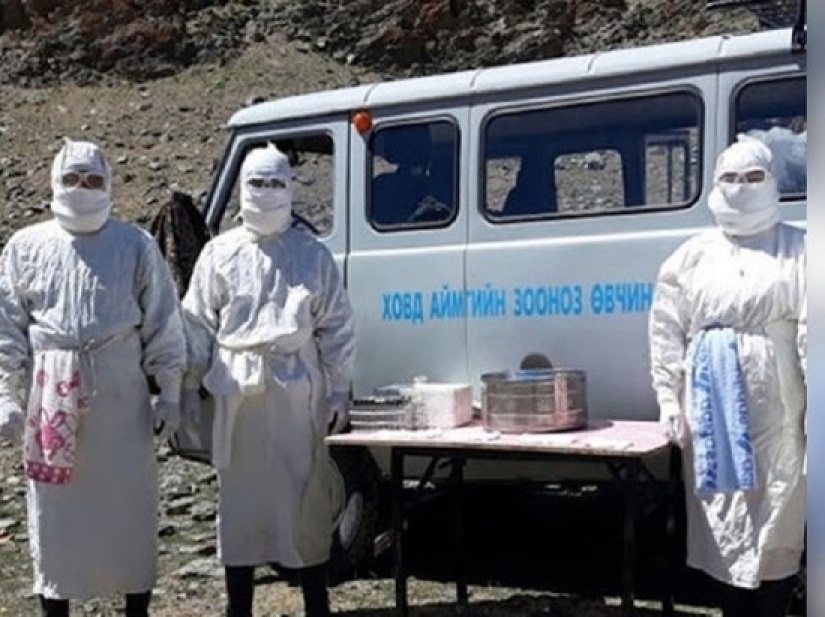
Since June 29, an indefinite quarantine has been declared in the country until the outbreak of a dangerous disease is completely under control. The entry of vehicles into the region, as well as the departure are temporarily suspended.
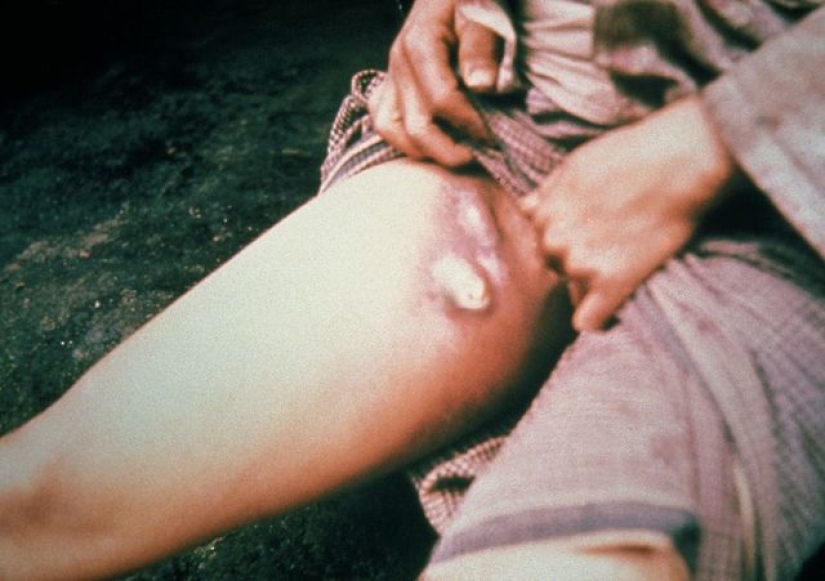 Recall that the plague is a bacterial disease characterized by severe headache, high fever with chills, darkening of the complexion and inflammation of the lymph nodes. Against the background of lymph and lung damage, sepsis begins to develop (inflammatory processes throughout the body), which eventually disrupts the blood supply to organs and death occurs.

In total, the world has experienced several plague epidemics: the first was back in the 1st century and claimed the lives of more than 100 million people, from the second, in the 14th century, 40 million people died, two more smaller-scale ones struck humanity in the middle of the 17th century and the beginning of the 18th: then the death toll did not exceed 1 million. The last major outbreak was recorded at the end of the 19th century in Asia (6 million people died in India alone), but cases of infection are still being registered: in the same Mongolia, two people died from the plague in 2019.
Keywords: Borders | Quarantine | Mongolia | Plague | Epidemic
Post News ArticleRecent articles

It's high time to admit that this whole hipster idea has gone too far. The concept has become so popular that even restaurants have ...

There is a perception that people only use 10% of their brain potential. But the heroes of our review, apparently, found a way to ...
Related articles

The Mongols seized in the 13th and 14th centuries, a large part of the Eurasian continent, was a force which could not to resist ...

Millions of people around the world after the new year holidays will try to give up alcohol. Challenge "January-tresuary" launched ...

Many people notice that the rules prescribed to their followers by different religions are very similar to modern health tips ...
New Year's is a time to surprise and delight loved ones not only with gifts but also with a unique presentation of the holiday ...