
Women's destinies in the paintings of the Egyptian artist Walid Ebeid
Categories: Culture | Exhibition
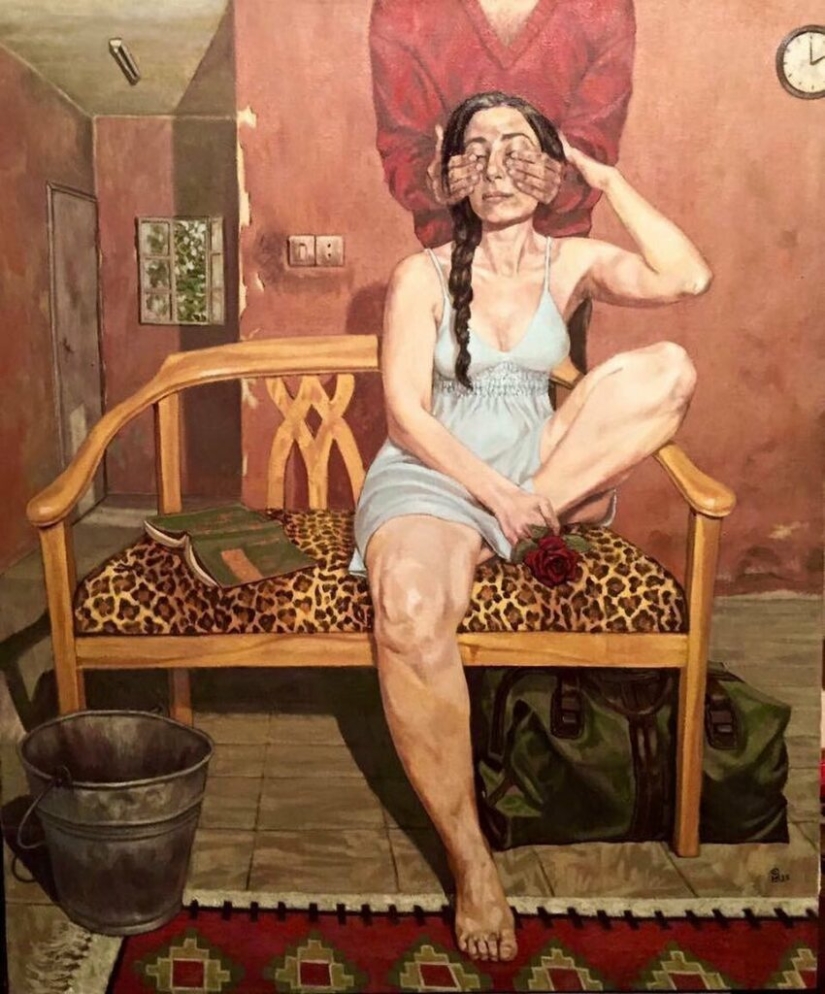
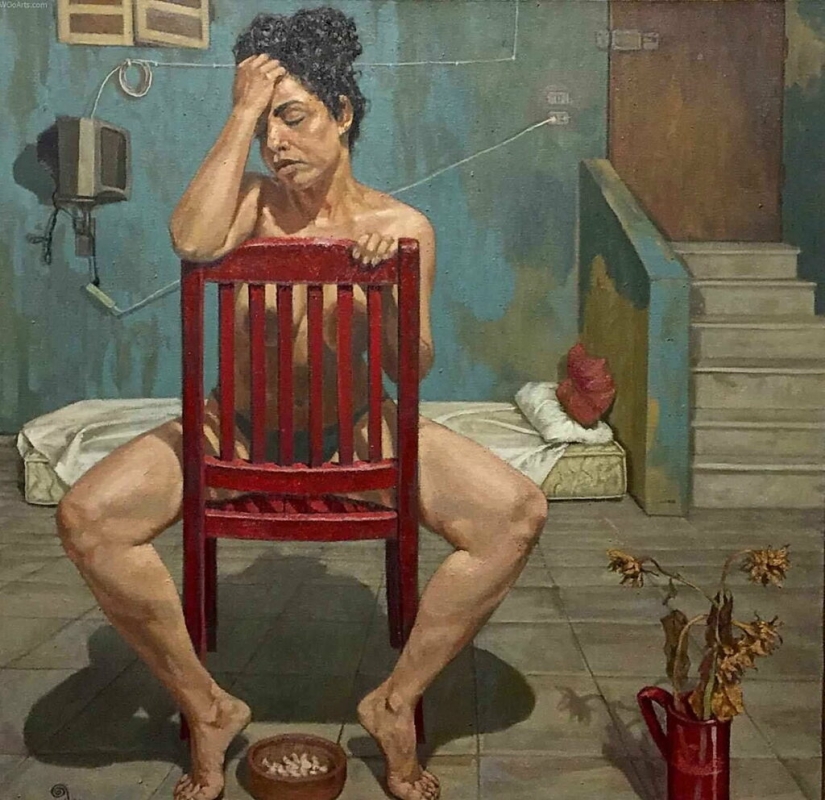
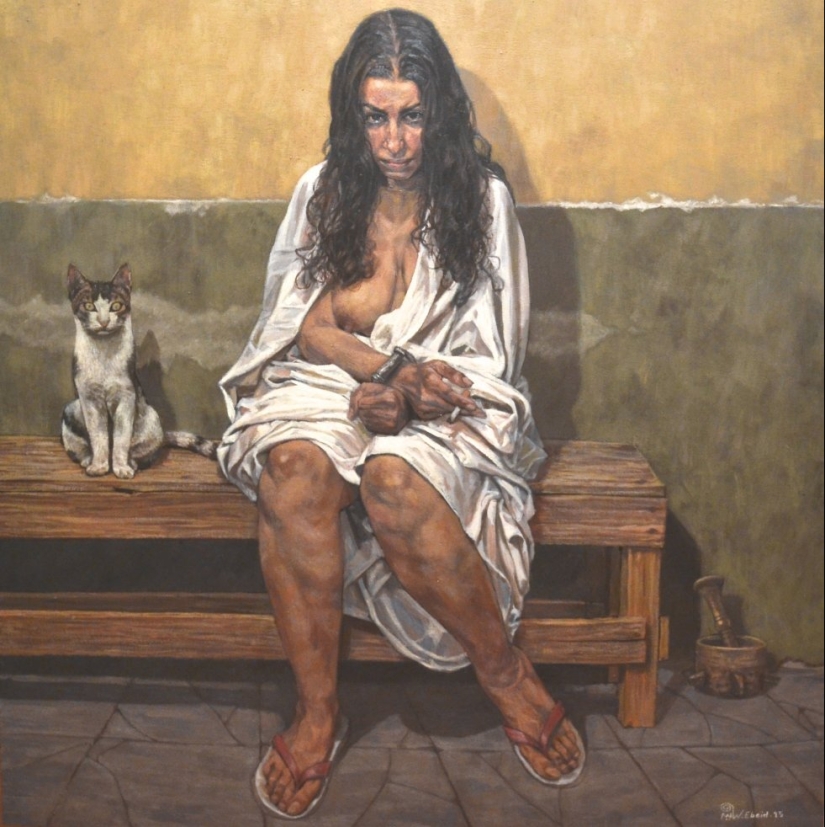
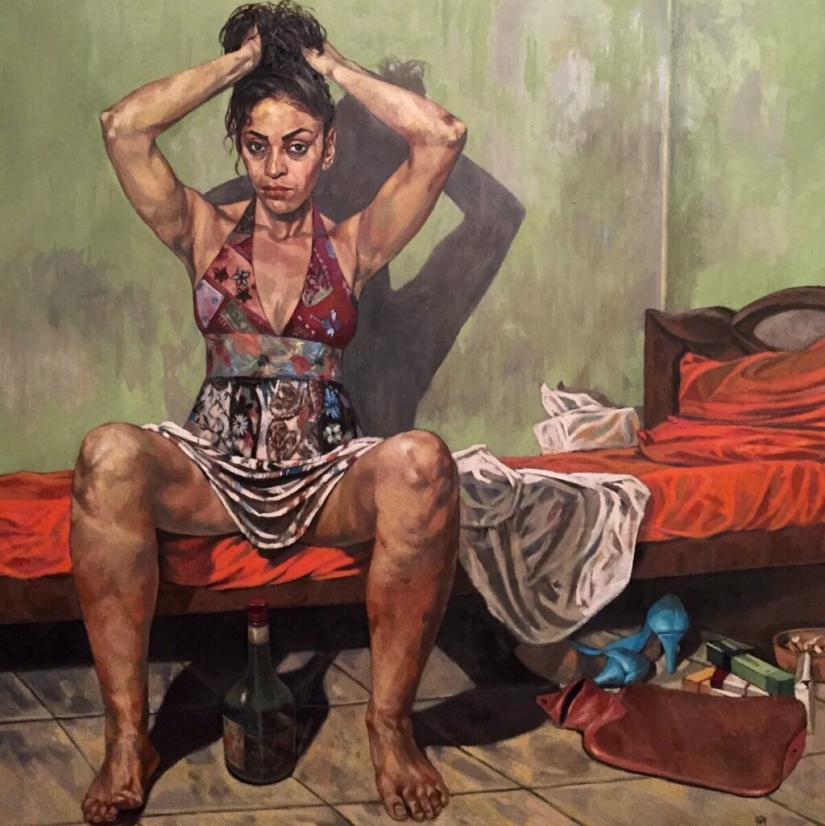
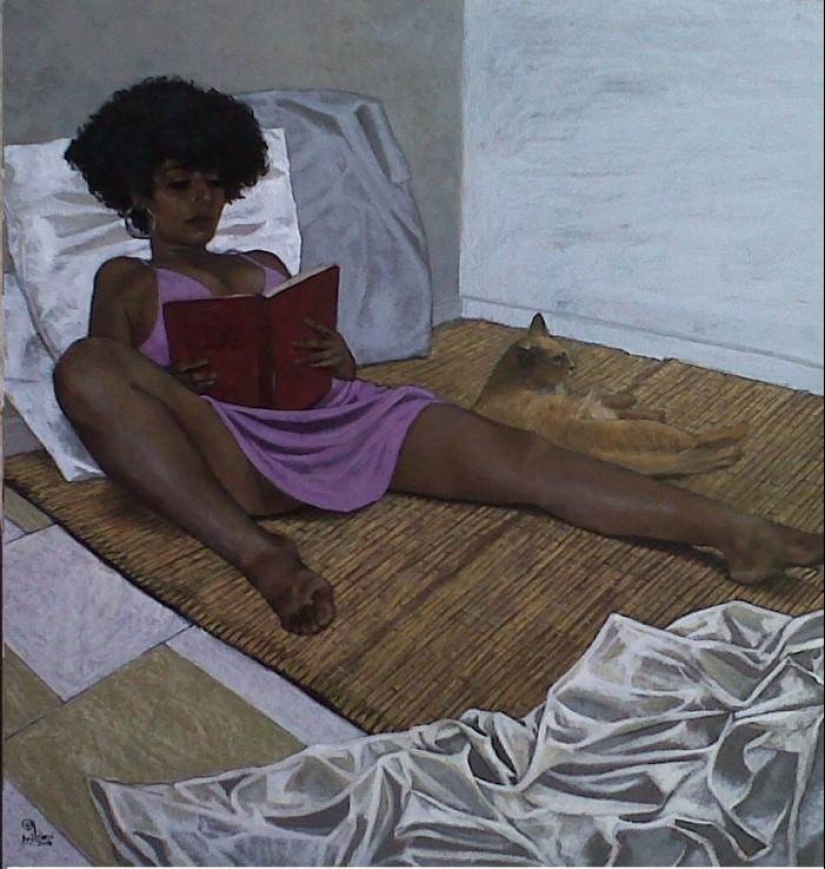
By Pictolic https://www.pictolic.com/article/women39s-destinies-in-the-paintings-of-the-egyptian-artist-walid-ebeid.htmlEgyptian artist Walid Ebeid is the author of very expressive works that many consider dark. He is sometimes called a “feminist”, because most of the artist’s paintings are dedicated to women and their problems. The heroines of Ebeid’s paintings are immersed in their own thoughts and affairs. They have a difficult life, but they are still feminine and attractive. (Warning! Nudity).

Walid Ebeid was born in 1970 in Cairo, Egypt. He began drawing at the age of 6, and after school he entered the Cairo University of the Arts. In 1992, Ebeid received his diploma, remaining in the institution's gallery of fame as one of the best students.
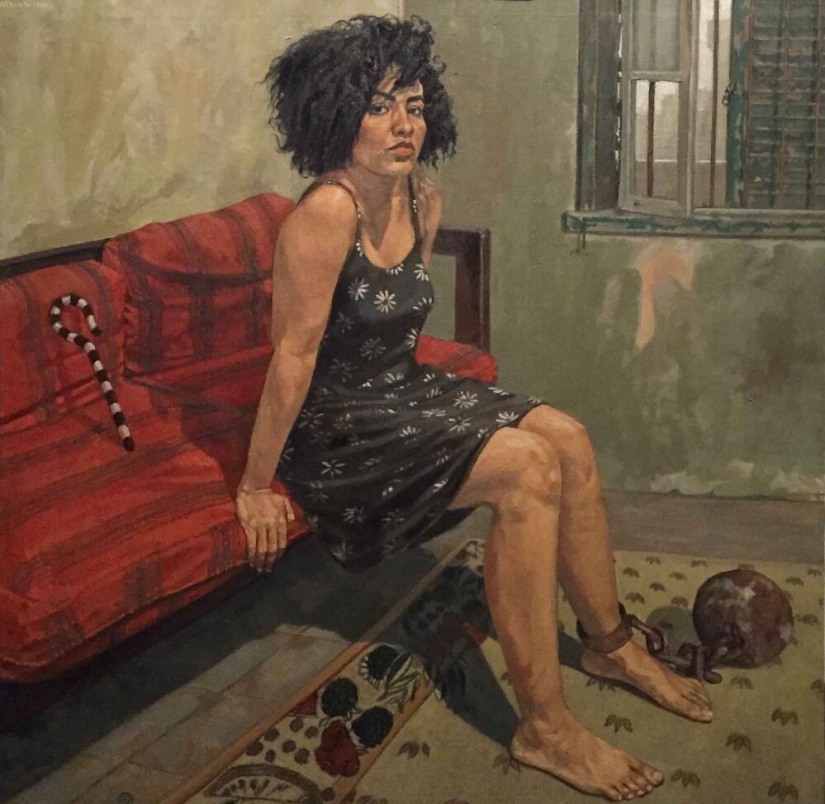
Immediately after university, Walid Ebeid began participating in exhibitions. The artist’s first personal exhibition was entitled “People You May Know.” His works are very popular in Egypt and can be seen in many galleries in the country as well as abroad.
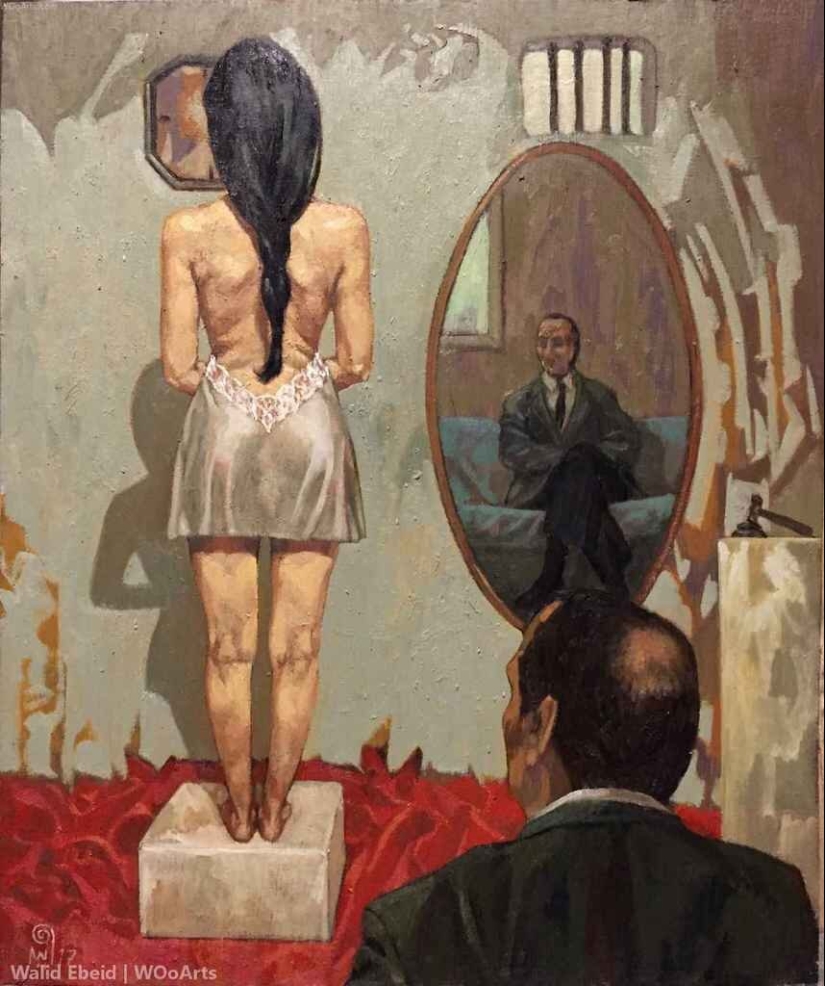
It’s worth saying right away that what an artist does requires a certain amount of courage. Do not forget that Egypt is a Muslim country with a special attitude towards women and art.
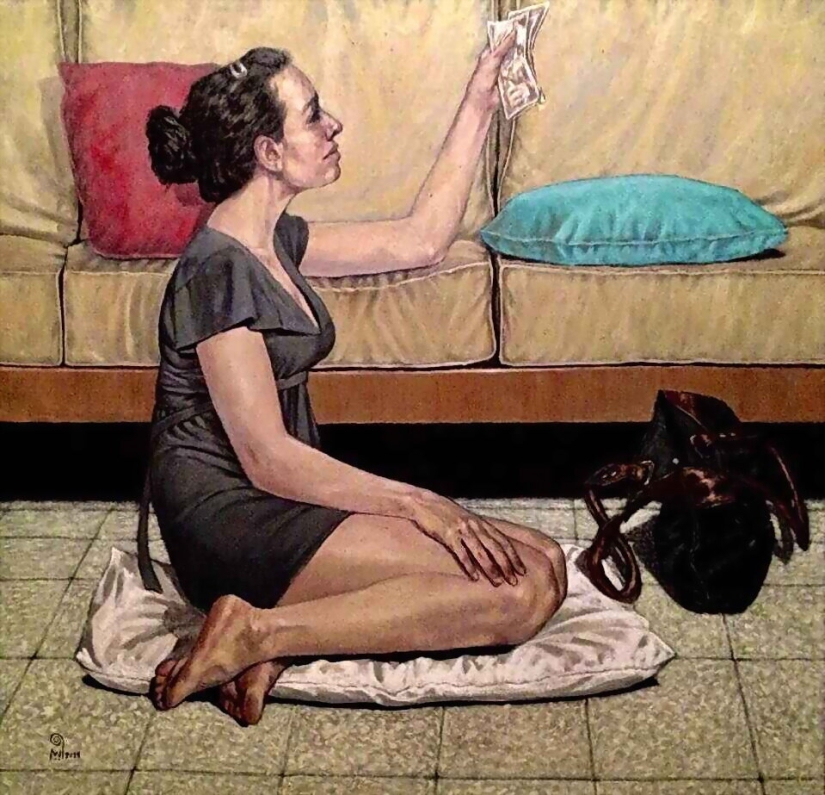
This is what one of the famous Egyptian critics wrote about Ebeid. The artist was repeatedly asked the question why the heroines of his paintings are women. The painter says that he does not yet know the answer to this, but it is possible that he began to create precisely because of women.
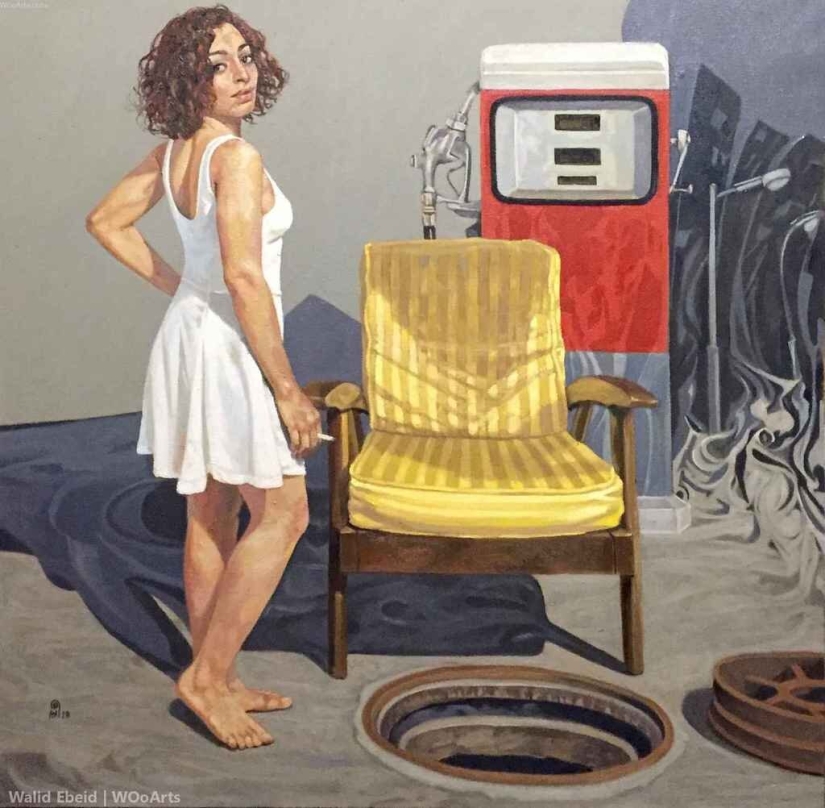
As for the highly social themes of the films, everything is simpler. Walid Ebeid explains the desire to talk about problems this way:

Walid Ebeid doesn't like being called a "feminist." The artist believes that his attitude towards women is nothing to joke about. In Egypt, women are often oppressed and denied rights. Therefore, a sense of justice forces the master to tell the world about their destinies.








Recent articles

It's high time to admit that this whole hipster idea has gone too far. The concept has become so popular that even restaurants have ...

There is a perception that people only use 10% of their brain potential. But the heroes of our review, apparently, found a way to ...
New Year's is a time to surprise and delight loved ones not only with gifts but also with a unique presentation of the holiday ...