
Why Russian surnames have different endings?
We all know that the real Russian names end in "-in" or "s". In a pinch, in "-EV" or "likewise." Why do these groups of names one people different the end? The answer to this question has long been found by our linguists and is not a mystery.
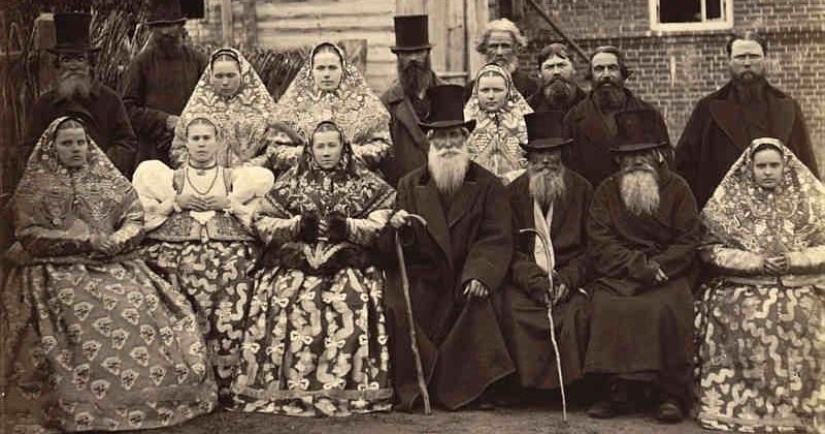
According to statistics, names ending in "-ov" or "-EV" in Russia are up to 70% of the indigenous population. Traditionally, these names have descent. Initially the name was given by the father, instead of a patronymic. Therefore, Seeds of the father whose name was Ivan, was called Semyon Ivanov.
After the XIII century, when surnames began to be used widely, they were to give on behalf of the elder in the family. Thus Ivanov was not only the son of Ivan, and his grandson and even great-grandchildren. But not all Russian names have been associated with generic names.
Some of the names come from nicknames that were given in accordance with the external characteristics or personal qualities of the person. People with a curved neck could give to posterity a name Krivosheina, and cunning — Khitrovo.
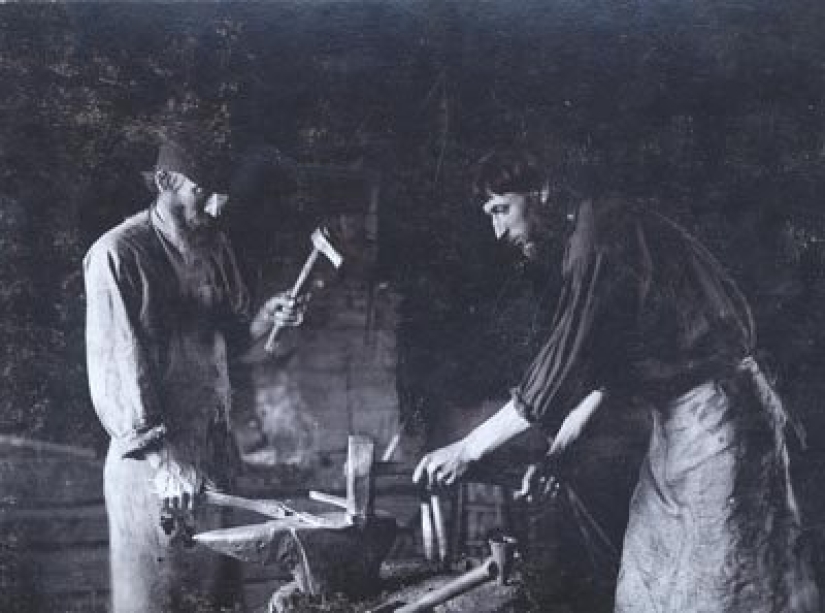
The third large group of the Russian surnames associated with the occupations of man. Kuznetsov is the son of a blacksmith, potters the Potter, and the son of a priest could become Popov. This name is passed to their children, and then on to descendants.
Names ending in "-EV" was received by those whose ancestors wore nicknames or had a name with the letter "d" at the end. The son of man, who was called the Bear became Medvedev, and the son of a man named Ignatius, was given the name of Ignatiev.About 30% of the Russian bear names ending "-ung" or "-in". They can also occur from occupations and nicknames, and could be derived derived from feminine nouns, at the end of which was a soft sign.
Kuzma Minin — maybe the son ankudinova Mines, the salt works of Balakhna
A well-known name was derived from the common in the Middle ages, in Russia the men's name Mina, and meant "son of the Mines". Some of these surnames came from the names of biblical characters. For example, Semin — derived from the name Simon, which, in turn, comes from the old Testament of Simeon ("heard by God"). Names Ilyin, Nikitin and Fomin appeared in the Russian language exactly the same principle.
Despite these facts, experts say that the above-described end is not always about the Russian origin of its owners. To more or less accurately determine the national identity, it is important to define the word, which formed the basis of the names. Ancestors Sundukova may occur from the Tatars, as the word "chest" of Turkic origin.
Keywords: Names | Origin | The Rus | The name
Post News ArticleRecent articles

It's high time to admit that this whole hipster idea has gone too far. The concept has become so popular that even restaurants have ...

There is a perception that people only use 10% of their brain potential. But the heroes of our review, apparently, found a way to ...
Related articles

The formation of Russian names occurred centuries under the influence of many factors and cultures. Despite this, our imenoslov ...

The secret pages of the history of the British royal family were recently revealed in a new Netflix series called "The Crown" (The ...

Choosing a name for a cafe or store is not an easy task. It is important that it is both beautiful, memorable, and original… ...
New Year's is a time to surprise and delight loved ones not only with gifts but also with a unique presentation of the holiday ...