
Why do the Japanese send bags of rice to their relatives instead of babies
Categories: Asia | Children | Society
By Pictolic https://www.pictolic.com/article/why-do-the-japanese-send-bags-of-rice-to-their-relatives-instead-of-babies.htmlAs in most countries of the world, when a child is born in a Japanese family, relatives come to visit with gifts. Due to the coronavirus pandemic and the need to maintain social distance, guests were stopped receiving guests. Therefore, the Japanese came up with an original way to introduce newborns to relatives. Newly-made parents send packages of rice to their relatives and friends, which weigh as much as their newborn child. Each package has a photo of the baby attached to it. Thus, relatives can hold the "baby" in their arms.
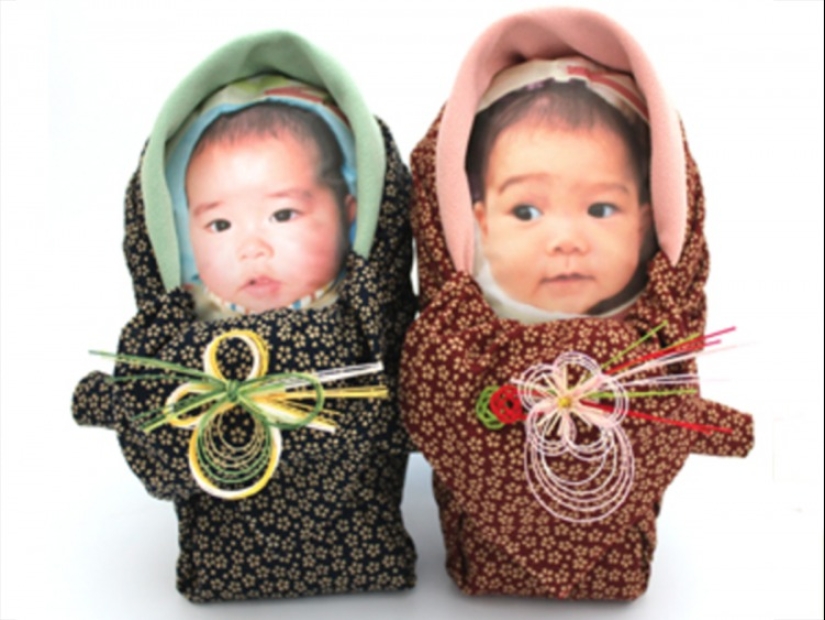
An enterprising shopkeeper in Kitakyushu city sells bags of rice in the shape of babies. "Rice babies" weigh the same as a newborn baby. The package has a photo of the baby and its weight is indicated. The packages are sent to relatives so that they can hold the "newborn" in their arms, looking at his photo.
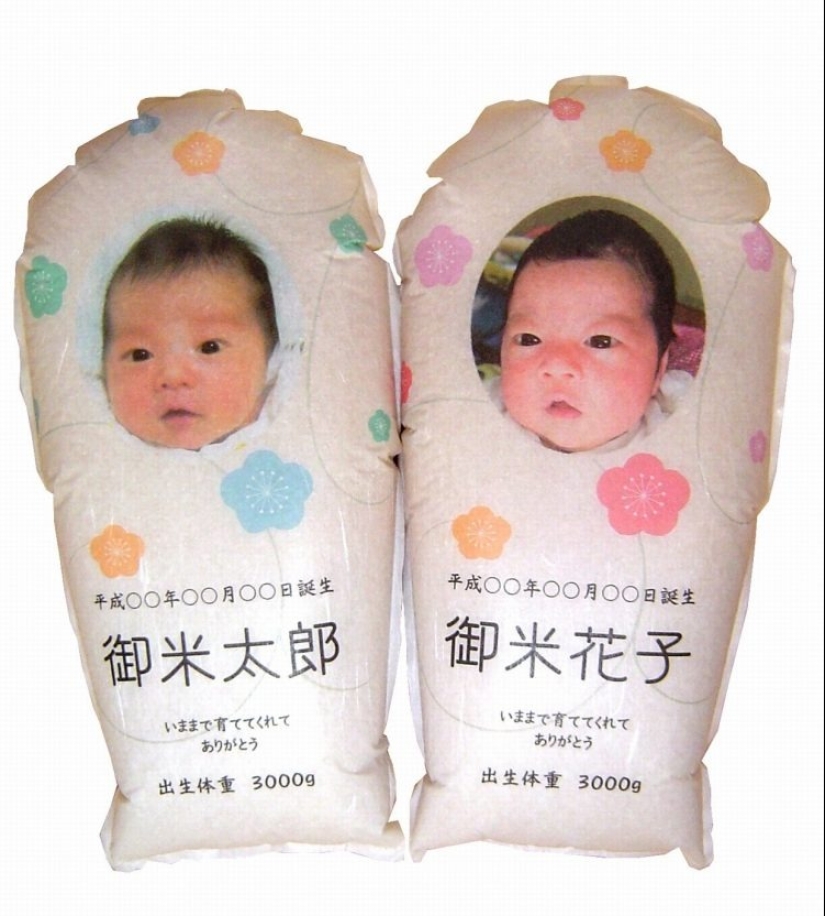
The idea of creating "rice babies" came to Najo Ono 14 years ago, when his son was born. Relatives lived far away and could not come to visit. The man decided to fill the bag with rice and place a photo of the child on it so that his loved ones could see and hold the "baby" in their arms. Once someone saw such a package in the window of his store and appreciated the unusual invention. Since then, Najo began to make "rice babies" to order and send them all over Japan. Several companies picked up on his idea.

Bags of rice are carefully weighed so that they correspond to the weight of the newborn. A package weighing 3.5 kg will cost 3,500 yen (about 2,400 rubles).
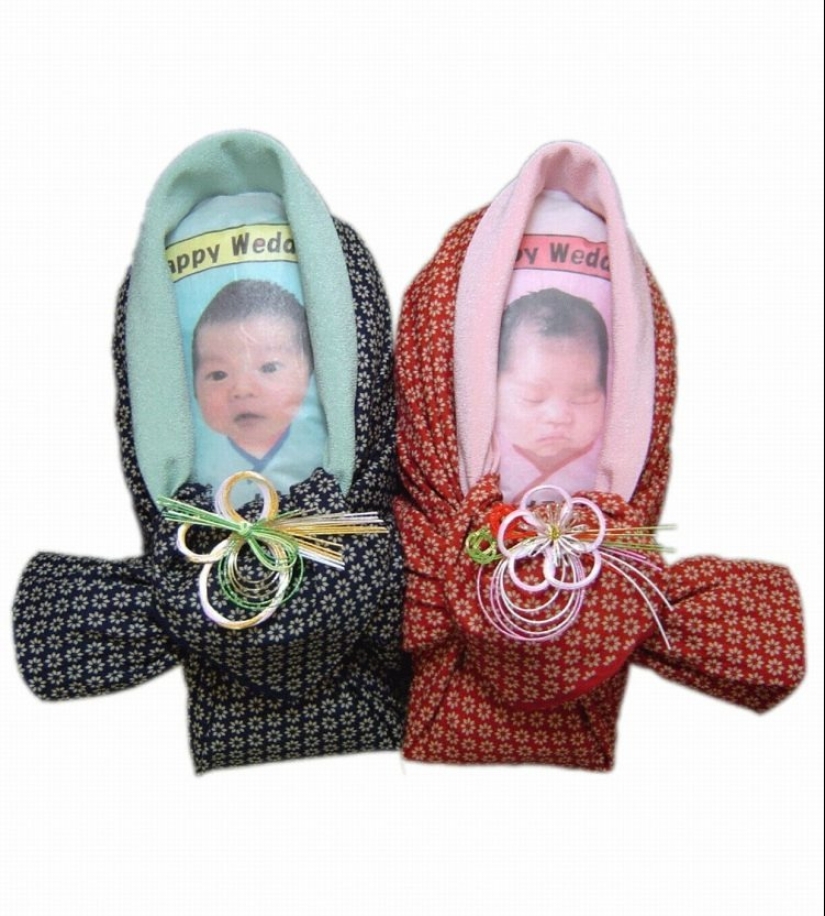
"Rice babies" appeared in Japan in the early 2000s, but their popularity increased with the advent of restrictions during the coronavirus pandemic. Now relatives can be happy for young parents and get acquainted with the baby at home, having received a package that imitates a baby.
The Japanese are known for an unusual approach to raising children. Students of Japanese schools grow fish, and then decide whether to eat it or release it into the ocean.
Keywords: Asia | Japan | Photography | Family | Parents | Children | Rice | Newborns | Society | Relatives | Japanese | Packaging | Package | Toddlers | Uniform | Babies | Acquaintance | Coronavirus | Pandemic
Post News ArticleRecent articles

It's high time to admit that this whole hipster idea has gone too far. The concept has become so popular that even restaurants have ...

There is a perception that people only use 10% of their brain potential. But the heroes of our review, apparently, found a way to ...
Related articles

The Mongols seized in the 13th and 14th centuries, a large part of the Eurasian continent, was a force which could not to resist ...

The Himalayas. Tibet. Something cosmic and ethereal sounds in the names. They attract visitors from all over the world. In front of ...

The Indochina Peninsula, located in southeast Asia, is a favorite place for tourists all over the world. Myanmar, Thailand, Laos, ...
New Year's is a time to surprise and delight loved ones not only with gifts but also with a unique presentation of the holiday ...