
What is a spread and how does it differ from butter and margarine
Categories: Food and Drinks
By Pictolic https://www.pictolic.com/article/what-is-a-spread-and-how-does-it-differ-from-butter-and-margarine.htmlIn our stores, such a product as spread appeared relatively recently. Externally, and to taste, it looks like butter or margarine, but it is neither one nor the other. So what is it, what does it consist of, and most importantly, what threat does it pose to the body when ingested?
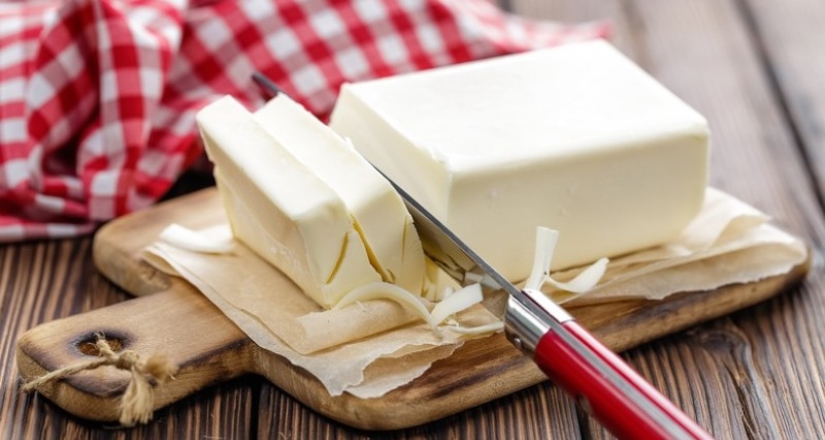
The spread got its name from the English word "spread", that is, smear. This is not a kind of butter at all, but a completely separate product consisting of vegetable and dairy fats. It differs from the oil with a low cholesterol content and a content of polyunsaturated acids.
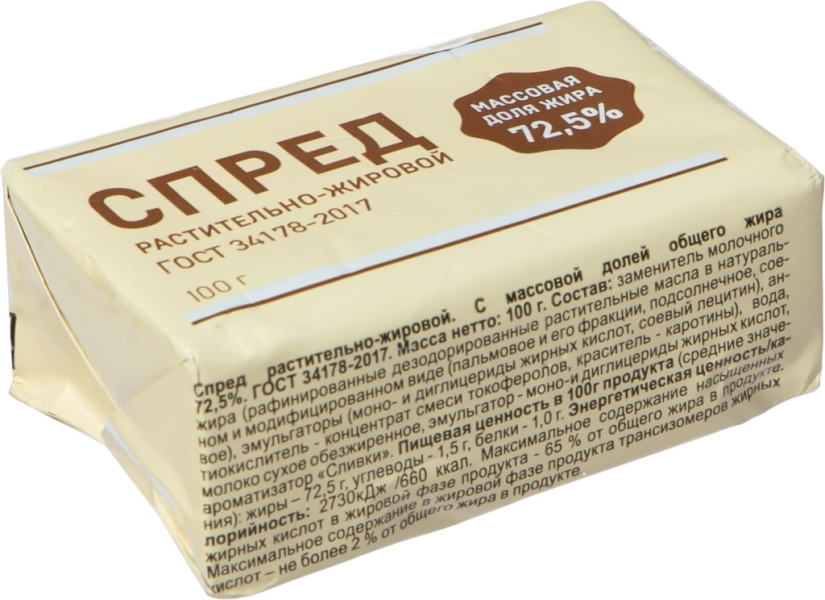
The spread can be used for a variety of purposes. It is spread on bread and cookies, added to various dishes and pastries, and also used for frying. This product, unlike oil, does not burn and does not emit carcinogens after strong heating.
It seems that the spread is almost margarine. But don't jump to conclusions. It is distinguished from margarine by the fat content and their types. Of animal fats, only milk is added to the spread. It can also be in margarine, but the addition of other types is not prohibited.
In the production of modern margarines, any animal fats are used, including fish. Margarine is eliminated from foreign odors with the help of special neutralizing additives and flavors.

But all this can be survived, but the fact that artificially created hydrogenated oils and trans fats are added to margarine is very bad. They are needed to increase the shelf life of the product and are dangerous to humans. These two substances are considered carcinogens and have a negative effect on blood vessels and the digestive system.
It turns out that the spread is much healthier and safer than margarine and even a little better than butter. It has 50 percent fewer calories than butter made from cow's milk. It remains to add that the spread is also noticeably cheaper than its counterparts.
Now spreads are on sale not only from different manufacturers, but also with different compositions. There are creamy-vegetable, vegetable-fat and vegetable-cream.
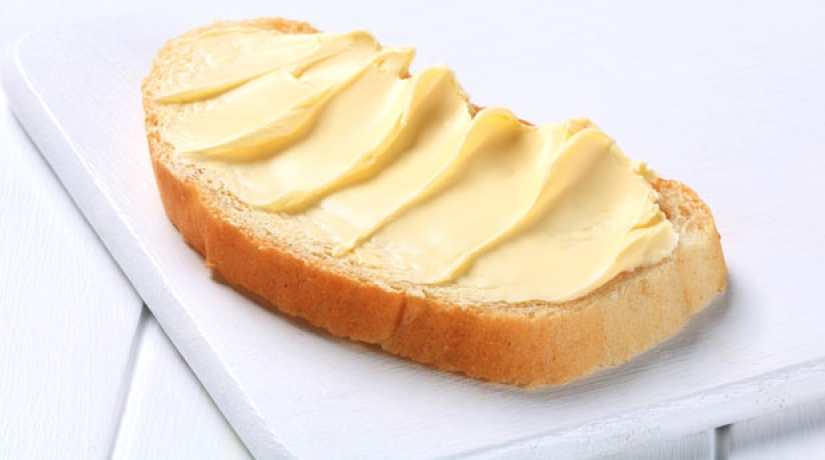
The name of the product gets, as you may have guessed, both in terms of fat content and their predominance. It is quite clear that in the creamy vegetable there is a greater percentage of milk fats, and in the vegetable-cream — on the contrary.
Recent articles

It's high time to admit that this whole hipster idea has gone too far. The concept has become so popular that even restaurants have ...

There is a perception that people only use 10% of their brain potential. But the heroes of our review, apparently, found a way to ...
New Year's is a time to surprise and delight loved ones not only with gifts but also with a unique presentation of the holiday ...