
Vintage photos of Portuguese women in giant hoods from the Azores
Categories: Fashion | Nations | World
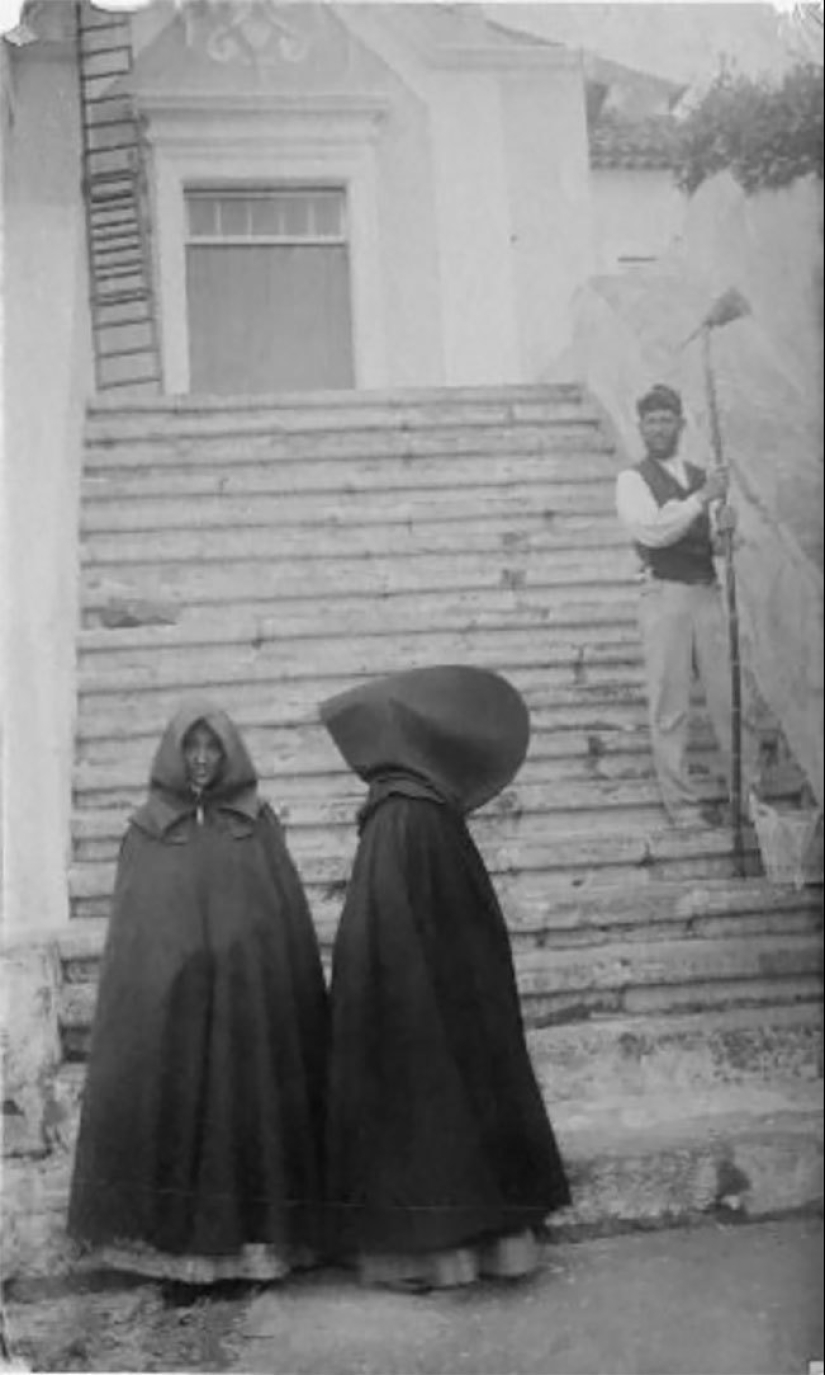
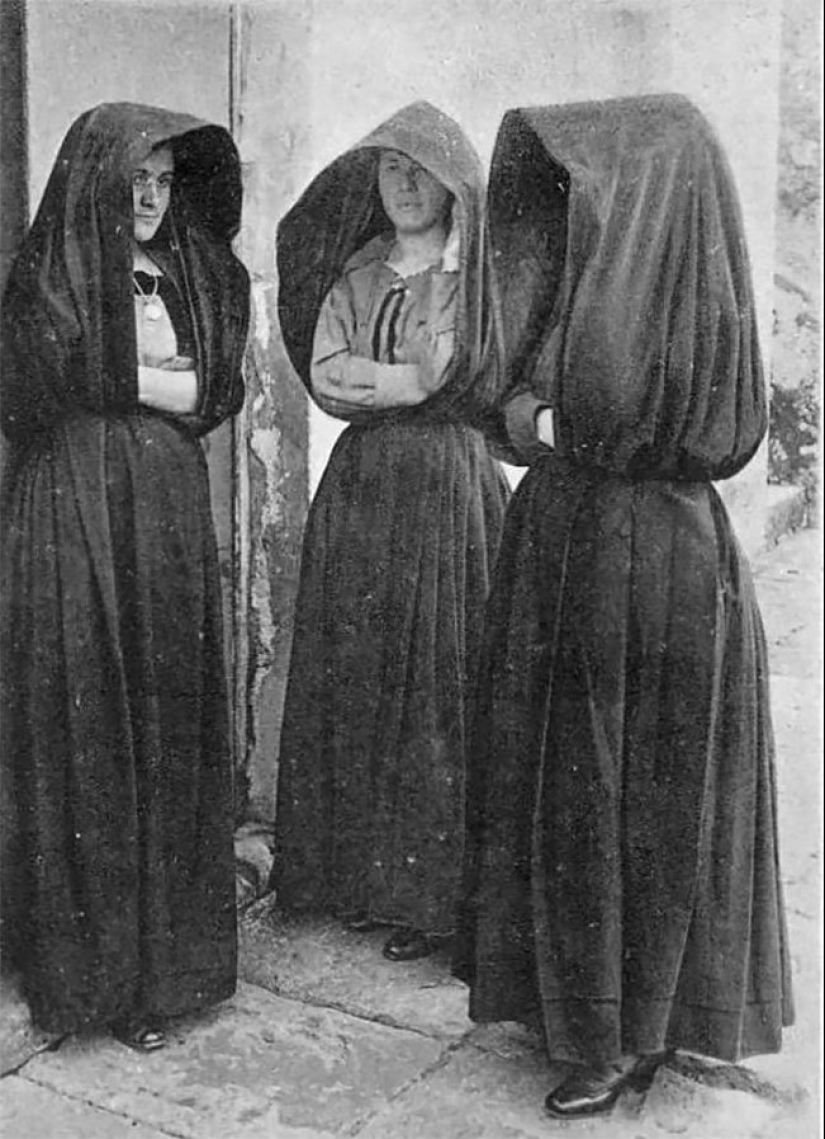
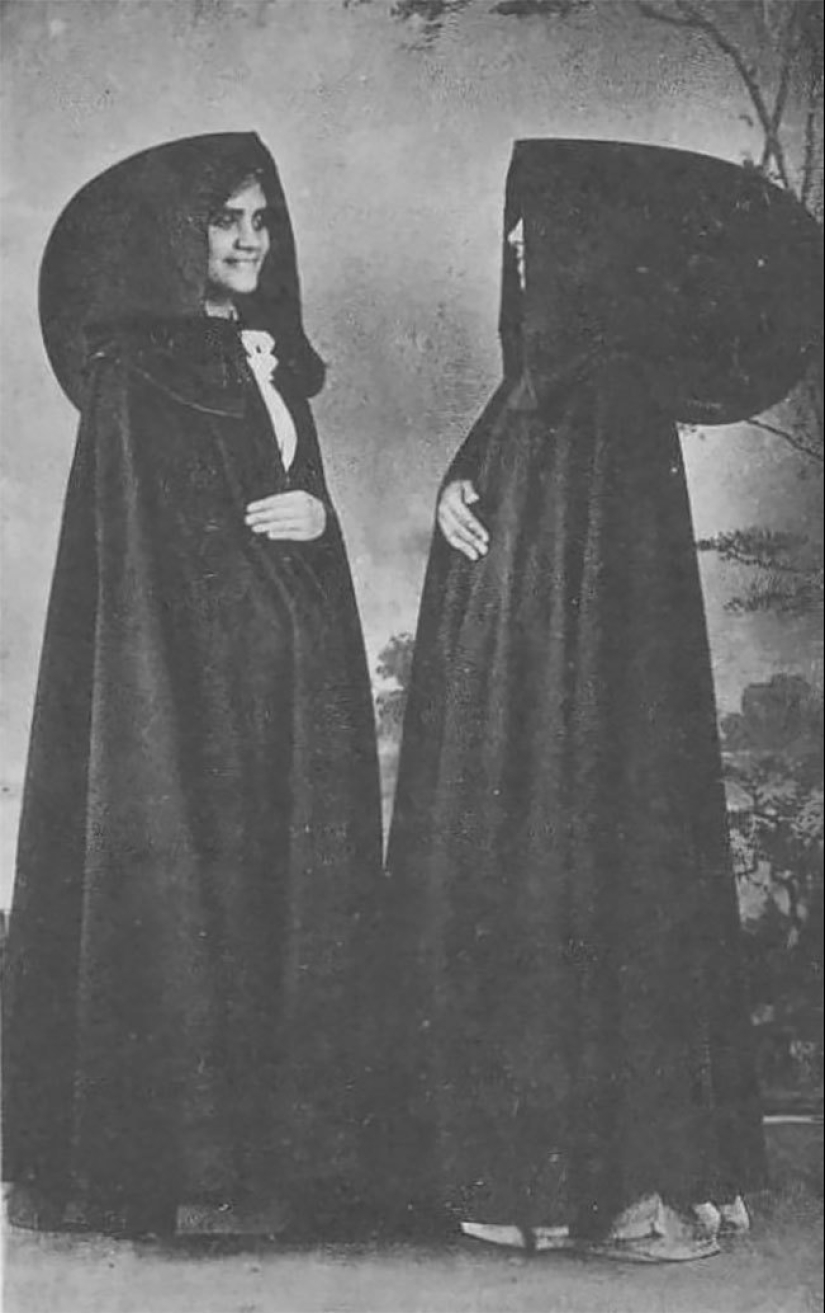
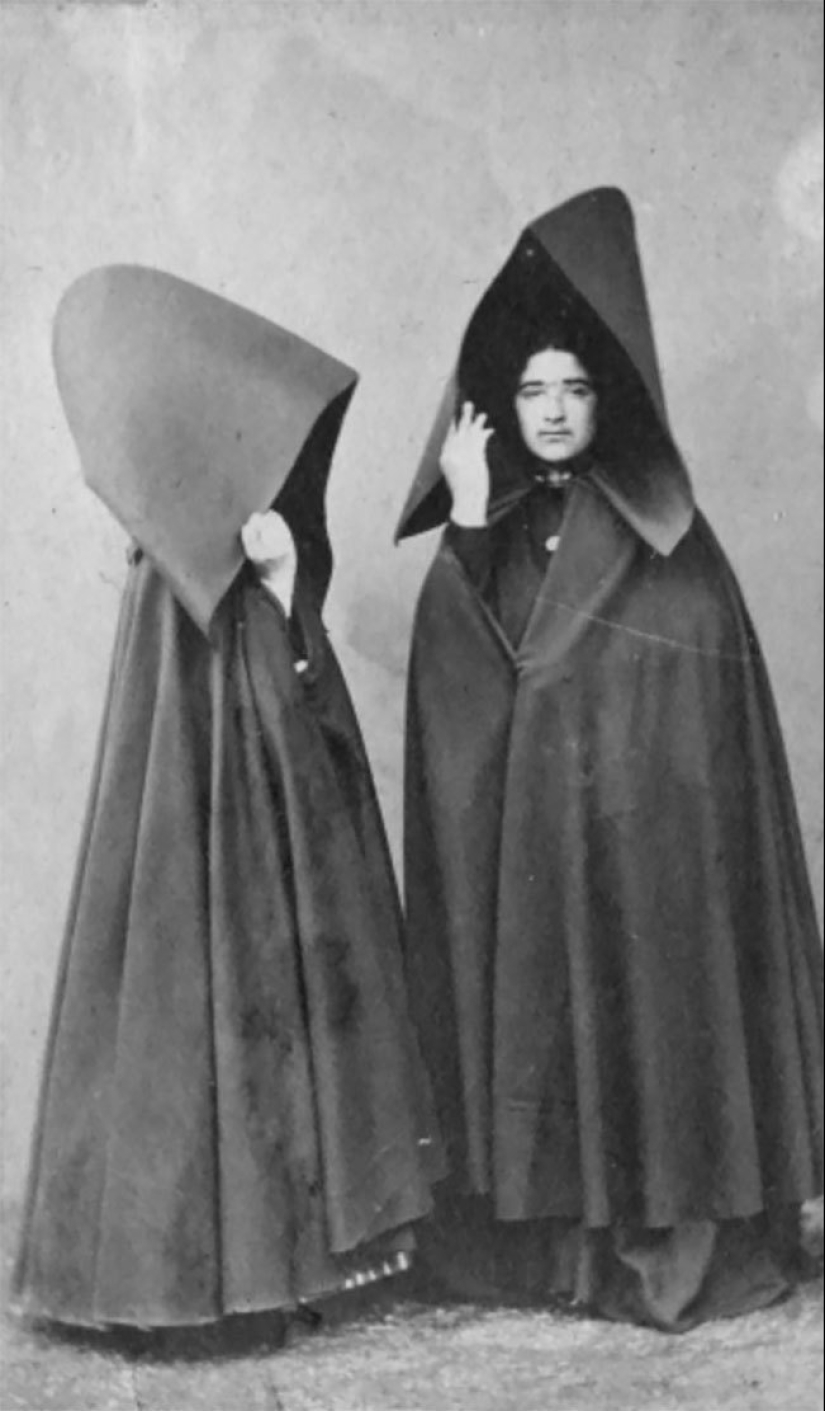
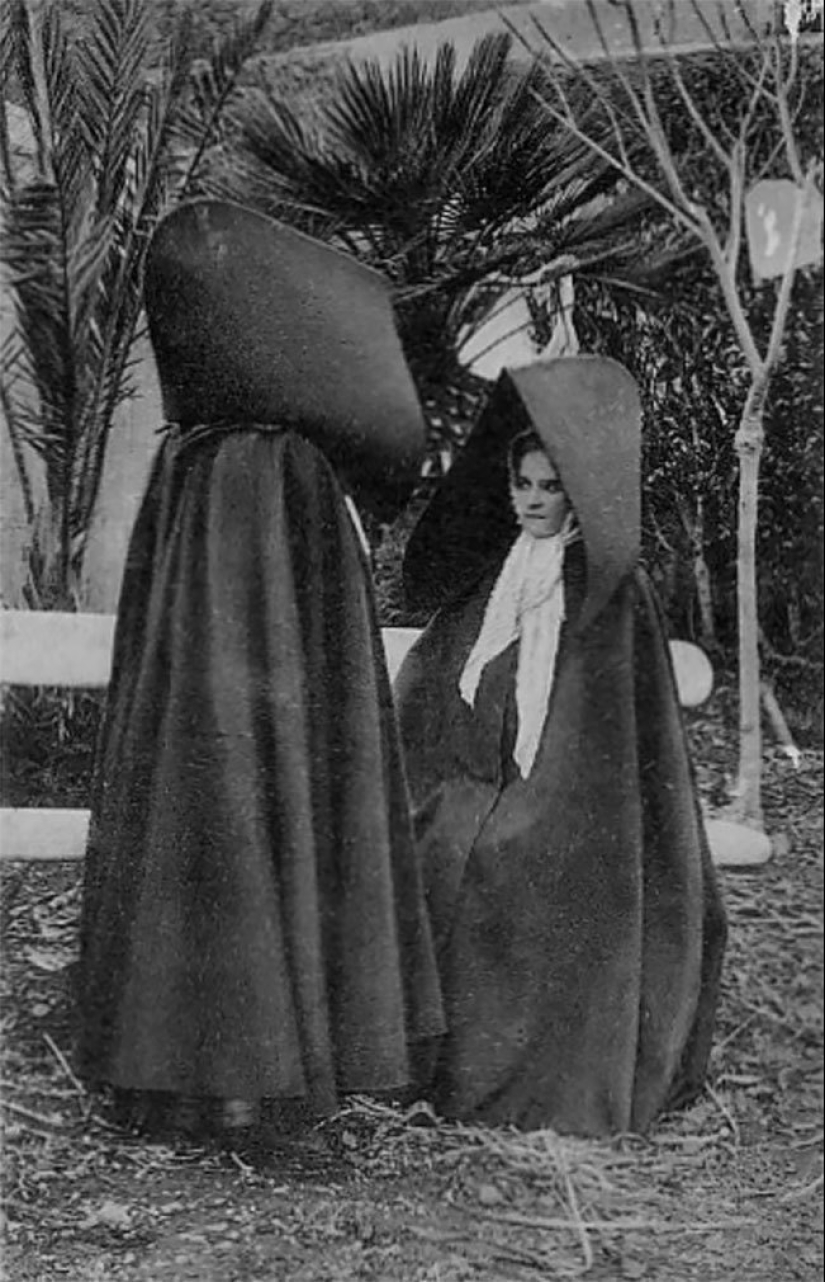
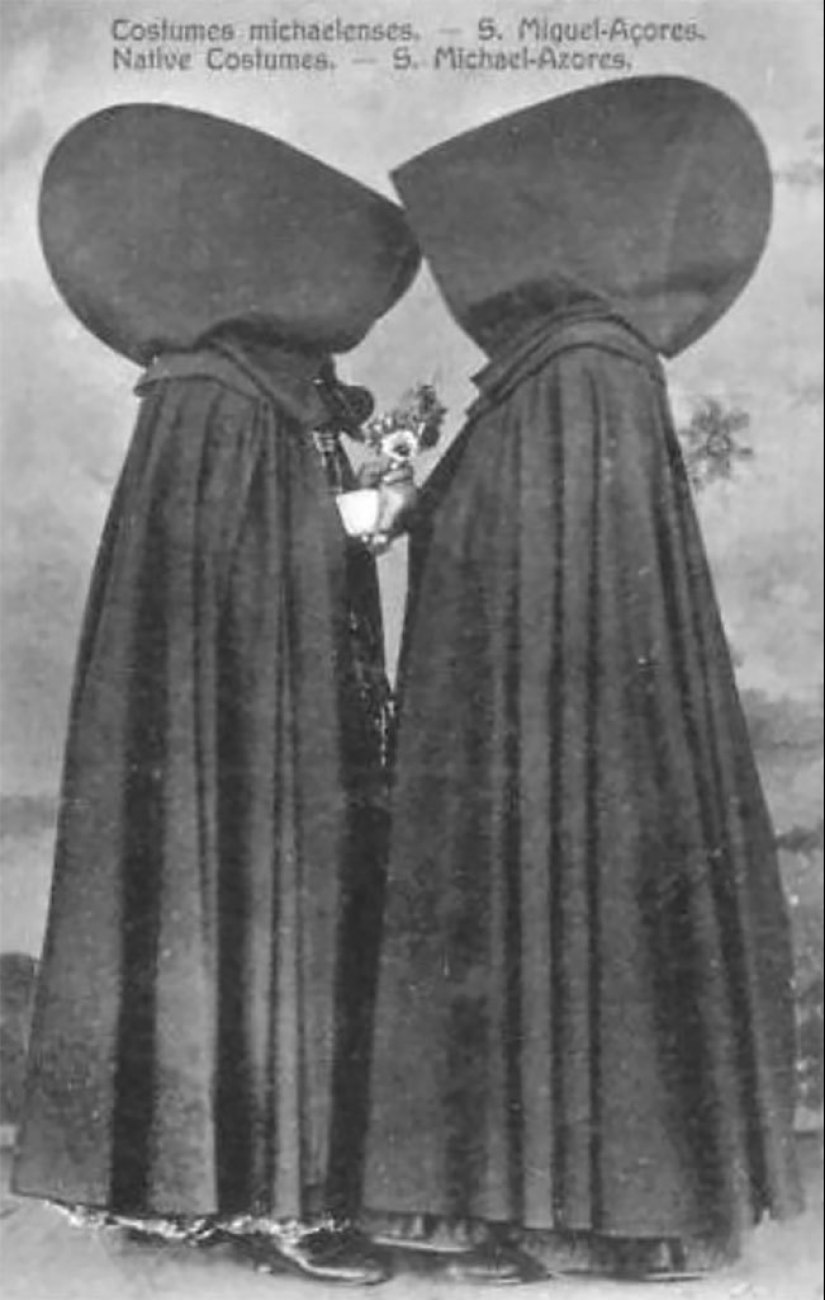
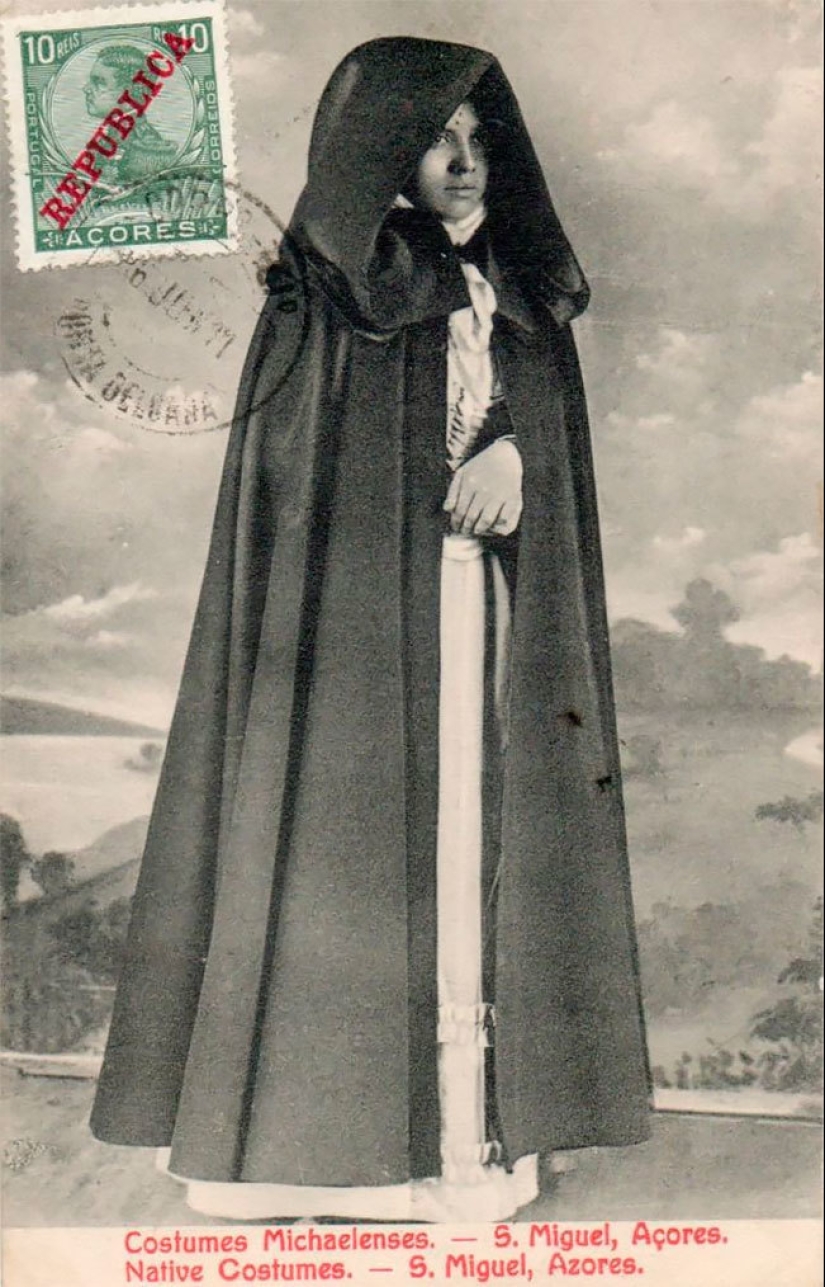
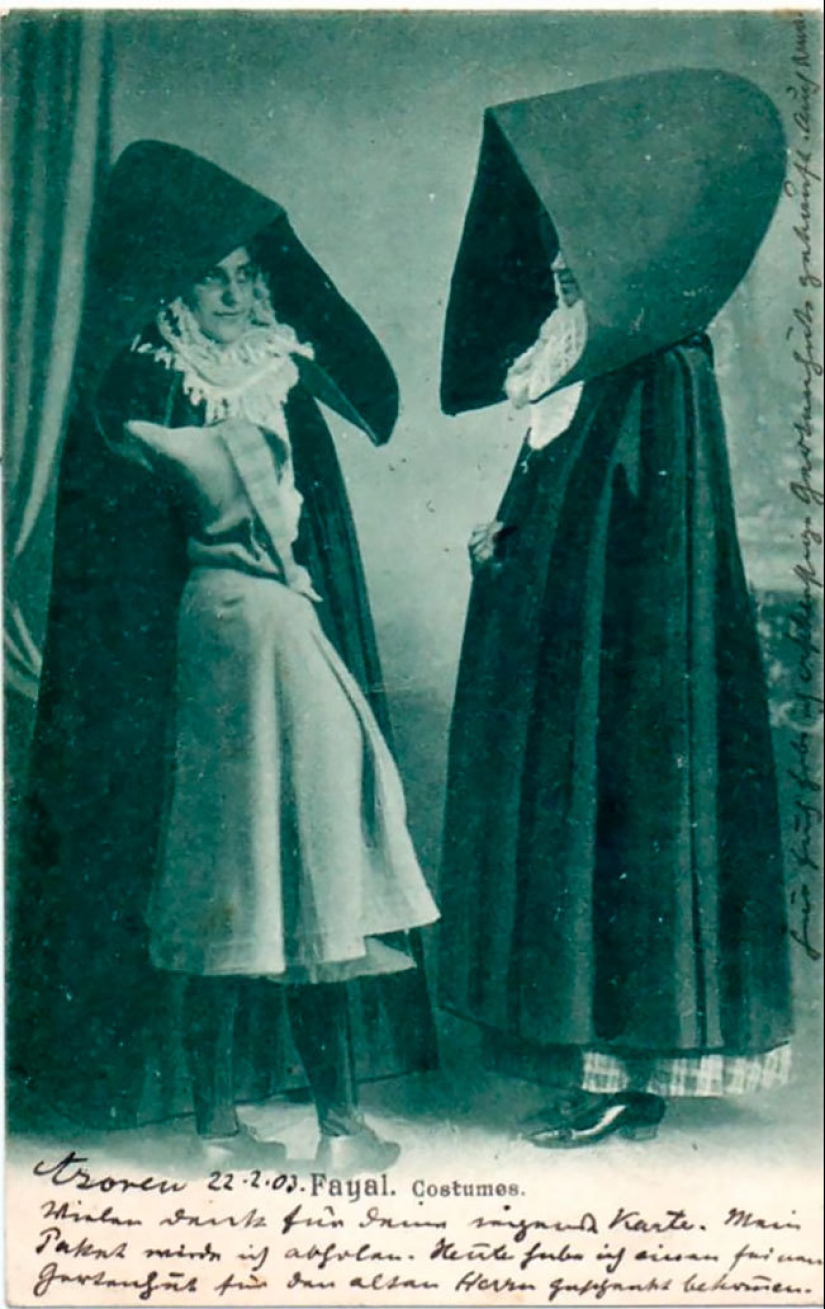
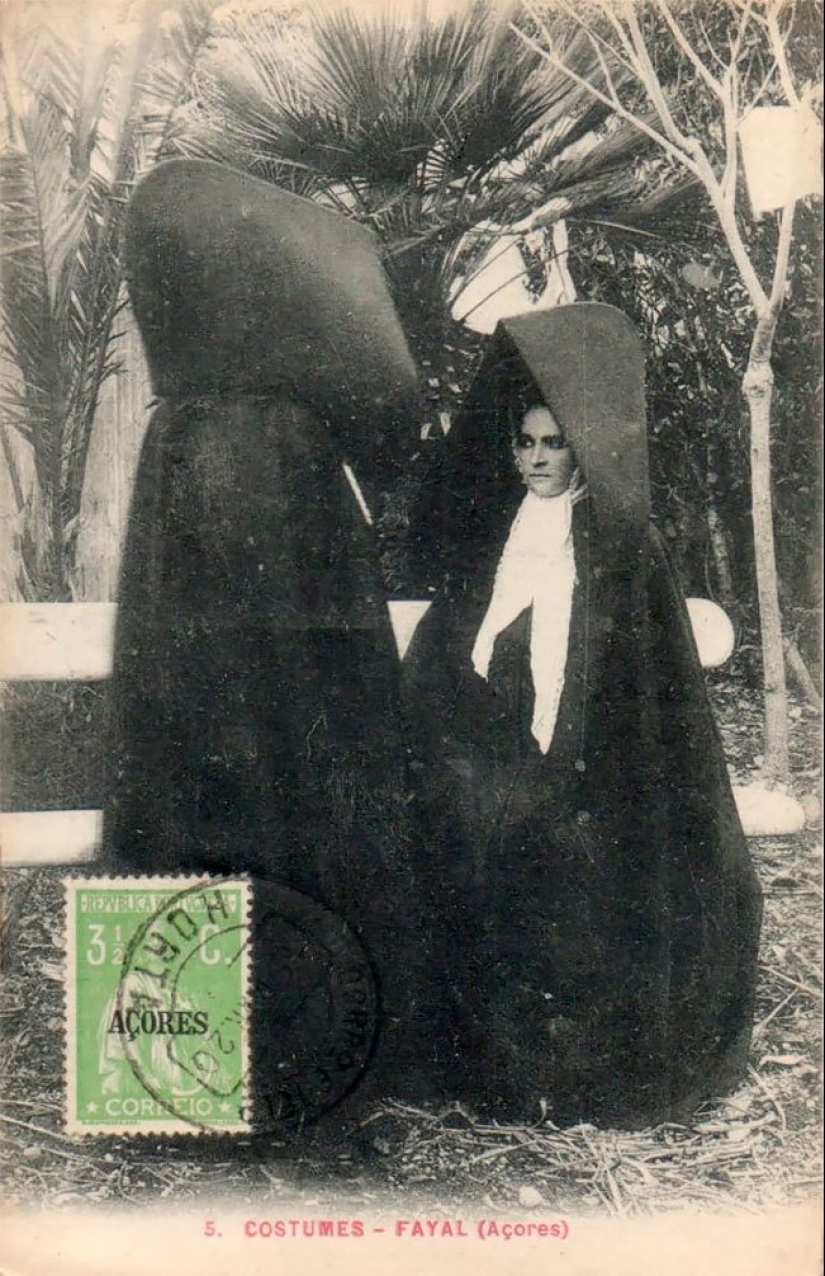
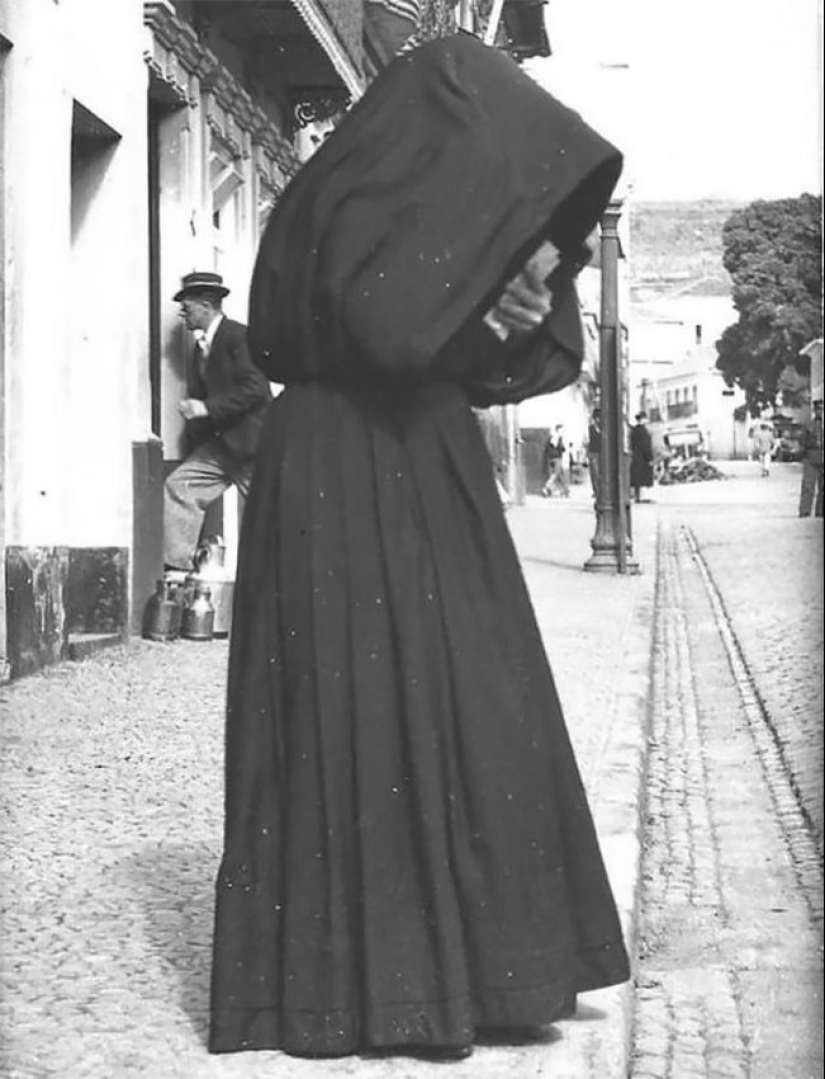
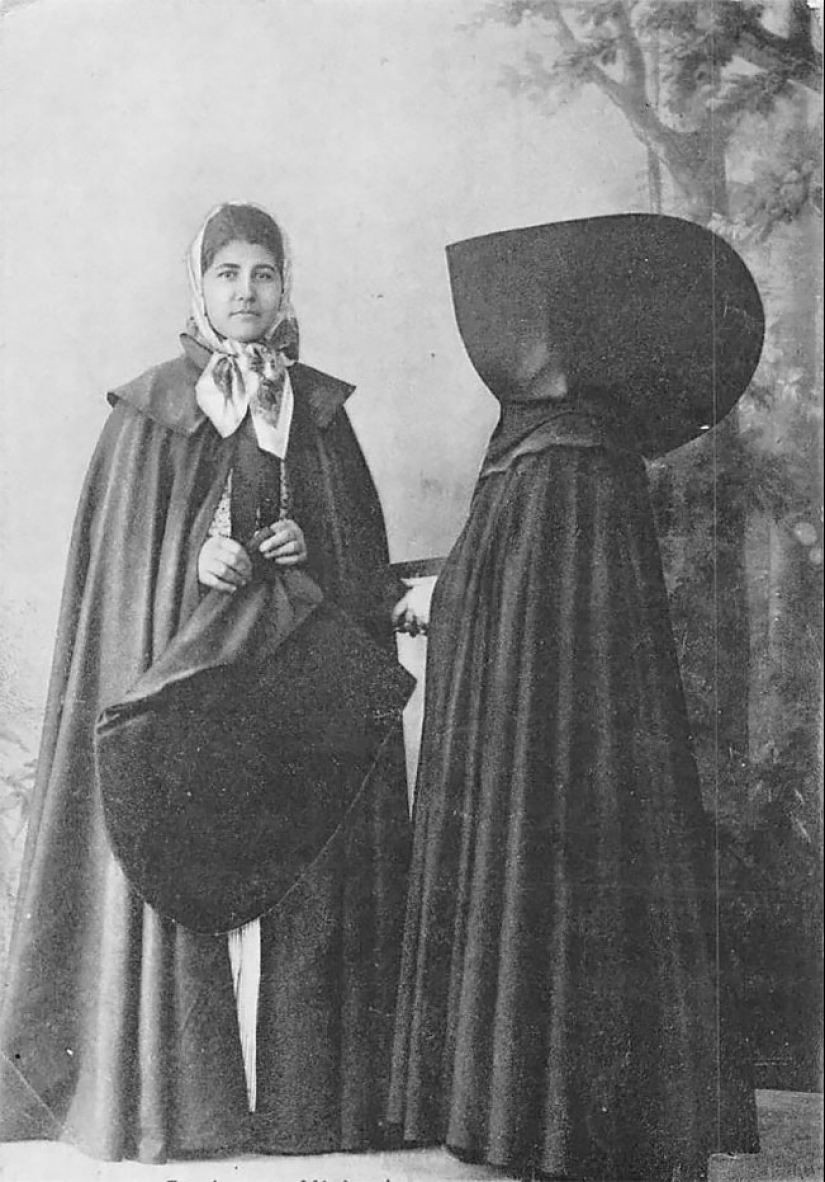
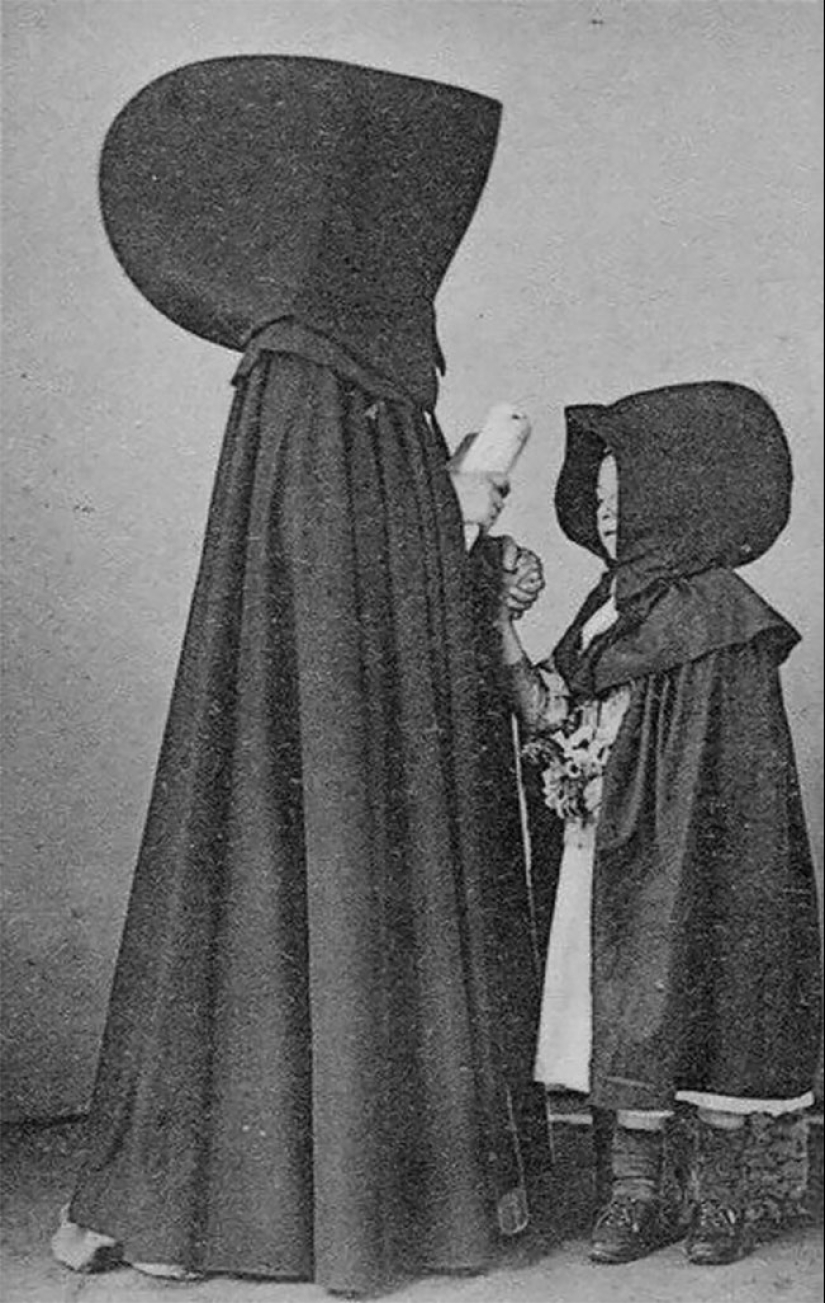
By Pictolic https://www.pictolic.com/article/vintage-photos-of-portuguese-women-in-giant-hoods-from-the-azores.htmlAzores hood (Portuguese for "capote e capelo") - these are traditional Azorean clothes that were worn until the 1930s. The large cloak that covered the female figure allowed only a glimpse of the face, and the origin of "capote-e-capelo" is controversial. Some say that the cape came from Flanders, while others claim that it is an adaptation of the robes and hoods that were fashionable in Portugal in the 17th and 18th centuries.
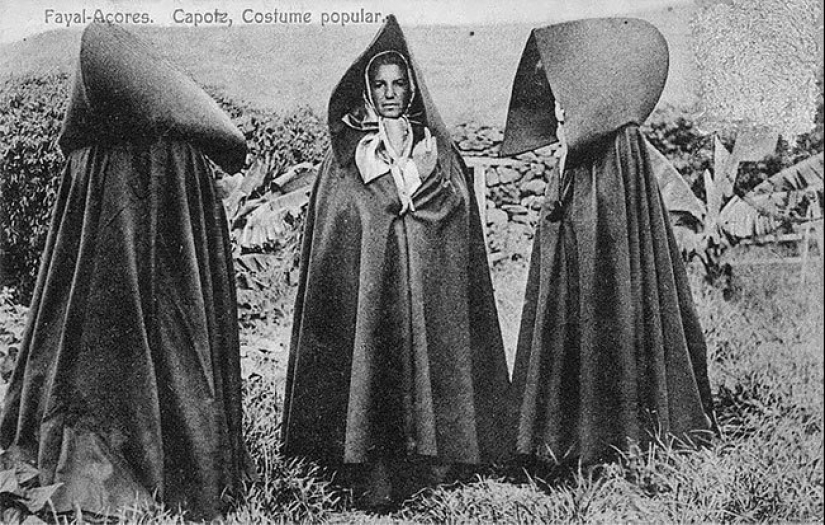 For centuries, the "capote y capello" was typically Azorean women's clothing. It was made of a strong, heavy blue fabric that had existed for several generations and was passed down from mother to daughter.
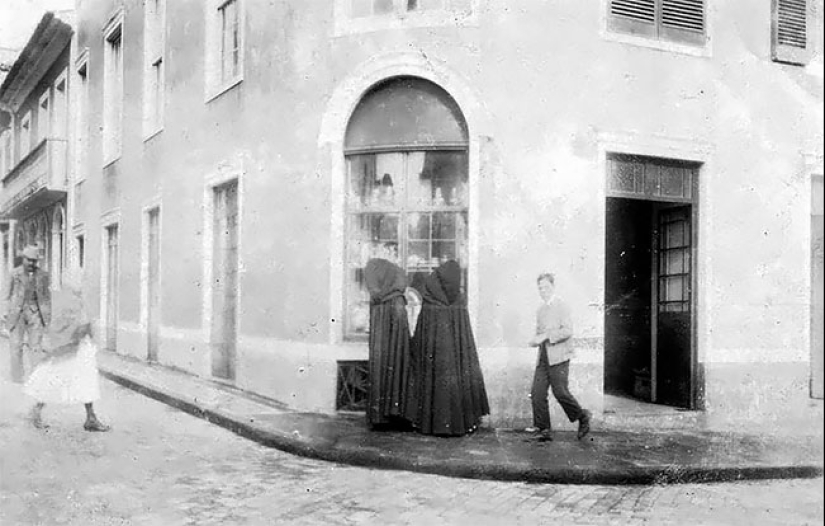
Varying from island to island in some details, the cape had an extravagant wedge shape fixed on the shoulders.
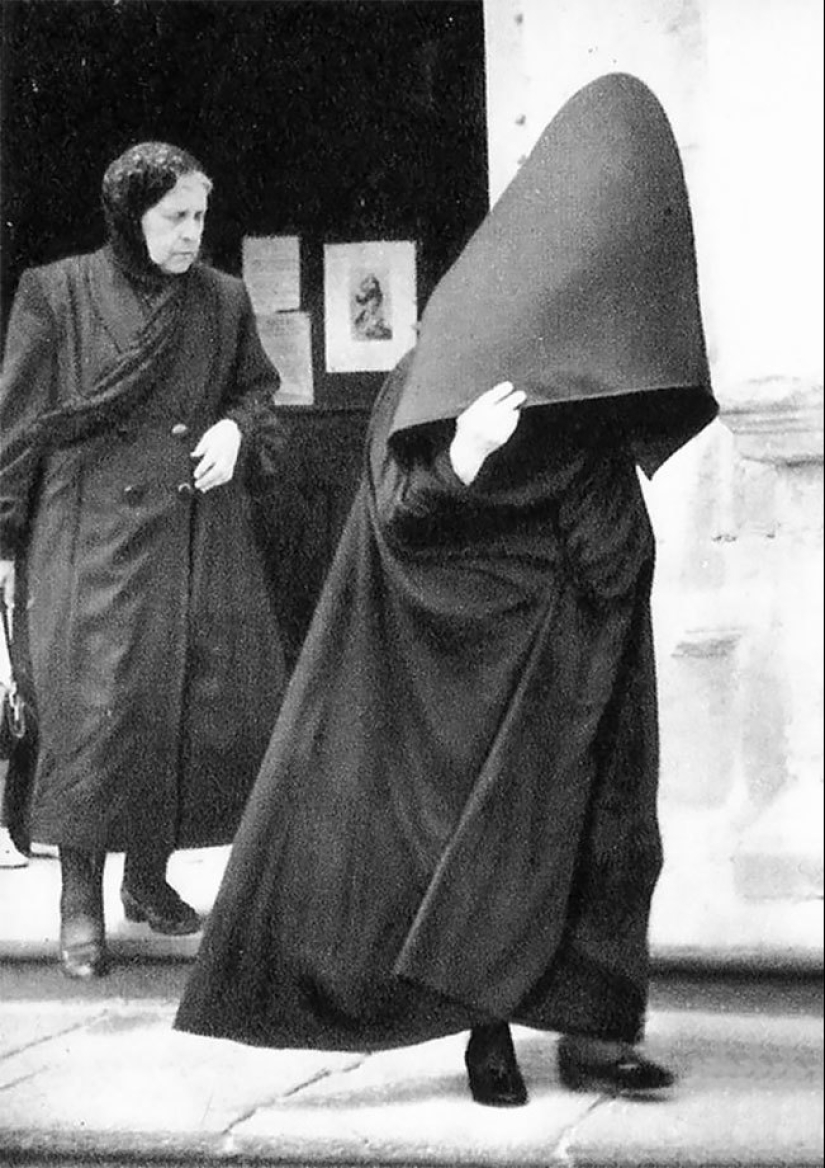
People from Flanders settled in the Azores starting in 1450. By 1490, 2,000 Flemings lived on the islands of Terceira, Pico, Faial, San Jorge and Flores, and since there was such a large Flemish settlement there, the Azores began to be called the Flemish Islands or the Islands of Flanders.
Settlement spread in the 15th and 16th centuries when the Flemish, Genovese, English and French joined the people of mainland Portugal in the Azores.
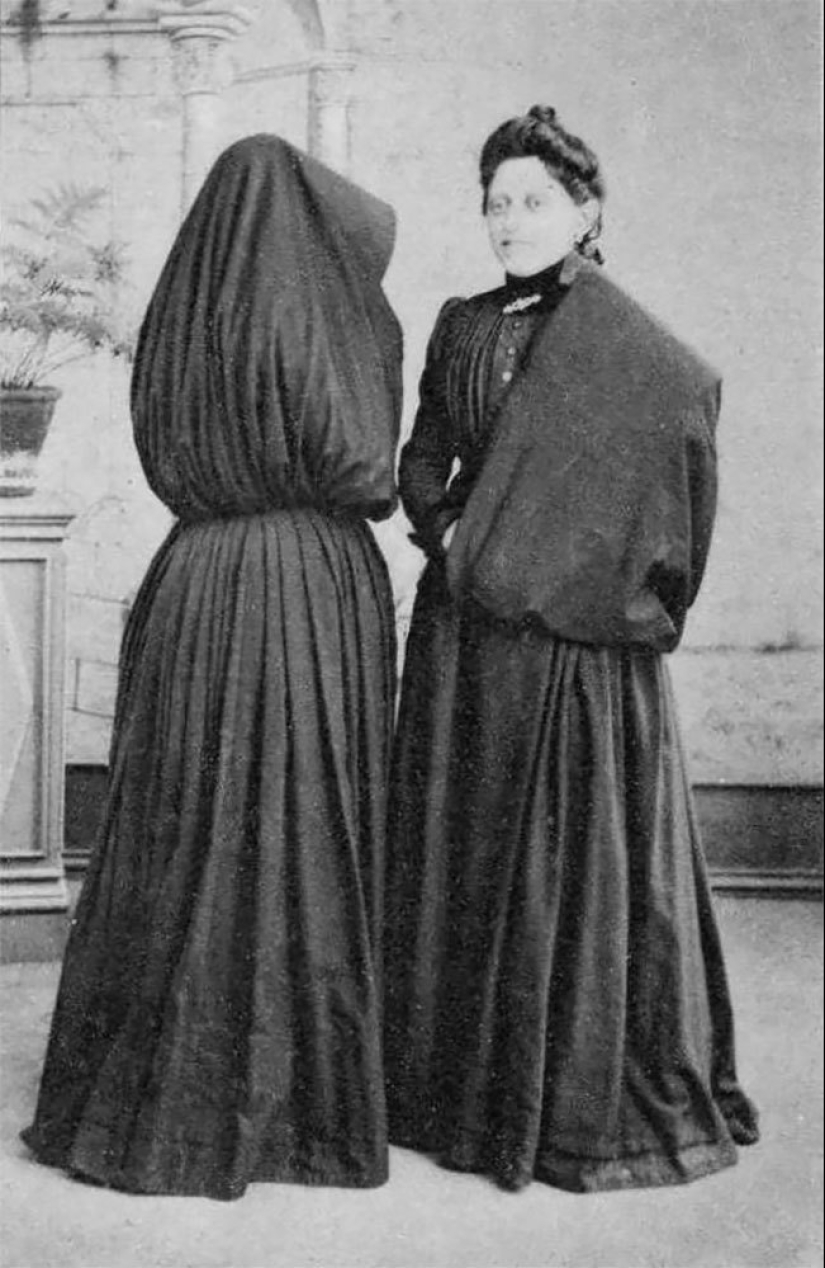
In Mark Twain's book "Innocents Abroad" (1869), he makes a "fashion review" of the Azores Hood:
Keywords: Vintage pictures | Women | Portugal
Post News ArticleRecent articles

It's high time to admit that this whole hipster idea has gone too far. The concept has become so popular that even restaurants have ...

There is a perception that people only use 10% of their brain potential. But the heroes of our review, apparently, found a way to ...
Related articles

Tired after a hard day at work? Suffer from autumn depression? Don't know how to entertain yourself in your free time? This ...

Motherhood significantly changes a woman's body. But there are more profound changes affecting the nature and Outlook. Reflected in ...

American artist Lee Price is sure that eating is a completely natural process, but many are ashamed of their attitude to food, ...
New Year's is a time to surprise and delight loved ones not only with gifts but also with a unique presentation of the holiday ...