
Unique fire mummies of Cabana
Mummification is a relatively well-studied ancient ritual of preserving the dead bodies — mostly associated with the embalmed Egyptian mummies. However, surprisingly well-preserved remains discovered in the Philippines shed light on the existence of another kind of mummy fire. The uniqueness of the fire mummies of Cabana that, unlike most Antiques, they are still situated in a natural environment. Caves, keeping their secret, was repeatedly looted and currently are considered under threat of extinction.
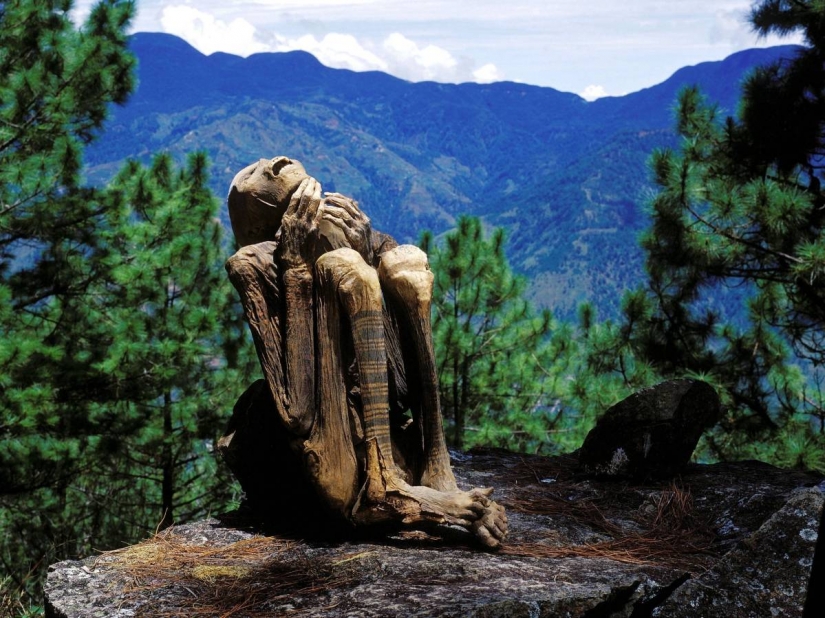
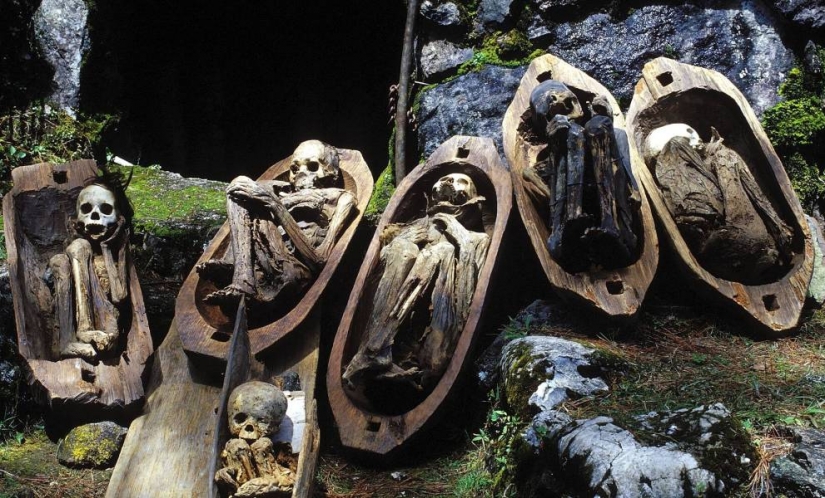
Kabayan is a municipality in the province of Benguet in Northern Philippines. About 30% of the population of the province is the people ibaloi, the ancestors of which belongs to a secret unique process of mummification. Ibaloi believe that the dead can help the living in dealing with complex life issues and to share acquired wisdom, but only if their bodies are incorruptible. Therefore, in the mountains lying hundreds of the dried bodies of their ancestors, beginners be dated to the XIII century.
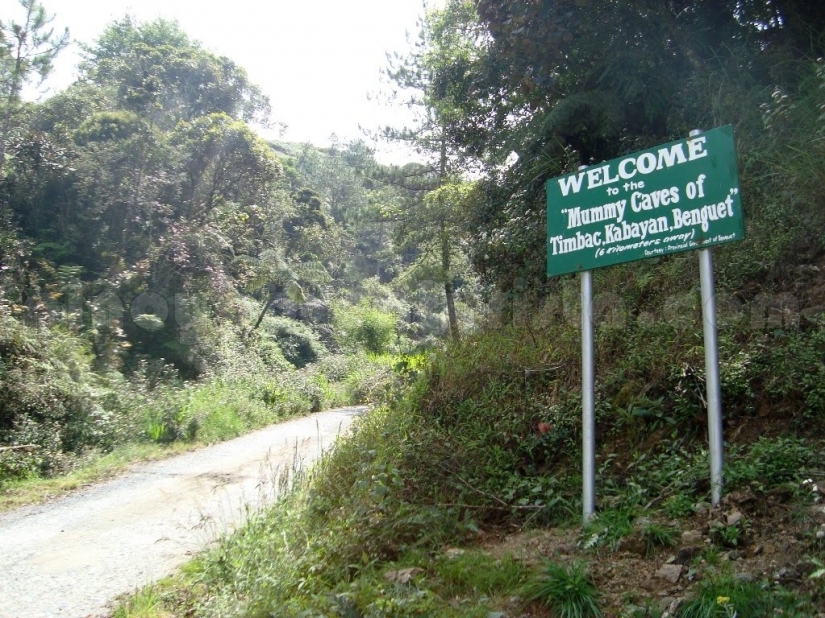
The caves were first discovered by loggers in the early twentieth century, when forests in the North of the Philippines began the industrial activity. They were left unprotected, with the result that they have been partially looted. Now they are open to the public, but not so easy to find because the locals and the Philippine government are trying to preserve their location. The most interesting caves takes a long time to climb the mountain on foot with a local guide, who must be a descendant of ibaloi — otherwise mummy will be angry.
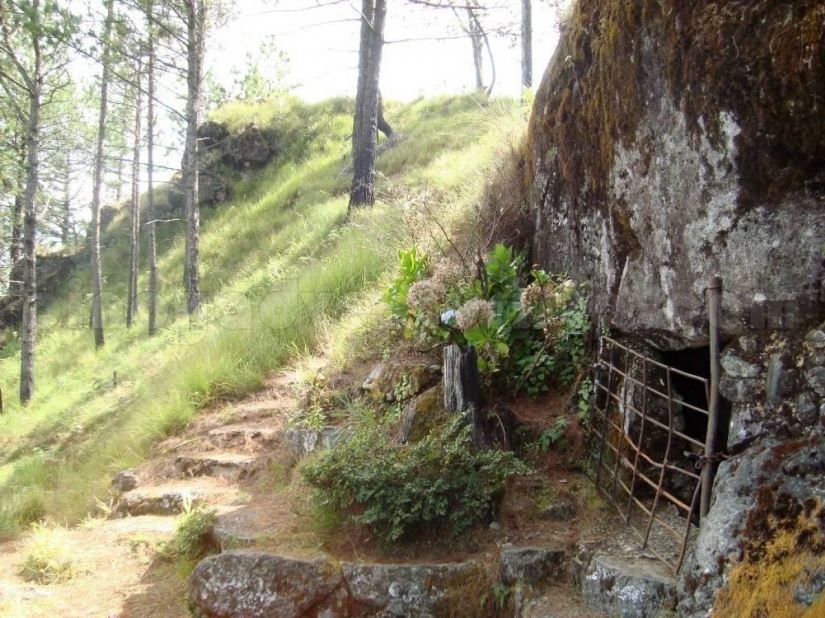
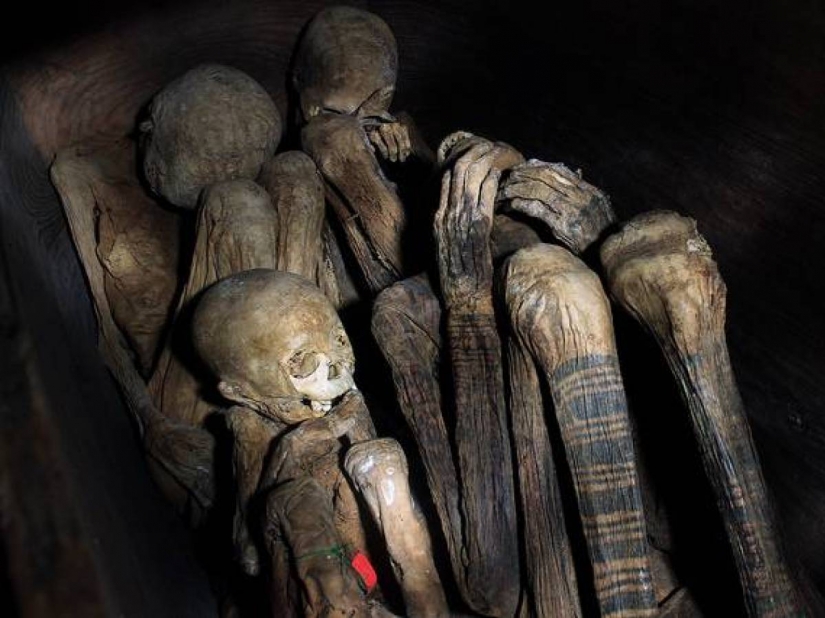
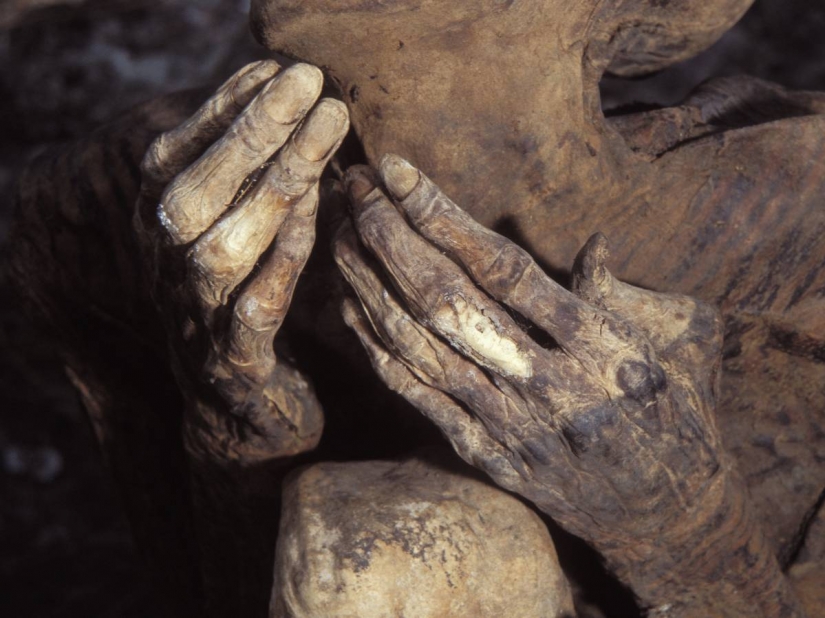
The entrance to the cave closed grille, but with a guide you can get inside and be literally at arm's length from mummies, for many centuries, holds your secret. The mummies are clearly visible tattoos on the skin, some preserved teeth and even hair.
In the body of fire mummy's preserved internal organs. It is believed that the mummification process began during his lifetime, when a dying man was allowed to drink a salt drink a beginner to gradually dehydrate the body. After death continued a difficult process and sometimes takes several weeks or even months. The body is thoroughly washed and placed over a source of heat in a seated position. So ibaloi could fit in a cramped cave more remains. Body never directly exposed to open fire, but simply "Copts" over a smoldering fire. The heat from the smoke gradually completely led all the fluids from the body, leaving it stiff and dry.
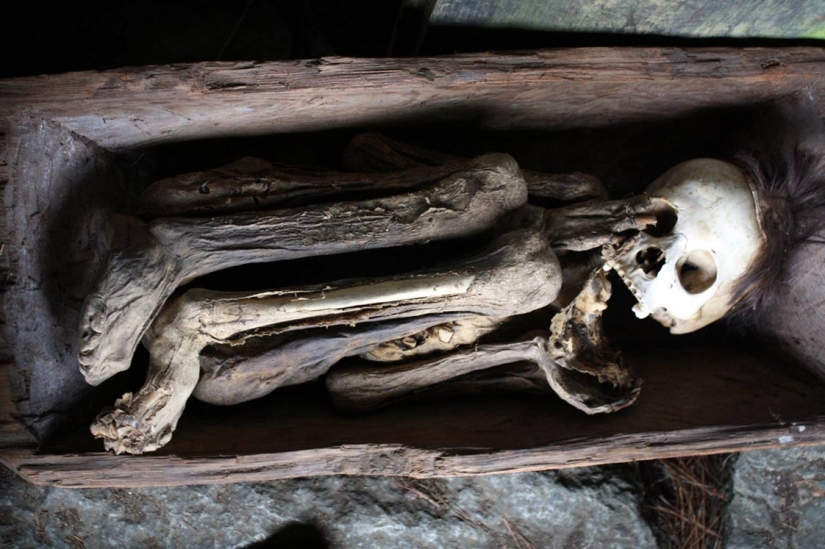
When outside the body was completely dried, he moved on to the final step — drying it from the inside. Ibaloi blown into the mouth of the mummy tobacco smoke to dry the internal organs. After that completely dried, the body was rubbed with herbs and placed in a small wooden coffin oval shape inside one of the caves.
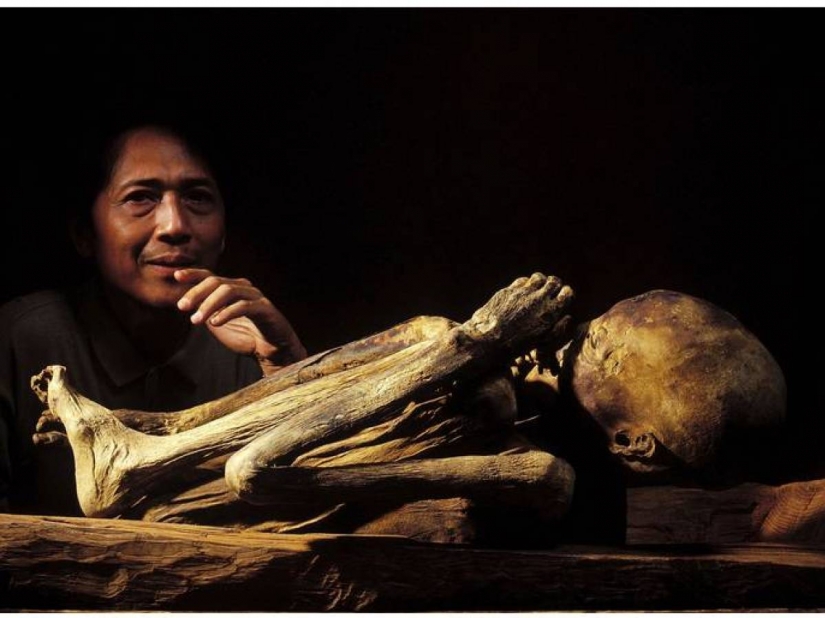
Despite the obvious antiquity and fragility of the remains, some of Cabana mummies were stolen and sold in Europe for a lot of money. A problem of this magnitude has forced the Ministry of foreign Affairs of the Philippines to intervene to ensure the return of as many of the remains to the place of their burial. In 2004, eight of the mummies were returned to the cave, but many still remain undiscovered.
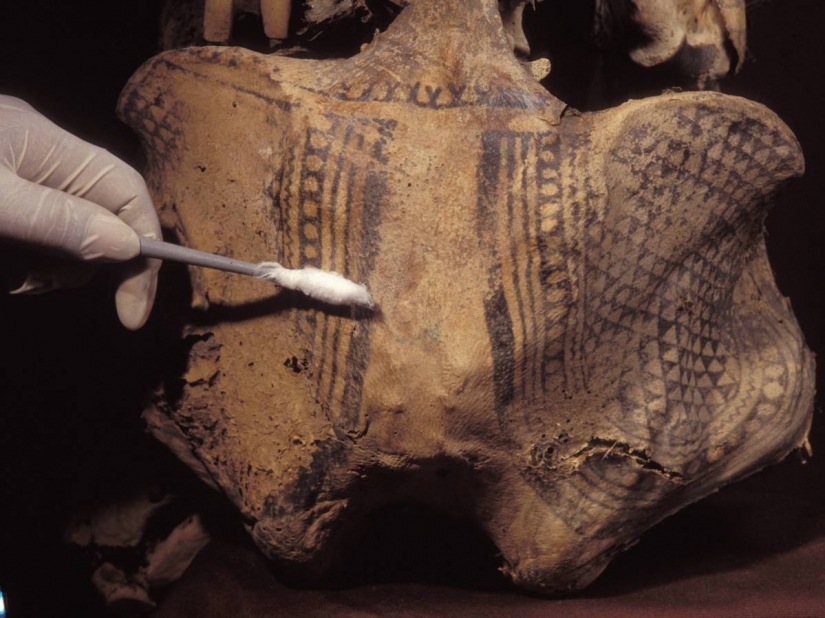
One very notable extinction occurred in 1919. It was covered with intricate tattoos the body of the leader APO Anna, who died some 500 years before. As it turned out, the mummy was kidnapped Filipino pastor during a visit to the caves and after some time surfaced in an exhibit on display in the circus in Manila. After that, the mummy several times changed owners, until in 1984 was finally transferred to the National Museum. The Museum will promptly notify the government, and the body was returned to the cave and reburied with all the appropriate rituals.
Like many other ancient burial sites, caves Cabana surrounded by many superstitions. Locals believe that as a result of the desecration of the graves of APO Anna on their land is a curse, causing drought, earthquakes and famine. To ensure the further preservation of mummies, the government has built a special fence around the place of her burial and offered to pay for any other necessary security measures.
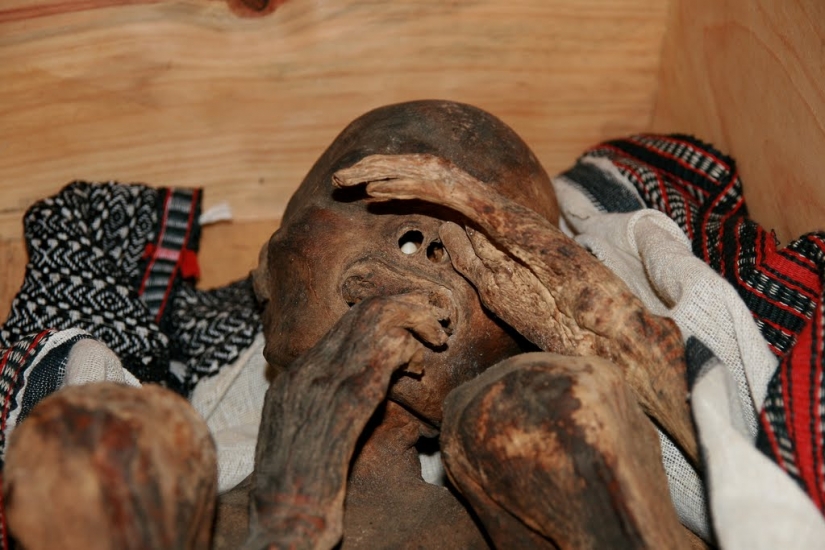
Although ibaloi no longer practice mummification (this art was lost with the arrival of Spanish colonizers in the XVI century), they still revered mummies of their ancestors, considered the cave a sacred territory and carry out rituals there.
Keywords: Mummy | Fire | Caves | The Philippines
Post News ArticleRecent articles

It's high time to admit that this whole hipster idea has gone too far. The concept has become so popular that even restaurants have ...

There is a perception that people only use 10% of their brain potential. But the heroes of our review, apparently, found a way to ...
Related articles

The Mongols seized in the 13th and 14th centuries, a large part of the Eurasian continent, was a force which could not to resist ...

Explosions of smartphone batteries and short circuits in sockets no longer become a sensation, but few people know that the danger ...

The house fire — a terrible disaster and, of course, we try to take precautions to avoid it. But consider all the factors ...
New Year's is a time to surprise and delight loved ones not only with gifts but also with a unique presentation of the holiday ...