
Traditions of "family shaming": how wives in Russia called their spouses names
Categories: Conflict | Nations
By Pictolic https://www.pictolic.com/article/traditions-of-family-shaming-how-wives-in-russia-called-their-spouses-names.htmlCute scold — only amuse themselves. This is what people say about family squabbles. Conflicts between close people, alas, happen and they have always happened. It is not surprising that each nation has its own special ways of conducting "home combat", adjusted for traditions and, of course, for mentality. There were also some special features on Rus — we will talk about the traditions of the Russian family scandal.
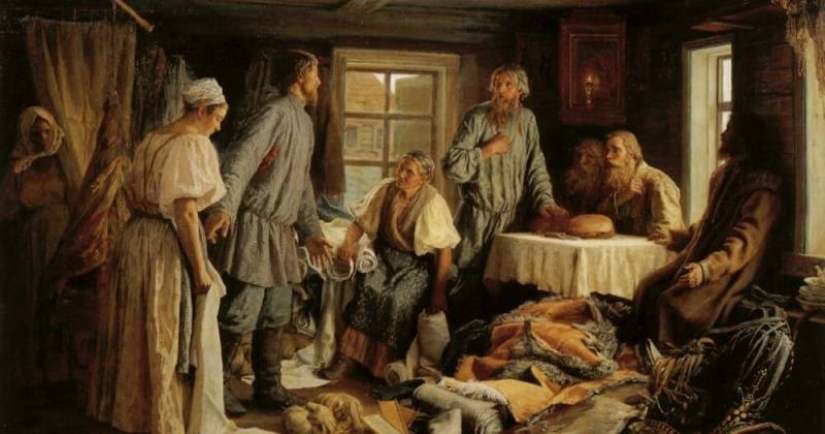
Today, many women, swearing with their husbands, do not hesitate to use expressions and use the whole known set of offensive and obscene words. But in pre-revolutionary Russia everything was different and wives, even in an extreme degree of disorder, never used a mate. There were "obscene verbs" in use, giving a negative assessment of certain qualities or actions of the faithful.
Even the European traveler Adam Olearius, who visited Muscovy in the 17th century, noticed that it was swear words that contribute to a special heat of passions in Russian families:
That is, the spouse, even avoiding abusive words, could so skillfully tease her husband that he resorted to retaliatory measures, up to physical assault. How did women call their second halves centuries ago?
In the" Etymological Dictionary "of Grigory Krylov, the word "bastard" has the meaning of "scoundrel" and "scoundrel". The scientist believes that it came from the word "drag" and once meant garbage collected with a broom or a rag in one place. Over time, people who were worthless and despicable in society began to be called bastards.
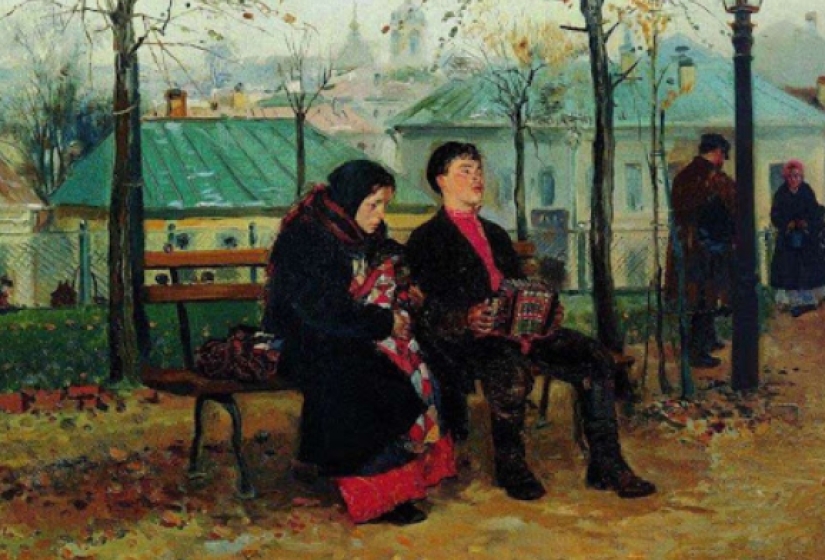
The Dictionary of the Russian Language, edited by Anastasia Evgenieva, characterizes the word "fool" as an expletive with a pronounced negative connotation. Also, Valeria Mokienko and Tatyana Nikitina in her "Dictionary of Russian abuse".
Literary critic Andrey Sinyavsky believes that this offensive word has played a key role in family squabbles from time immemorial. "Fool" is a narrow-minded, incompetent fellow, perhaps even flawed by nature, so for an adult able-bodied man, this word, as well as its derivatives "half-wit" and "fool" were especially offensive.
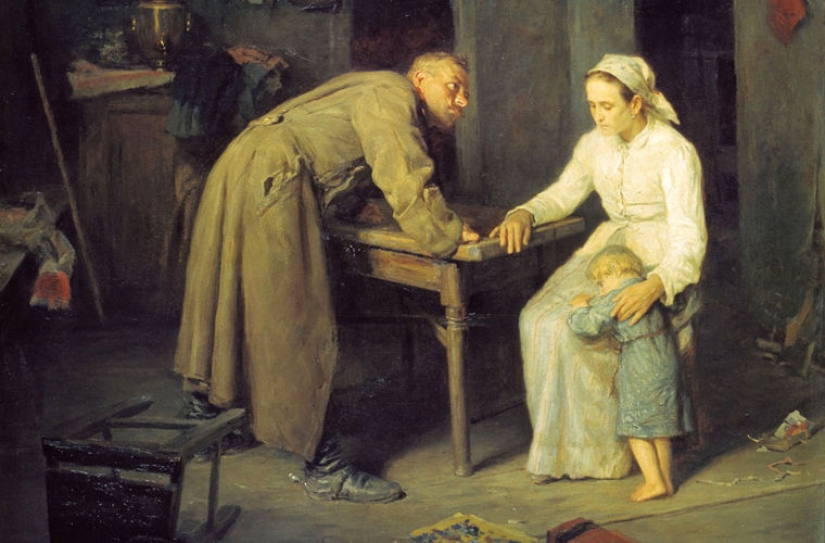
But this was not always the case. Until the 17th century, the word "fool" did not have an offensive connotation and was even used by some as a second name to protect themselves from the evil eye and evil spirits. It became offensive after buffoons and other actors began to be called "fools".
This negative definition was also used in religious circles. In particular, the Old Believers called Orthodox Christians "fools" who decided not to oppose Nikon's church reform, but adopted new rules and rituals.
The word " scoundrel "was especially offensive and humiliating, since it came from the Old Slavic root" mean", which meant"underwear, low, earthly". Often this word was applied to people of the lower classes to demonstrate their advantage over them.
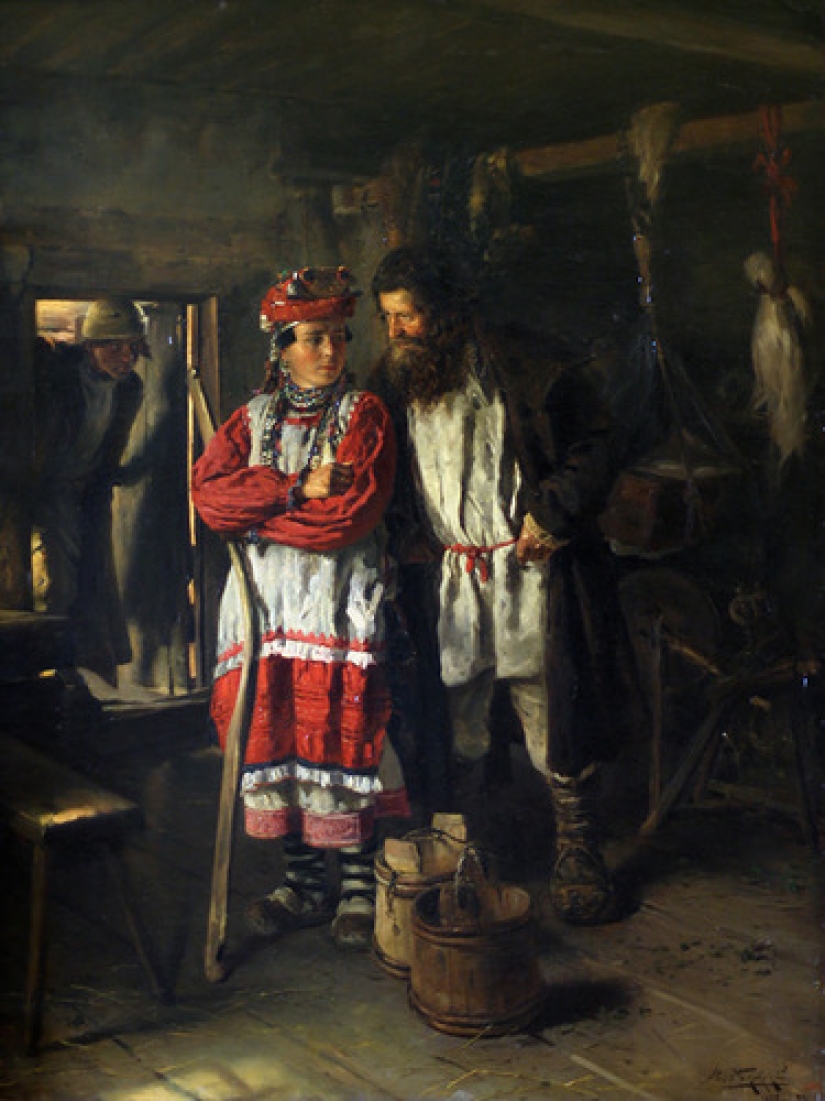
In the 18th century, the meaning of the word "scoundrel" changed and it acquired a bright abusive shade. From then on, it meant a rude, uncouth person, with base aspirations and actions.
There were also many other swear words that separated wives could use to caress their husbands. "Muhobluds"," pechegnets "or" strangers " were called lazy people, from whom there was no sense in the economy. Northern women could also call a loafer "valandai", and smolyanki — "shlynda".
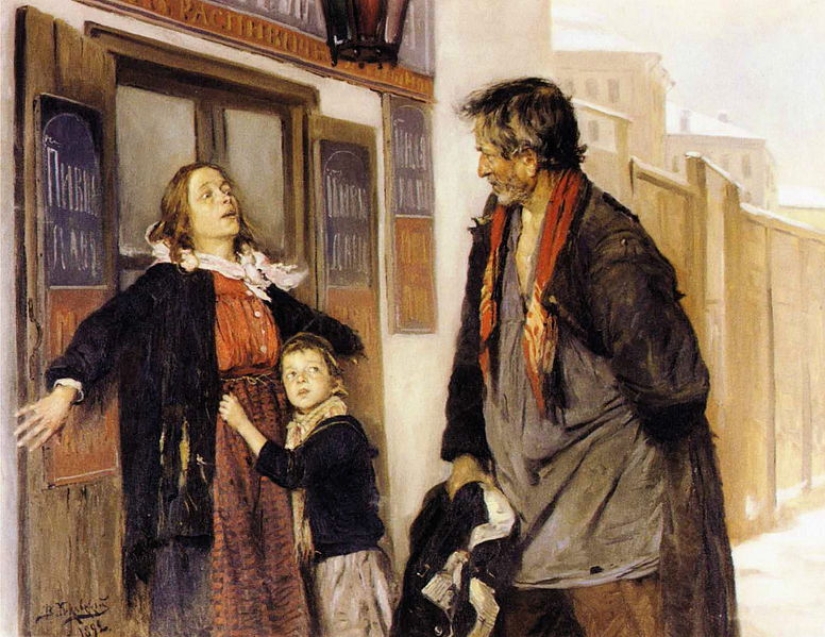
Very popular was the word "mymra", which previously had no specific relation to the feminine gender. This was the name given to people who were unsociable, sullen men who preferred solitude and were stingy with words. An alcoholic who became violent after drinking, his wife called him "tartyra", "ohalnik" or "oguryala". A talker who does not know how to keep his word in the Kursk province could be called "belebeney"in family squabbles.
Keywords: Marriage | Wife | Family | Scandal | Quarrel
Post News ArticleRecent articles

It's high time to admit that this whole hipster idea has gone too far. The concept has become so popular that even restaurants have ...

There is a perception that people only use 10% of their brain potential. But the heroes of our review, apparently, found a way to ...
Related articles

What kind of wedding traditions do not happen! The Scots pour dirty slush over the bride, some peoples of India have decided to get ...

In Imperial times women had no power over him. The sphere of influence of the peasant and the boyar wives was limited to raising ...

Millions of people around the world buy lottery tickets in the hope of winning a happy life. They dream of luxury cars, luxury ...
New Year's is a time to surprise and delight loved ones not only with gifts but also with a unique presentation of the holiday ...