
The Urine Tax in Ancient Rome, or Why Money Doesn't Smell
The phrase "money has no smell" is familiar to everyone. But not everyone knows that its origins date back to the distant era of AD 32 and are connected to an unusual decision by Emperor Vespasian. This story vividly demonstrates how inventively the Roman economy was structured and how easily unconventional measures became part of state policy. In this article, we'll discuss the origins of this famous expression and why it's still remembered today.
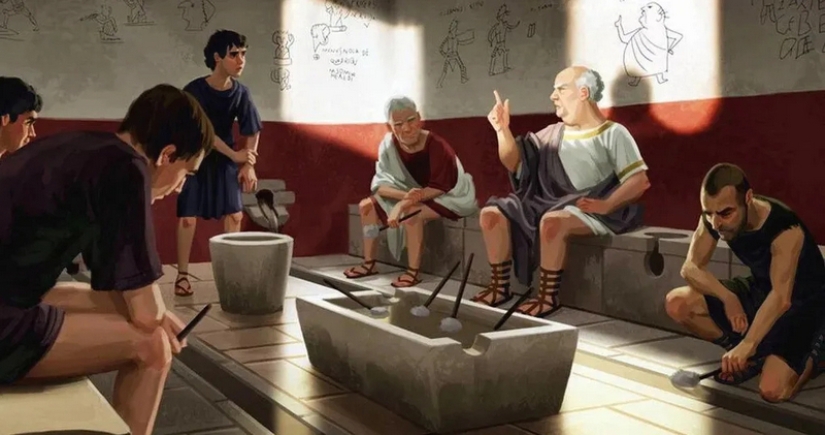
In Ancient Rome, urine was viewed very differently than it is today. This seemingly useless byproduct of human activity was collected and used for a variety of purposes. Urine was used for washing clothes at home and in laundries, for bleaching linen and wool, tanning leather, and for medicinal purposes. In the Middle Ages, it also became a strategic military raw material.
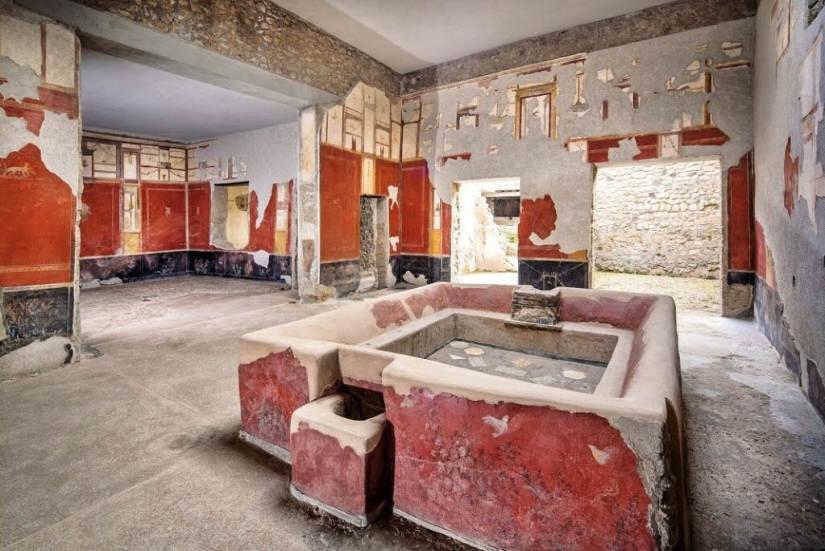
Moreover, children's urine was often used to rinse the mouth, simply to prevent cavities and bad breath. Incidentally, this gargle, recommended by ancient physicians, remained popular until the 18th century! Therefore, the Romans treated urine with care, and there were even people who collected it. It was purchased for money from both the poor and the wealthy.
Urine collection was carried out by specialized personnel. Large clay amphorae were located throughout Rome where citizens could relieve themselves. These vessels were regularly emptied by collectors, who then sold the contents to workshops and laundries. The urine of the poor was valued even more highly than that of the rich—it was believed to be more concentrated due to their poor diet.
The Roman Empire of the first century AD was going through difficult times. After a year of four emperors, when power shifted with kaleidoscopic speed, Titus Flavius Vespasian ascended the throne. The new ruler inherited a virtually empty treasury and numerous problems requiring immediate funding.
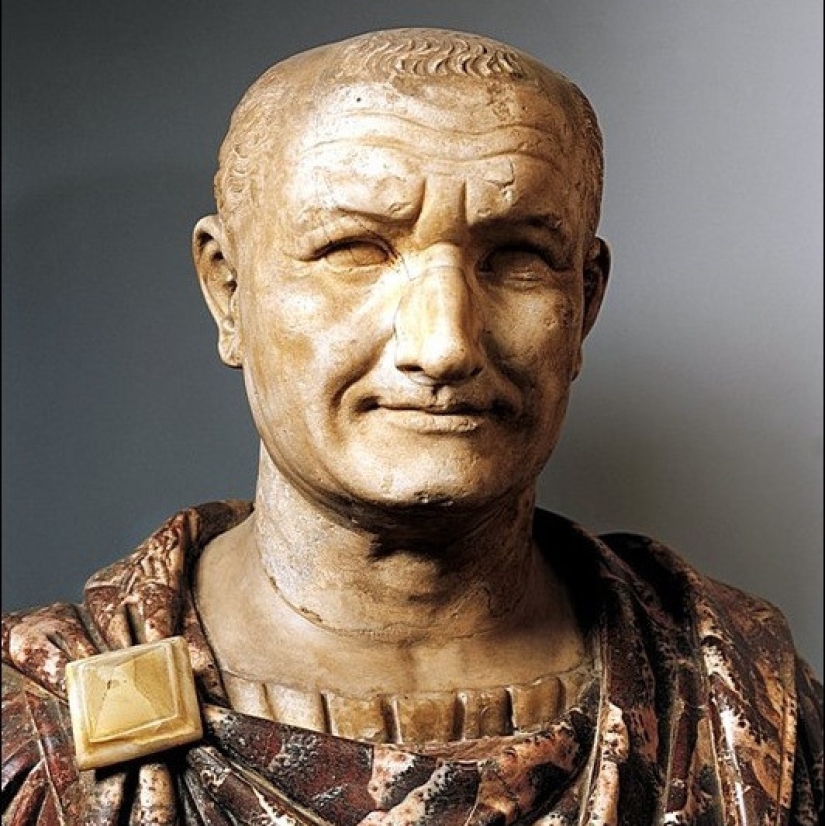
Vespasian was renowned for his practicality and business acumen. Unlike many of his predecessors, he was not shy about seeking profits where other emperors would have considered it beneath them. The emperor noticed a thriving business in collecting and selling urine and decided that the state should receive its share of this lucrative endeavor.
Around 70 AD, Vespasian introduced a tax on the collection of urine from public toilets. From then on, owners of laundries and tanneries had to pay into the treasury for the right to collect urine. The tax applied throughout the empire and generated significant revenue for the state.
Not everyone in the emperor's entourage approved of the new tax. Vespasian's son, the future emperor Titus, was particularly outraged. The young man believed such a levy was degrading to the dignity of Rome and its ruler. How could anyone profit from such a vile substance?
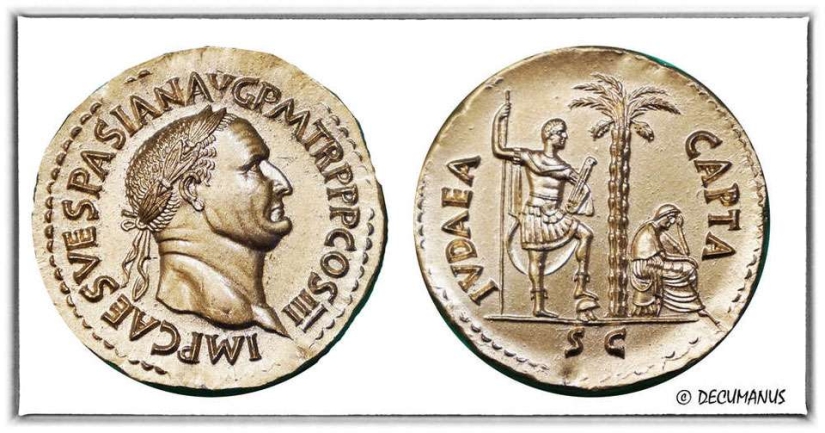
Vespasian listened to his son's complaints and decided to teach him a lesson in practicality. The emperor ordered the coins raised from the urine tax to be brought to him and held them to Titus's nose, saying, "Pecunia non olet"—"money doesn't smell."
Indeed, gold and silver coins were no different from any other, regardless of their origin. This phrase instantly spread throughout Rome and entered history. It became a symbol of a pragmatic approach to economics and a reminder that money remains money, regardless of its source. Vespasian proved that a good ruler cannot be squeamish when it comes to the well-being of the state.
The urine tax proved so profitable that Vespasian decided to expand its scope. Public toilets began to be built throughout Rome and the provinces. These structures were quite comfortable by the standards of the time—long stone benches with holes under which running water flowed.
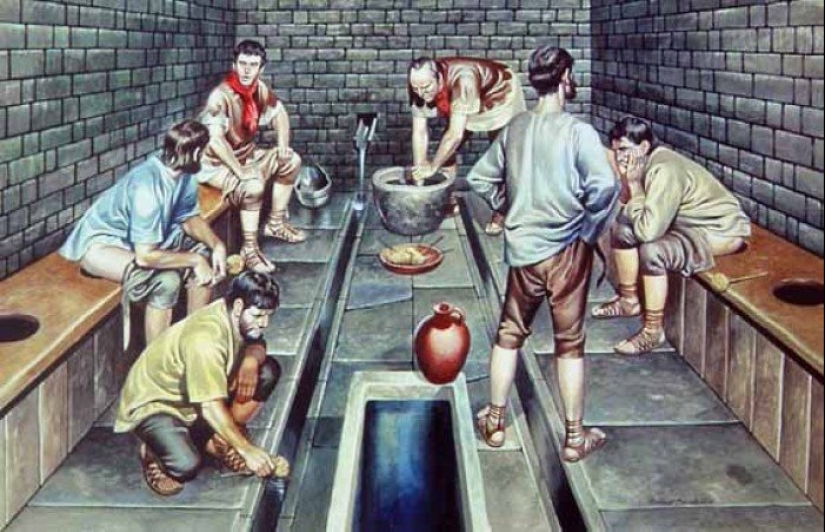
In honor of the emperor who introduced the famous tax, public toilets became known as "veskpasiani." This name has persisted in some European languages to this day—in France, Italy, and Romania, public toilets are still sometimes called by this name.
The veskpasiana served a dual purpose. On the one hand, they addressed a major sanitation issue in growing cities. On the other, they ensured a steady supply of raw materials for artisans and, consequently, taxes for the treasury. Some of these toilets were so luxurious that they became venues for social conversation.
The urine tax outlived its creator. After Vespasian's death in 79, power passed to his son Titus—the same one who had once resented the levy. However, the new emperor did not abolish the lucrative tax. Apparently, his father's lesson had not been lost on him, and Titus understood the practical value of Vespasian's invention.
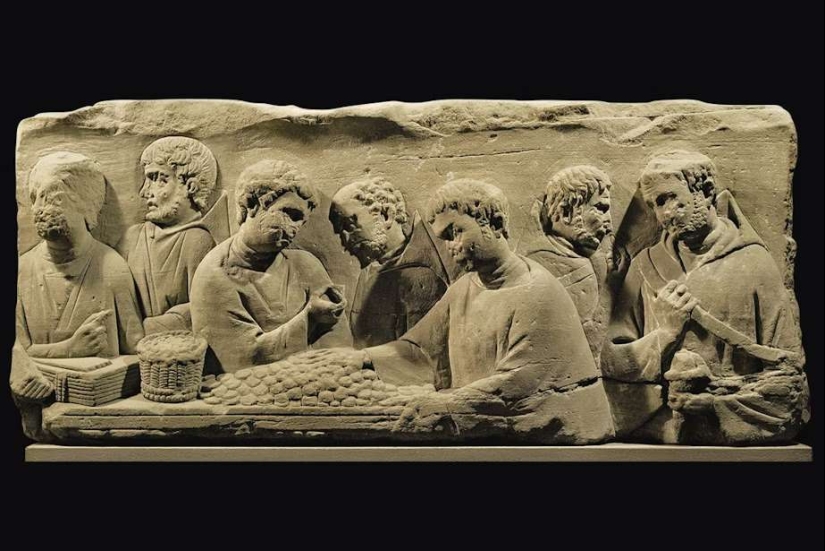
The tax persisted for several more centuries and was only abolished in the late imperial era, when Rome's economic system underwent significant changes. By then, other methods of producing ammonia had emerged, and urine lost its industrial value.
However, the memory of Vespasian's tax has endured forever. The phrase "money has no smell" has survived the centuries and is still used today, reminding us of the Roman emperor who was not afraid to appear ridiculous for the good of the state.
The emperor made it clear to his son that money is always money, regardless of its source. A little later, the Roman poet and satirist Juvenal used the emperor's wisdom in a slightly modified form. He wrote: "The smell of income is good, whatever its origin."

This expression, coined two thousand years ago, is still used today. It's appropriate when used to indicate that money obtained through dubious means is indistinguishable from money earned through honest labor. When someone's financial prudence outweighs their moral principles, they also say, "Money has no smell."
This ancient story makes it clear: attitudes toward money and its origins change much more slowly than the eras themselves. Do you think the principle "money has no smell" is still appropriate today? Do the ends always justify the means when it comes to income? Share your thoughts in the comments.
Recent articles

It's high time to admit that this whole hipster idea has gone too far. The concept has become so popular that even restaurants have ...

There is a perception that people only use 10% of their brain potential. But the heroes of our review, apparently, found a way to ...
New Year's is a time to surprise and delight loved ones not only with gifts but also with a unique presentation of the holiday ...