
The Man Who Saw It All: How Thomas Hepker Captured History
Categories: Celebrities | Exhibition | History | World
By Pictolic https://www.pictolic.com/article/the-man-who-saw-it-all-how-thomas-hepker-captured-history.htmlThomas Hoepker is one of the most subtle and humane documentary photographers of the 20th century. Originally from Germany, he went from being a schoolboy with a camera given to him by his grandfather to being the president of the legendary Magnum agency. His lens captured not only great athletes and political events, but above all life, in all its complexity, sadness, irony and beauty.

Thomas Hepker was born on June 10, 1936 in Germany. He began taking photographs in elementary school, when his grandfather gave him his first camera for his birthday. After school, he studied archeology and history at the University of Munich, but became a photojournalist.

The master said that during his studies at the university he often had to photograph masterpieces of world art in museums. But over time, Hepker realized that visitors were much more interesting than antique statues and Renaissance paintings. And he began to photograph people, first in museums and galleries, and then on the streets.

From 1960 to 1963, Hepker worked for the publications Münchner Illustrierte and Kristall, and in 1964 he was invited to the famous German magazine Stern. A large and important period in the photographer's life is connected with Stern. In 1987-1989, Hepker was even the art director of the publication. In 1989, he became a member of the most authoritative agency of documentary photographers in the world, Magnum, and in 2003-2006 he was elected its president.

Thomas Hoepker spent some time in cinematography. This undoubtedly left its mark on his work. In the early 1970s, he worked as a cameraman and producer of documentaries for German television. There are many other interesting facts about his life. For example, in 1959, Hoepke became the first photojournalist from the FRG who was officially allowed to enter the GDR.

In East Germany, Höpker and his wife lived and worked for several years. They filmed children playing near the Berlin Wall, the tragedies of separated relatives. The journalist was closely monitored by the German secret service Stasi and the Soviet KGB. He was so inconvenient for the East German authorities that even relatives from the GDR were strongly advised not to communicate with him.
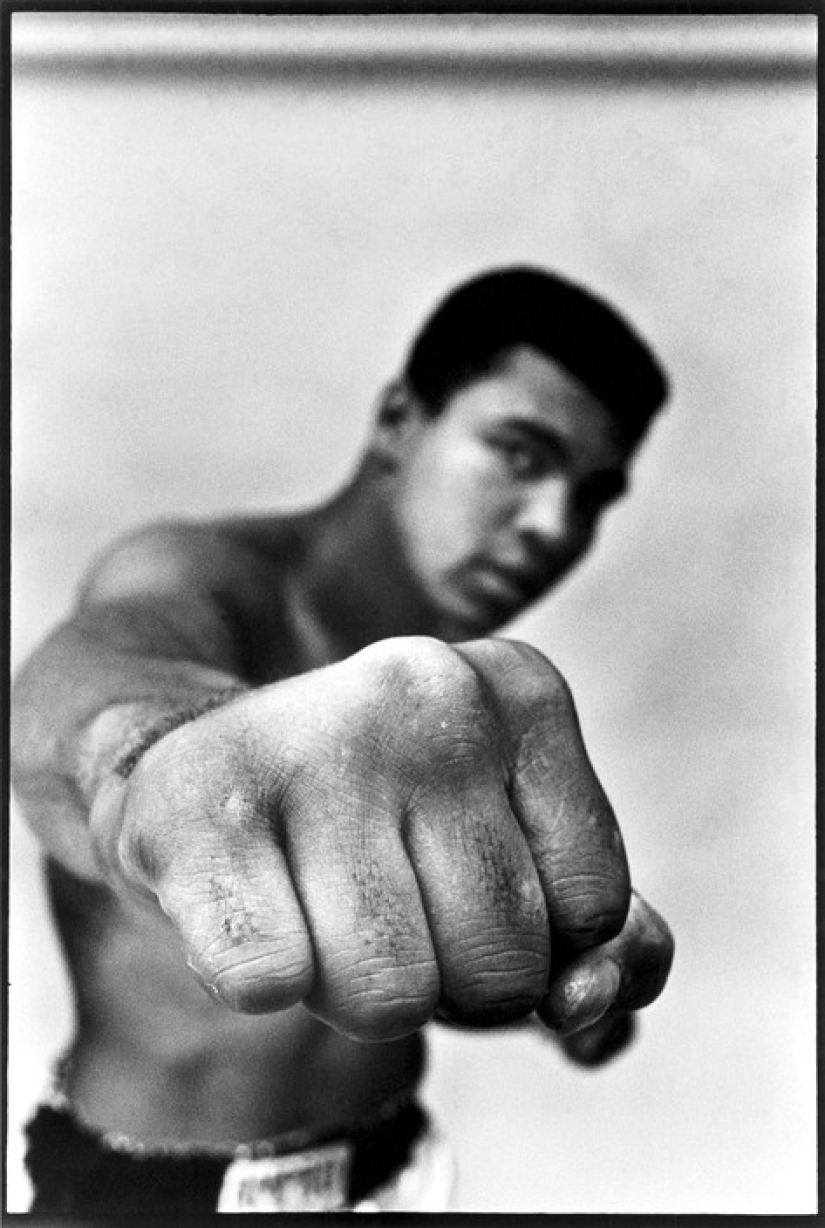
He left the world with thousands of magnificent photographs, many of which are considered iconic, such as the series of works with Muhammad Ali. They had been friends since the 1960s, when the young boxer was still known as Cassius Clay. Ali interested Hepker not only as an athlete, but also as a person. That is why the photographs turned out special.

Hepker is rightly considered the great boxer's documentarian. He took pictures of his first successes and the last photos of the champion, who, due to his progressing illness, no longer recognized his friend. Thomas Hepker photographed for over 60 years and ended his career at the age of 84.


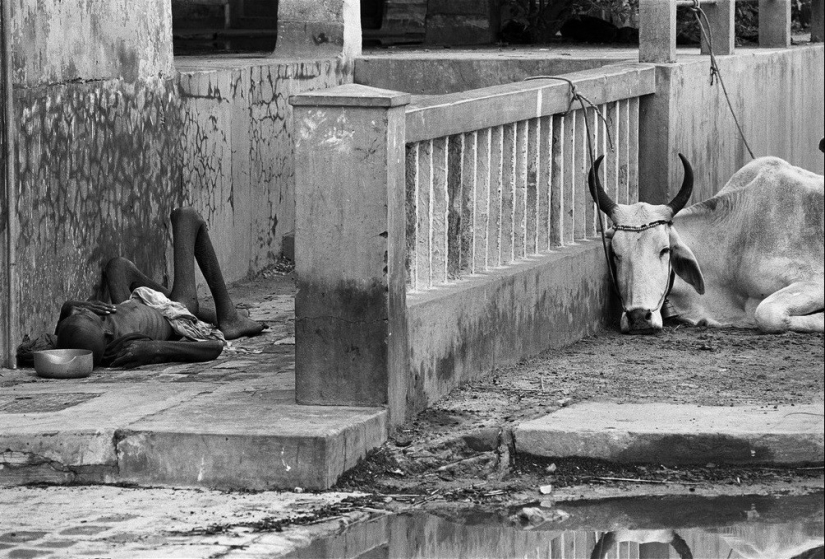


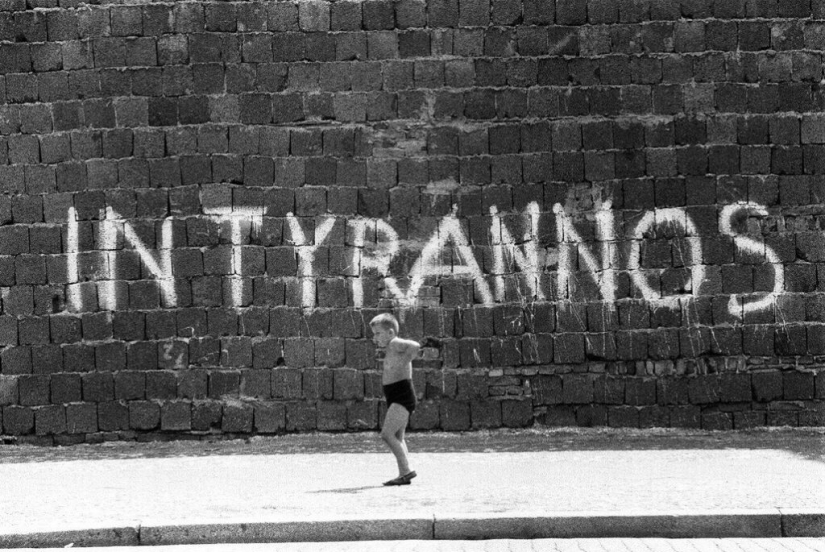
Thomas Hoepker left behind more than just an archive of photographs – he left behind a visual chronicle of human life with its vulnerability, dignity and paradoxes. His photographs do not require big words, they speak for themselves, quietly, precisely and piercingly. What does good documentary photography mean to you? Should it simply record reality – or can it change it?
Recent articles

It's high time to admit that this whole hipster idea has gone too far. The concept has become so popular that even restaurants have ...

There is a perception that people only use 10% of their brain potential. But the heroes of our review, apparently, found a way to ...
New Year's is a time to surprise and delight loved ones not only with gifts but also with a unique presentation of the holiday ...