
The Last Pagans of Europe, Residents of Mari El through the Eyes of a Japanese Photographer
Categories: Nations | Photo project
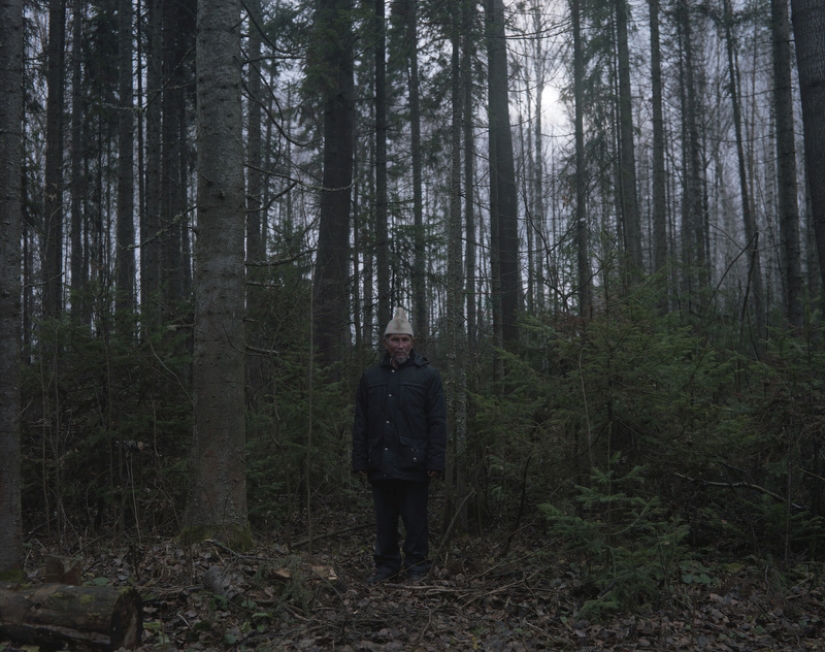
By Pictolic https://www.pictolic.com/article/the-last-pagans-of-europe-residents-of-mari-el-through-the-eyes-of-a-japanese-photographer.htmlMari El is a small republic in the Volga region, where the original pagan culture has been preserved: special rituals, traditional holidays, utensils and clothing. Japanese photographer Ikuru Kuwajima spent about a year in Mari El, working on the project "Mari Chodyra", or "Mari Forest".
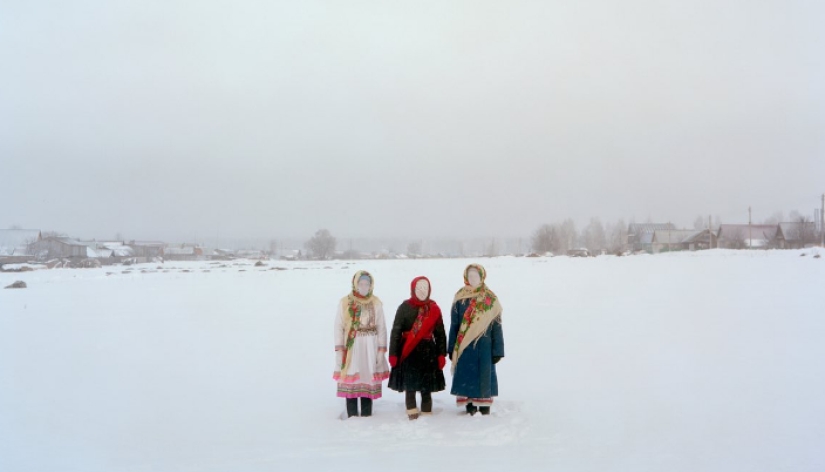
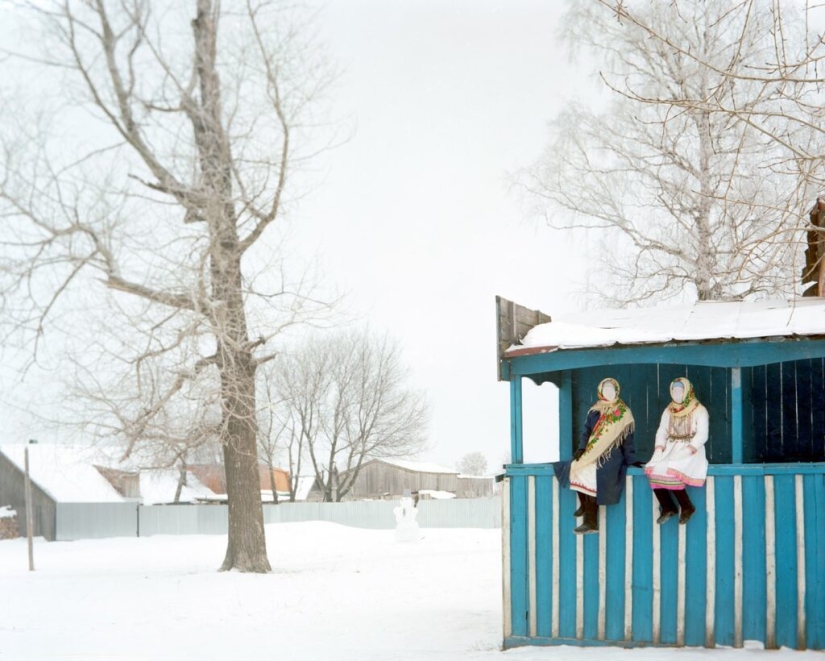
According to the 2010 census, there are just under 550 thousand Mari in Russia, of whom approximately half live in the Mari El Republic.

Although the Mari adopted Orthodoxy, pagan traditions and belief in witchcraft rituals have been preserved in the republic.
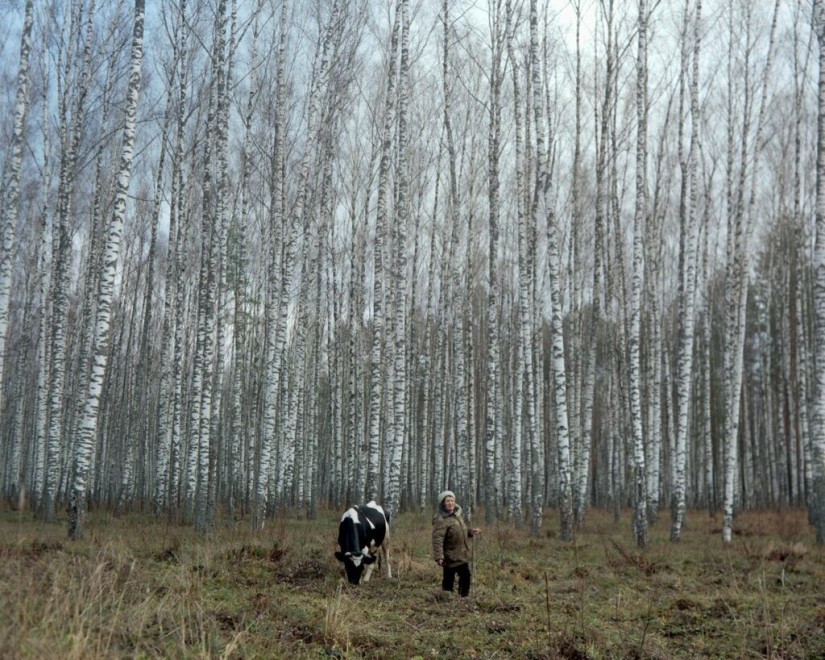
Paganism is characterized by the cult of omnipotent nature. Nature is considered a source of good, and it is believed that it can always help a person.
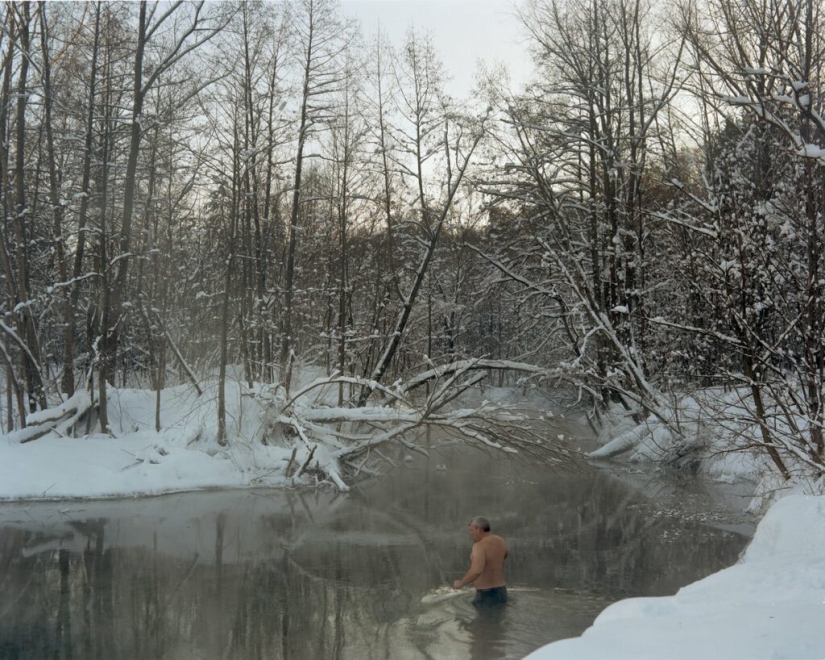
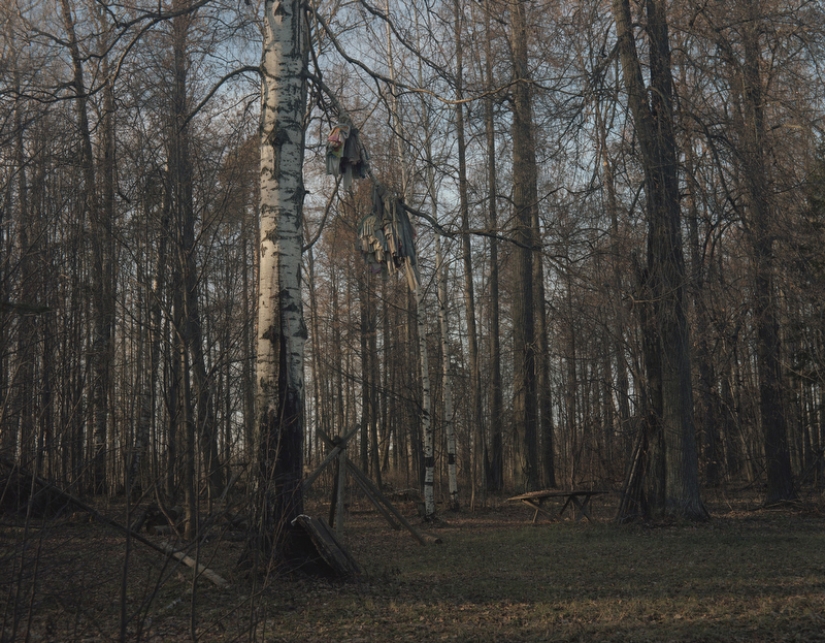
The Mari believe in “kiremeti” – spirits that live in special groves.

Sacred places are marked with ribbons on trees.

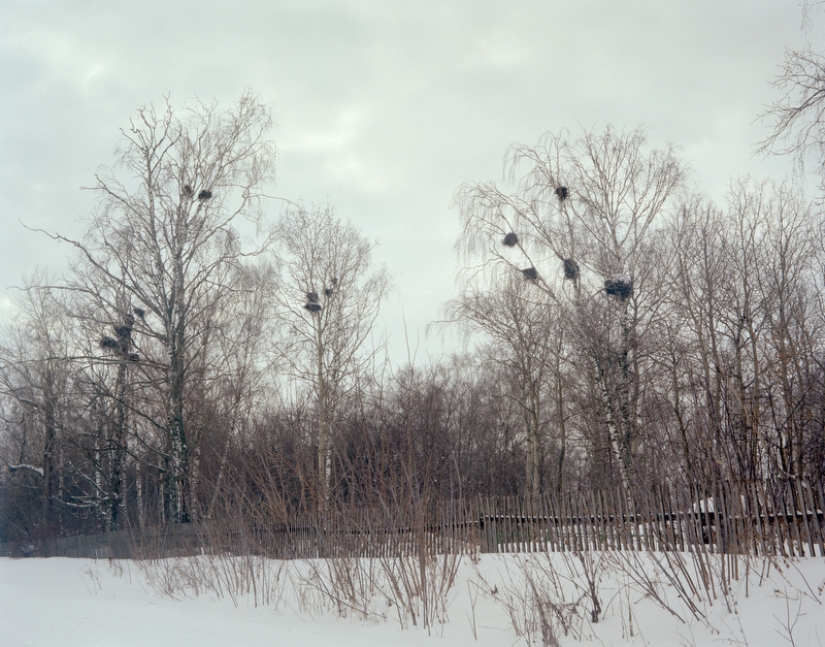
Because of their devotion to nature, villagers have a special relationship with animals and birds. Some of them are considered especially significant in Mari mythology, such as geese.

Horses, bulls, sheep and poultry can be sacrificed to the gods. Before this, you need to make sure that the animal is calm.
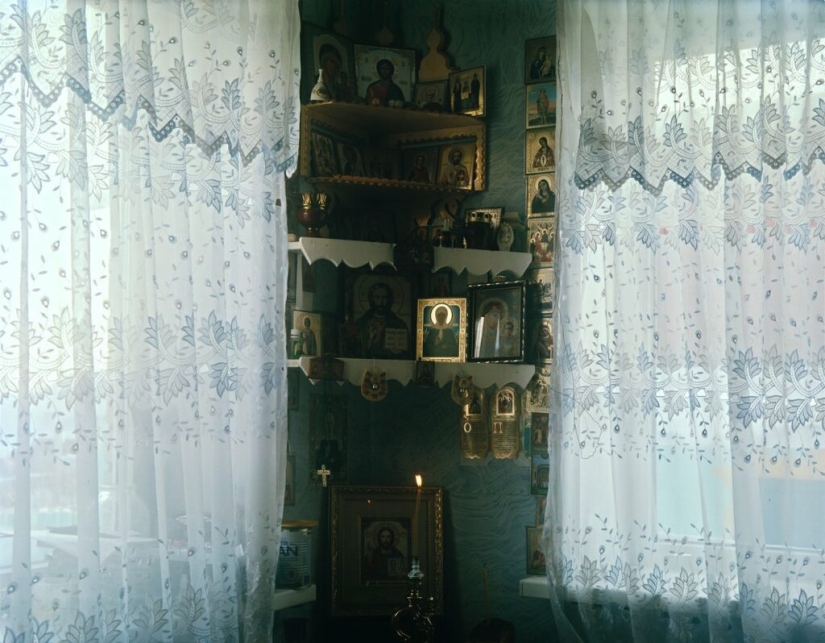
Paganism in Mari El coexists with the Orthodox faith.

Most of Mari El is located on the left bank of the Volga. There are about 700 lakes and ponds in the republic.
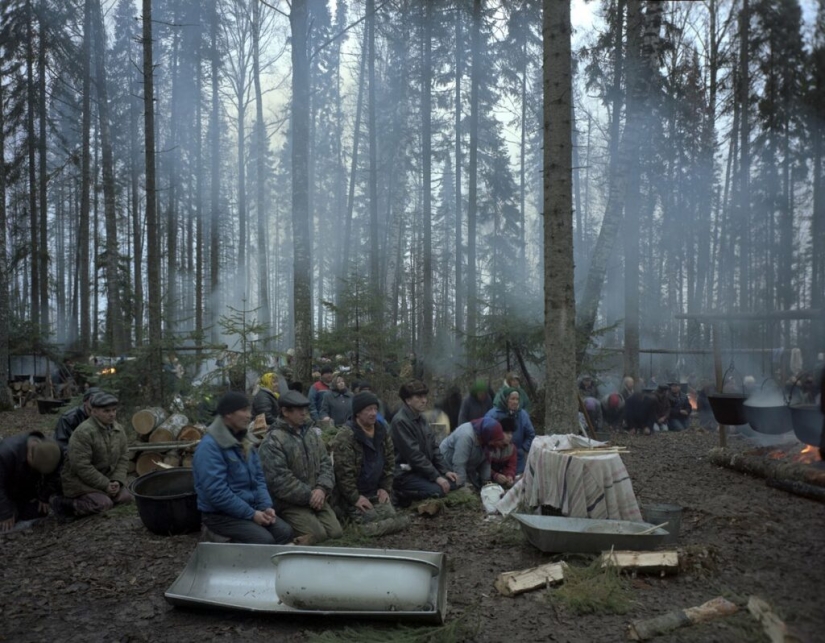
In the forests, the Mari conduct rituals, sacrifices, holidays, and mass prayers: they ask nature for rain or sun.

The photographer speaks Japanese, Russian and English and has previously worked in Eastern Europe and Central Asia, including Ukraine and Kazakhstan.
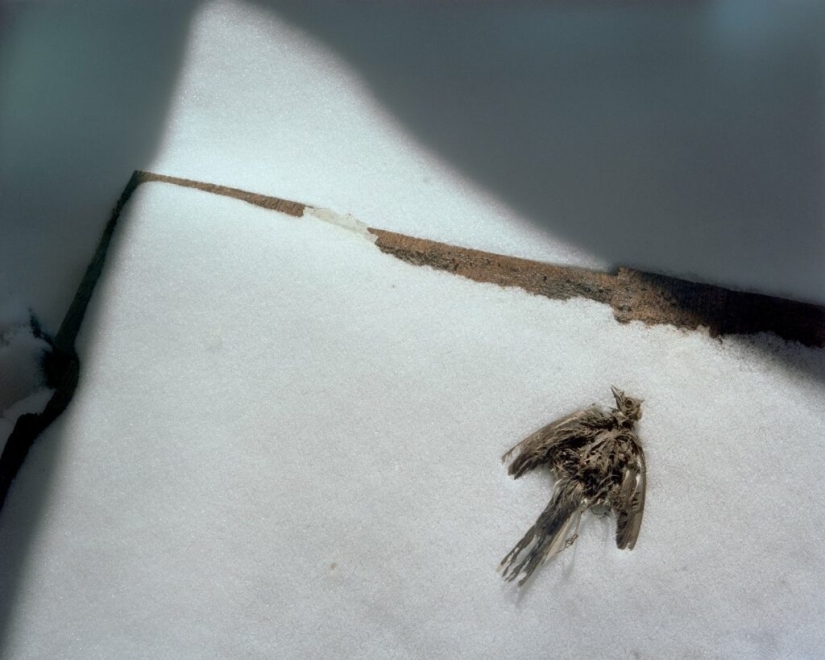
In 2013, Kuwajima's work was exhibited at the Venice Biennale in the Central Asian Pavilion.

Life in the Mari forest is unlike what we are used to in modern cities. Kuwajima felt as if “time stood still.”

The Mari had to work hard to preserve their culture.
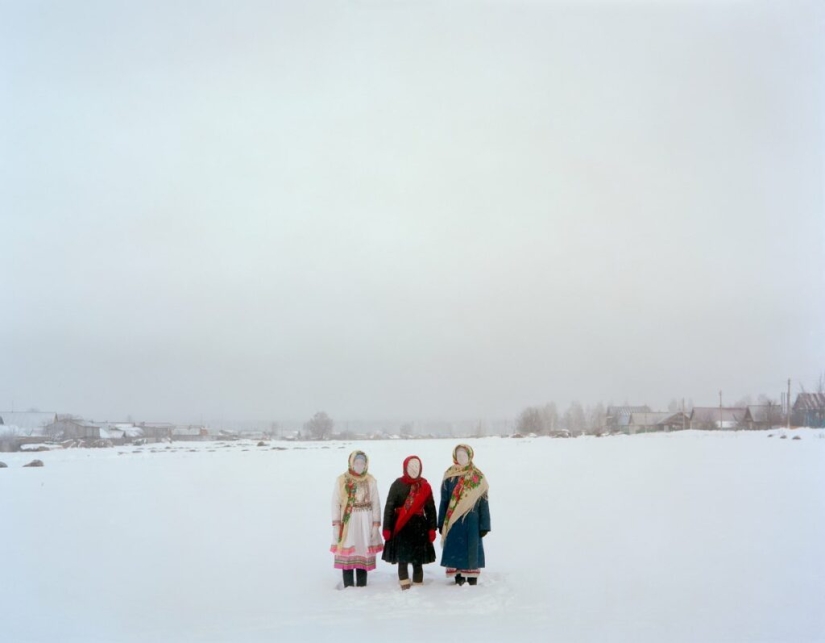
This is what the annual World Prayer of the Mari religion and the New Year celebration - "Shoryk-yol" (in Mari - "sheep's leg") looks like. Adults and children look for a white lamb in a dark sheepfold, which signifies good luck in the coming year. At the same time, the faces of the carolers are covered - so that a bad word does not fly out.

In the cities of Mari El, the desire of the Mari to preserve their identity is also noticeable: residents are adapting old traditions to modern living conditions.

This traditionalism allows the Mari to be called “the last pagans of Europe.”

In 2013, Kuwajima’s photo project became part of the exhibition “Mari. Research”, organized by the Department of Research Arts project at the Winzavod Center for Contemporary Art.

Recent articles

It's high time to admit that this whole hipster idea has gone too far. The concept has become so popular that even restaurants have ...

There is a perception that people only use 10% of their brain potential. But the heroes of our review, apparently, found a way to ...
New Year's is a time to surprise and delight loved ones not only with gifts but also with a unique presentation of the holiday ...