
The Hippie Trail: The Legendary Freedom Route Across the Continent
Categories: History | Travel | World
By Pictolic https://www.pictolic.com/article/the-hippie-trail-the-legendary-freedom-route-across-the-continent.htmlIn the late 1960s and early 1970s, thousands of young people from all over the world embarked on an incredible journey that would change their lives forever. They sought spiritual enlightenment, adventure, and freedom from the conventions of Western society. Their journey led from Europe to India, through deserts, mountains, and ancient cities. This route became known as the "Hippie Trail," and its story continues to inspire travelers today.
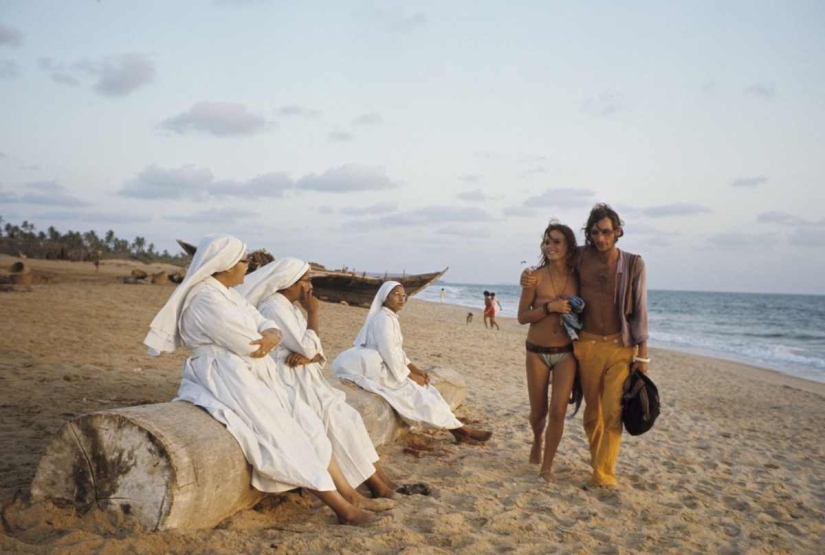
Imagine: young men and women from all over the world embarking on a long journey, stretching thousands of kilometers, to discover new meaning, experience spiritual insights, and live vibrant adventures. This is how the legendary "hippie trail" emerged over fifty years ago, later becoming the prototype for backpacking, a popular travel style among young people.
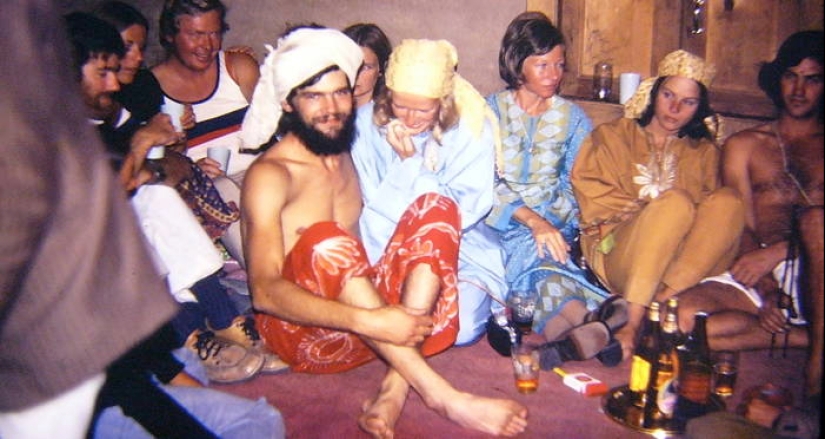
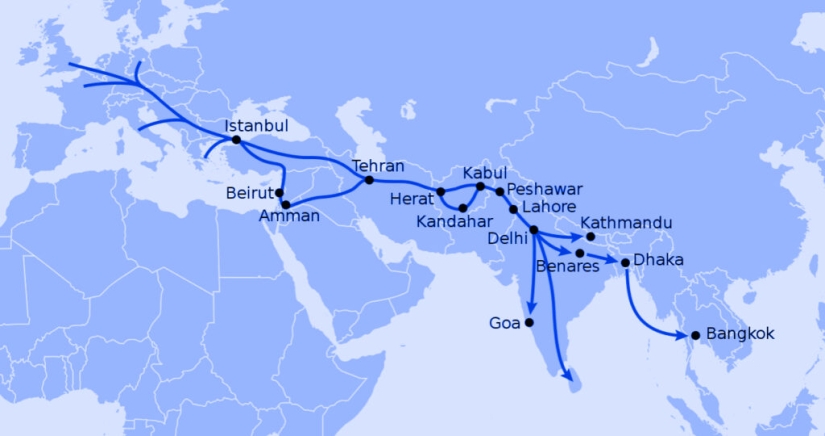
The "hippie trail" began in various locations across Western Europe—most often Amsterdam, London, or Munich. The ultimate goal was the same: to reach India and Nepal, where, according to counterculture figures, true enlightenment could be found. Goa, Kathmandu, and the holy city of Varanasi were particularly alluring.
The route's peak popularity occurred between 1968 and 1973. At that time, the hippie movement was at its peak, and young people were rejecting the materialism and conservatism of post-war society en masse. Journeying to the East became a symbol of liberation and the search for alternative values.
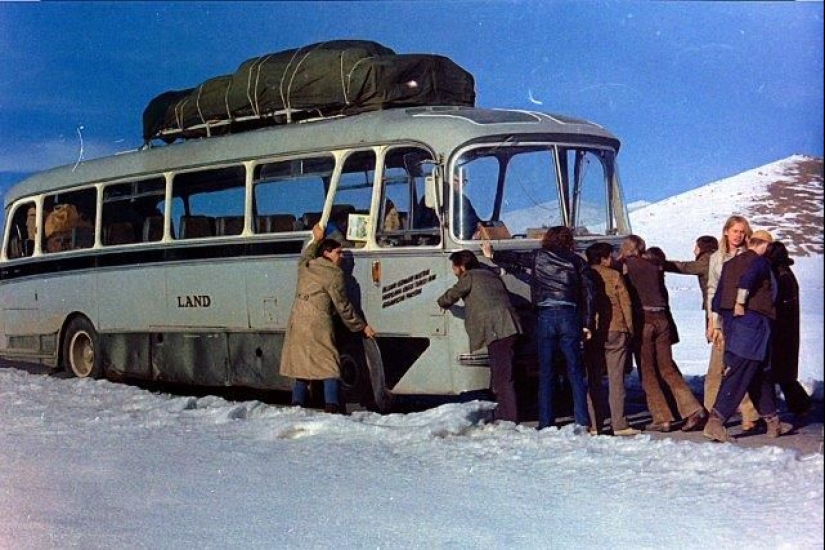
The journey along the "hippie trail" often took many months, sometimes even years. People traveled by various means: by car, hitchhiking, cheap buses, and even on foot. The world's longest bus route, from London to Calcutta, was popular. It was a true express train, capable of reaching their destination in just 50 days! However, not everyone could afford a ticket on this route.
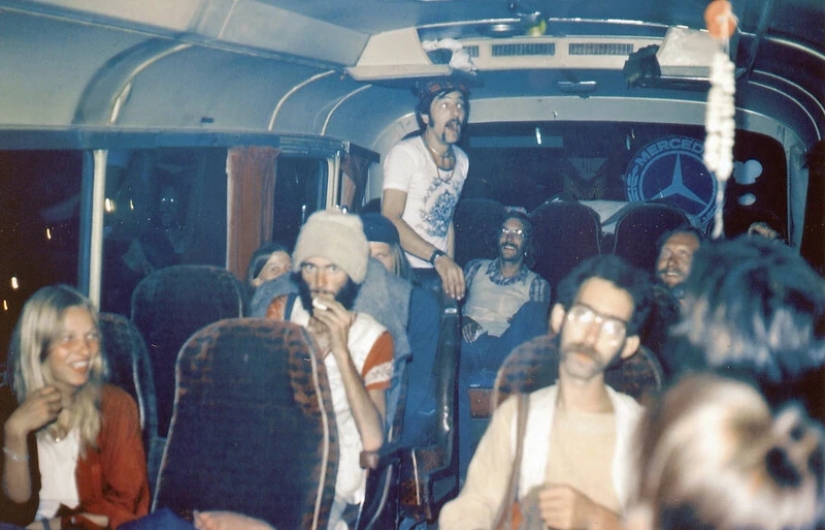
Most travelers hitchhiked or traveled in the colorful Volkswagen minibuses that became the hallmark of the era. Some even pooled their resources to buy used buses and painted them with psychedelic patterns. A trip could take anywhere from a few weeks to several months, depending on budget and the desire to stop in interesting places.
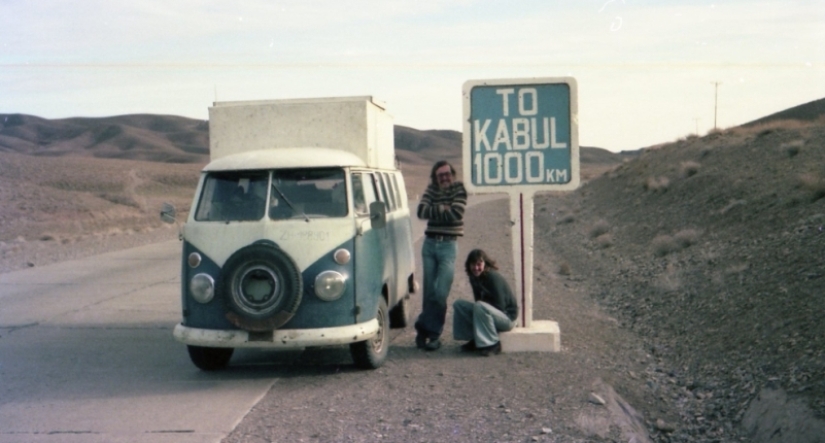
The route typically passed through Germany, Austria, the former Yugoslavia, Bulgaria, and Turkey. Travelers then crossed Iran, Afghanistan, and Pakistan before finally arriving in India. Each country greeted travelers with its own wonders: the Byzantine mosques of Istanbul, the colorful bazaars of Tehran, and the majestic Hindu Kush Mountains.
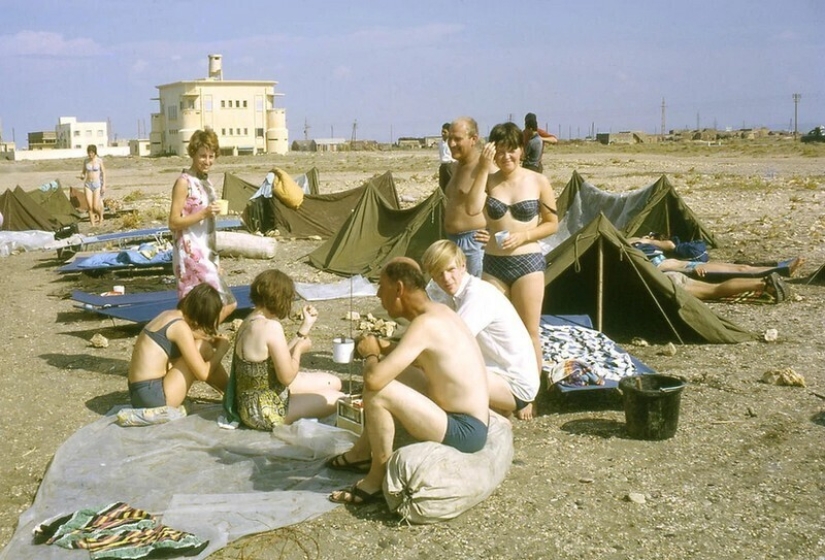
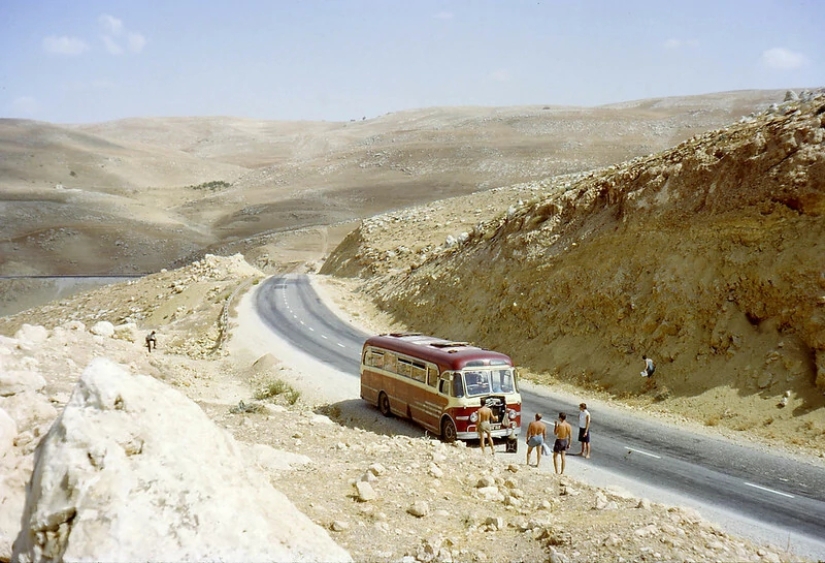
Most often, it was young people who set out on the journey, but there were also entire families who decided to explore the world in this unusual way. The most daring traveled with children, sometimes even infants. Residents of Europe, the United States, and Australia set out on the "hippie trail." Americans crossed the Atlantic and began their journey from a European city.
Afghanistan and its capital, Kabul, held a special place in the history of the Hippie Trail. In the late 1960s, this city was safe and friendly—quite unlike the one we know today. It was home to the famous Chicken Street district, with its cheap guesthouses and cafes serving local food and allowing hashish smoking.

Afghanistan was one of the most affordable countries on the route. Many travelers stayed in Kabul for weeks or even months, immersing themselves in the local culture, studying Eastern philosophy, and simply enjoying the atmosphere of absolute freedom. The city became a true mecca for hippies from all over the world. The Afghan capital, with its markets and hippie communes, seemed like paradise.
What were young Europeans and Americans looking for on the other side of the world? Many were fascinated by Eastern philosophy, practiced meditation and yoga, and studied Buddhism and Hinduism. In Indian ashrams, one could encounter disciples of famous gurus who had lived in communes for years and mastered ancient teachings.
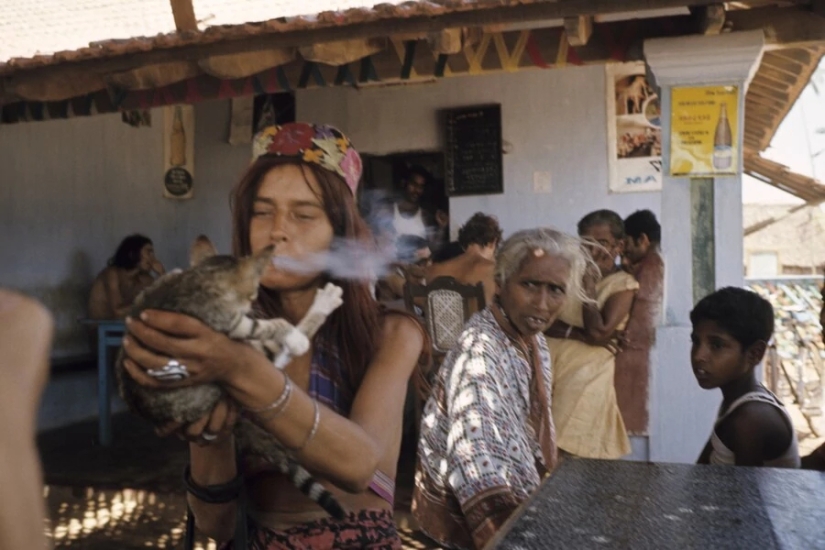
However, not everyone was seeking enlightenment. For some, traveling was a way to escape a boring life and strict parents. Others went for cheap drugs—hashish was cheap in Afghanistan and Nepal. And some simply wanted to see the world and have adventures they could tell their grandchildren about.
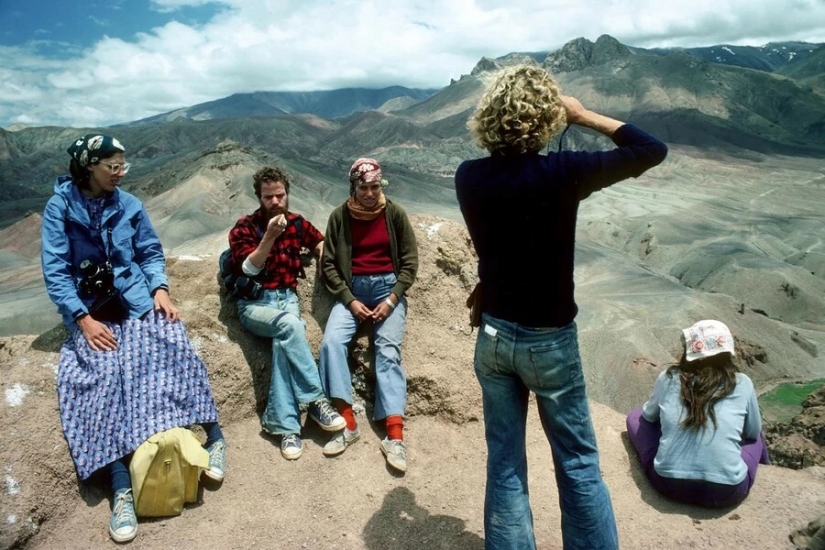
This motley crowd differed from ordinary tourists. The hippies had little money, and some had none at all. Therefore, many were poorly dressed and spent the night in cheap motels, tents, or simply on park benches and lawns. These new-generation pilgrims ate whatever they could find. Some ate in fast food restaurants, but most bought groceries in stores and had picnics outdoors.

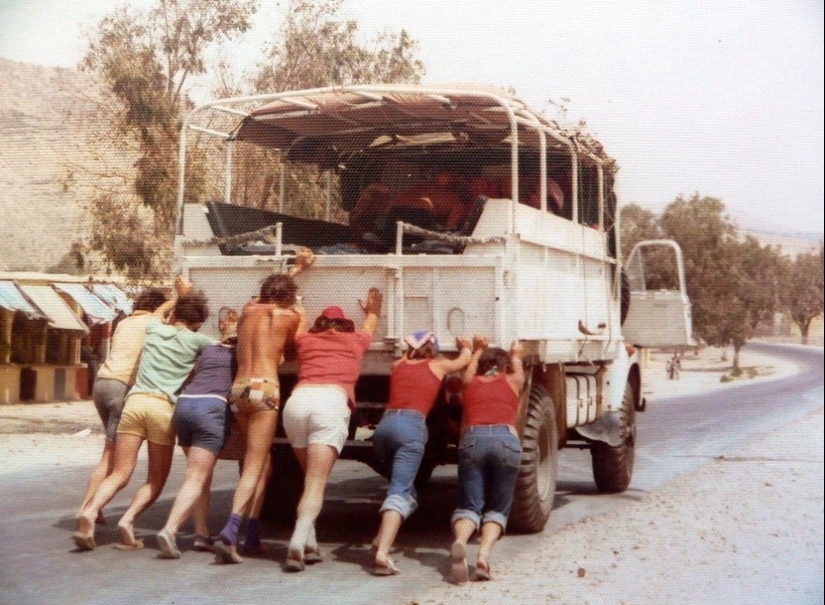
The travelers were generally modest and unpretentious. Most carried only a backpack. Hippies opted for local public transportation, budget accommodations, and modest food. This approach allowed them to maximize their travel time, and for many, the journey was more valuable than the destination. The young people enjoyed the freedom, nature, and socializing, and experienced a wealth of positive emotions.
The "hippie trail" facilitated an incredible cultural exchange between East and West. Travelers brought Indian clothing, music, incense, and philosophical ideas to Europe and America. At the same time, Western culture penetrated the most remote corners of Asia.
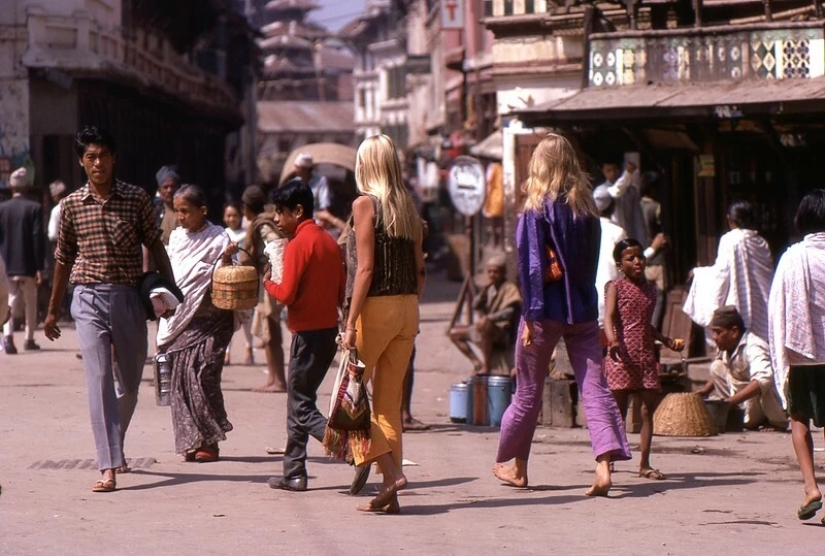
Many legendary musicians of the era traveled this route or were influenced by Eastern culture. The Beatles visited India and studied with Maharishi Mahesh Yogi. Led Zeppelin was inspired by Moroccan music. All psychedelic music of the seventies bore the imprint of this great cultural fusion.
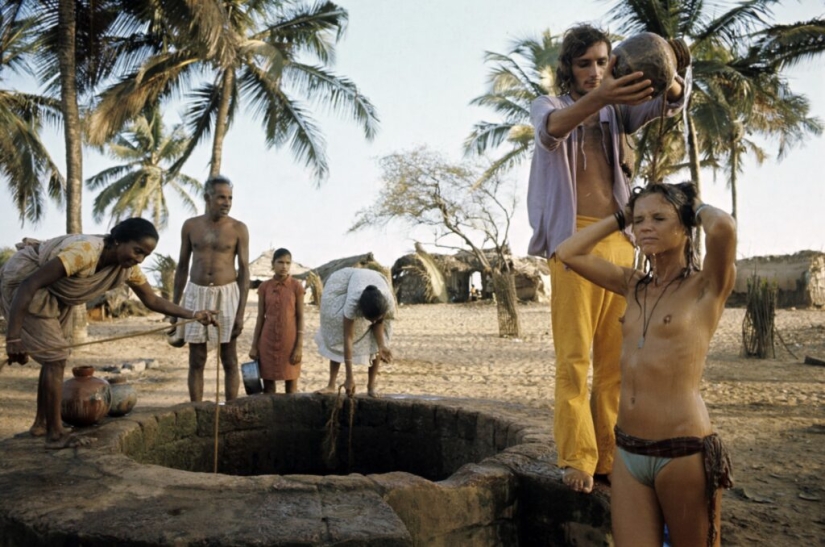
By the late 1970s, the "Hippie Trail" had virtually disappeared. The Islamic Revolution in Iran in 1979 closed the country to Western travelers. The Soviet invasion of Afghanistan that same year turned the peaceful country into a war zone. Pakistan tightened visa regulations and drug laws.
Youth culture itself changed, too. The romantic ideals of hippies gave way to the punk movement and the more practical values of the 1980s. Hippies grew up, and the world changed. Cheap flights made travel easier, but also less adventurous. The era of hitchhiking across continents is a thing of the past. But the legend remains.
Today, the "Hippie Trail" lives on in books, documentaries, and the memoirs of those who walked it. Many who took part in that journey still consider it the greatest adventure of their lives. Some remained in India, starting businesses or raising families there.
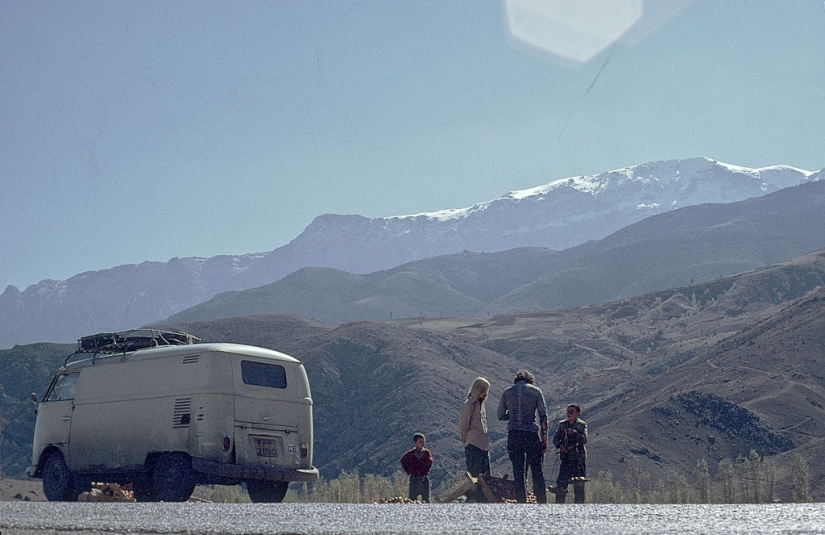
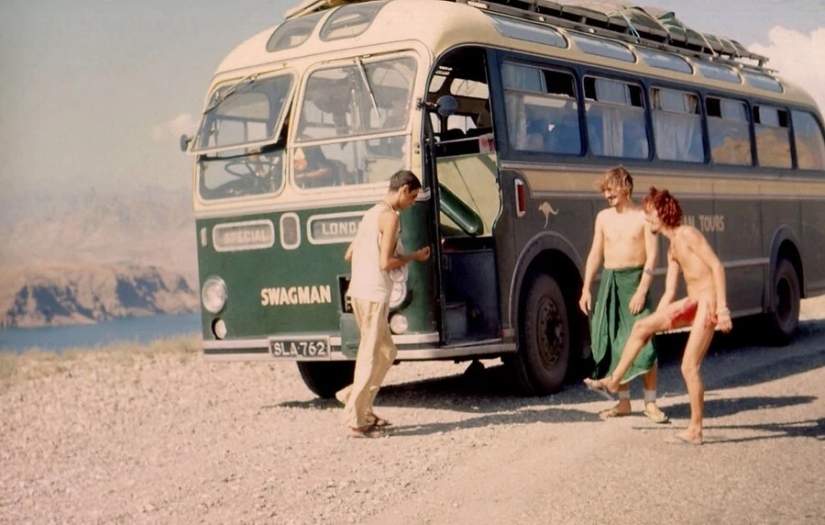
The route had a huge impact on the development of tourism infrastructure in Asia. Those same guesthouses in Goa and Kathmandu that once hosted hippies were transformed into hotels for backpackers from all over the world. Neighborhoods where travelers of the 1970s hung out became tourist hubs. For example, in Kathmandu, the Jhochhen Tole neighborhood, better known as Freak Street, still survives to this day. Thousands of hippies once flocked there after their travels.
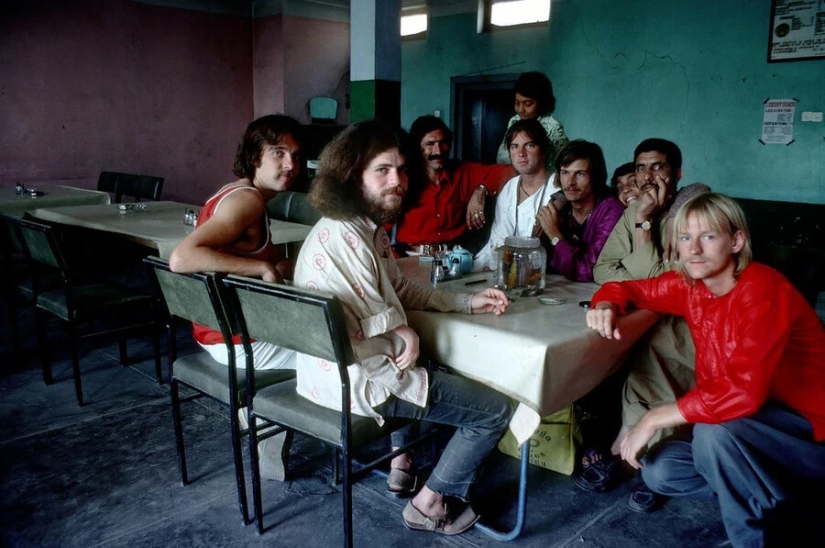
Walking the classic "Hippie Trail" is impossible these days due to political instability in the region. Afghanistan remains dangerous, even though the Taliban has begun to develop tourism, and obtaining a visa to Iran has become more difficult. However, modern travelers are finding alternative routes through Central Asia or using air travel to bypass problematic sections.
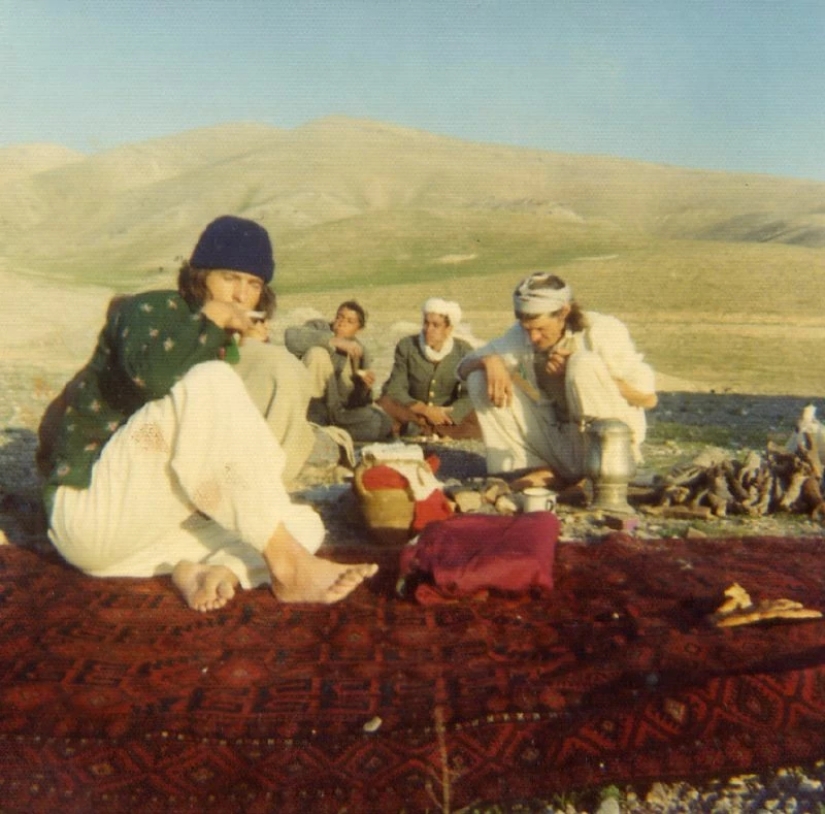
Some enthusiasts still attempt to recreate the legendary journey, adapting the route to modern realities. They travel through Turkey, Georgia, Azerbaijan, and Central Asia, then reach India via Pakistan or by air. Of course, it's no longer the romantic adventure of the 1970s, but the spirit of freedom and thirst for discovery remain the same.
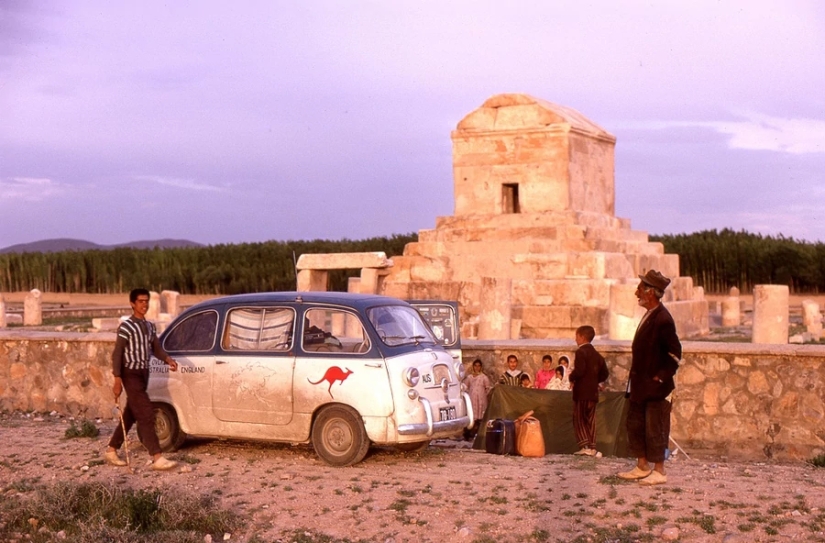
The "Hippie Trail" has forever gone down in history as a symbol of an entire era—a time when young people believed they could change the world by changing themselves. This route proved that sometimes, to find yourself, you need to travel halfway around the world on a decorated bus, stopping in every town where they serve delicious tea and tell amazing stories.
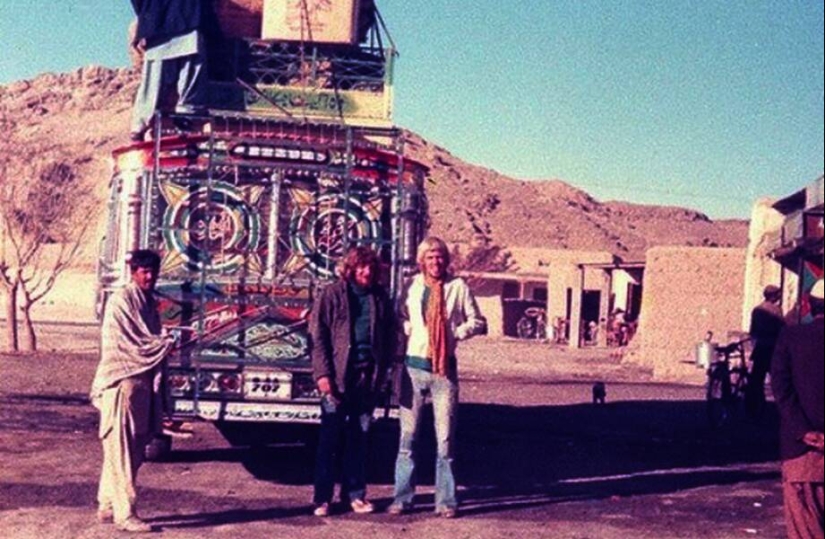
Would you risk going on a trip like this if it were safe—several months on the road, without a clear plan and on a minimal budget?
Recent articles

It's high time to admit that this whole hipster idea has gone too far. The concept has become so popular that even restaurants have ...

There is a perception that people only use 10% of their brain potential. But the heroes of our review, apparently, found a way to ...
New Year's is a time to surprise and delight loved ones not only with gifts but also with a unique presentation of the holiday ...