
The Frightening Beauty of Pierre Imans' Realistic Mannequins
Categories: Exhibition | Fashion | History
By Pictolic https://www.pictolic.com/article/the-frightening-beauty-of-pierre-imans39-realistic-mannequins.htmlThe beginning of the 20th century was marked by the rapid development of fashion. The industry required new styles, fabrics, equipment and, among other things, beautiful and functional mannequins. In 1911, at an exhibition in the Italian city of Turin, the Frenchman Pierre Imans presented his mannequins. He received the Grand Prix and opened a new era of realistic mannequins, beautiful and frightening.
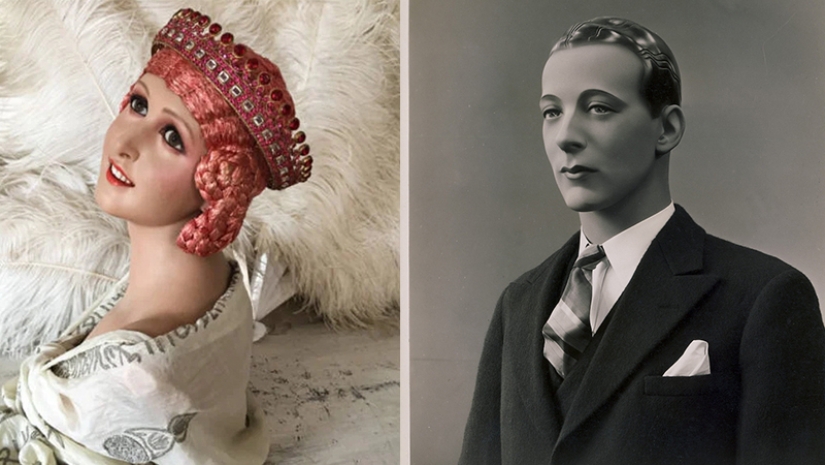
Pierre Ymans completely changed the concept of mannequins. Using wood, wax, porcelain and natural hair, he achieved the most realistic resemblance of his creations to people. In addition, the master gave the figures natural poses for a person, thanks to which they looked like they were alive.

After his triumph in Turin, having become famous, Pierre Imans founded a company in Paris that produced unique mannequins. All of them were handmade, so they were very expensive. A small shop or studio could not afford Imans' products. His main clients were large fashion houses and fashionable stores, such as Galeries Lafayette.

The masters of the Imansa company not only created mannequins, but also decorated stores with them. Real life stories unfolded behind the glass of the shop windows. The mannequins drank coffee at cafe tables, walked in the park, participated in social receptions, and played sports. It was a beautiful, ideal world that called on passers-by to enter the doors and, having paid for the goods, become part of a beautiful life.
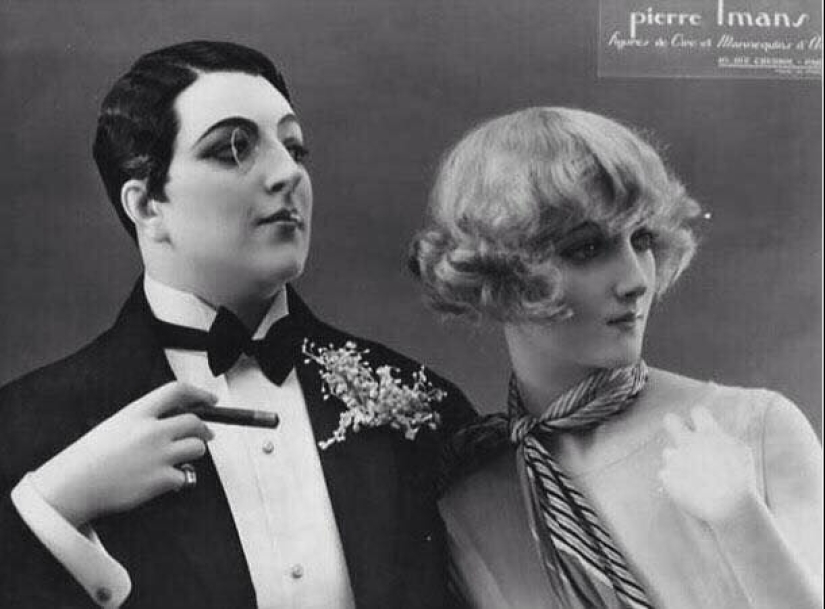
In the 20s and 30s, the realistic mannequin industry was in full swing. Companies from France, Britain, Italy and Germany competed intensely, trying to outdo each other in the realism of their products. Despite this, experts admitted that few managed to come close to the mannequins of the talented Frenchman.
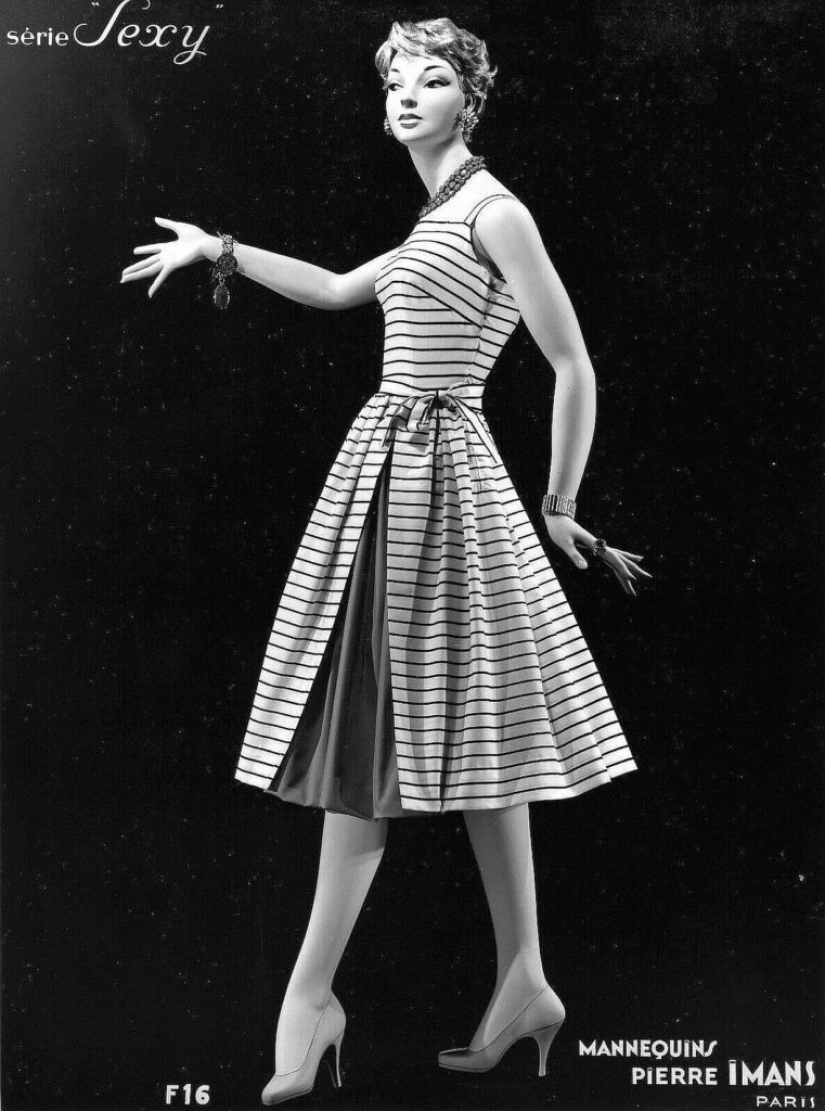
When Pierre Imans started his business, the wax figures of the famous Madame Tussauds Museum were considered the standard of realism. The master considered them boring and crude. Imans was much more interested in the works of the Parisian sculptor Alfred Grevin. He considered them masterpieces of art and role models.
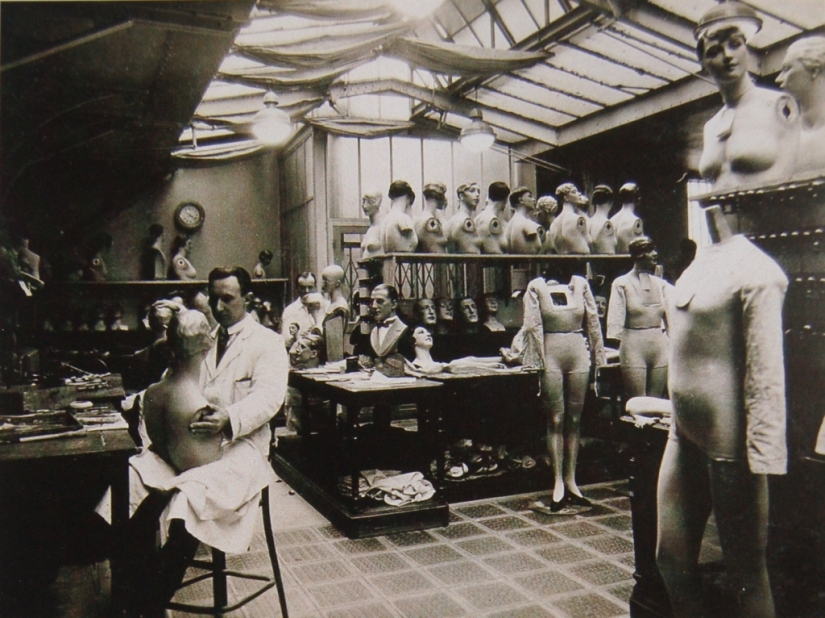
Grevin often used a technique known since antiquity. The ancients created wooden sculptures, and to give them maximum resemblance to people, they applied colored wax. By the end of the 19th - beginning of the 20th century, this technology was remembered, and it became popular in art.

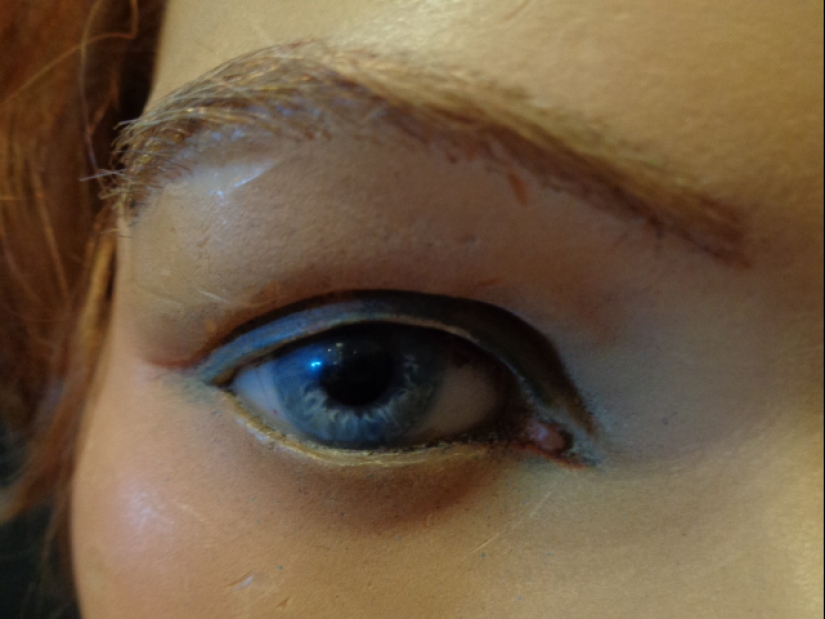
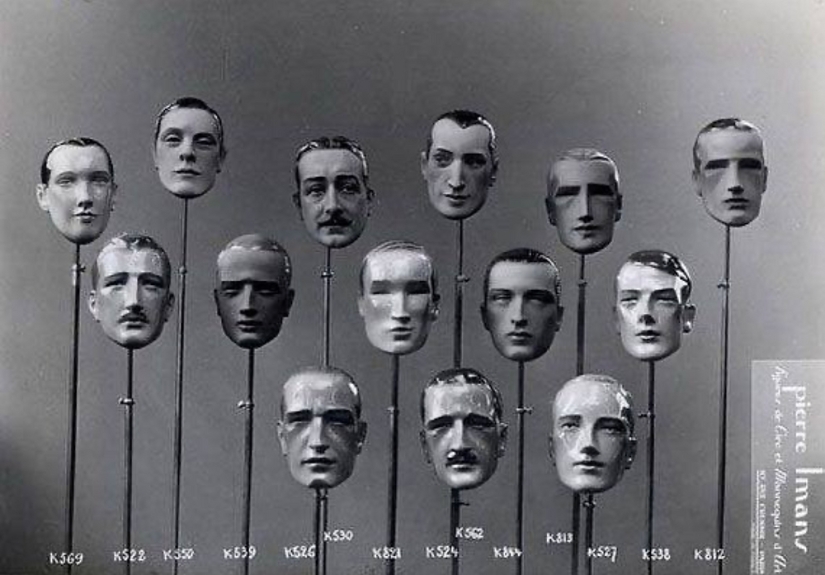
Pierre Ymans studied this technique thoroughly and achieved amazing results. His mannequins copied living people so accurately that they often caused anxiety in viewers. The artist never created identical works. Each mannequin was developed according to a separate sketch and was different from the others. The figures depicted people of different ages, men and women, tall and short, thin and stocky. They all had their own names: Elaine, Nadine, Bianca, Louis, Jean.
Each mannequin came with a wig made of natural hair, a set of eyelashes and special makeup. The specially created makeup made each figure even more unique. The mannequins' teeth were porcelain and looked absolutely real.
The eyes of the figures were cast from high-quality glass. With the right lighting, they looked alive and meaningful, which also sometimes frightened the viewers. Clients paid a lot of money, but they knew for sure that they would receive real works of art that would take their breath away.

The range of Imans' company included not only young, beautiful men, women and children. The master made mannequins of elderly people, carefully working out every wrinkle. They had wigs, grayed with hair and their poses corresponded to old age. Pierre Imans' creations were on the border between commerce and art and this made them especially valuable.
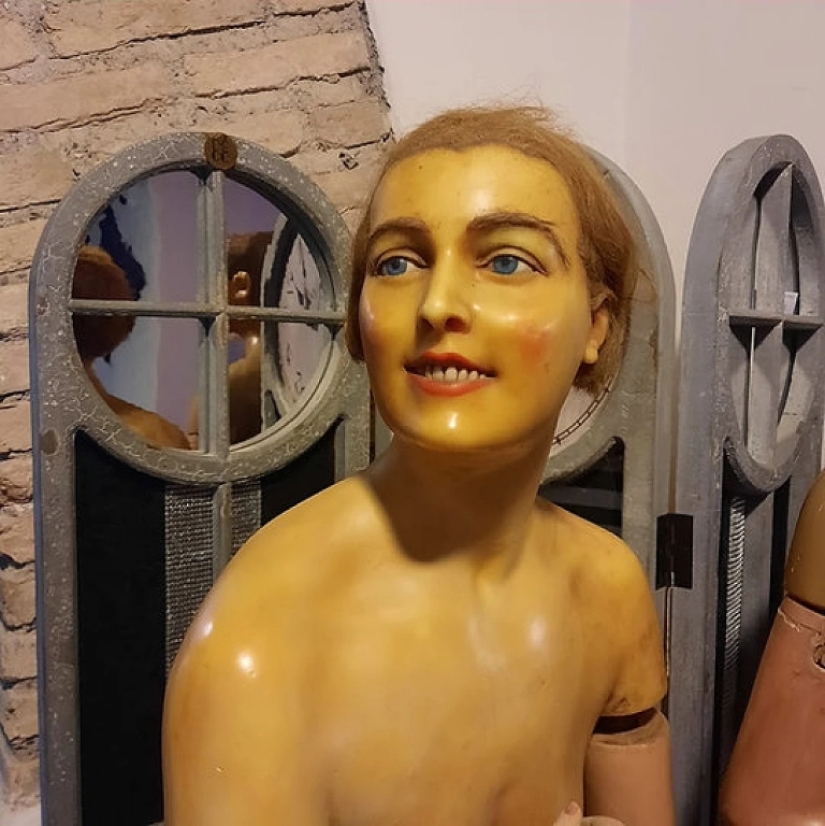
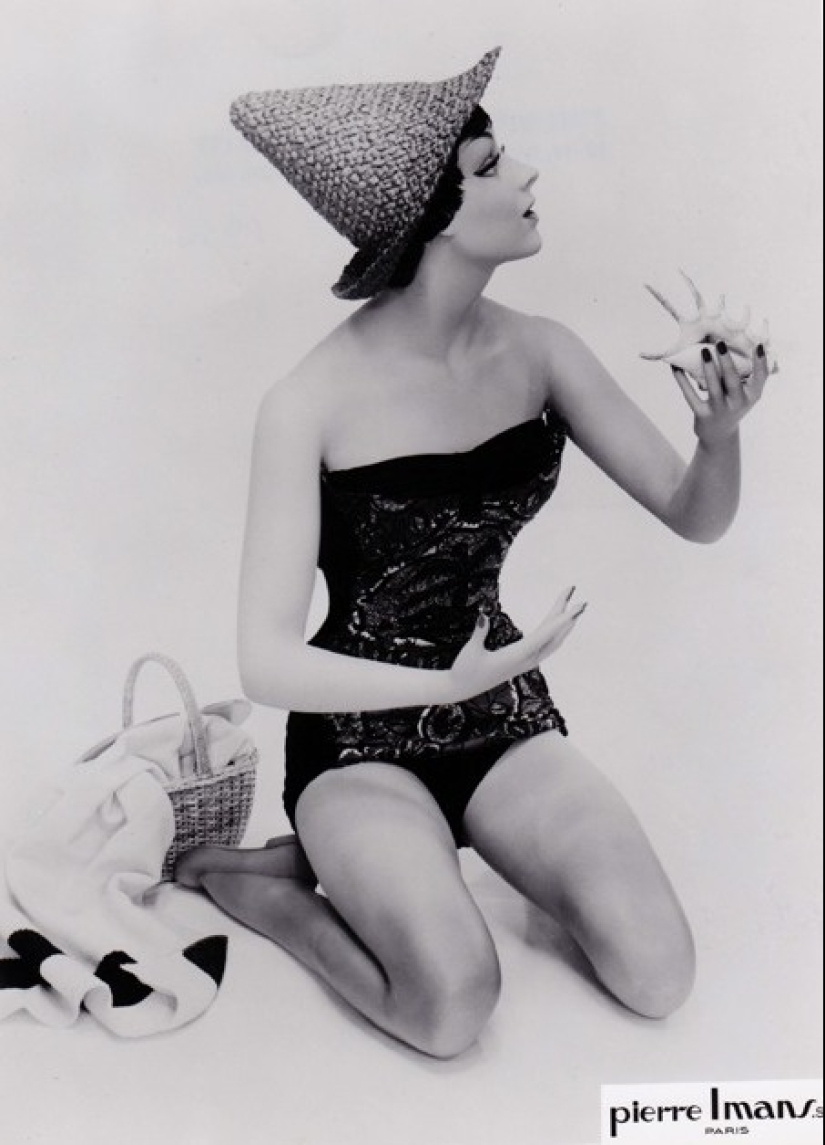
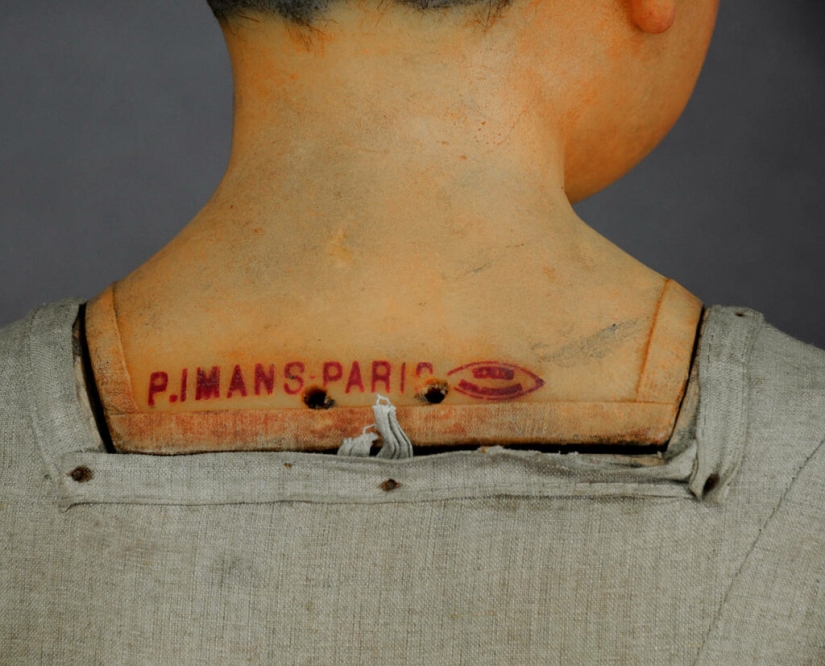
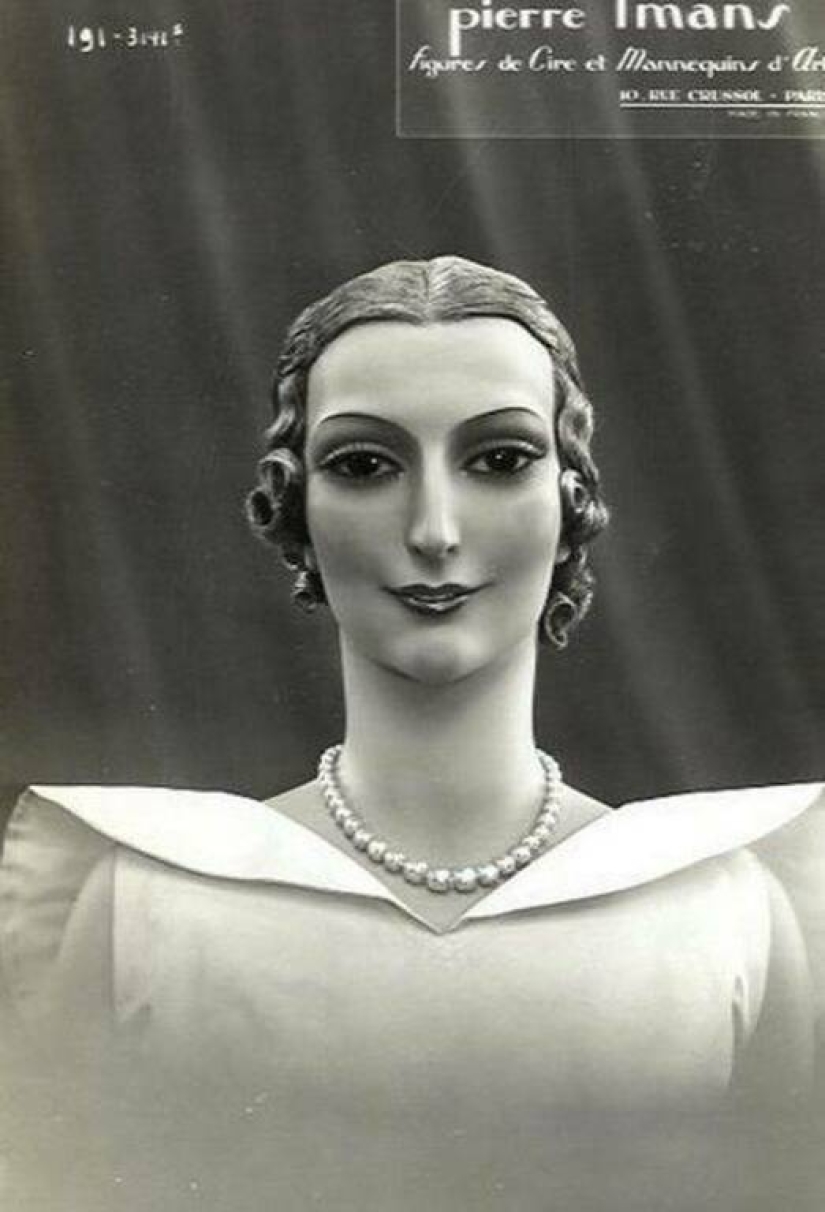


Pierre Imans' mannequins have become more than just shop window dolls - they have erased the line between art and commerce, between reality and illusion. What do you think: is such hyperrealism inspiring or, on the contrary, frightening? Would you like to see such figures on the streets and in shops today?
Recent articles

It's high time to admit that this whole hipster idea has gone too far. The concept has become so popular that even restaurants have ...

There is a perception that people only use 10% of their brain potential. But the heroes of our review, apparently, found a way to ...
New Year's is a time to surprise and delight loved ones not only with gifts but also with a unique presentation of the holiday ...