
Striped patterns, how manufacturers moved away from boring barcode design
Categories: Design and Architecture
By Pictolic https://www.pictolic.com/article/striped-patterns-how-manufacturers-moved-away-from-boring-barcode-design.htmlOn April 3, 1973, IBM officially introduced its development of UPC - one of the most common linear bar code symbols. Since then, this date has been considered the birthday of the barcode.
Currently, it is impossible to make a purchase without barcodes. They occur so often in our lives that we stop paying attention to them. Meanwhile, sometimes you should be more attentive, because you may have something very creative in your hands.
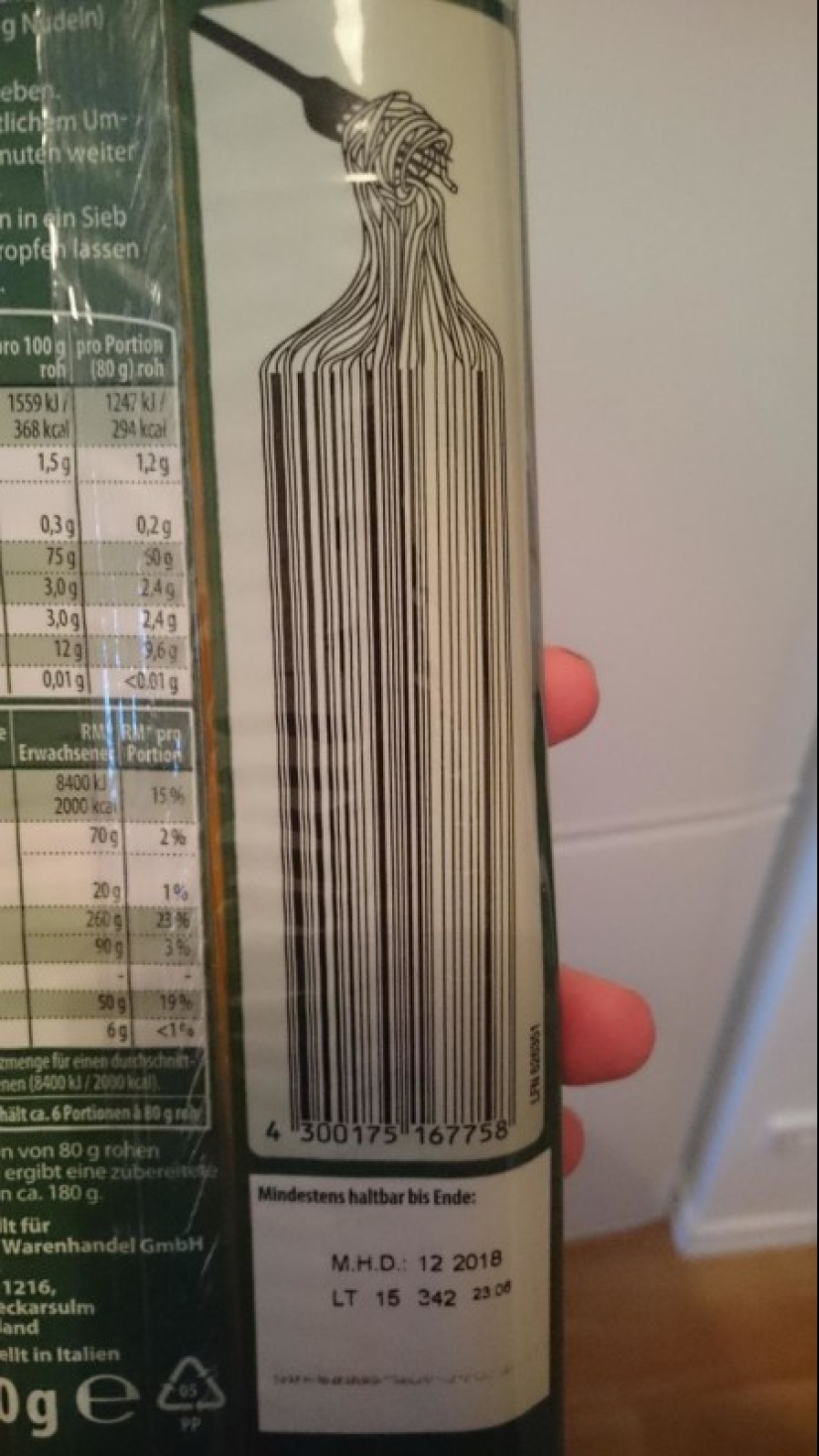 Barcode on a package of spaghetti.
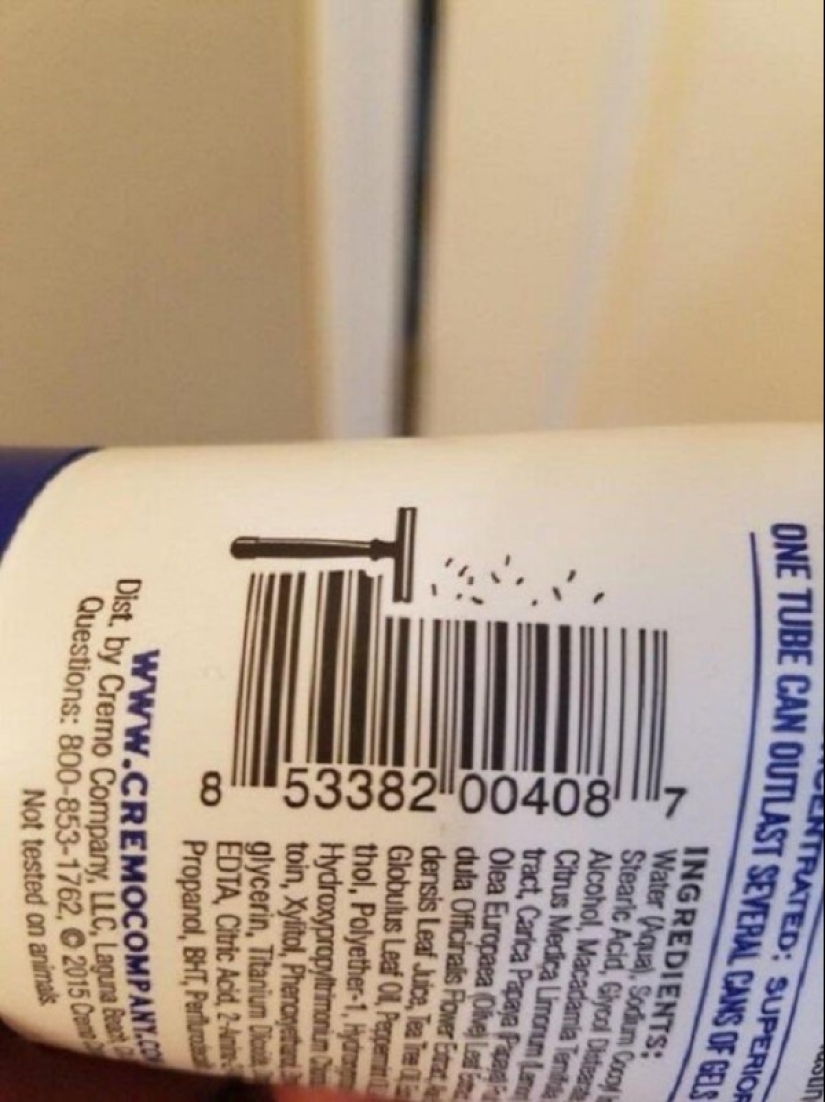 Shaving foam.
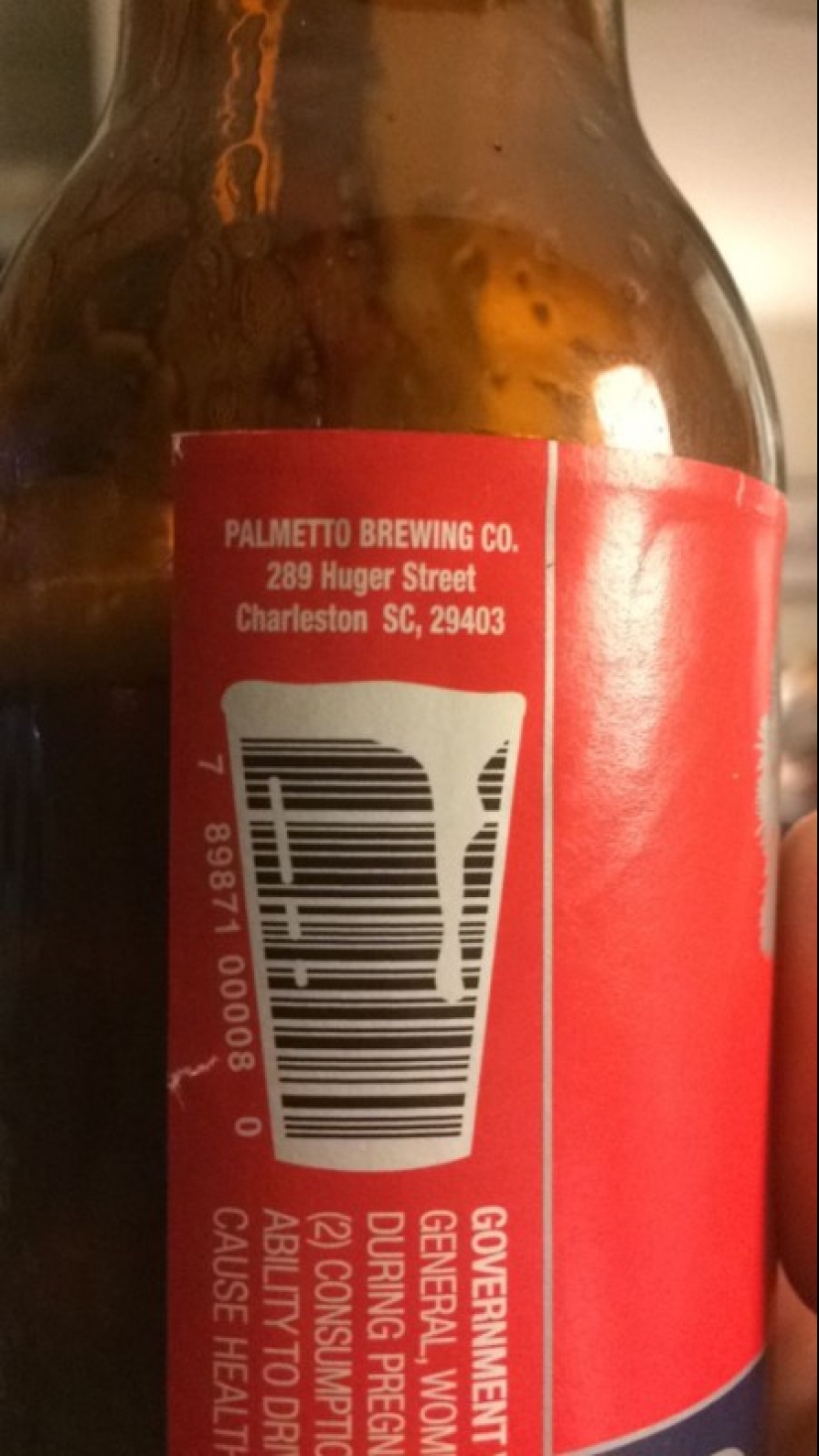
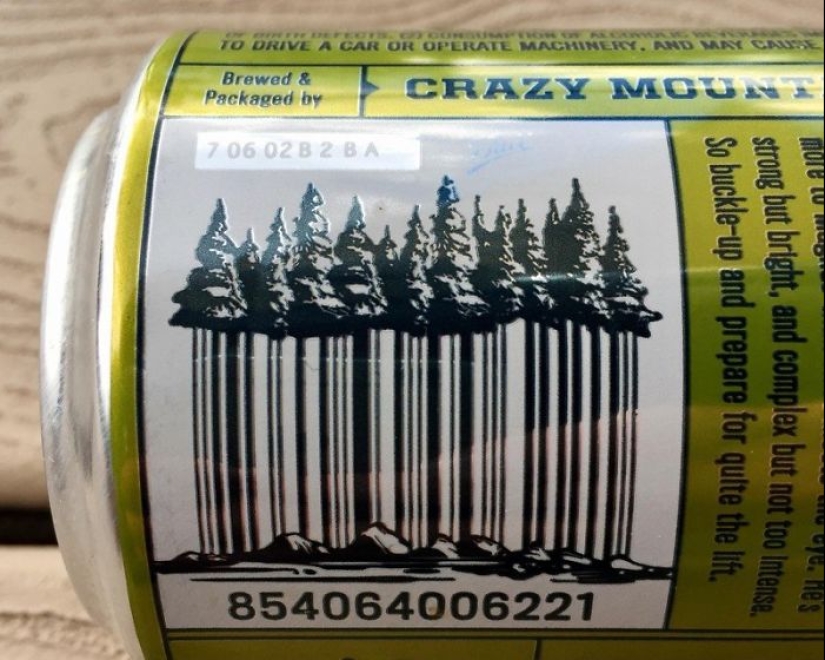 Can of beer.
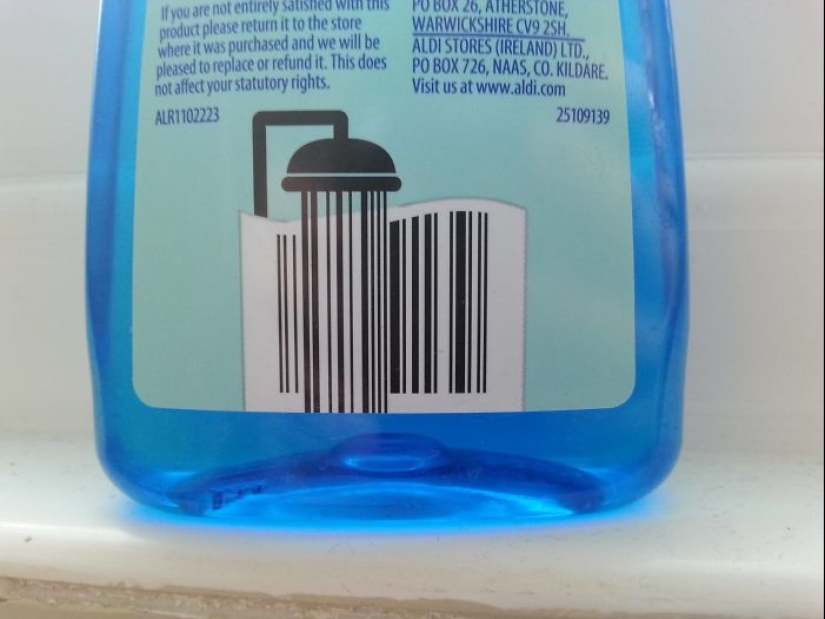 Shower gel.
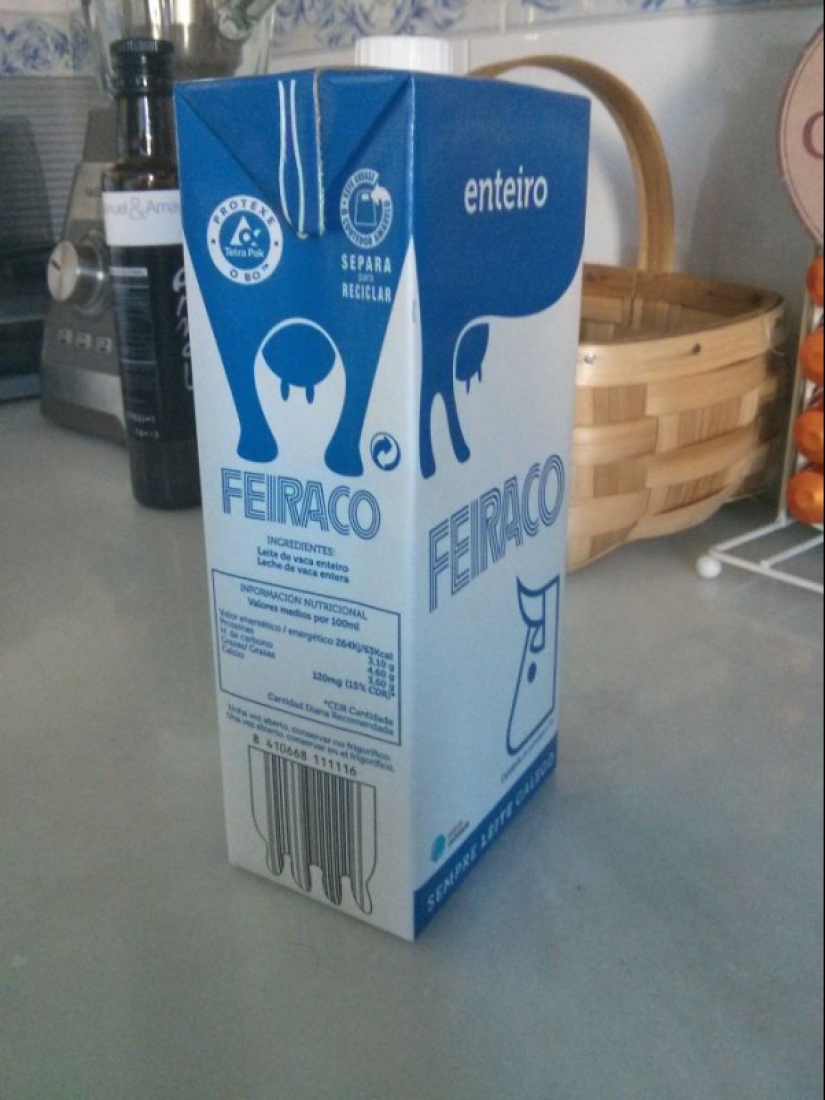
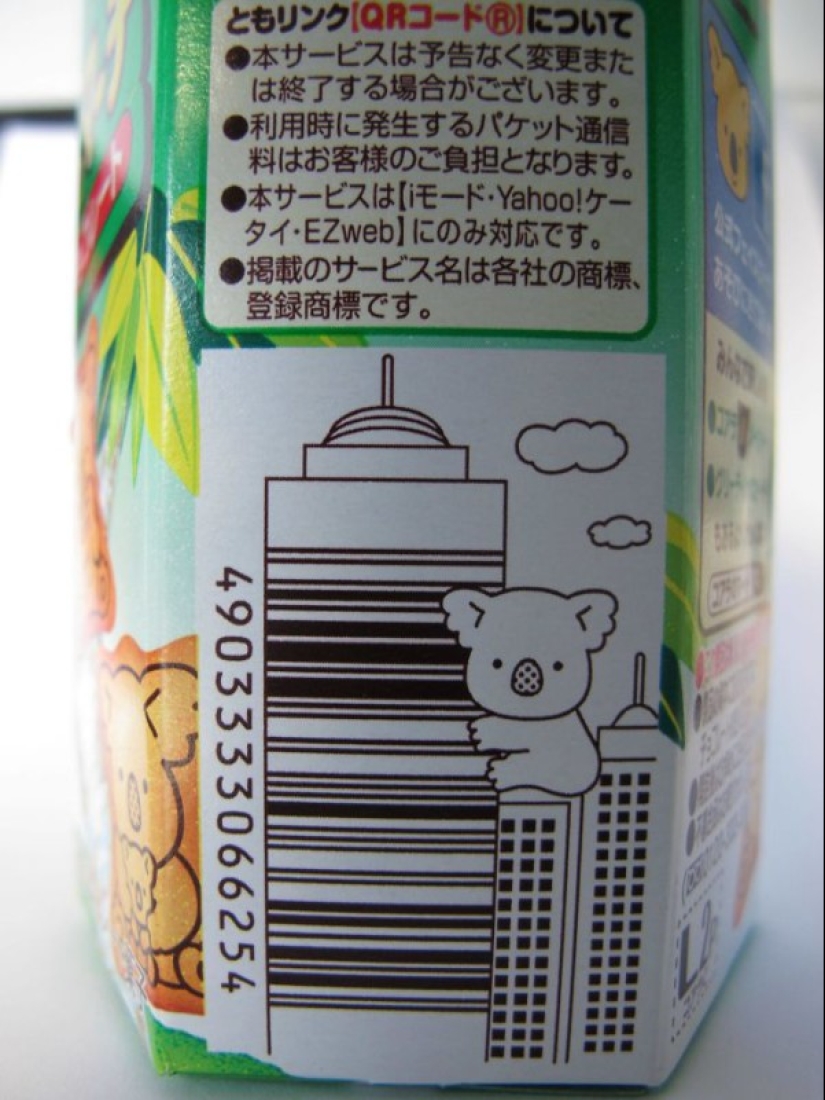 How to integrate barcode into packaging design.
 Organic wheat packaging.
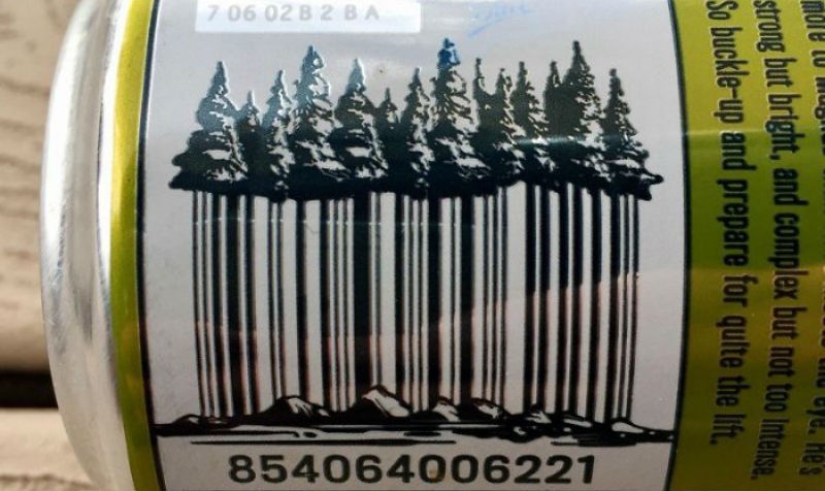
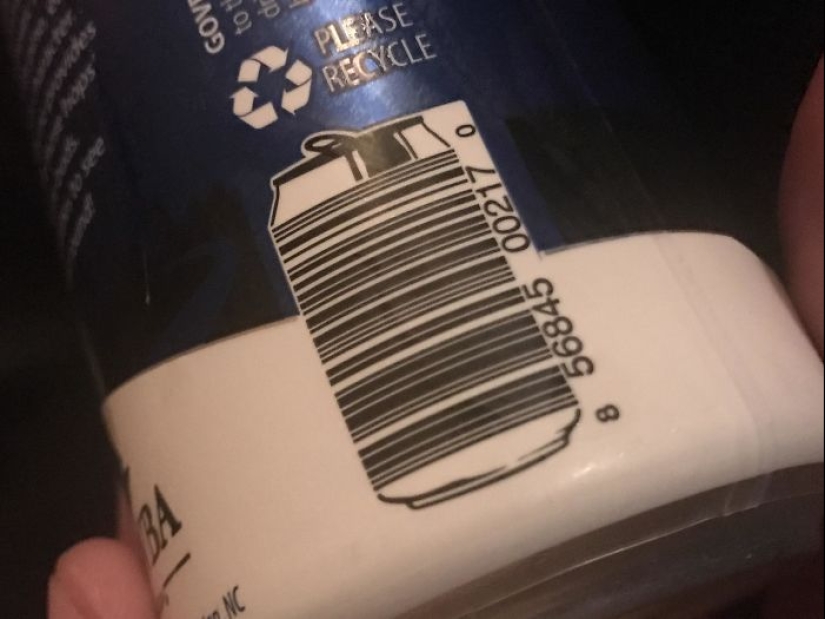 Barcode in the form of a can on a can of beer.
 Baby food.
 A bottle of Tall Horse chardonnay.
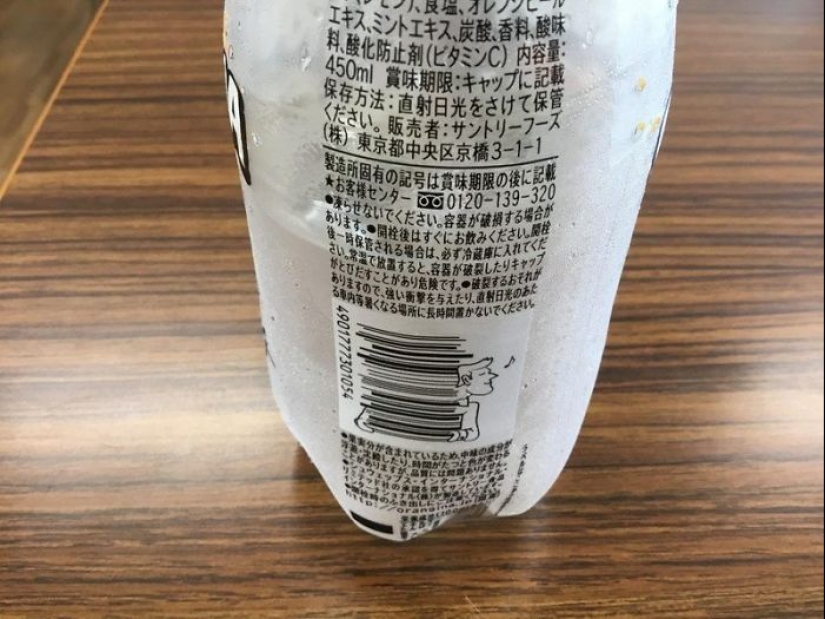 A barcode in the form of a waiter carrying plates.
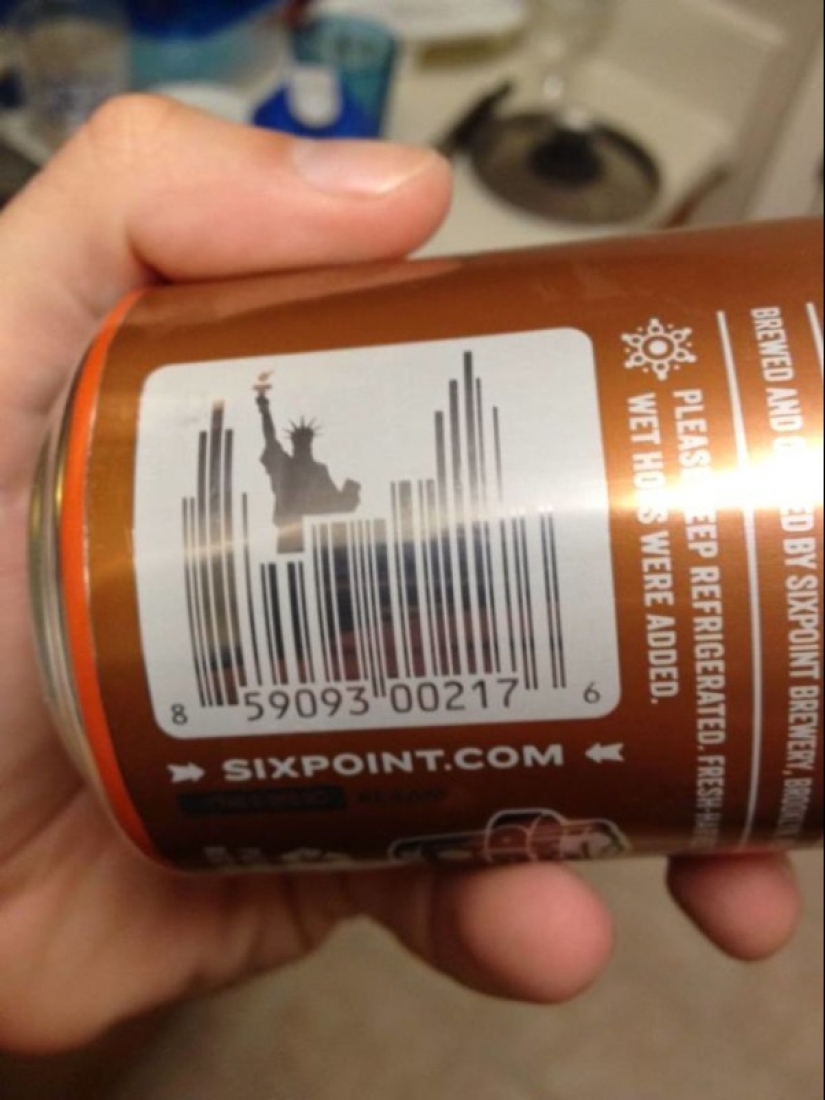 Barcode in the form of the outline of New York.
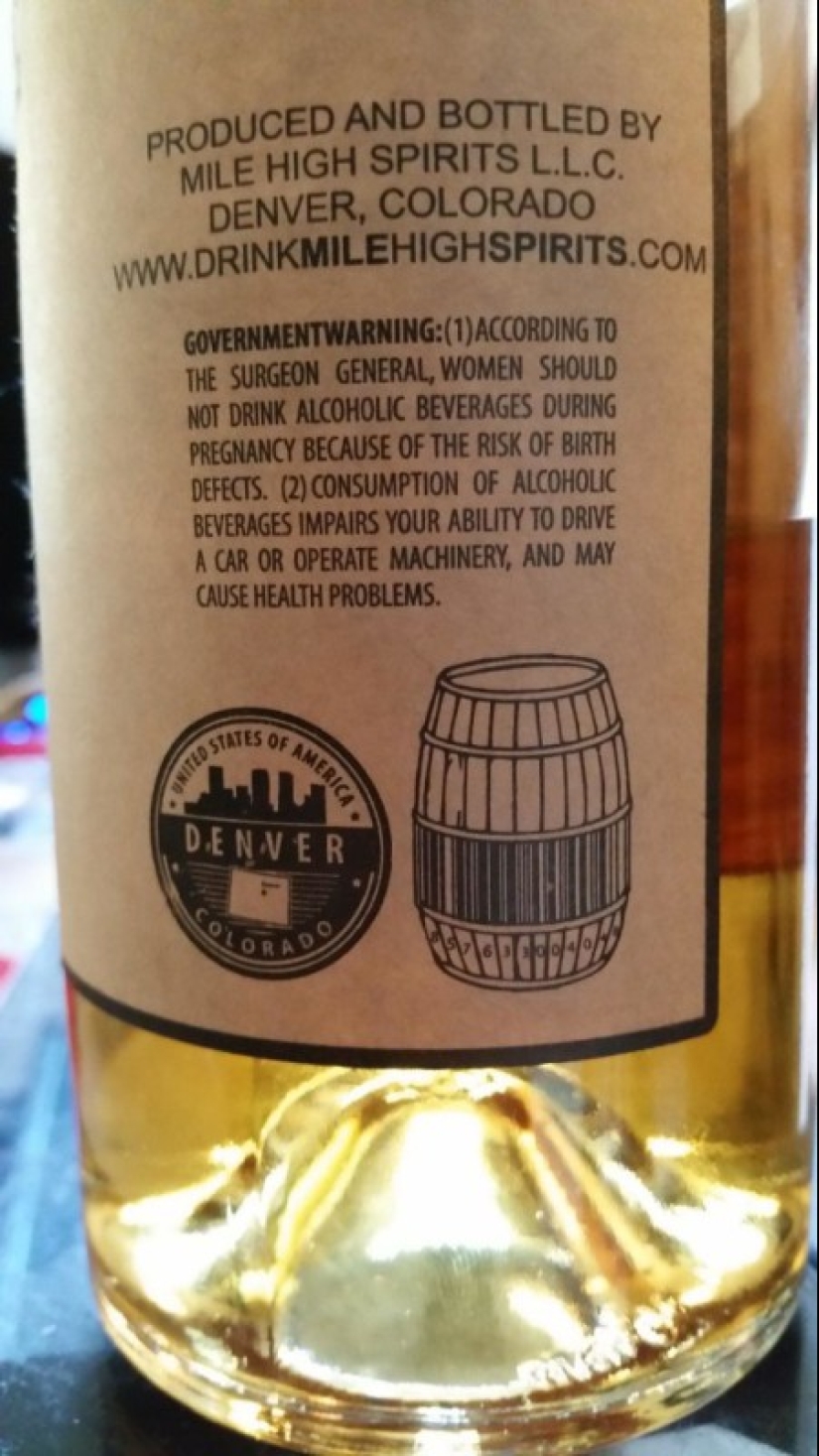 Barcode in the form of a barrel on a bottle of bourbon.
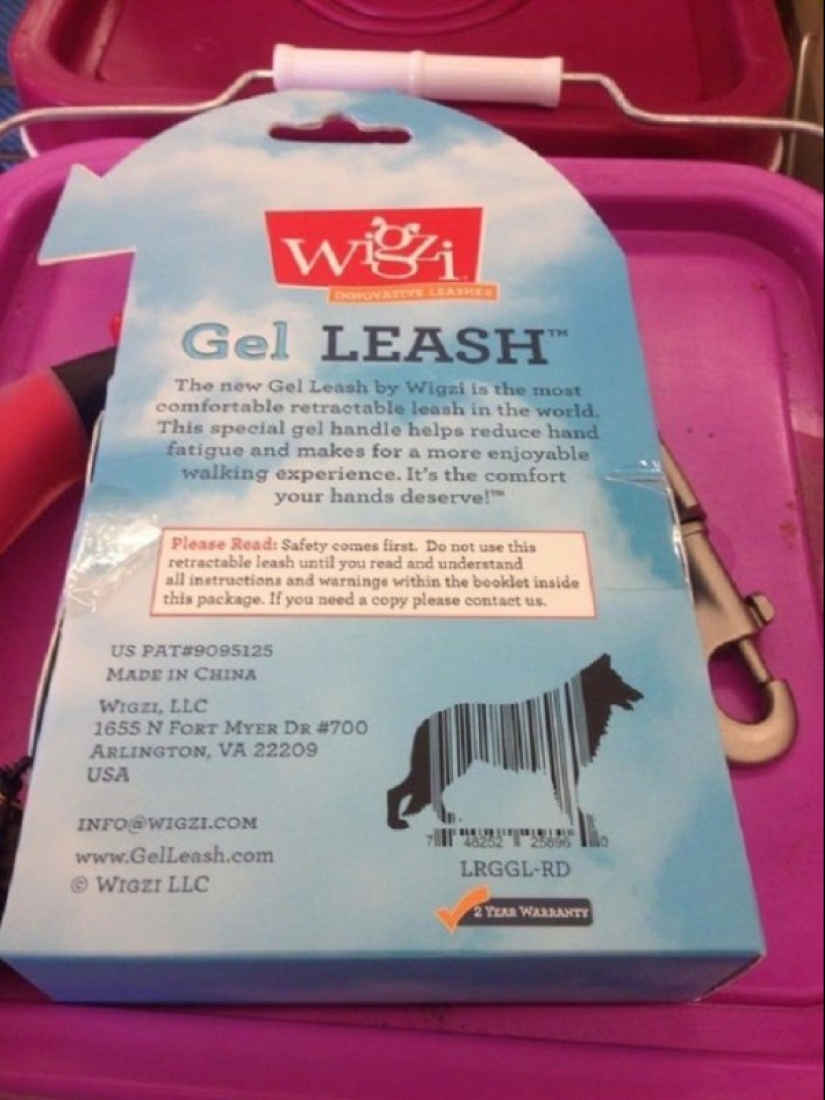 Leash for dogs.
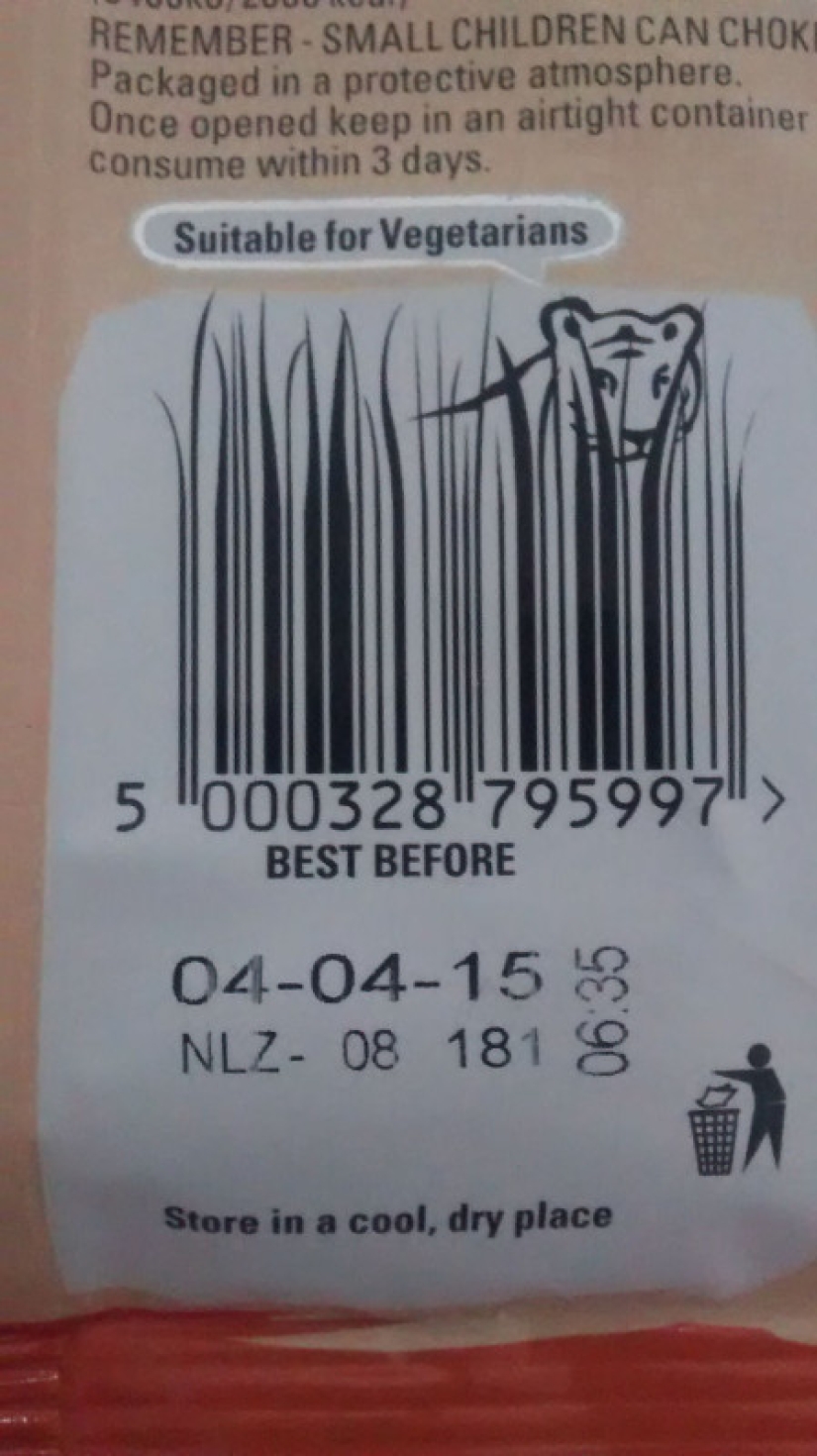 A pack of chips.
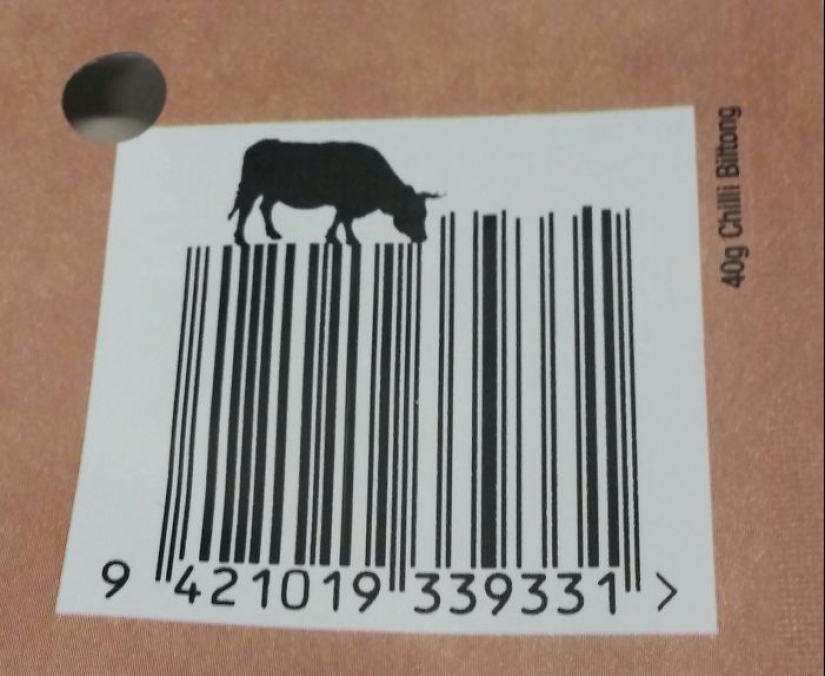 Packaging of beef jerky.
 Shampoo bottle.
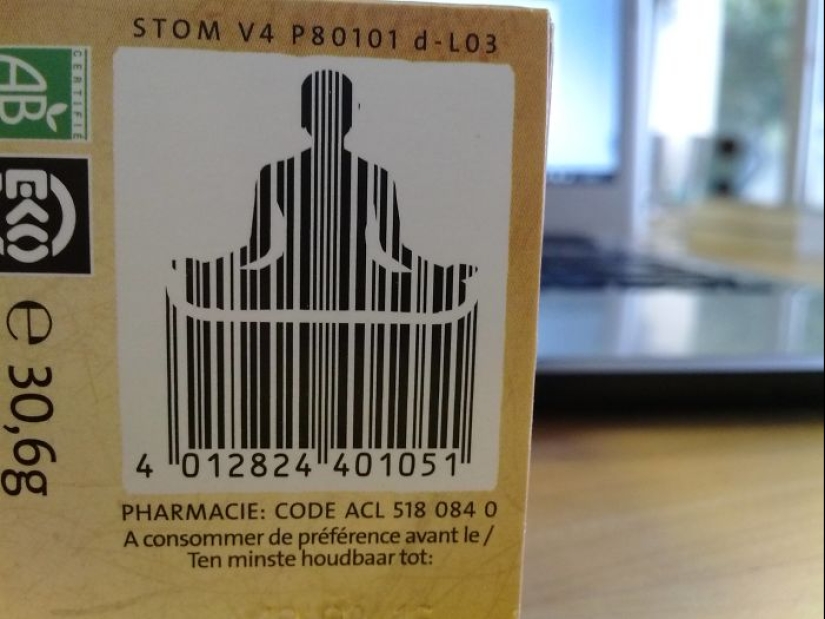 Tea packaging.
 A barcode in the form of a thermometer on a Sprite can in China.
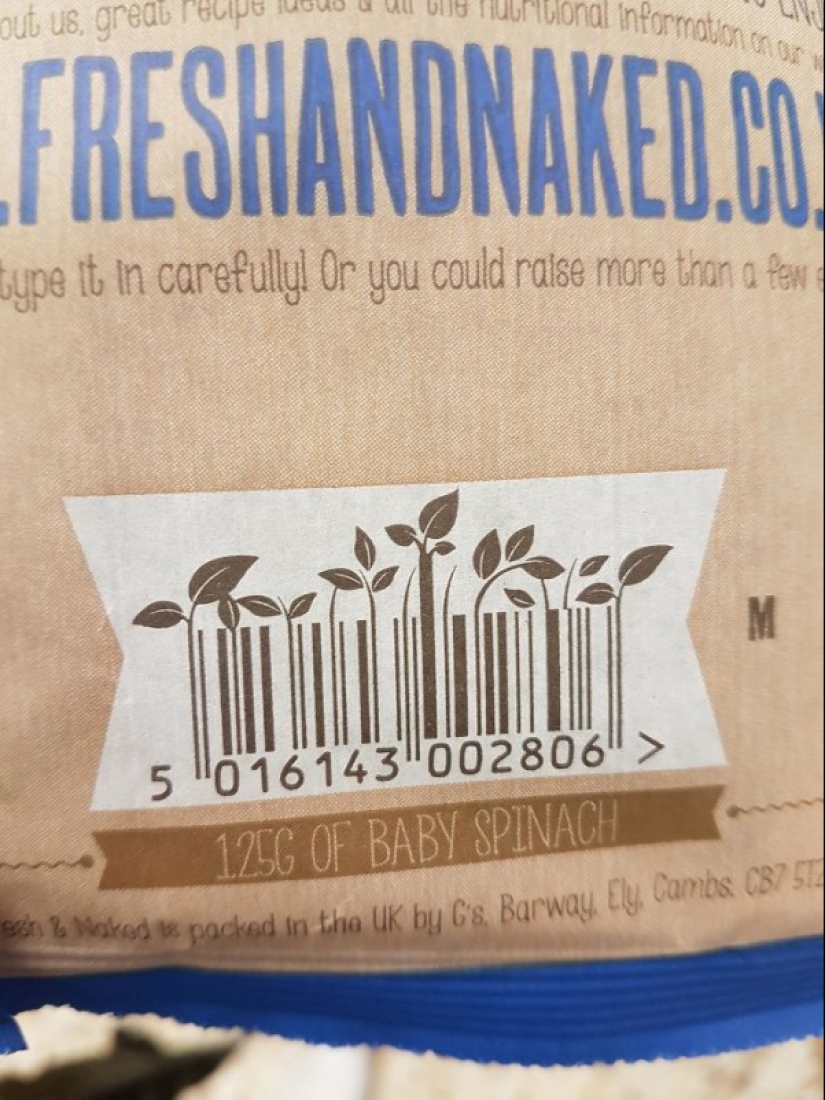 Packaging of baby spinach.
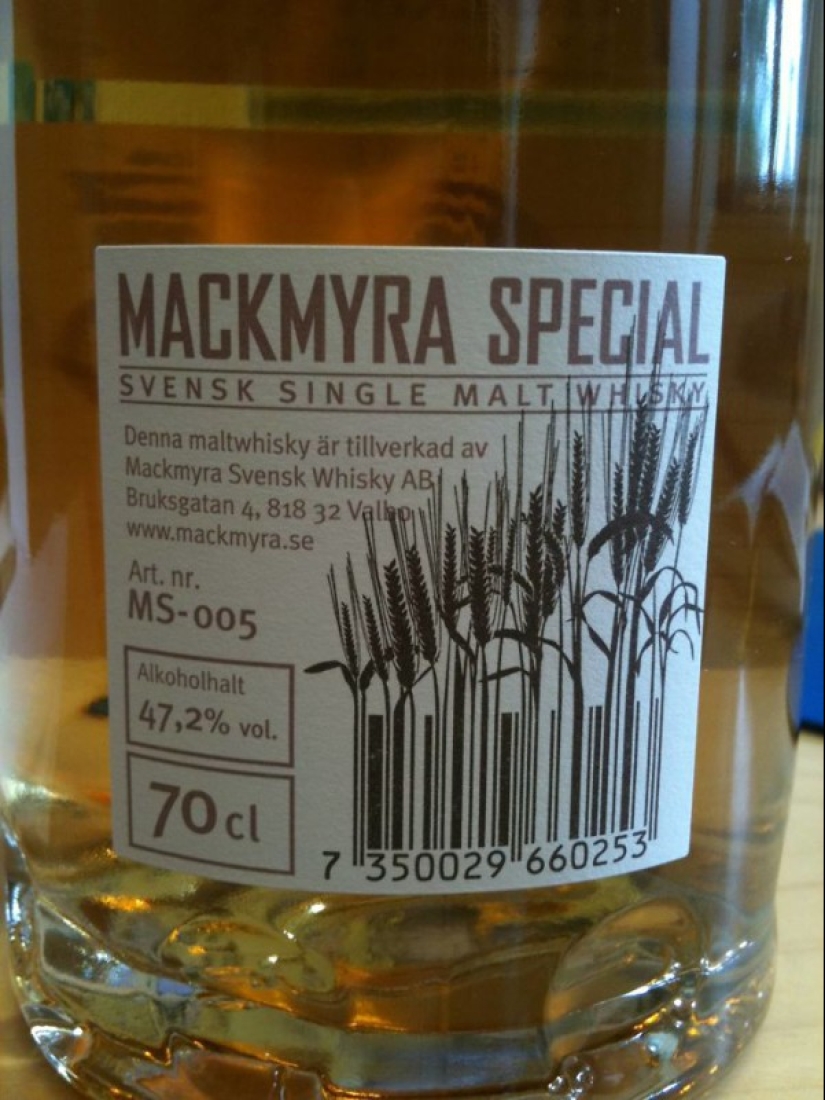 A bottle of Swedish whiskey.
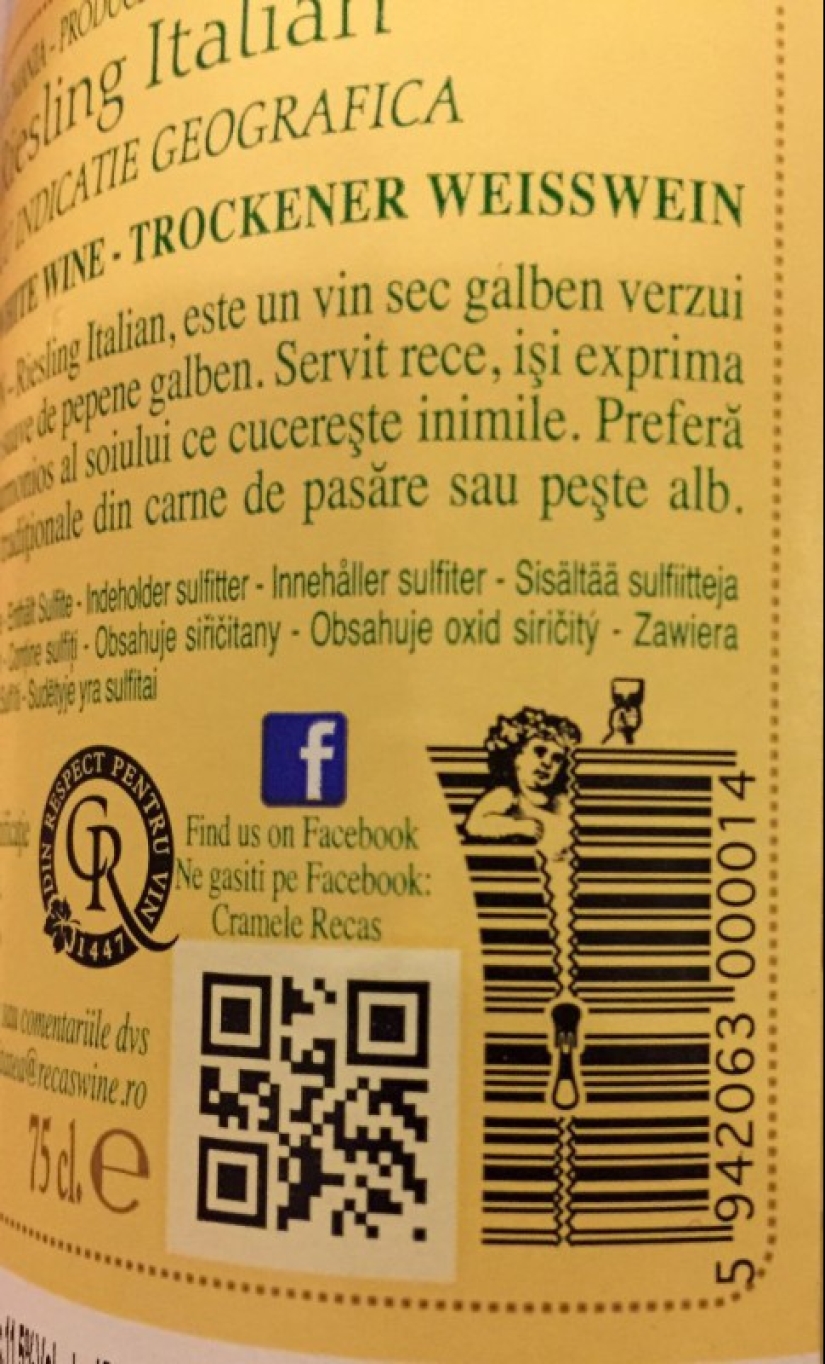 } A bottle of wine.



Recent articles

It's high time to admit that this whole hipster idea has gone too far. The concept has become so popular that even restaurants have ...

There is a perception that people only use 10% of their brain potential. But the heroes of our review, apparently, found a way to ...
New Year's is a time to surprise and delight loved ones not only with gifts but also with a unique presentation of the holiday ...