
Shocking facts about the life and hygiene of women in Europe in the 18th and 19th centuries
Modern people got used to the numerous benefits of civilization so quickly that it is now difficult to imagine how they used to do without them. It is widely known what problems with health and hygiene arose among people of the Middle Ages. But the most amazing thing is that these problems remained relevant for women in Europe until the middle of the XIX century!
Just a century and a half ago, menstruation was considered a disease during which mental activity is contraindicated, it was a difficult problem to overcome the smell of sweat, and frequent washing of the genitals was called the cause of infertility in women.
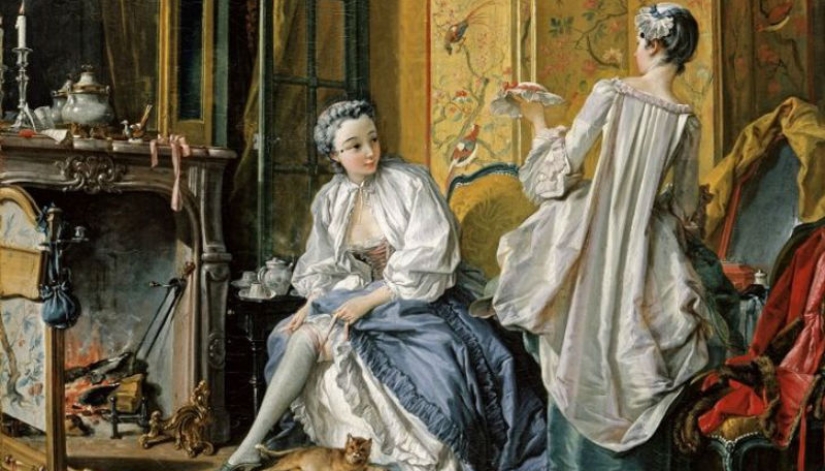
The critical days at that time were really very critical. There were no personal hygiene products yet — they used pieces of fabric for repeated use. In England in the Victorian era, it was believed that the condition of a woman during this period worsens mental activity, so reading was forbidden. And the American scientist Edward Clark generally argued that higher education undermines the reproductive abilities of women.


The situation with oral hygiene was slightly better. Italian manufacturers began to produce toothpaste in 1700, but only a few used it. The production of toothbrushes began in 1780. The Englishman William Addis, while serving a prison sentence, came up with the idea of drilling holes in a piece of bone and passing through them tufts of bristles, fixing them with glue. Once free, he started manufacturing toothbrushes on an industrial scale.
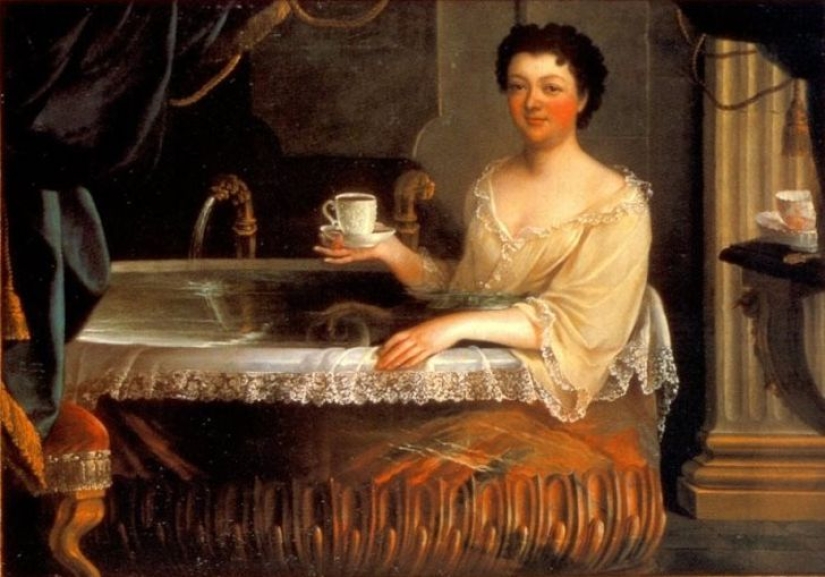
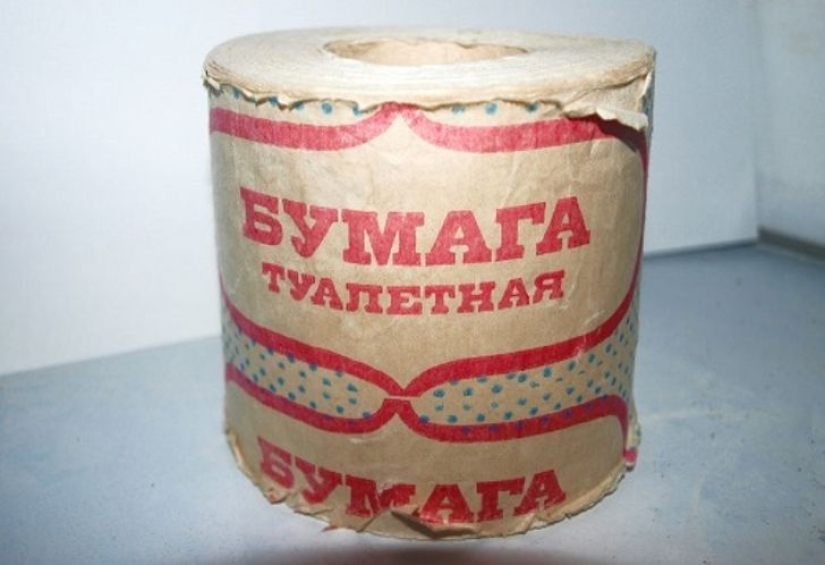
The first real toilet paper began to be produced in England only in the 1880s. The first serial production of rolled toilet paper began in 1890 in the United States. Until now, improvised means, mainly newspapers, were used as toilet paper. In this regard, it was joked that Johann Gutenberg was the official inventor of the printing press and the unofficial inventor of toilet paper.
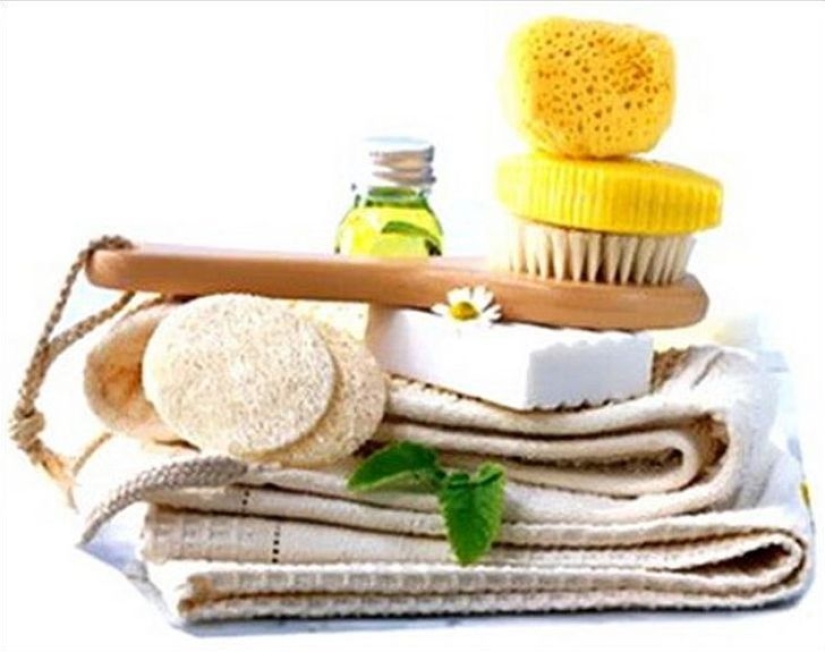
A breakthrough in the field of personal hygiene occurred in the middle of the XIX century, when an opinion appeared in medicine about the relationship of bacteria with infectious diseases. The number of bacteria on the body after washing was significantly reduced. The English women were the first to achieve success in maintaining the purity of the body: they began to take a bath daily using soap. But until the beginning of the twentieth century, it was believed that frequent washing of the genitals in women could lead to infertility.
The first deodorant appeared in 1888, before that, the fight against the problem of the smell of sweat was very ineffective. The perfume interrupted the unpleasant smell, but did not eliminate it. The first antiperspirant, which reduced the ducts of the sweat glands, eliminating the smell, appeared only in 1903.

Until the 1920s, body hair removal was not practiced among women. The hair was washed with ordinary soap or a home-made cleanser. Shampoo was invented only at the end of the XIX century. Pediculosis was a frequent problem, and they fought with lice by radical methods — they were removed with mercury, which at that time was considered a cure for many diseases.
Keywords: Europe | History | Women | Everyday life | Facts | Hygiene
Post News ArticleRecent articles

It's high time to admit that this whole hipster idea has gone too far. The concept has become so popular that even restaurants have ...

There is a perception that people only use 10% of their brain potential. But the heroes of our review, apparently, found a way to ...
Related articles

Tired after a hard day at work? Suffer from autumn depression? Don't know how to entertain yourself in your free time? This ...

In the fall of 1972, Bill Yates traveled through the countryside in the vicinity of Tampa, Florida. At that time, he was studying ...

When a person is in a life-threatening situation is awful, but even worse when it happens to a child. 11-year-old American Terry ...
New Year's is a time to surprise and delight loved ones not only with gifts but also with a unique presentation of the holiday ...