
Real America in the ironic illustrations of the brilliant Norman Rockwell
Categories: Culture | Exhibition | North America
By Pictolic https://www.pictolic.com/article/real-america-in-the-ironic-illustrations-of-the-brilliant-norman-rockwell.htmlIf we were to name the people who had a decisive influence on 20th-century American culture, artist and illustrator Norman Rockwell would certainly be among the top ten. His works are more than just talented images. They are true "time capsules" that are still used to study the lives of ordinary Americans from the 1930s to the 1960s.
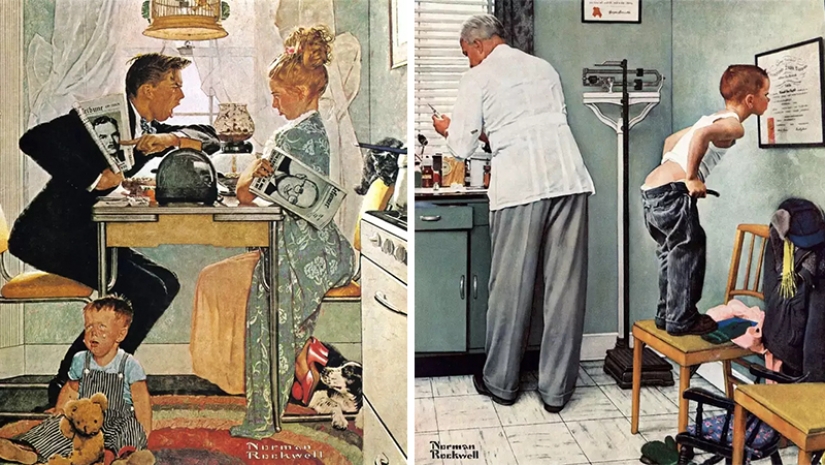
Norman Rockwell was born on February 3, 1894, in New York City. He began drawing in elementary school, and at age 14, he entered the New York School of Art. At age 15, he received his first commercial commissions—a series of Christmas cards printed in a huge print run.
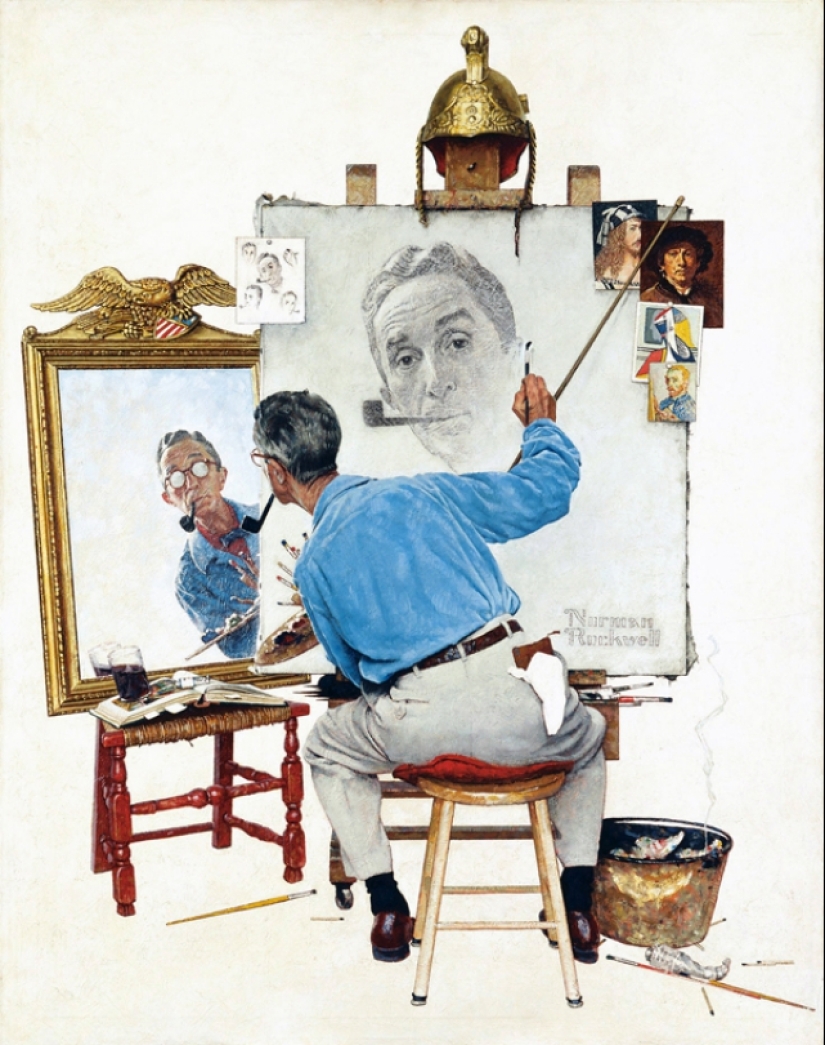
At 16, Rockwell became the lead artist for Boys' Life magazine, the official publication of the Boy Scouts of America. He also worked extensively as a freelancer, designing books and advertising. By 21, clients were seeking him out. Norman opened his own studio and began collaborating with Life, Literary Digest, and other major publications.
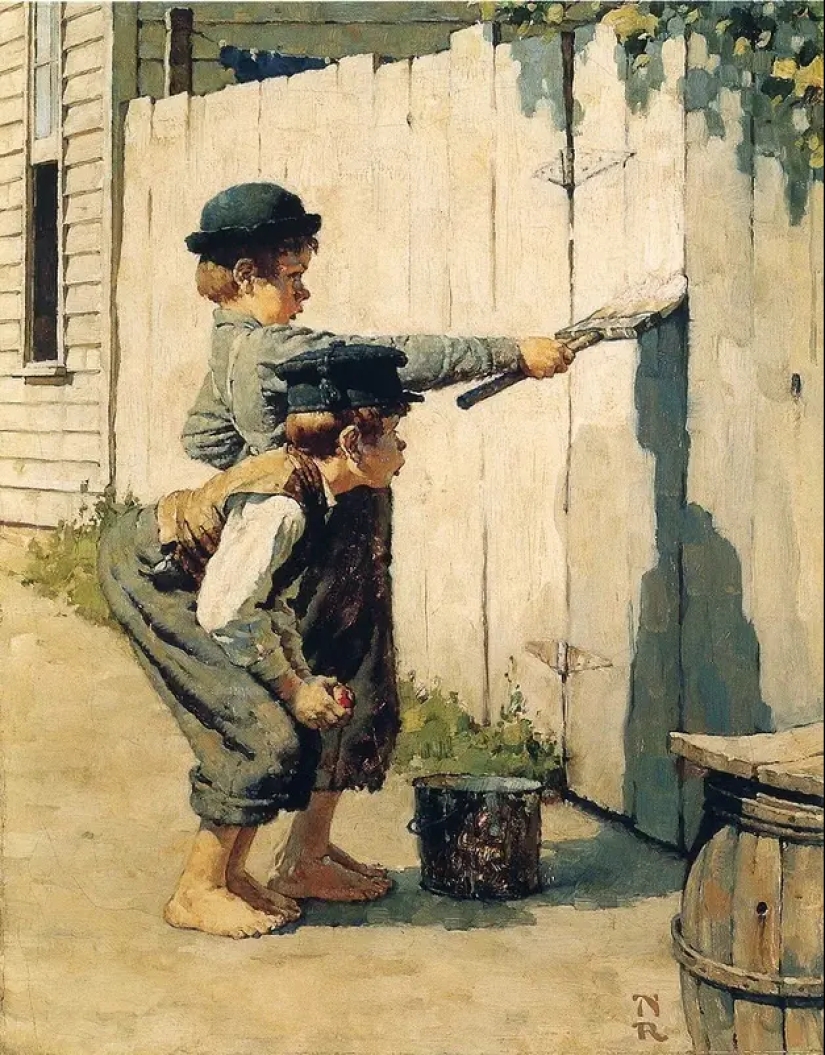
His real breakthrough came when he was invited to design a cover for The Saturday Evening Post. The editors were so impressed with his first work that the collaboration lasted 47 years—from 1916 to 1963, Rockwell created 321 covers for the magazine.
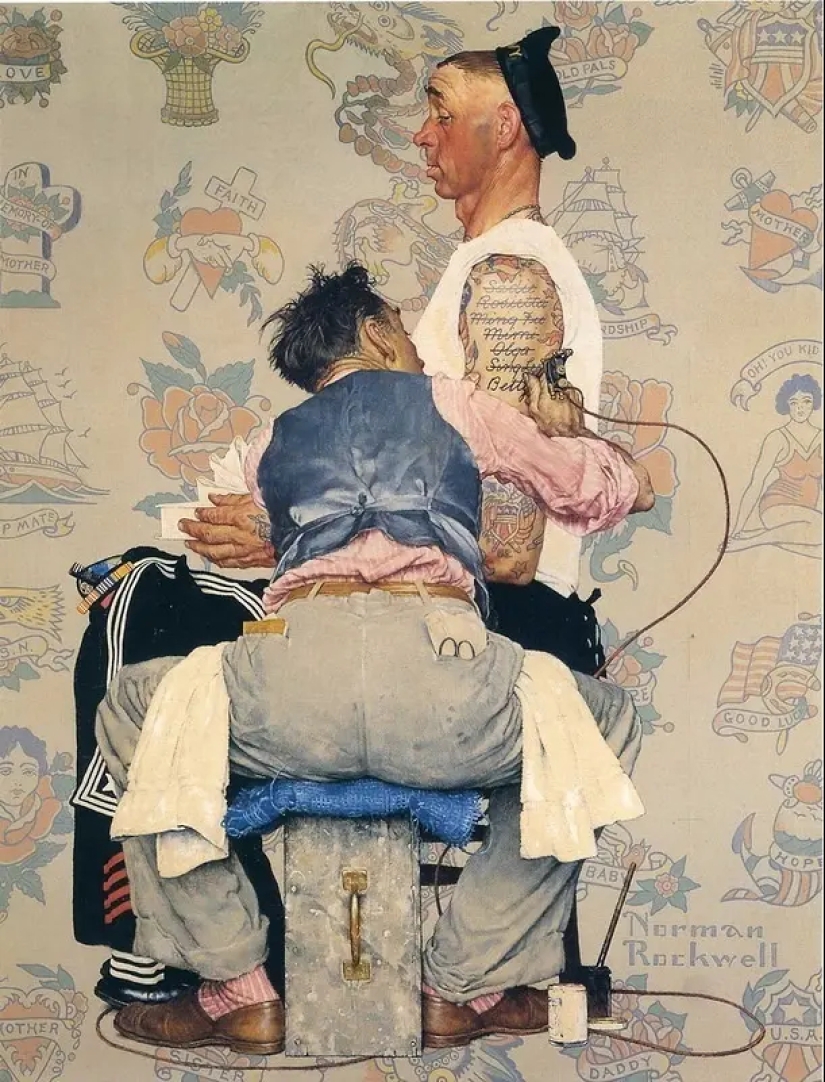
The 1930s were his most prolific period. Rockwell, his wife, and their three sons moved from bustling New York to quiet Arlington, Vermont. It was there that the so-called "Rockwellian" style was born: warm, ironic scenes from the American heartland. The subjects of his paintings were farmers, drivers, housewives, retirees, and, of course, children.
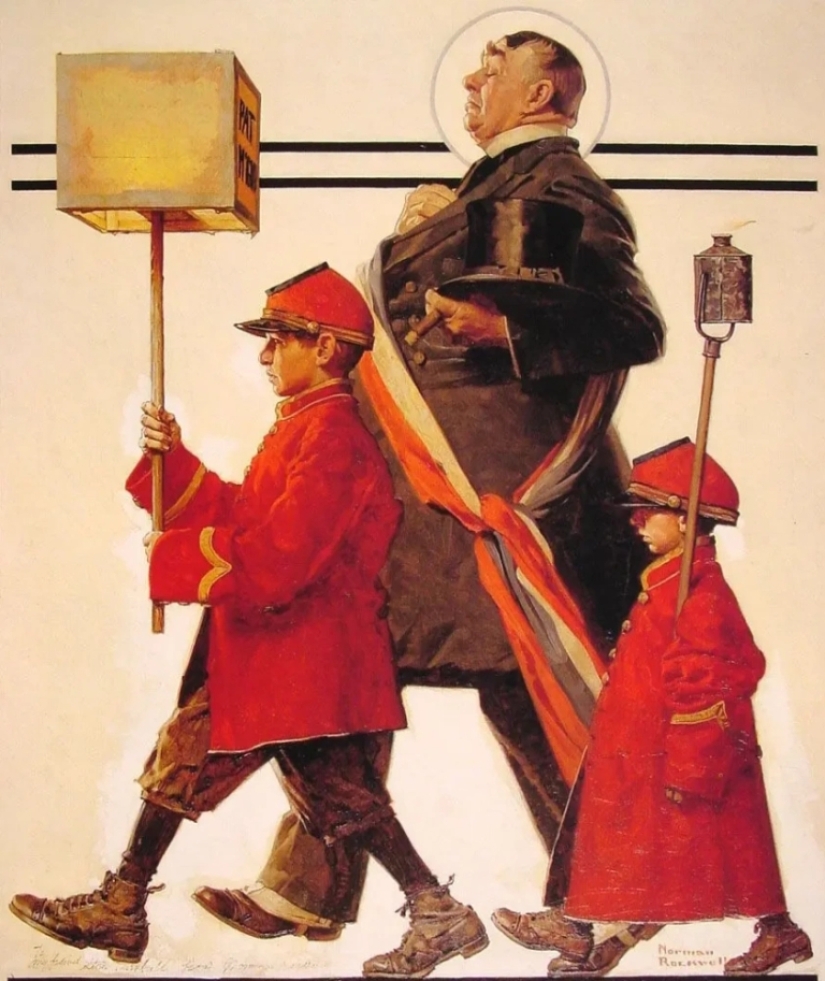
Tragedy struck in 1943: the Arlington studio burned to the ground, destroying several hundred originals. But Rockwell rebuilt the studio and continued working. In 1953, he moved to Stockbridge, Massachusetts, where he lived and worked for the rest of his life.
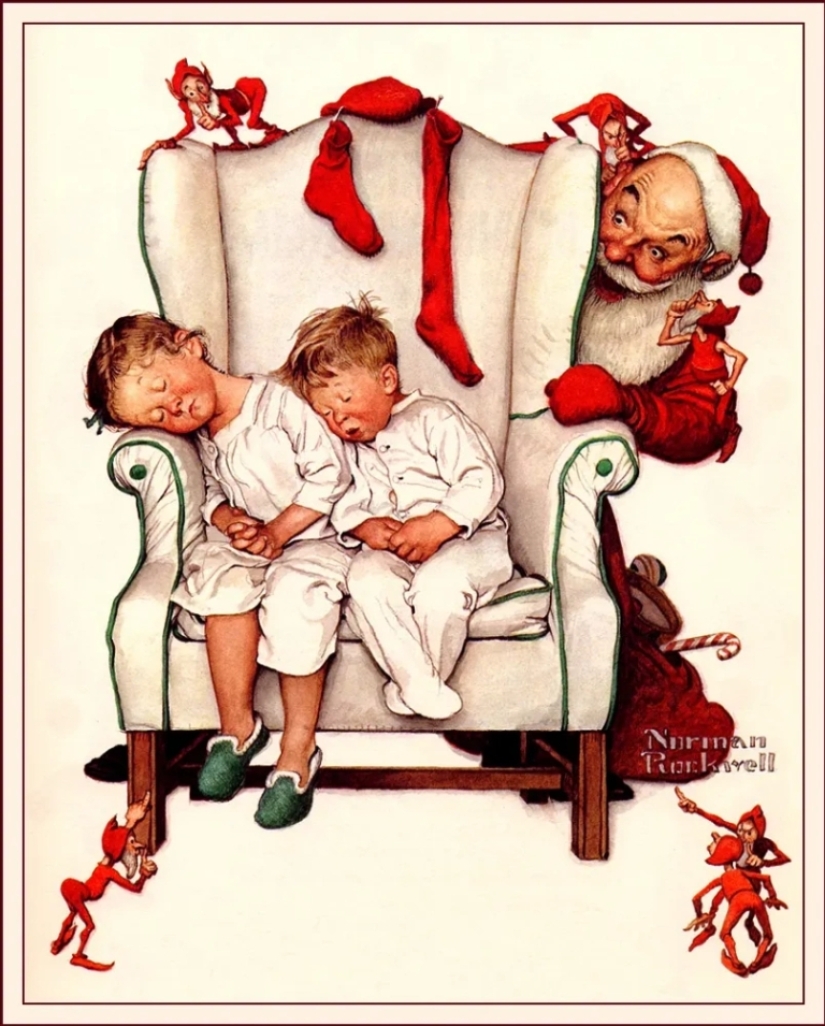
In the 1960s, his eldest son, Thomas, assisted him. Around this time, he published his autobiographical book, My Adventures as an Illustrator, which collected his best works from half a century of creativity.
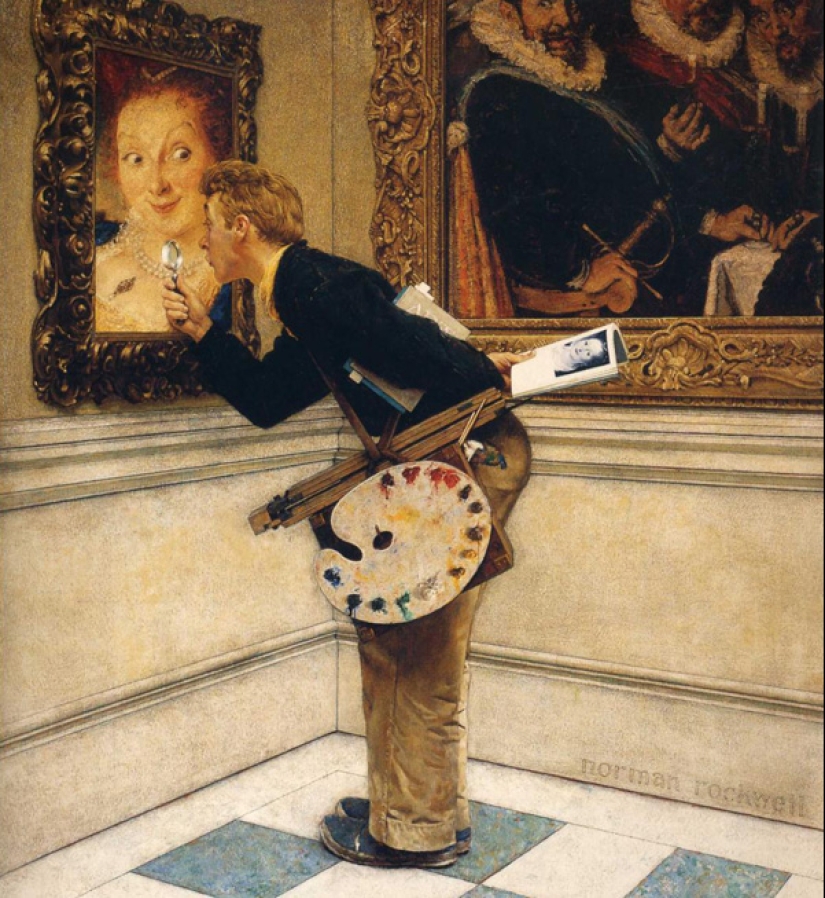
Norman Rockwell died in 1978 at the age of 84. He bequeathed his works to the Stockbridge Historical Society, which converted them into a museum. In 2013, the painting "Table Prayer" sold at Sotheby's for $46 million—an all-time record for the American realist.
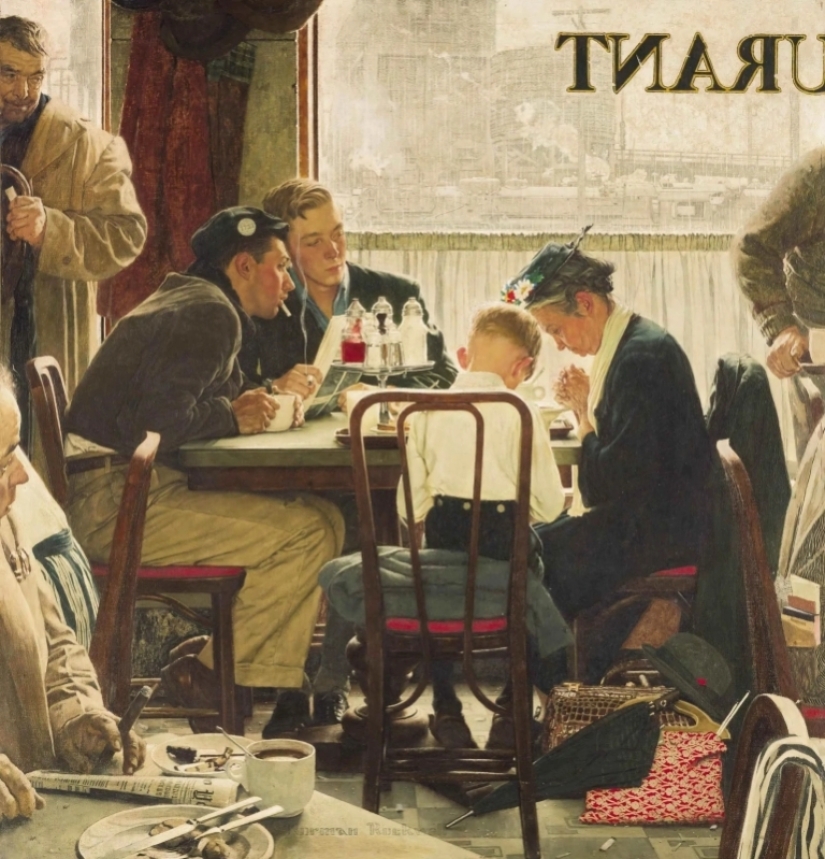
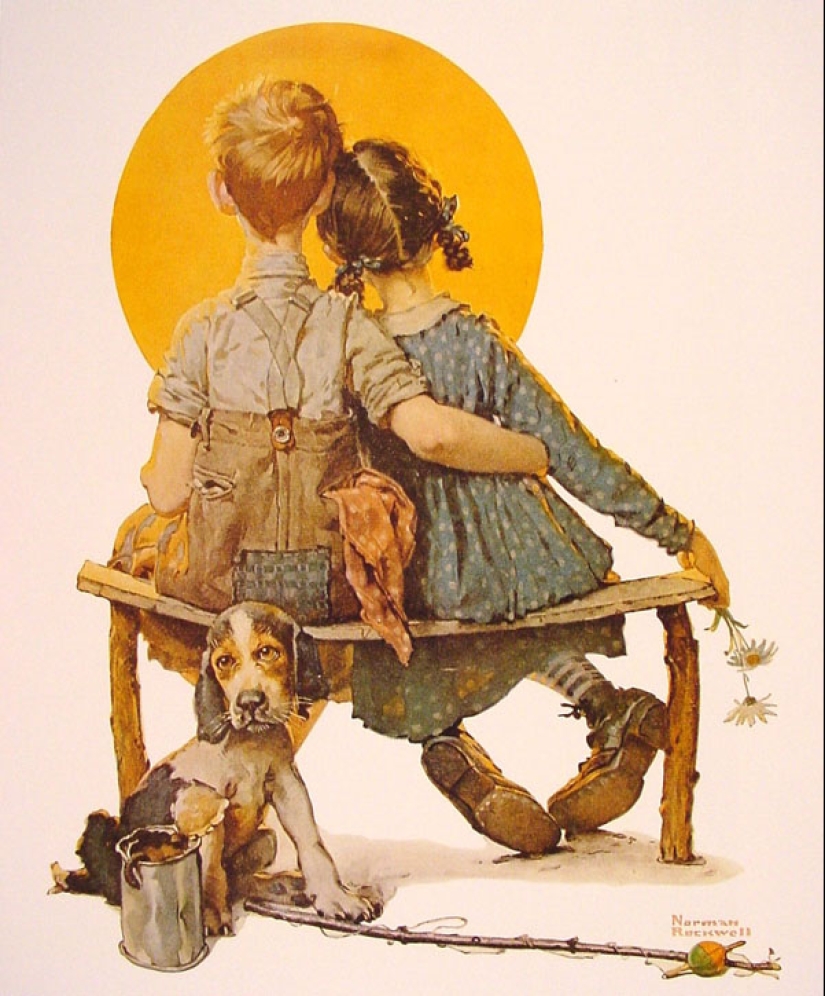
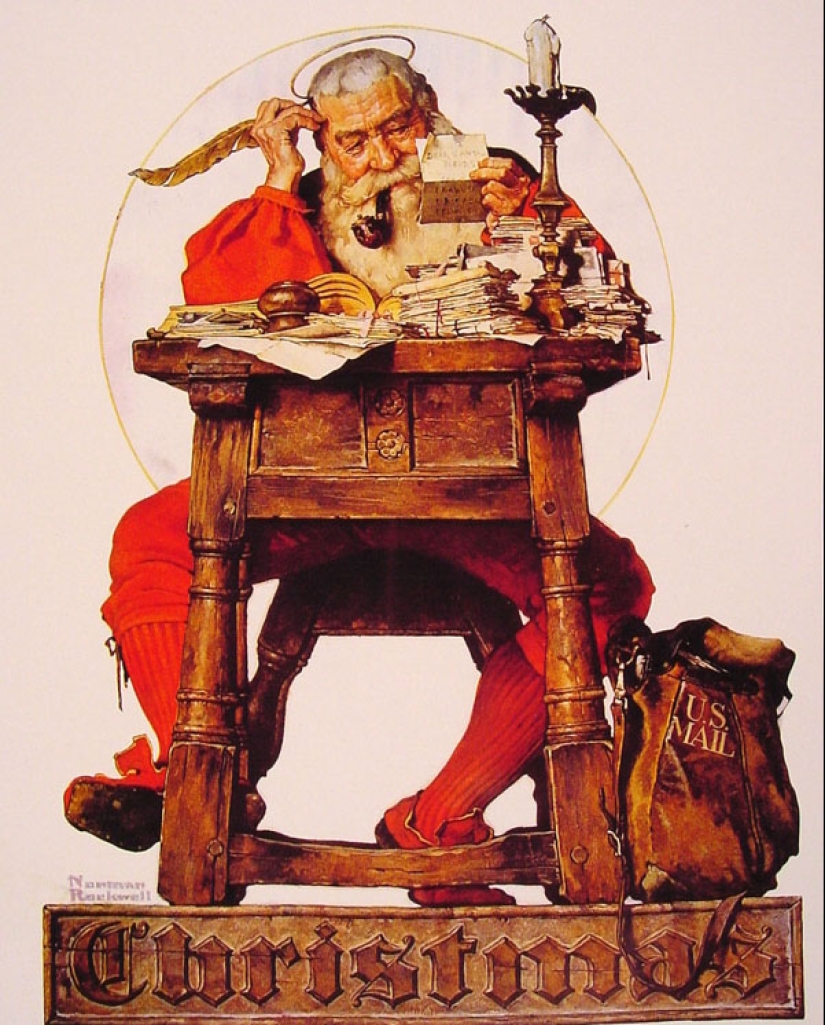
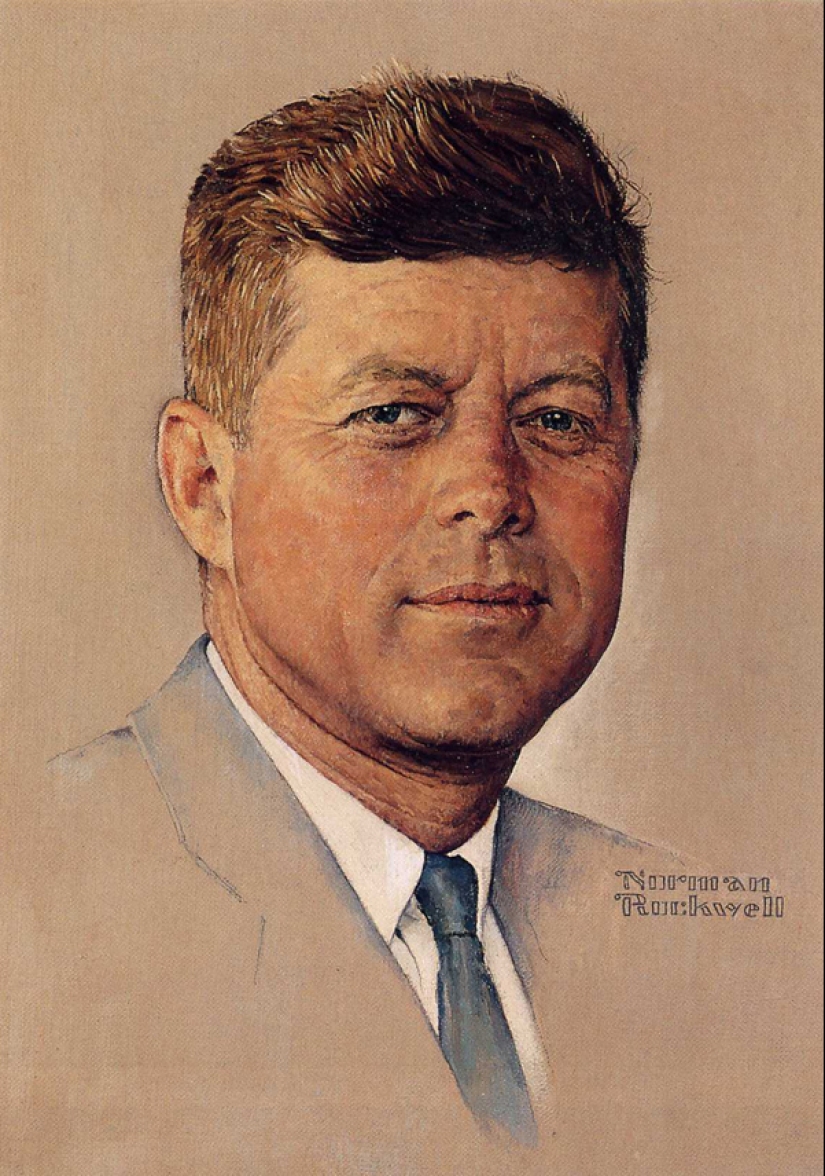
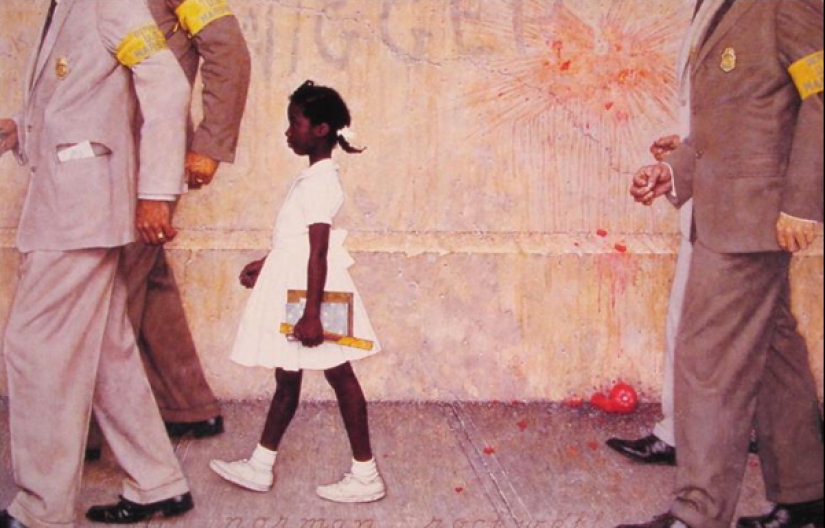
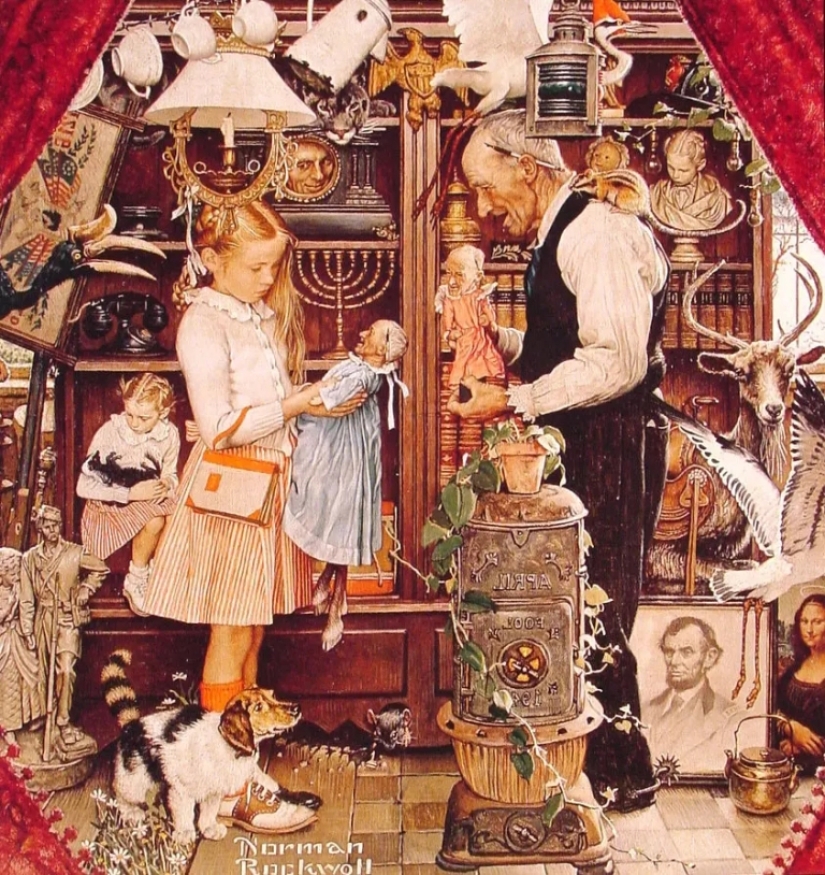
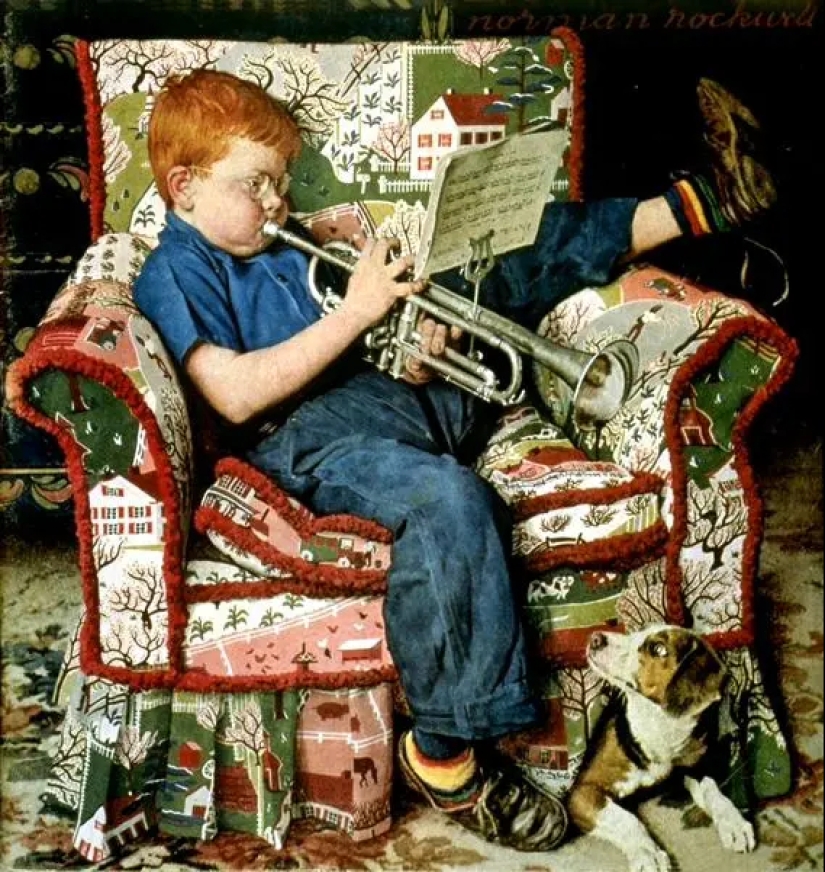
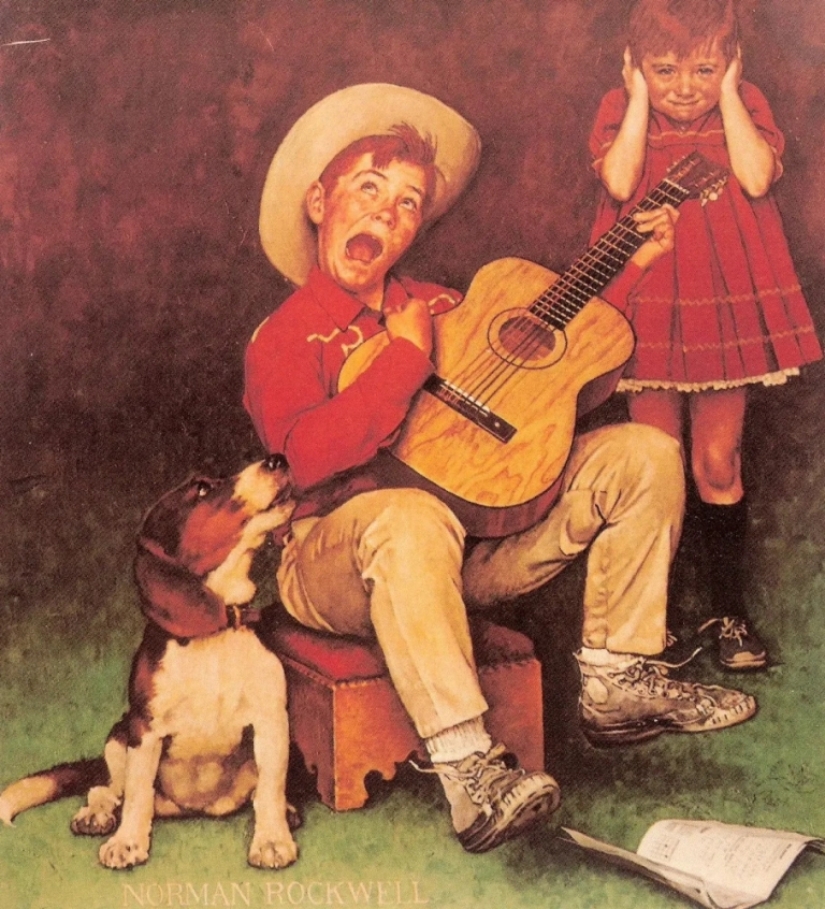
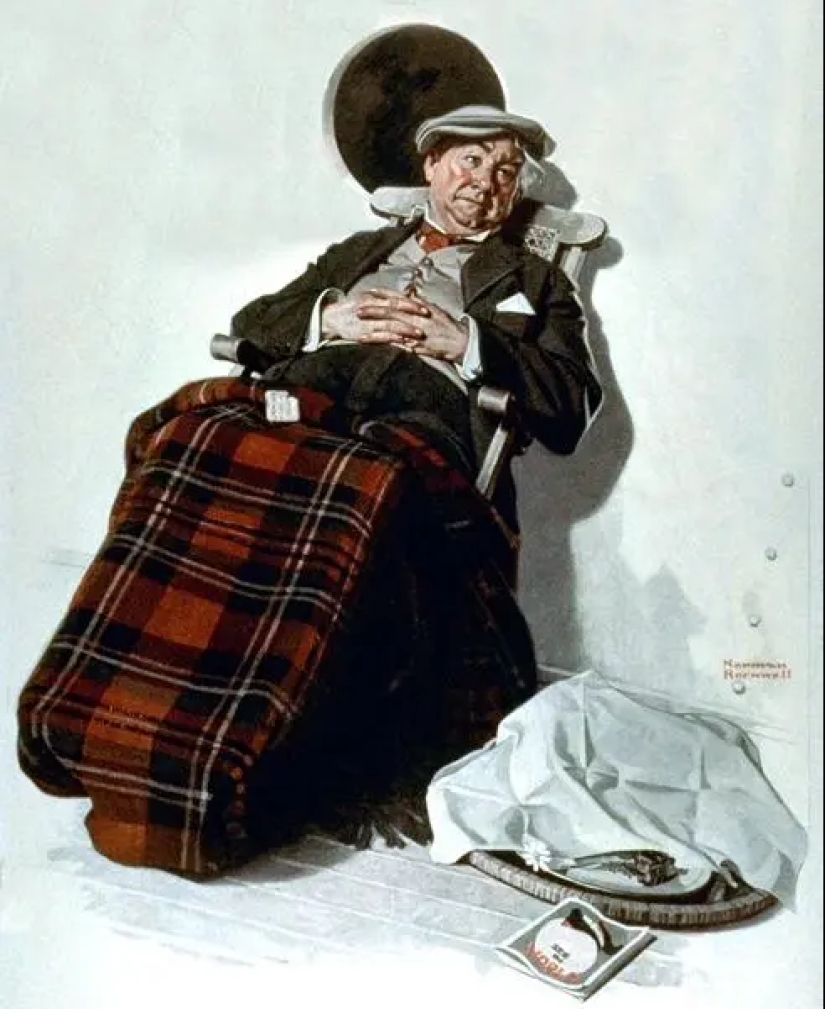
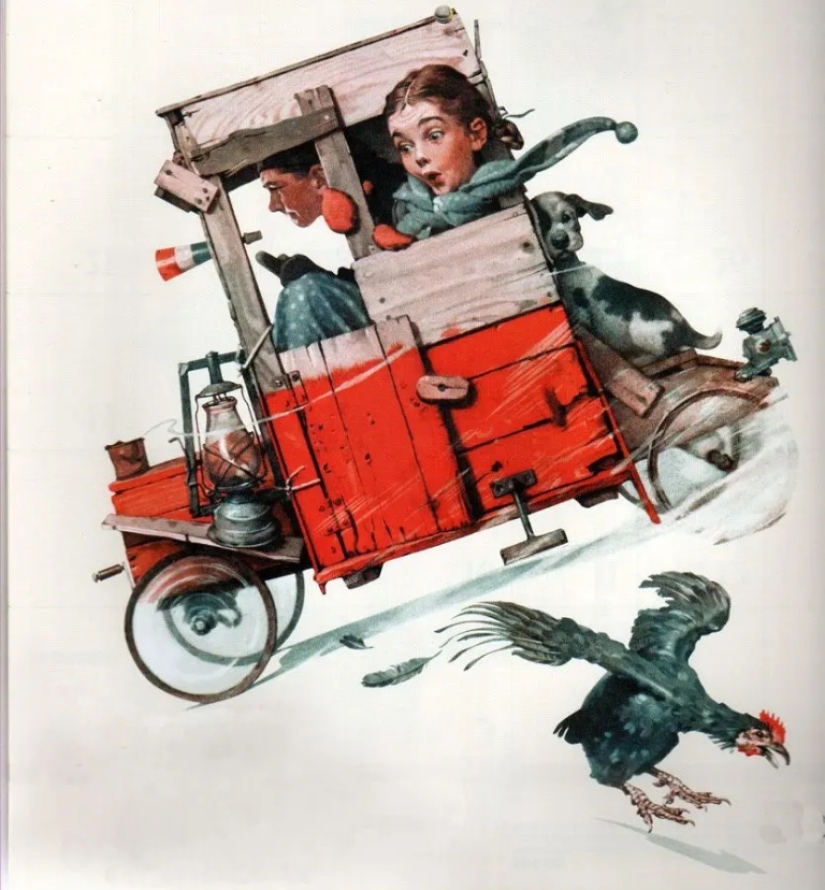
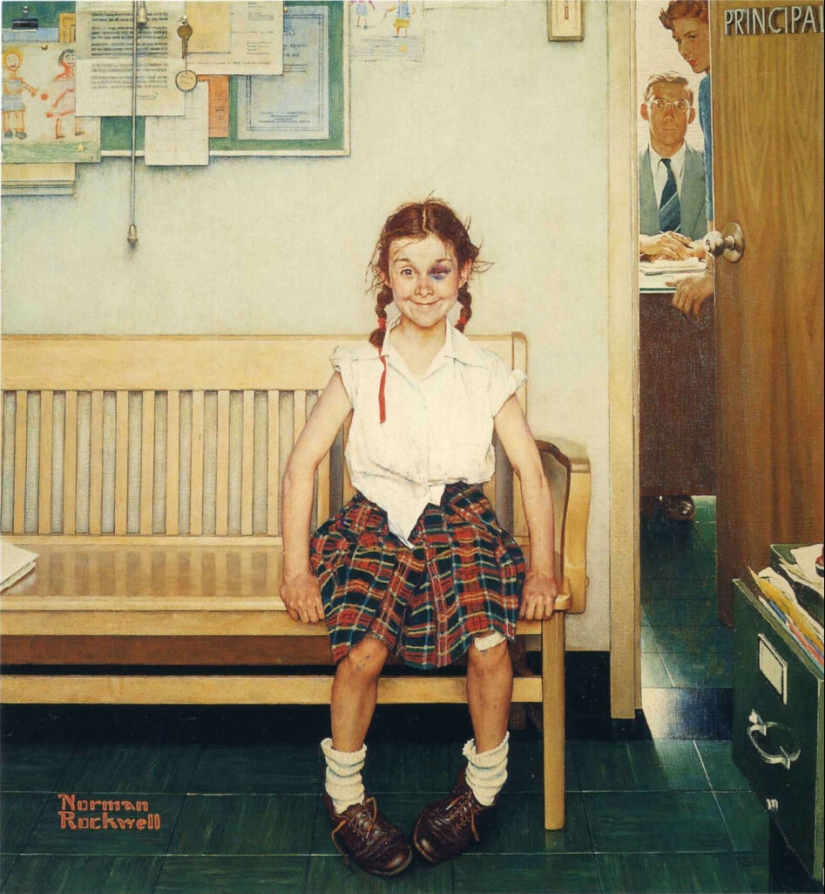
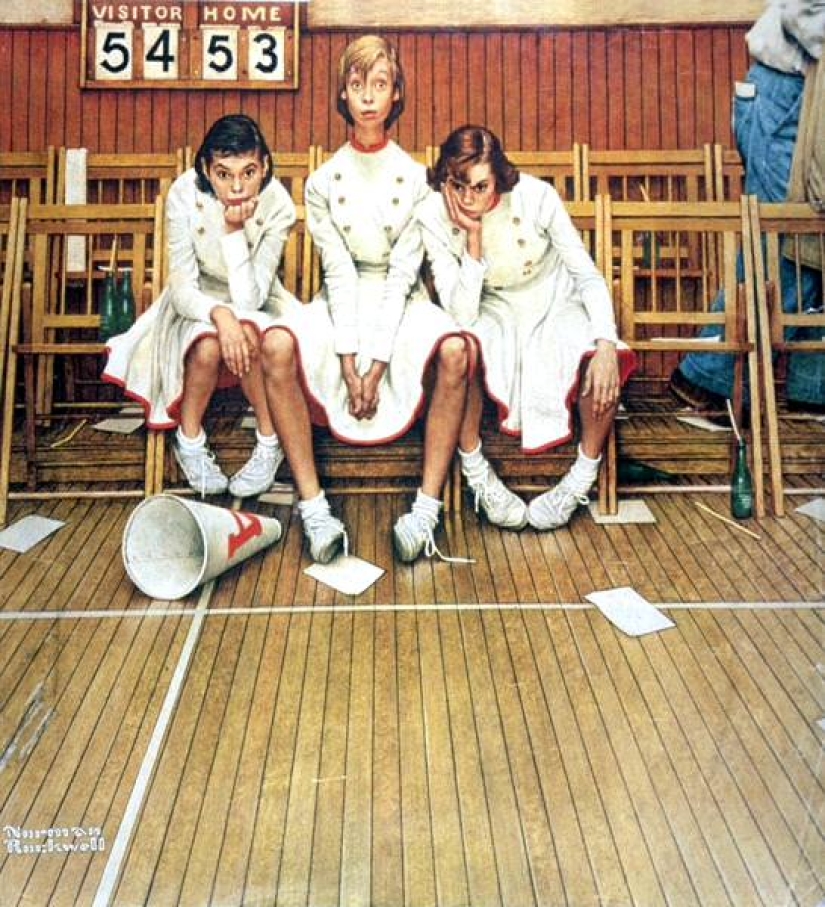
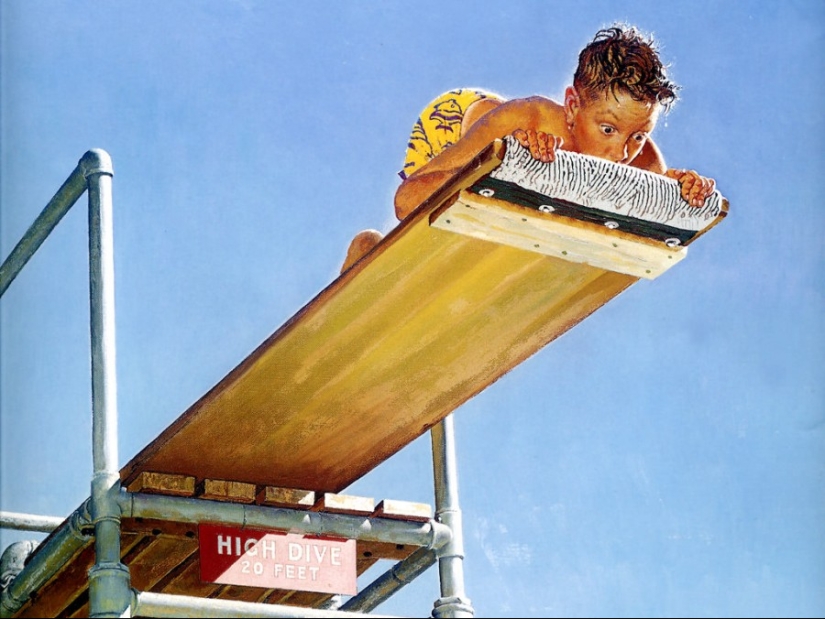
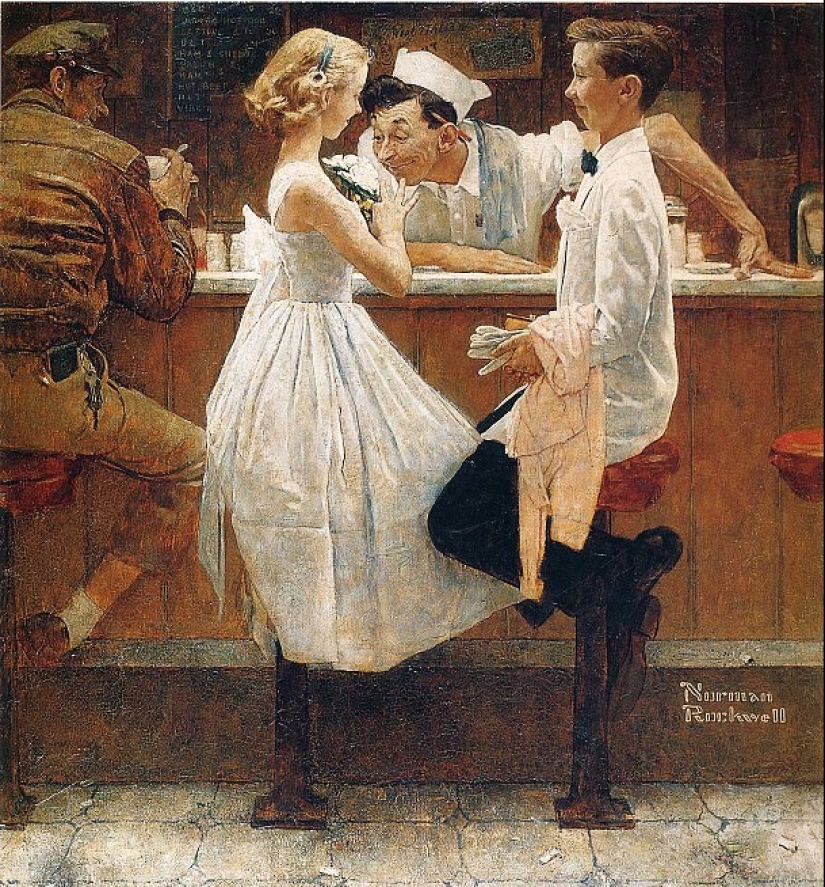
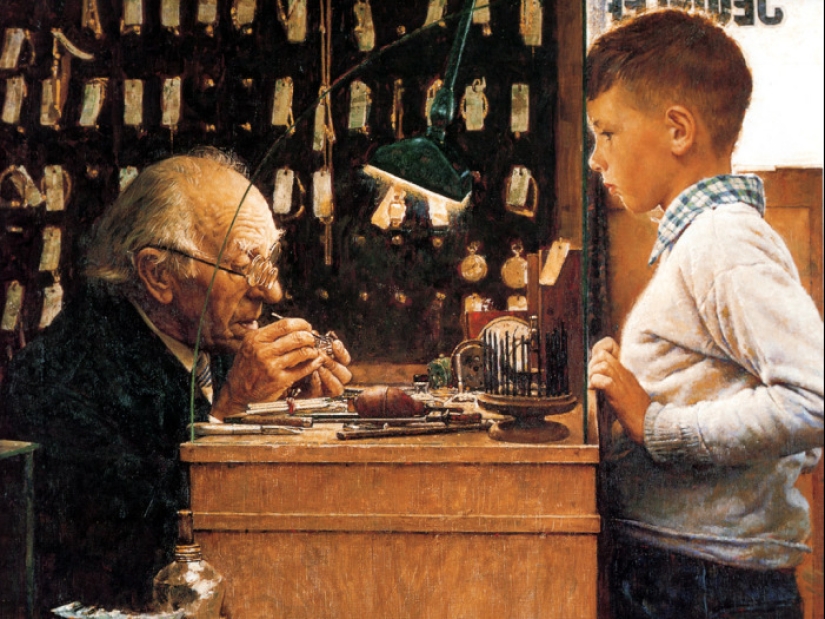
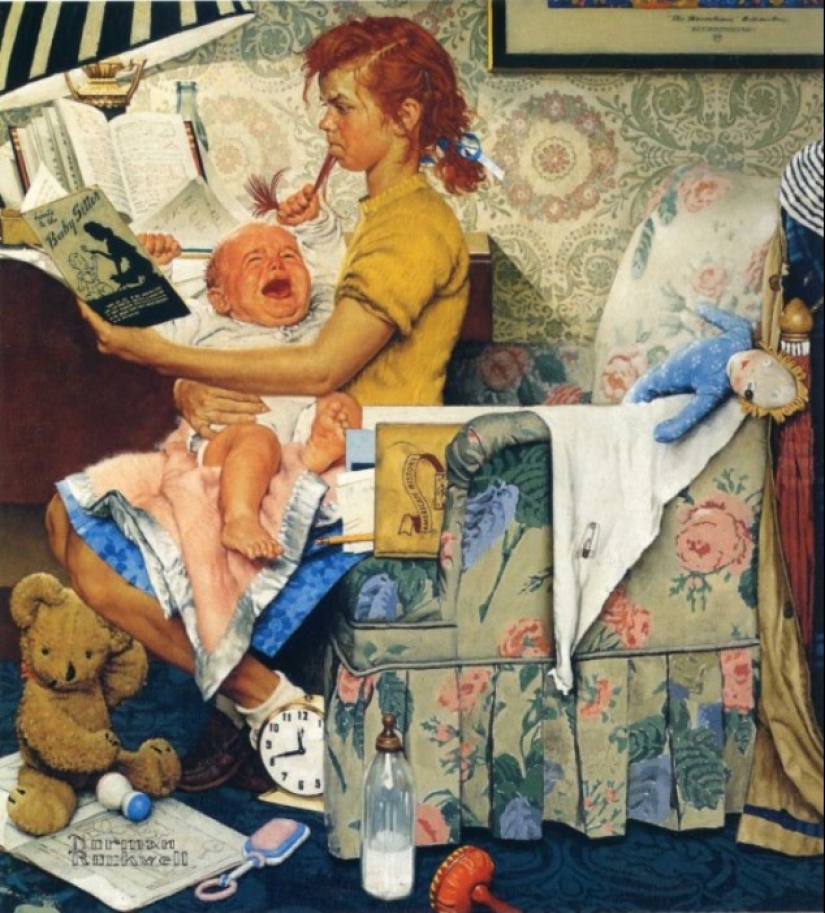
Norman Rockwell lived a long and incredibly rich life, leaving behind not just an artistic legacy, but a veritable visual encyclopedia of mid-20th-century American life. His paintings are still perceived as a nostalgic symbol of "good old America"—with its family values, simple joys, and quiet everyday drama.
What do you think: is there a place today for such sincere and humane art as Rockwell envisioned it? Or is it forever locked away in the era he so carefully captured?
Recent articles

It's high time to admit that this whole hipster idea has gone too far. The concept has become so popular that even restaurants have ...

There is a perception that people only use 10% of their brain potential. But the heroes of our review, apparently, found a way to ...
New Year's is a time to surprise and delight loved ones not only with gifts but also with a unique presentation of the holiday ...