
Pigeons and gas masks: the other side of the First World War
Categories: History
By Pictolic https://www.pictolic.com/article/pigeons-and-gas-masks-the-other-side-of-the-first-world-war.htmlOn July 28, 1914, one of the most large — scale armed conflicts in the history of mankind began-the First World War, although it became so called after the beginning of the Second World War. At that time, the war was called Great or Great. The countries involved in the conflict lost more than 10 million soldiers and about 12 million civilians killed, about 55 million people were injured.
In 2014, to mark the centenary of the outbreak of the First World War, the Reuters news agency presented a selection of previously unpublished photographs from a private collection from the war. The pictures offer an unexpected look at the contrasts of the war years, when high-tech artillery was combined with mobile dovecotes, and officers who were having fun in their apartments — with the grim reality of life and death in the trenches.


Women work at an ammunition factory, 1916.
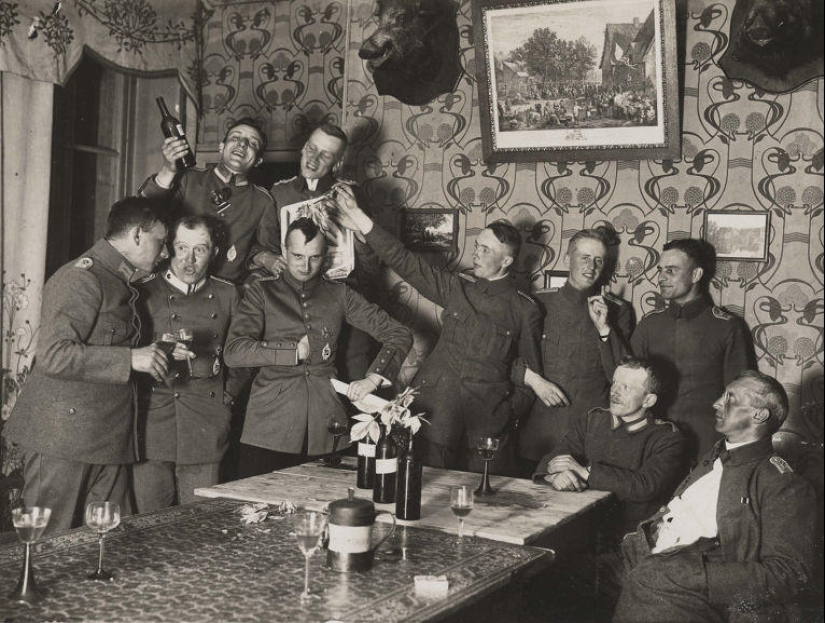
A party of German officers of the 280th flight unit in a house near the Western Front, 1918.

An officer of the German Air Force poses with a stuffed boar near the house where his unit is staying, near the Western Front, 1918.
American soldiers in gas masks used in different countries, at the Laboratory of Chemical and Technological Research in Philadelphia, 1919.
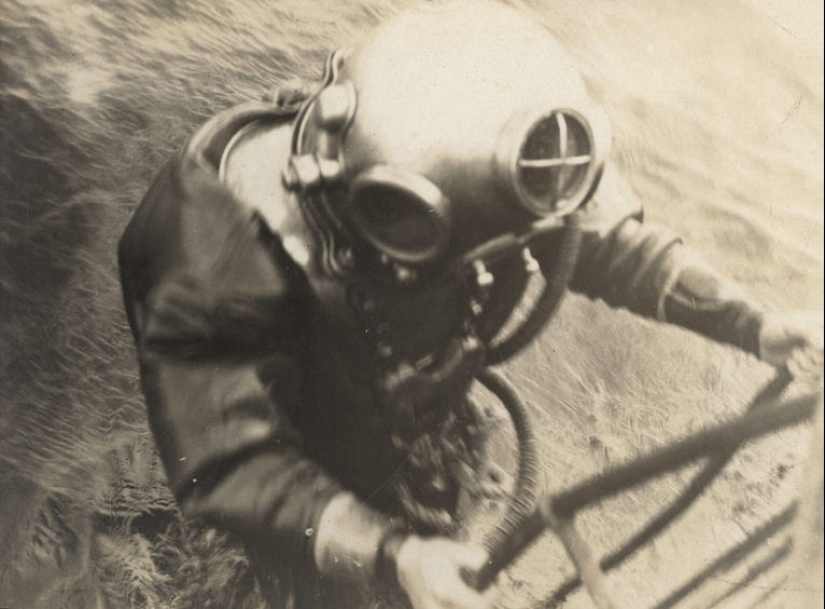
German military diver, 1917.
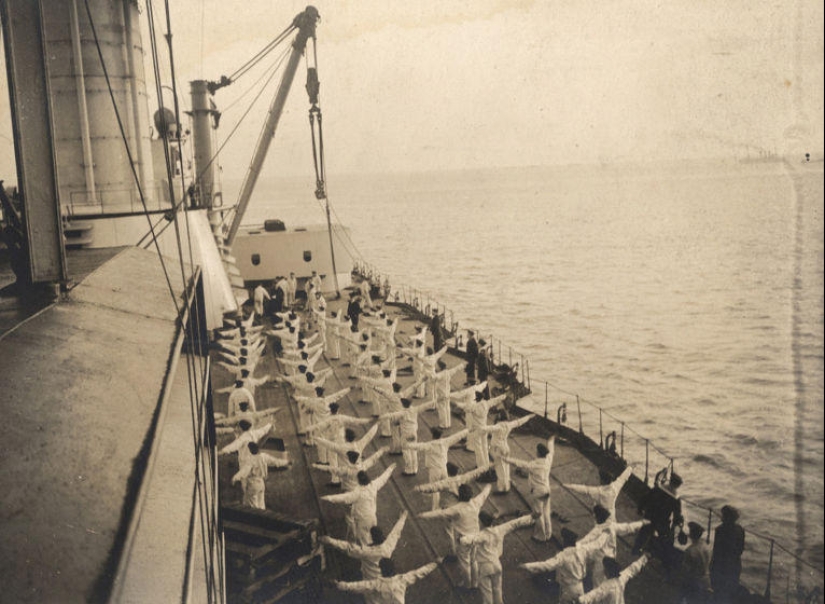
Morning exercise on a German ship, 1917.
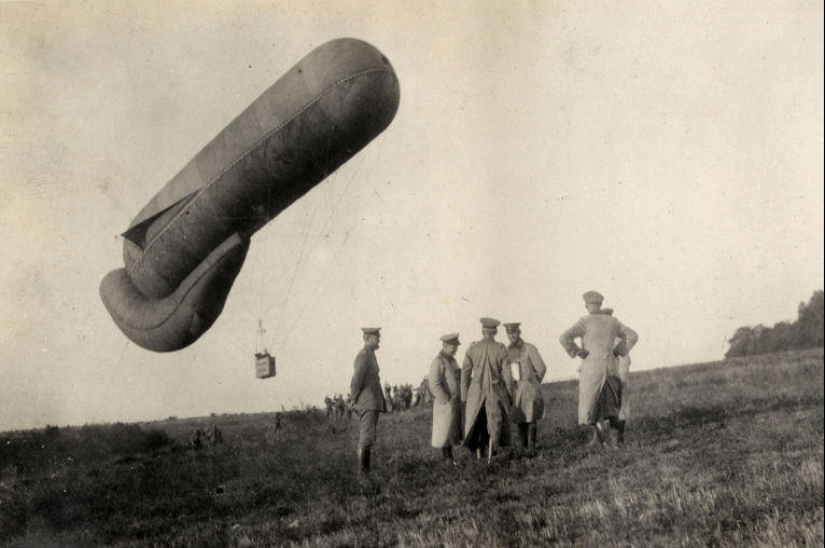
German officers at an observation balloon near the Western Front, 1915.

German prisoners of war on the field in Longjo, Western Front, August 1, 1916.
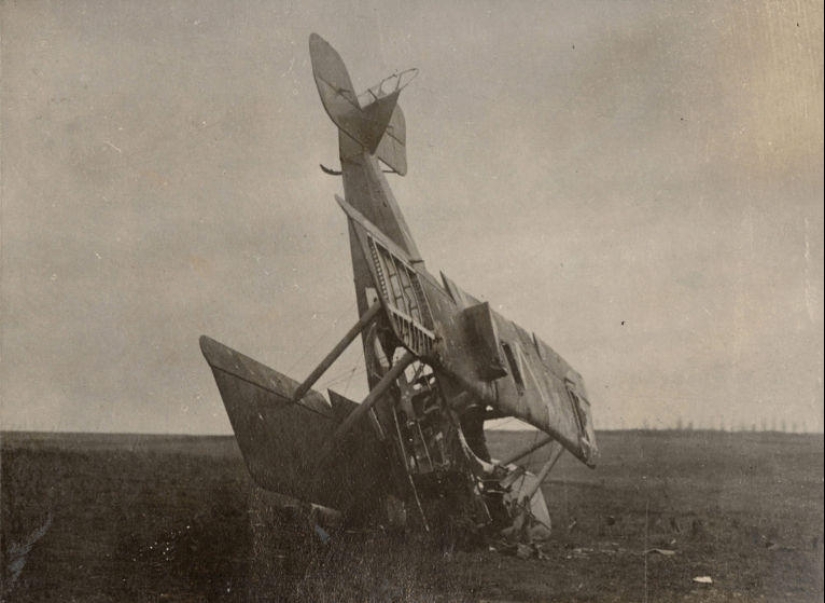
The downed German seaplane, 1916.
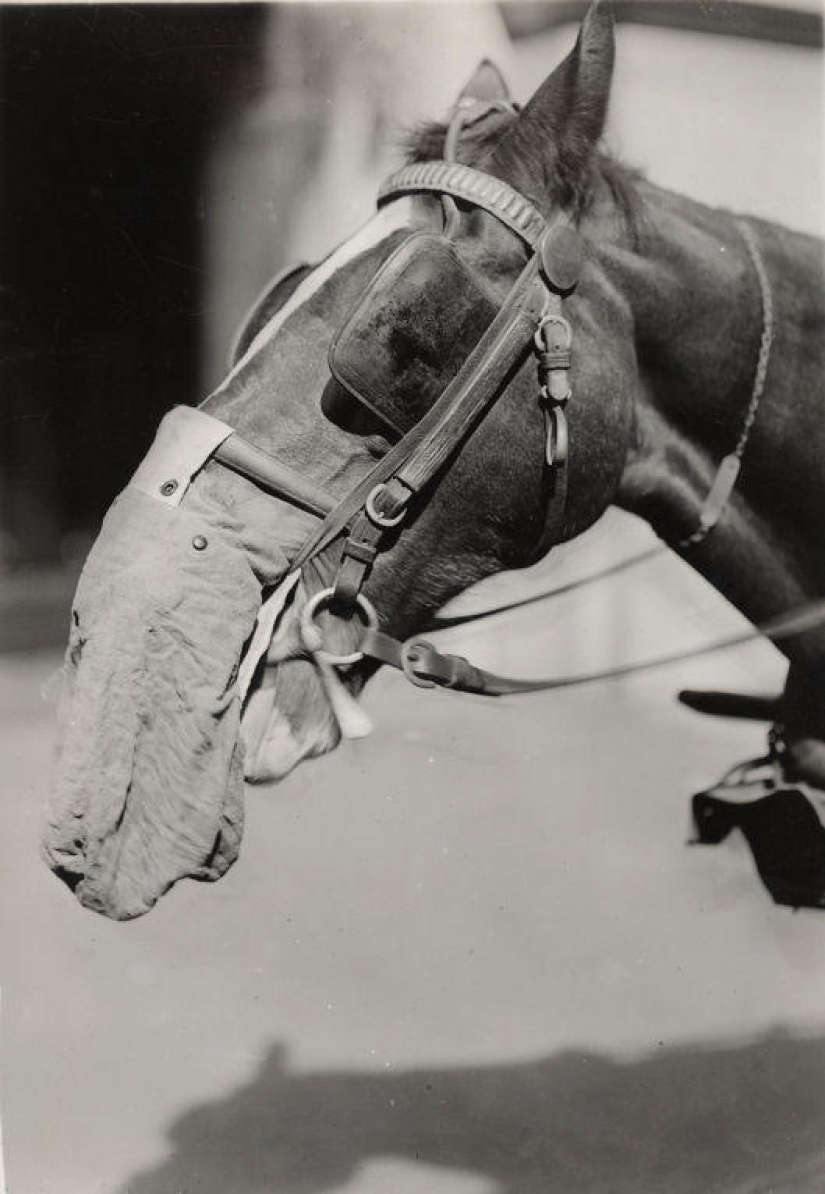
A horse in a flannelette respirator at the Laboratory of Chemical and Technological Research in Philadelphia, 1919.
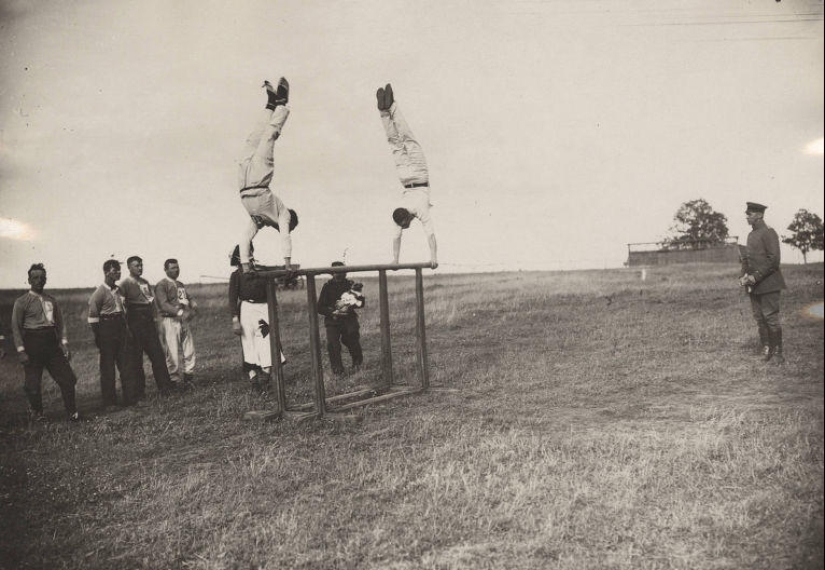
Officers of the Imperial German Air Force conduct athletic competitions at a squadron meeting near the Western Front, 1917.
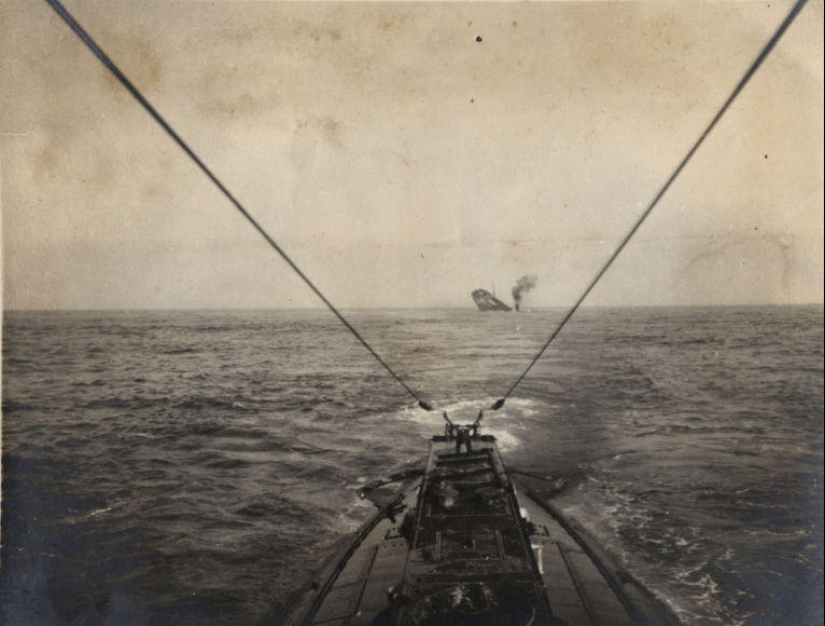
A German submarine sinks an Allied merchant ship in the Atlantic Ocean, 1915.
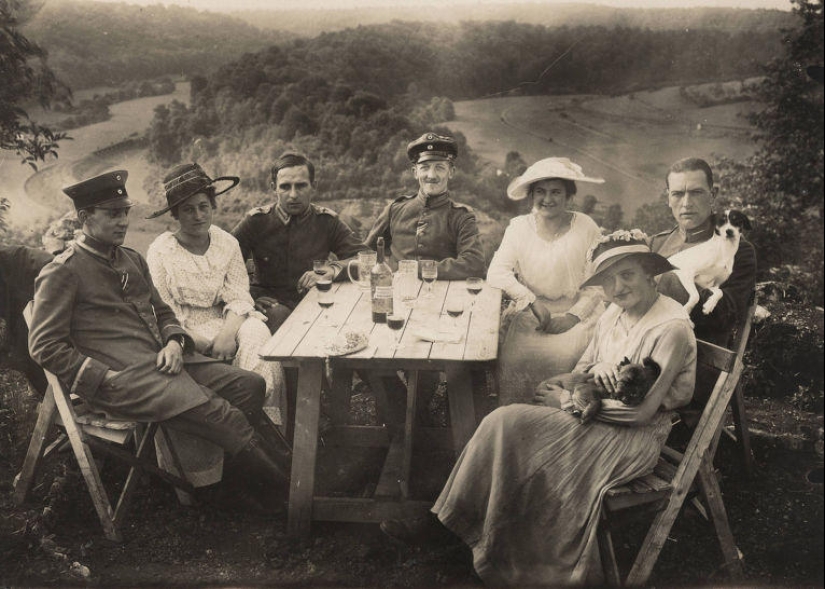
German Air Force officers on a picnic with friends, 1918.
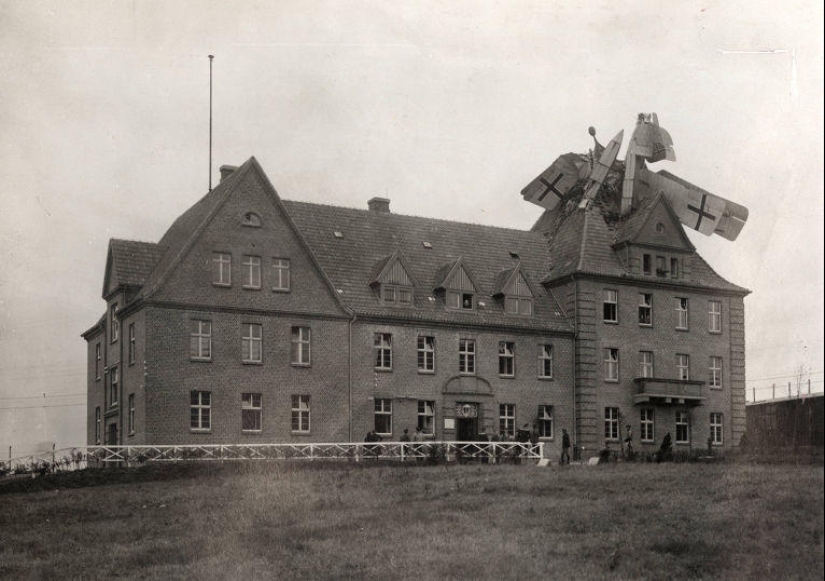
German seaplane "Friedrichshafen", which fell on a building in Germany, 1918.
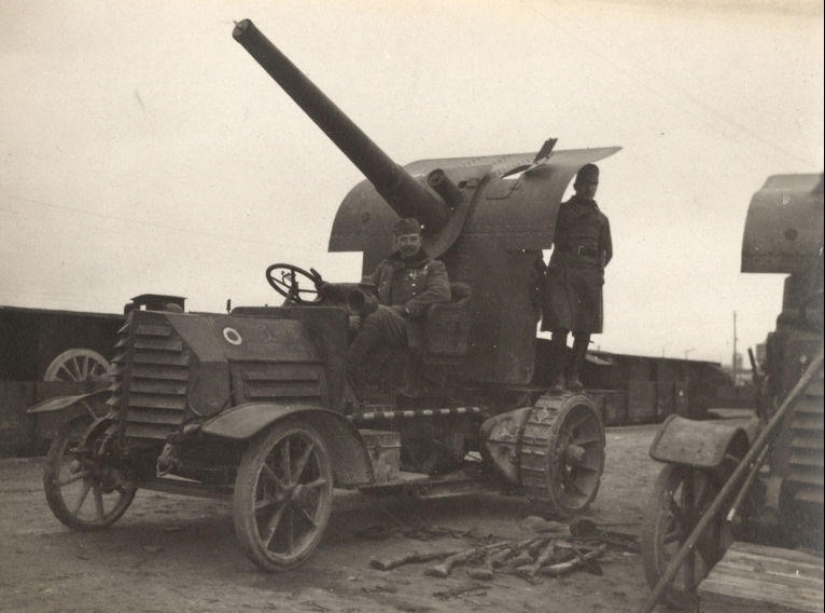
French anti-aircraft self-propelled gun, 1918.
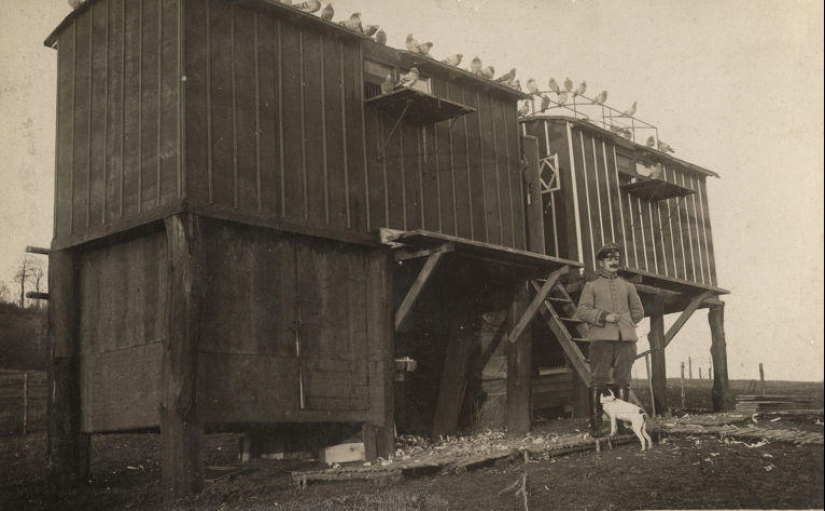
The German dovecote on the Western Front, 1916.
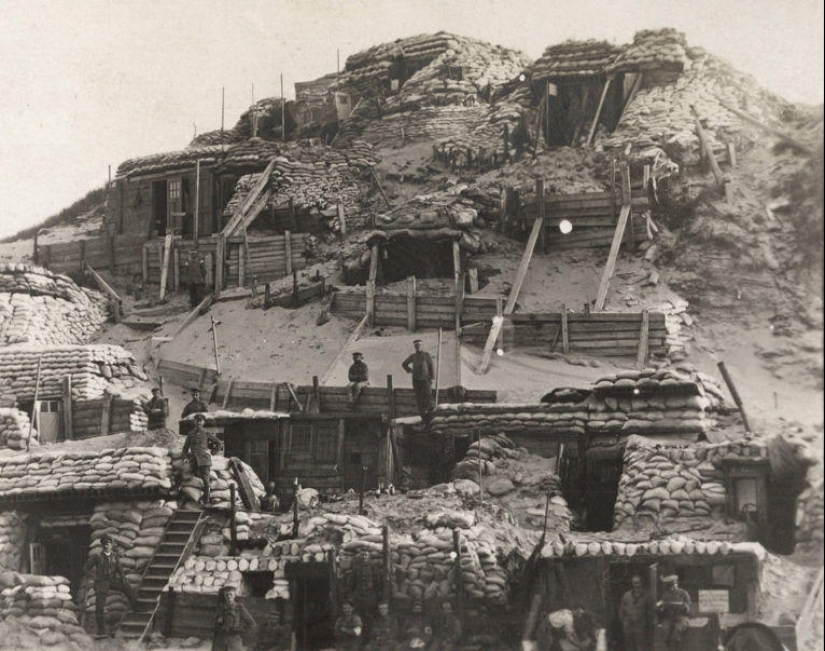
German observation post on the front line on the Iser River, Belgium, 1917.
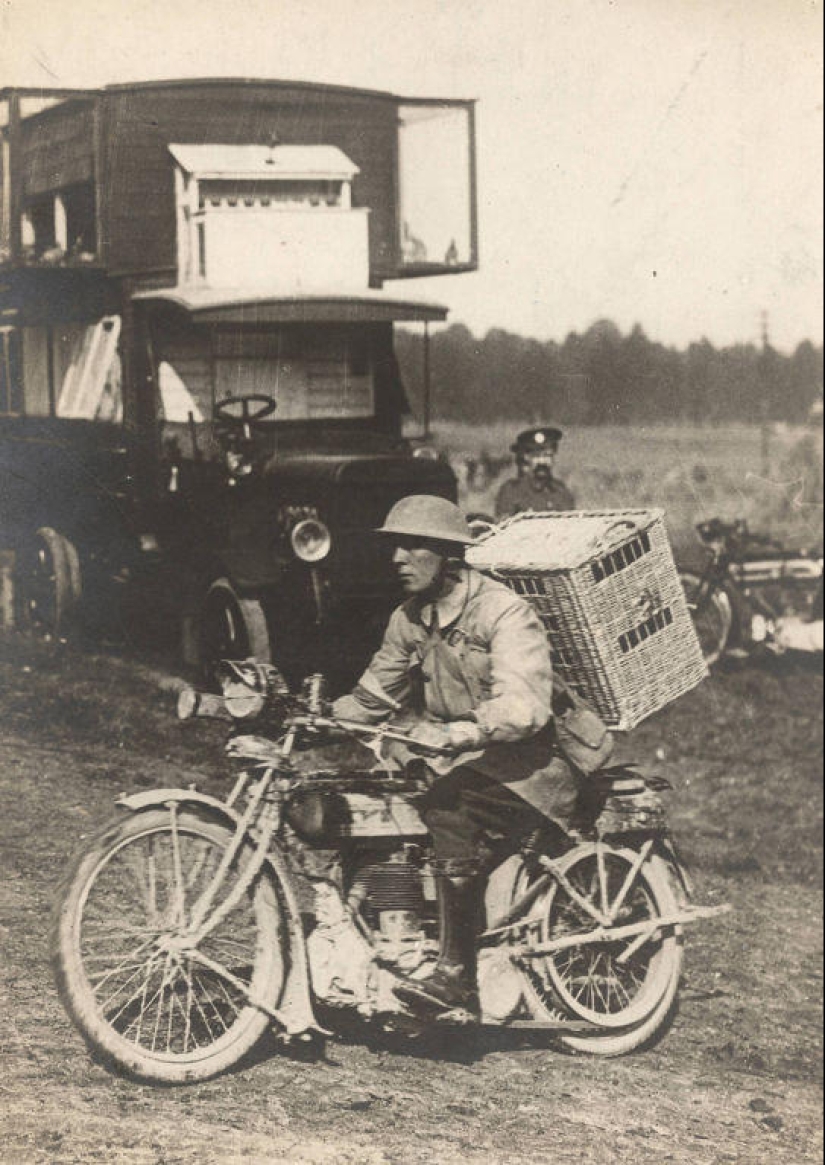
A British soldier carries pigeons to the front line, Western Front, 1916.
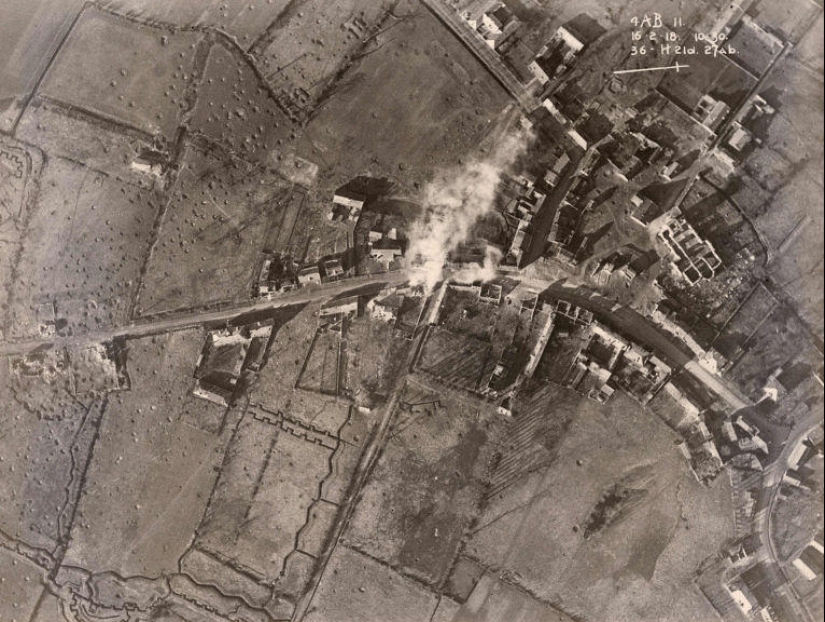
The consequences of the bombing on the Western Front. The picture was taken from a British plane, February 16, 1918.
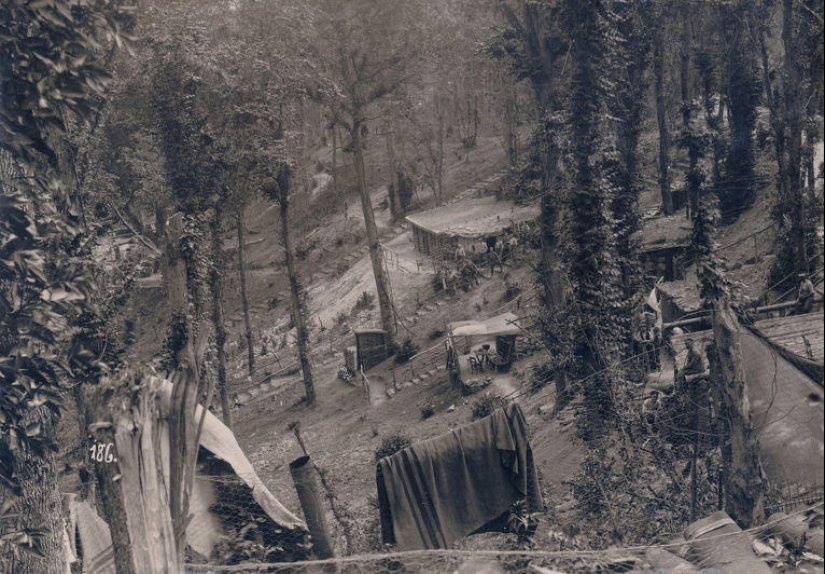
The German camp behind the front line, 1916.
Keywords: War | History | Soldiers | World war I | Pigeons | Reuters | Gas mask | XX century
Post News ArticleRecent articles

It's high time to admit that this whole hipster idea has gone too far. The concept has become so popular that even restaurants have ...

There is a perception that people only use 10% of their brain potential. But the heroes of our review, apparently, found a way to ...
Related articles

In the fall of 1972, Bill Yates traveled through the countryside in the vicinity of Tampa, Florida. At that time, he was studying ...

When a person is in a life-threatening situation is awful, but even worse when it happens to a child. 11-year-old American Terry ...

Remember how broke the "unbreakable" scoop? The photo preserved in the photo album of almost every family! A selection of vintage ...
New Year's is a time to surprise and delight loved ones not only with gifts but also with a unique presentation of the holiday ...