
One-way trip: why "dark tourists" go to dangerous countries
Categories: Asia | Conflict | Europe | Travel | World
By Pictolic https://www.pictolic.com/article/one-way-trip-why-dark-tourists-go-to-dangerous-countries.html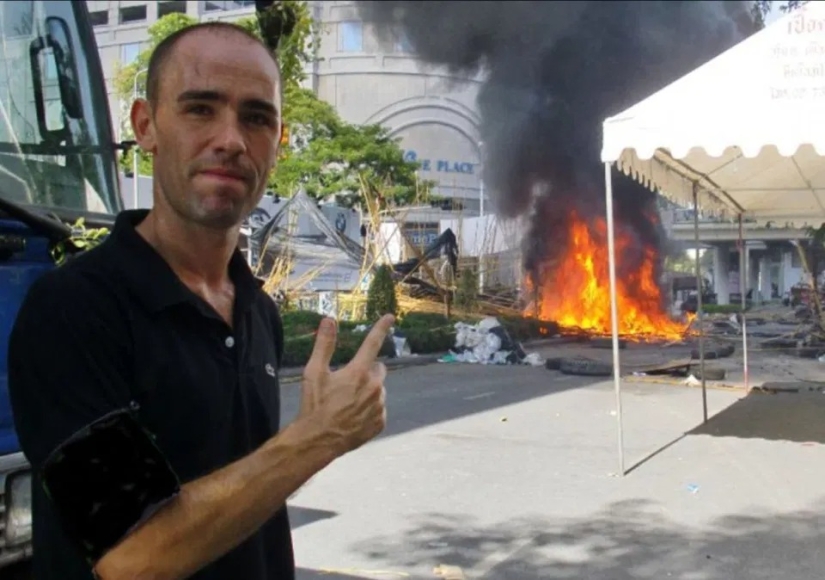
The term "dark tourism" means visiting places that are dangerous for life. Desperate travelers go on risky trips for the sake of thrills and often get into trouble. Adventurers find themselves in prisons on suspicion of espionage in countries with a strict regime or face deadly danger. Read the stories of tourists who almost said goodbye to their lives because of the desire to get a dose of adrenaline, further in our material.
"Dark tourists" go to dangerous places in search of thrills. Often such trips are associated with a risk to life. In closed countries, they do not like outsiders. They do not spare their citizens here, but they treat foreigners with even greater hostility. Often travelers find themselves in prisons with terrible conditions on charges of espionage and other crimes.
Afghanistan, Iran, North Korea and other countries, known for their unfriendliness to visitors, meet them with strict bans. But curious Westerners still go to the very hell and fall into terrible traps.
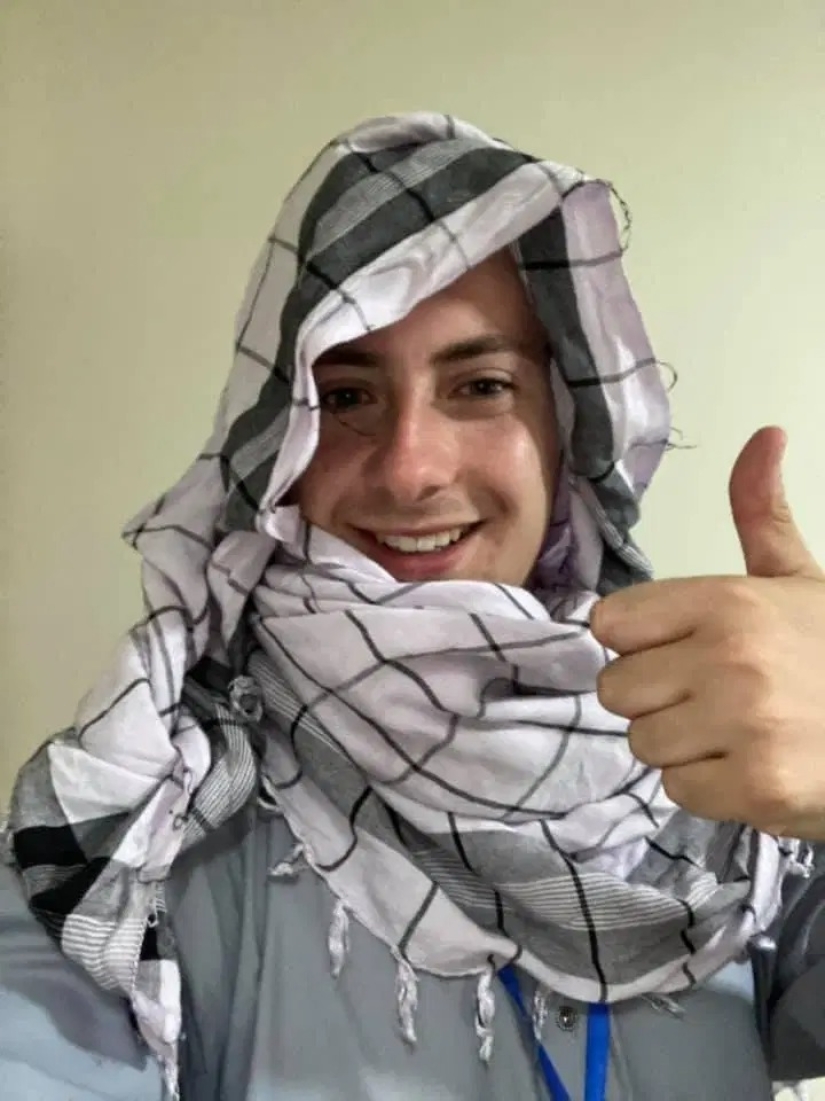
Miles, a 22-year-old Briton, is stuck in war-torn Kabul, captured by the Taliban. In social networks, he wrote that he was hiding in a UN shelter after several unsuccessful attempts to get out of the capital of Afghanistan. A student from Birmingham went to a hot spot to see the "most dangerous city". He recorded his journey on video and broadcast live on Twitch.
The guy said that he understands that he may not return from the trip alive. Nevertheless, he hopes for a safe return home.

In 2019, British woman Jolie King and her Australian boyfriend Mark Firkin were arrested in Tehran for launching a drone. They were sent to prison, where they were kept in inhumane conditions. Fortunately, the couple managed to get free and return to Australia.

40-year-old "dark tourist" Andy McGinlay (Andy McGinlay) has visited more than a hundred countries and is addicted to extreme travel. From 2010 to 2015, he visited Syria, Iraq, Iran, Afghanistan and North Korea. The Briton was repeatedly in danger of being abducted or killed.

The man says that his thirst for thrills pushes him to dangerous adventures. He runs a travel channel on YouTube and dreams of visiting all countries of the world.
In 2012, Andy went to Iran, where he was monitored. He asked a local student to become his guide, traveling through the northern part of the country. As a result, the guy was arrested for having an affair with a foreigner who was considered a spy. It seemed suspicious to the Iranian authorities that the Briton went to non-tourist places in order to see the country. Fortunately, his friend was released after he managed to prove Andy's innocence.

In 2010, another tourist from the UK, Andrew Barber, was accused of espionage in Iran and spent 58 days in Evin prison – one of the most terrible in the country. This happened after a British man photographed the sunset near one of the power plants. The police checked his personal belongings and found out that he used to work for a logistics company in Iraq. And this country, as you know, is one of the most irreconcilable rivals of Iran.
Andrew was thrown into prison, not allowed to contact the British embassy. He was kept in a tiny cell without furniture and windows for 26 days. The man was released only for 10 minutes to go to the toilet. Fortunately, the charges were dropped due to lack of evidence, the prisoner was released and handed over to the British Embassy.

In 2016, the world media spread the news that a tourist from the United States, Otto Warmbier, was jailed in North Korea for stealing a propaganda poster.
The 22-year-old American was sentenced to 15 years of hard labor, but was released after he fell into a coma due to a head injury inflicted in prison. The young man died on June 19, 2017 due to his injuries.
Deadly dangers lie in wait for tourists not only in countries of strict regime, but also in our native forests. Every year, hundreds of people find themselves in difficult situations that arise during walks in nature and hiking for mushrooms.
Keywords: Afghanistan | North Korea | Death | Iran | Conflict | Asia | Europe | Travel | Tourists | UK | World | Prison | Trip | Countries | Adrenaline | Danger | Foreigners | Spies | Liberation | Adventures | Travelers | Bloggers | Suspicions
Post News ArticleRecent articles

It's high time to admit that this whole hipster idea has gone too far. The concept has become so popular that even restaurants have ...

There is a perception that people only use 10% of their brain potential. But the heroes of our review, apparently, found a way to ...
Related articles

Immunity to poisons at all times been the dream of all authority. List of popes, kings and emperors, gave his soul to God through ...

We all know that walking in extreme cold is dangerous, but few people know what happens to the human body at these moments.

Millions of people around the world buy lottery tickets in the hope of winning a happy life. They dream of luxury cars, luxury ...
New Year's is a time to surprise and delight loved ones not only with gifts but also with a unique presentation of the holiday ...