
Nuclear waste dump has become a tourist attraction
Categories: North America
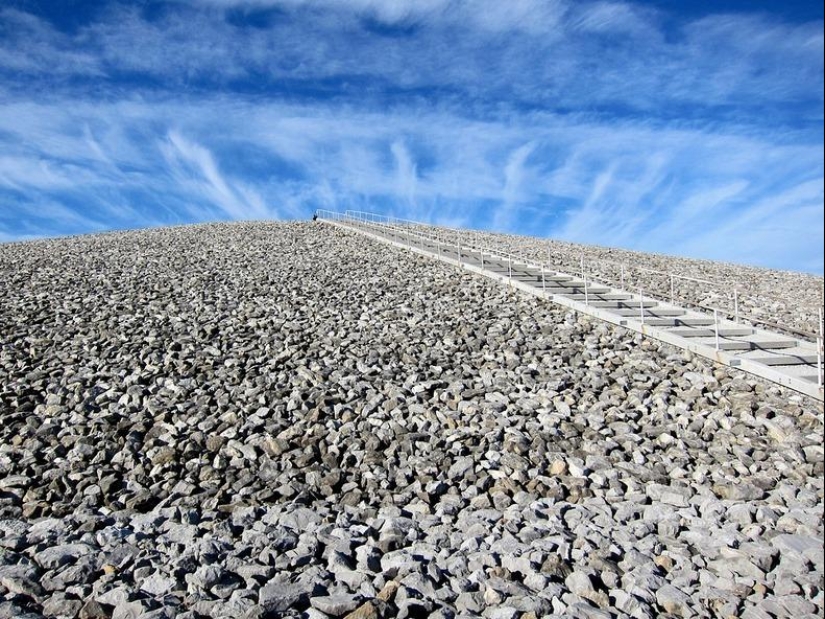
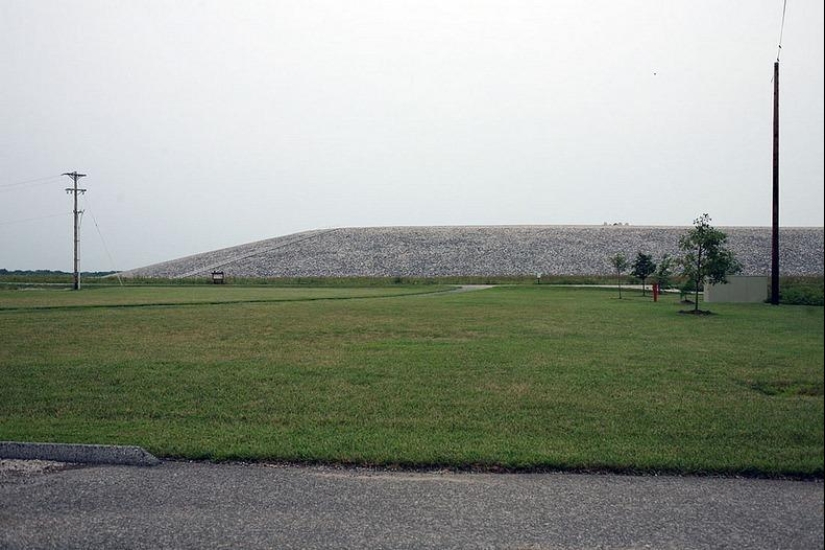
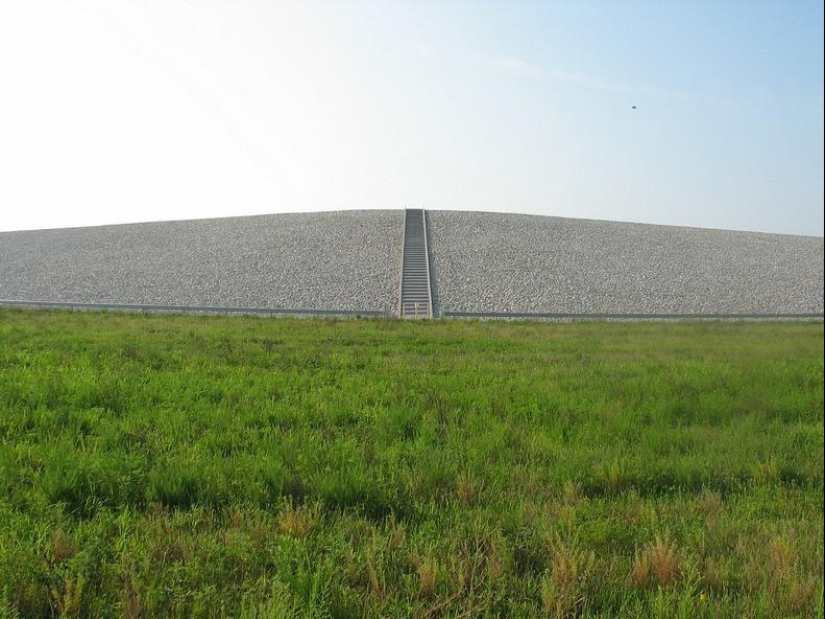
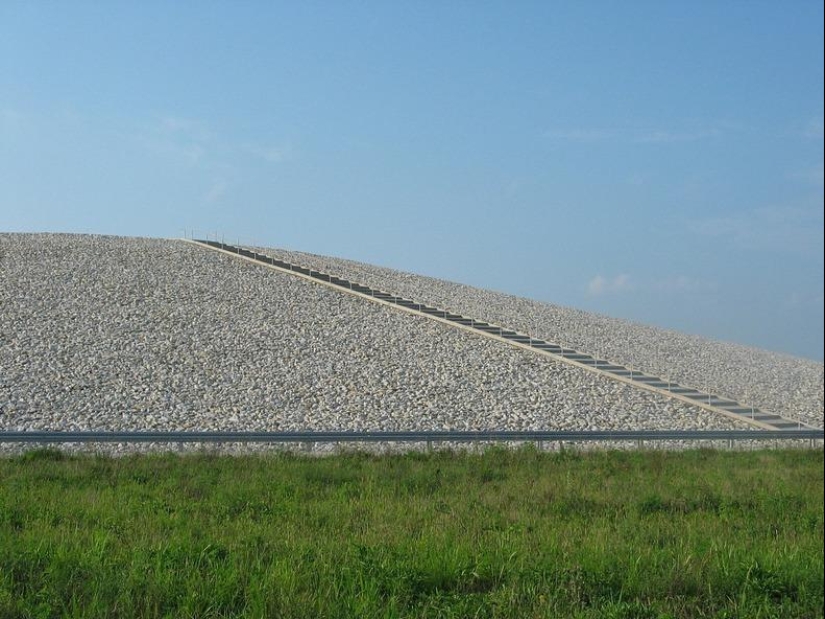
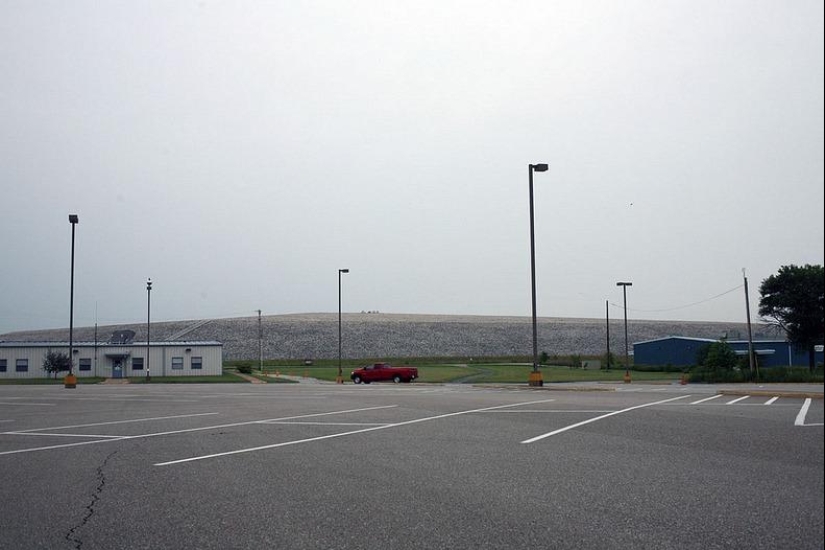
By Pictolic https://www.pictolic.com/article/nuclear-waste-dump-has-become-a-tourist-attraction.htmlIn Saint Charles County, Missouri, near Weldon Spring, there is a huge mound of stones that rises above the ground like an ancient grave. Beneath this embankment are tons of hazardous waste produced by the chemical plant that stood on the site. Today, Weldon Spring attracts thousands of curious visitors every year. They climb to the top of the 25m high dome to view posters that tell the sad story of the communities that disappeared in 1940 to make way for the world's largest explosives factory.
(Total 10 photos)
1. Between 1940 and 1941, the US Army purchased 17,000 acres of land in St. Charles County, outside of St. Louis. There were three pretty towns in this territory - Hamburg, Howella and Tunervilla. They were immediately evacuated. Hundreds of houses, firms, churches, schools in the region were or destroyed, within a few months all three cities ceased to exist. A massive factory was set up to produce TNT and DNT to supply the Allied forces during World War II. More than 5,000 people were recruited. By the time the plant ceased production on August 15, 1945, it had produced over 700 million pounds of TNT.
2. After the war, the army began to sell off parts of the land. Missouri received 7,000 acres while the University of Missouri bought another 8,000 acres. These areas are today the Bush Memorial Conservation Area and Weldon's Spring. A small piece of land - approximately 2,000 acres - has been preserved by the US Atomic Energy Commission. An enterprise for the processing of uranium ore was created here in 1955.
3. The processing plant operated until 1966. During the Vietnam War, the Army planned to use some of the old uranium preparation plants to produce Agent Orange, the herbicide that deleafed the jungle during the war. The Army later abandoned the plan, never producing the chemical at Weldon Spring. The plant had been derelict for over 20 years, but still contained contaminated equipment and dangerous chemicals. Waste tanks were filled with thousands of gallons of water contaminated with radioactive waste and heavy industrial metals.
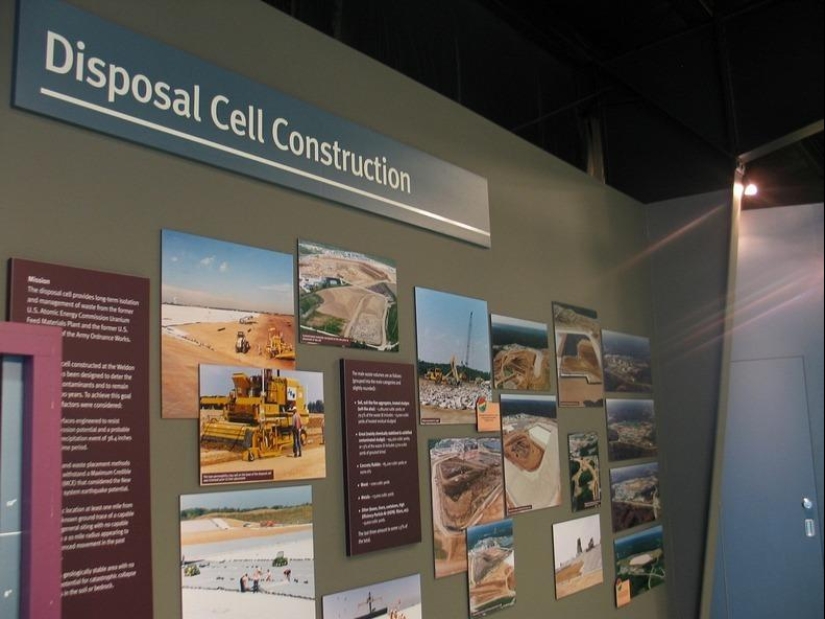
4. Beginning in the 1980s, the US Department of Energy began an extensive decontamination of the area, eventually creating a giant waste repository to bury waste materials. The official name of this place is WSSRAP.
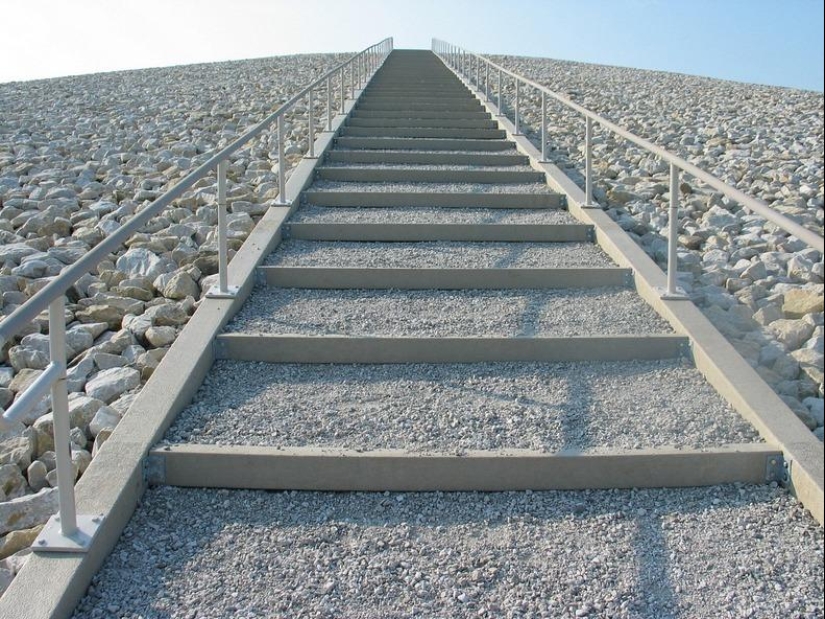
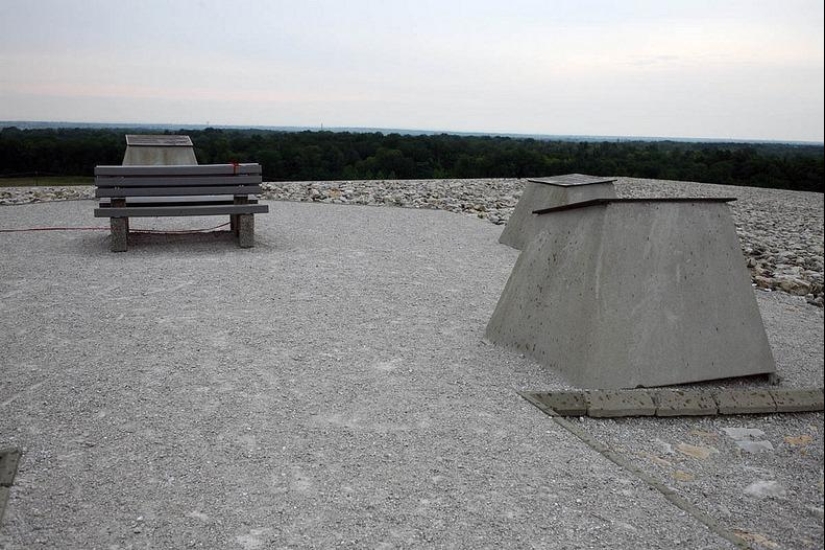
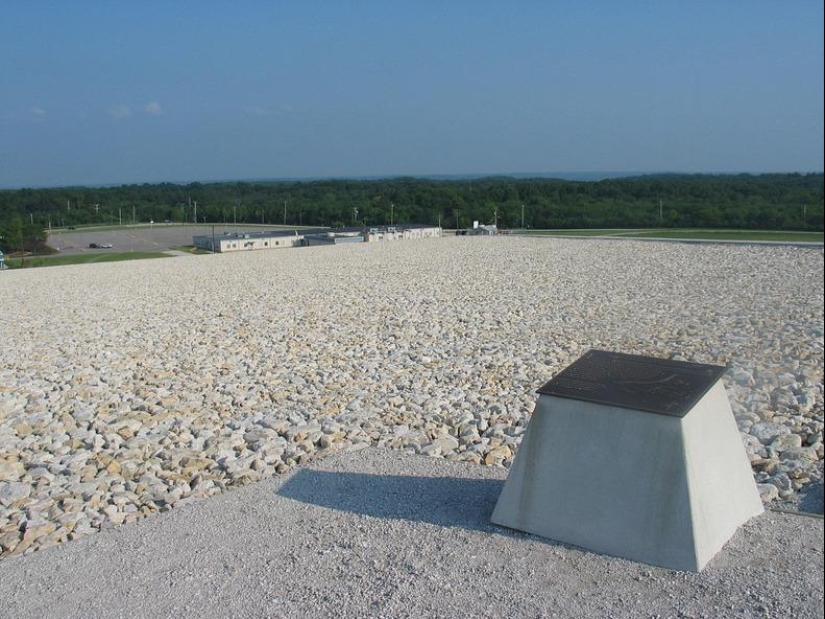
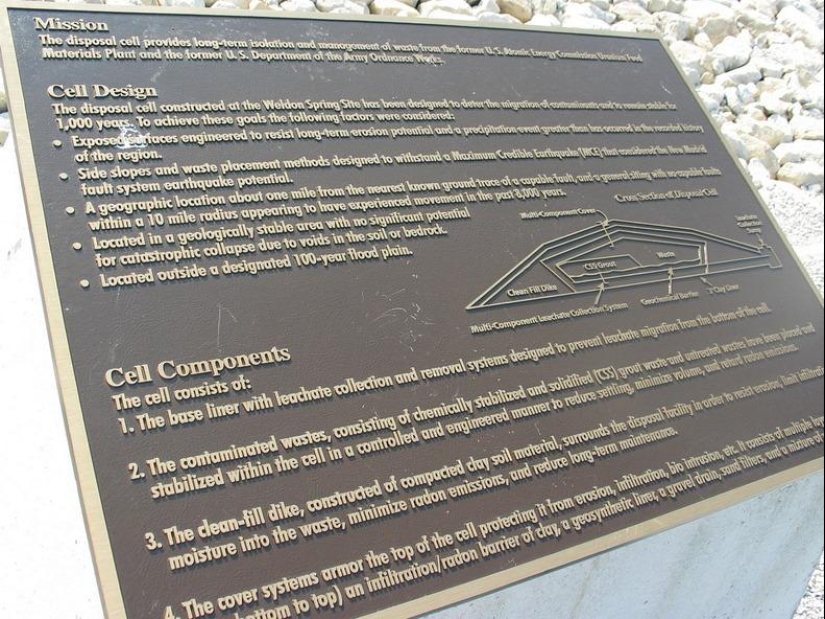
5. Completed in 2001, the mountainous structure covers 45 acres and stores 1.5 million cubic yards of hazardous materials. The stairs lead to the top of the cell, where there is an observation platform and plaques providing information about the area and its history. Visitors can also visit a section in the building's shell that was once used to test workers for radioactivity. Coincidentally, the top of Weldon Spring's container cell was the highest point in St. Charles County.
6.
7.
8.
9.
10. A similar storage facility for nuclear waste is located on the Eniwetok Atoll and is called the Runit Dome.
Keywords: Attractions | Waste | Landfill
Post News ArticleRecent articles

It's high time to admit that this whole hipster idea has gone too far. The concept has become so popular that even restaurants have ...

There is a perception that people only use 10% of their brain potential. But the heroes of our review, apparently, found a way to ...
Related articles

Istanbul is different from other cities with its rich history and a variety of tourist attractions. Continents, cultures, ...

In the world there are things or places that have seen all, for example, the world's attractions. Someone looked at them in life, ...

Everest, the highest mountain on the planet, became now the most high-rise garbage, and the problem is compounded. The number of ...
New Year's is a time to surprise and delight loved ones not only with gifts but also with a unique presentation of the holiday ...