
Life of Roma in Europe before World War II
Take a look into the past! These rare images take us into the lives of European Roma before World War II. Archival photos reveal their daily lives, culture, and unique lifestyle. But history is murky, as the war claimed the lives of 150,000–200,000 Roma in Central and Eastern Europe.
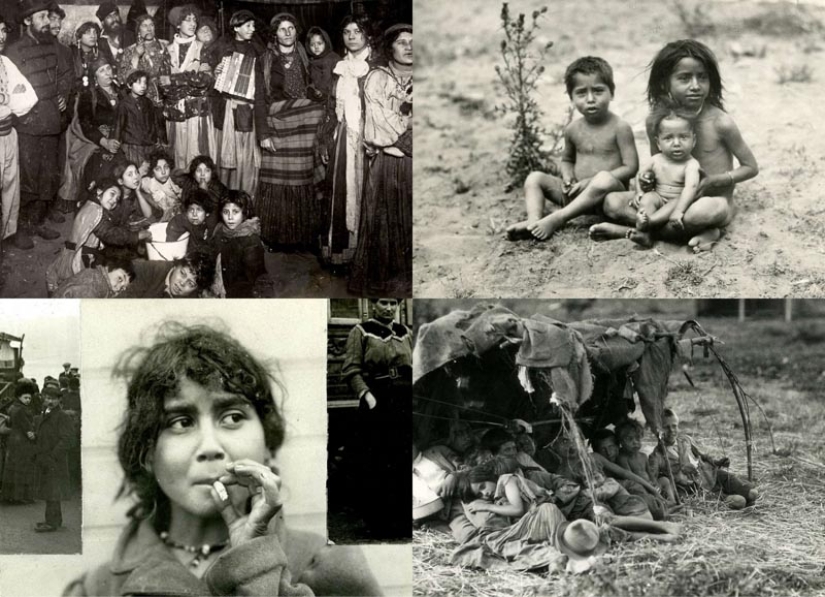
Roma are one of the largest ethnic minorities in Europe, a segment of the ethnic population of common Indian origin. Roma live in many European countries, as well as in North Africa, North and South America, and Australia. Related groups also live in the countries of Western Asia. Estimates of the European Roma population range from 8 million to 10-12 million. According to recent research, approximately 150,000-200,000 Roma in Central and Eastern Europe were exterminated by the Nazis and their allies during World War II.
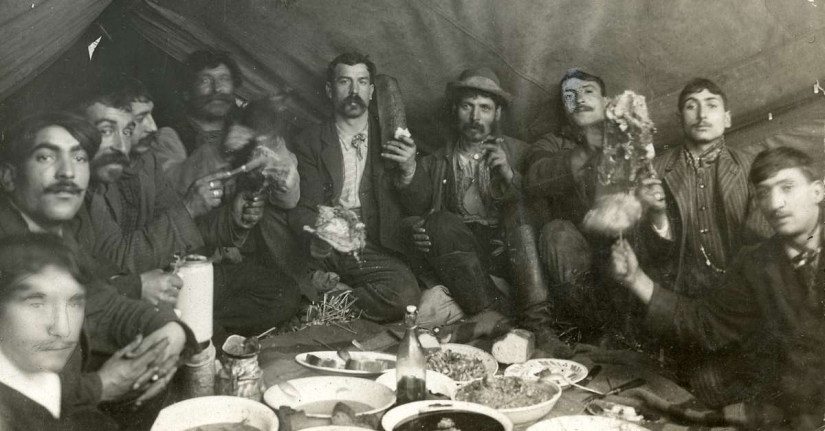
1. Men gather for a meal in a large tent at a gypsy camp. Amsterdam, Netherlands, 1912.
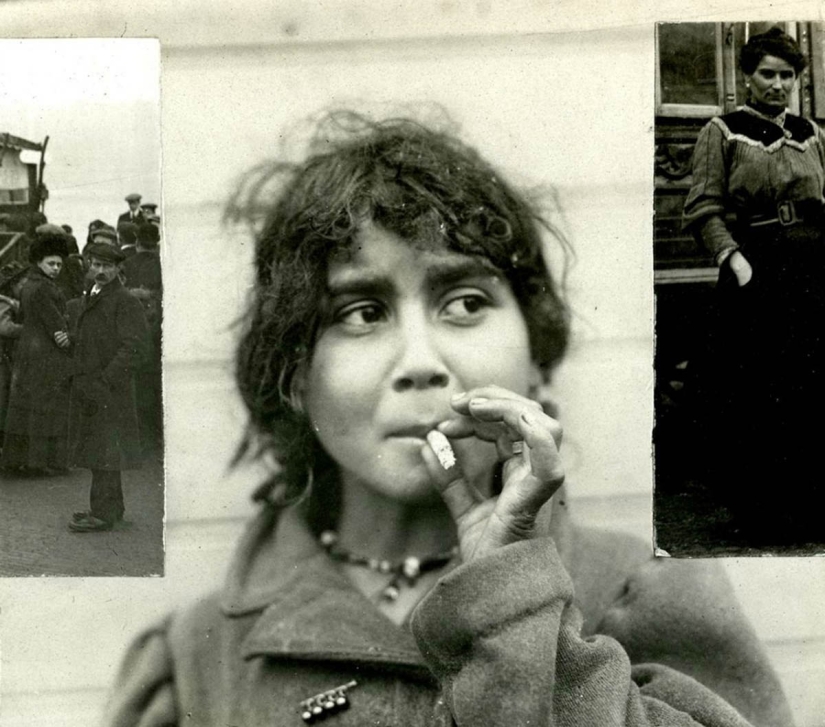
2. A girl in a gypsy camp near Amsterdam. Netherlands, 1912.
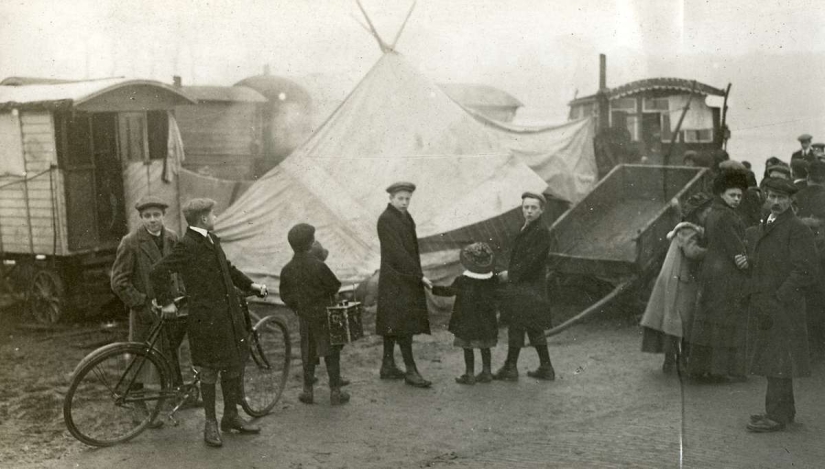
3. Dutchmen in a gypsy camp near Amsterdam. Netherlands, 1912.
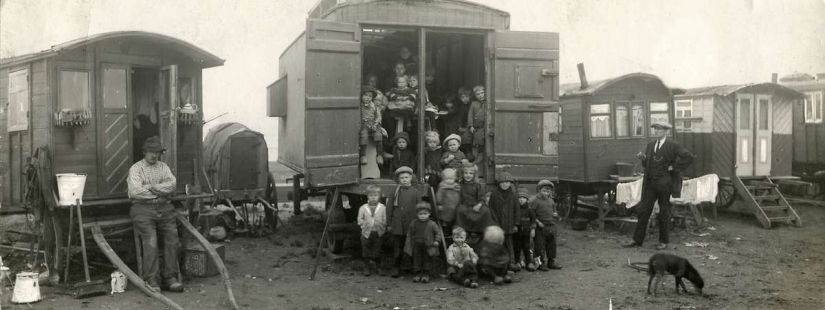
4. School in a Gypsy camp near Amsterdam. Netherlands, 1912
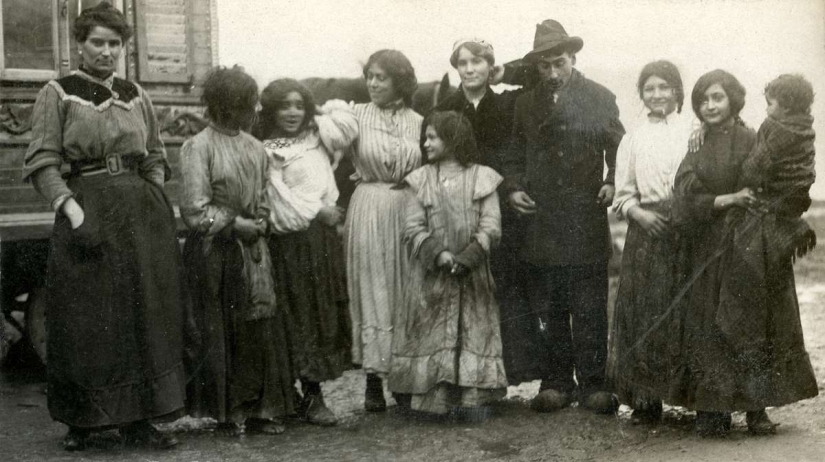
5. Women in a gypsy camp near Amsterdam. Netherlands, 1912.
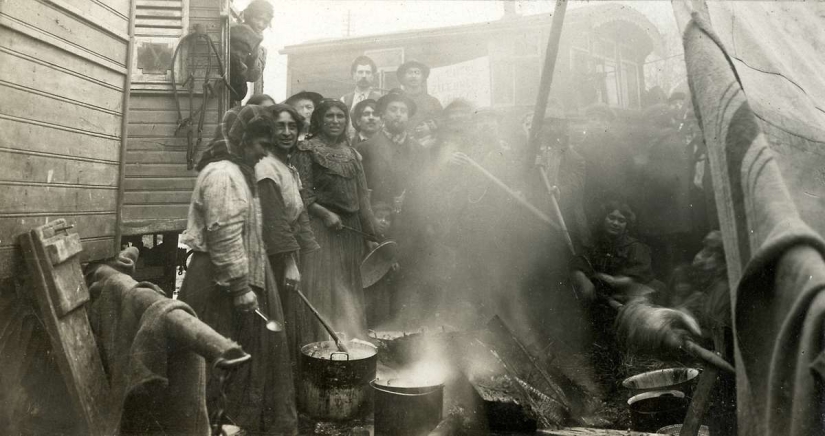
6. Gypsies cooking soup in their camp. Netherlands, 1912.
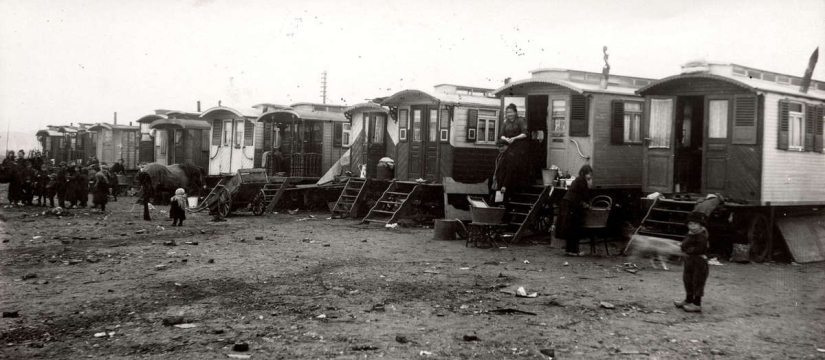
7. Gypsy camp near Amsterdam. Terrible filth and poverty. 1915
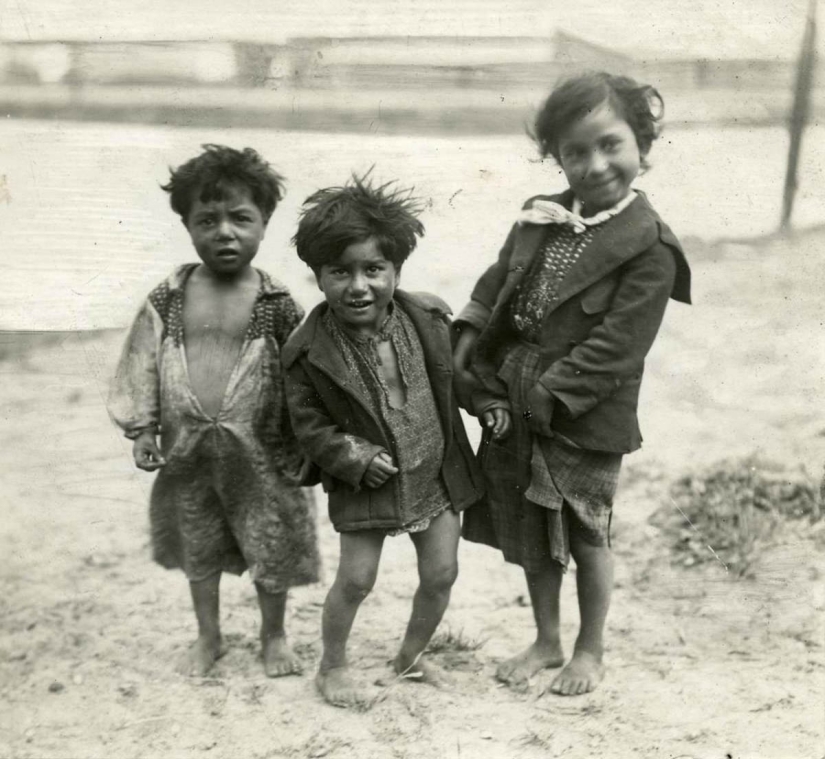
8. Gypsy children in a camp near Amsterdam. Amsterdam, 1917
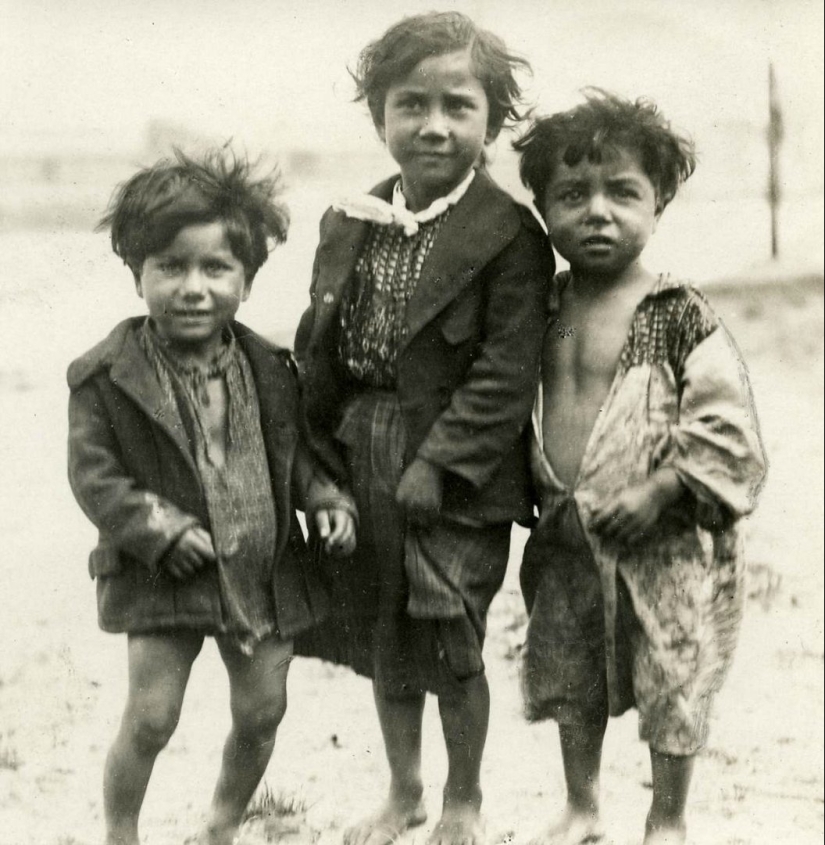
9.
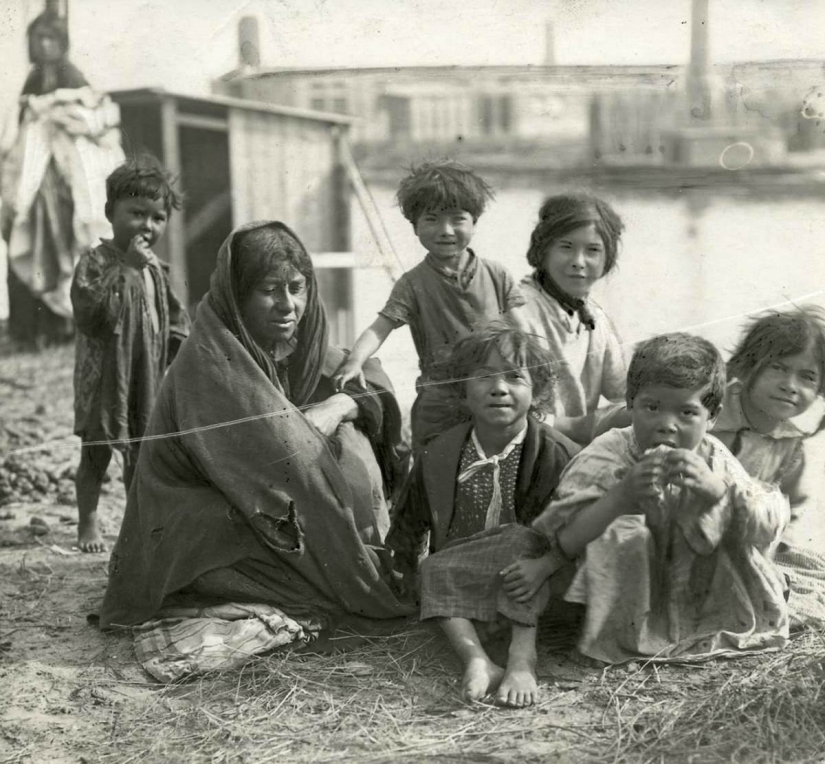
10. Mother with children in a gypsy camp. Netherlands, Amsterdam, 1917.
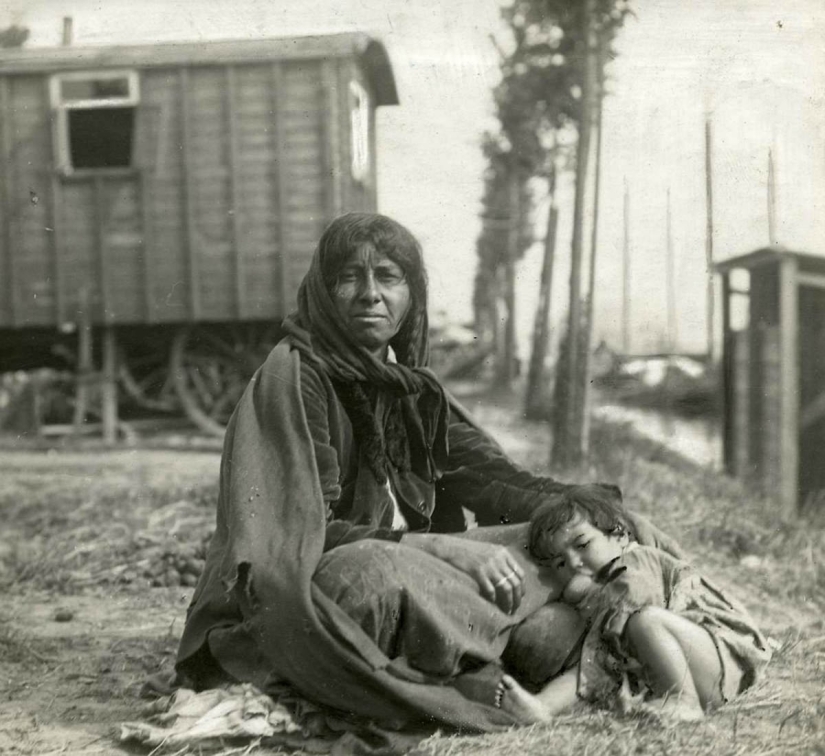
11.
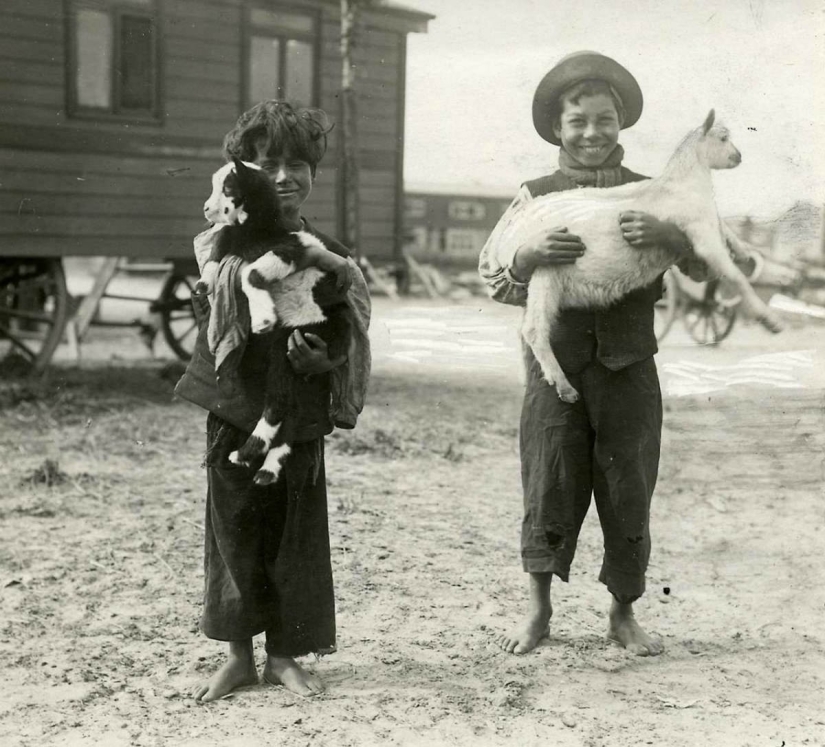
12. Two boys from a gypsy camp. Netherlands, Amsterdam, 1917.
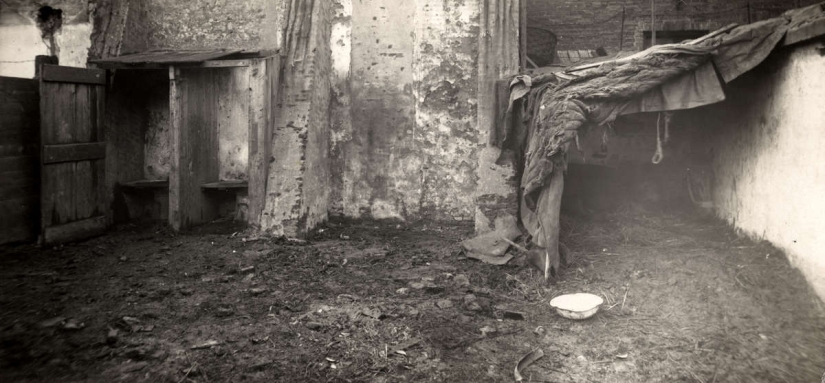
13. Dirt and poverty in a camp near Arnhem. 1923
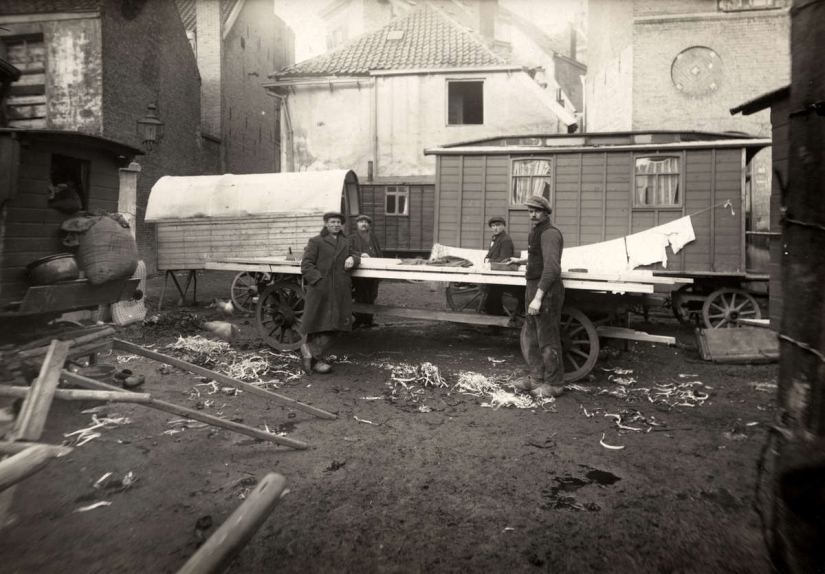
14.
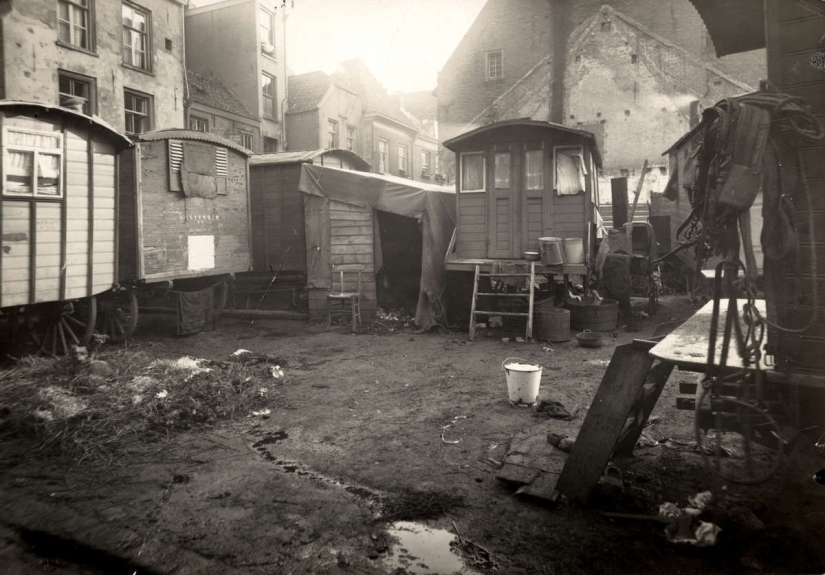
15.
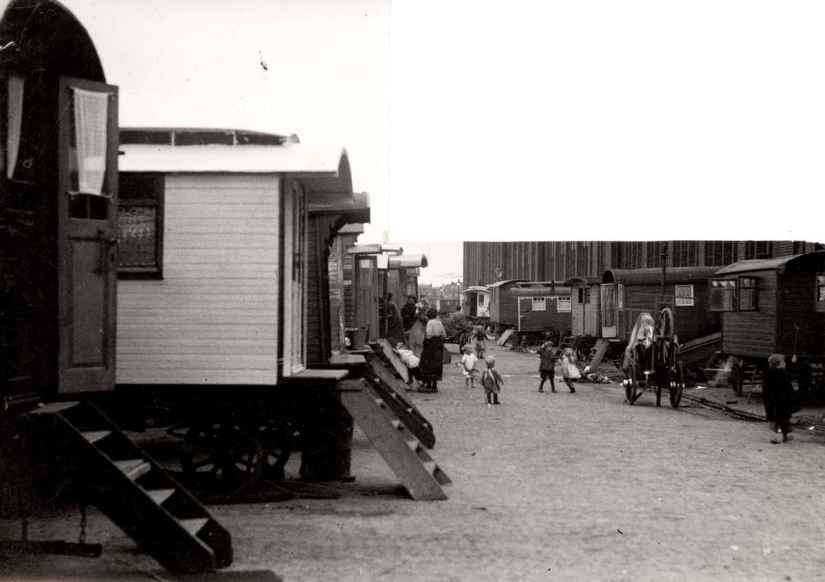
16. View of a gypsy camp in The Hague. 1925
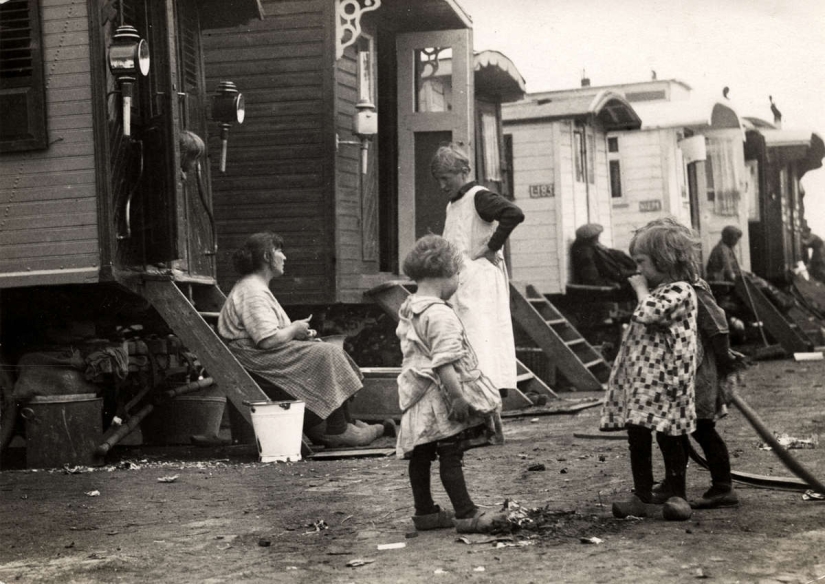
17. Camp in Zaandam, 1926: Two Roma girls in wooden shoes
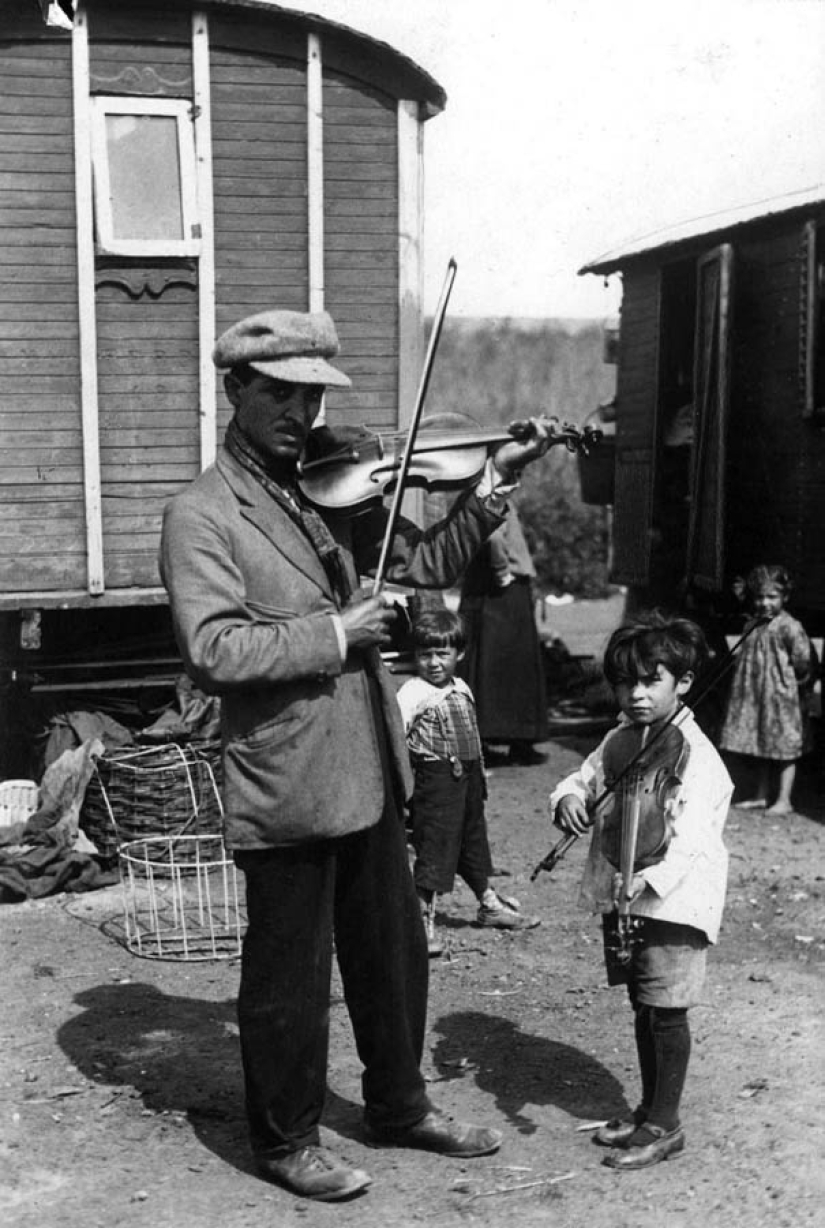
18. A young inhabitant of the Zaandam camp learns to play the violin from his father. Netherlands, 1926.
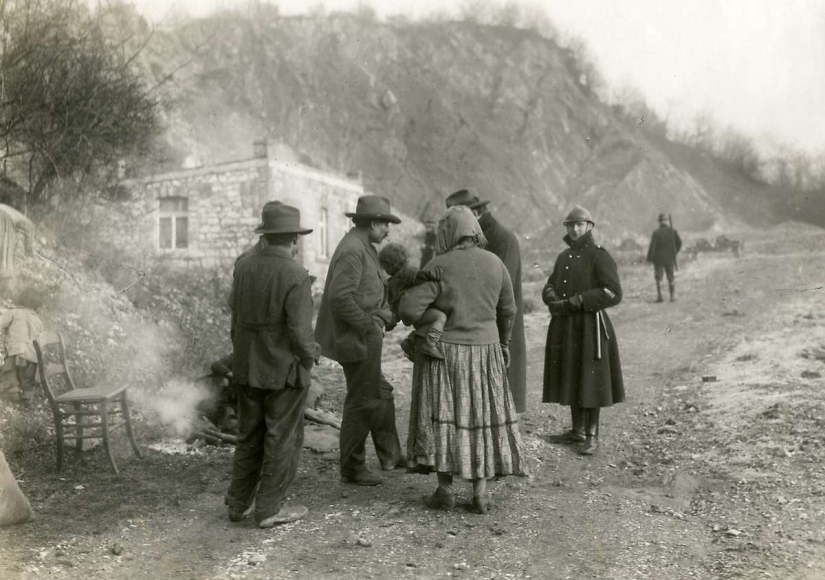
19. The inhabitants of a gypsy caravan communicate with Belgian gendarmes. 1928
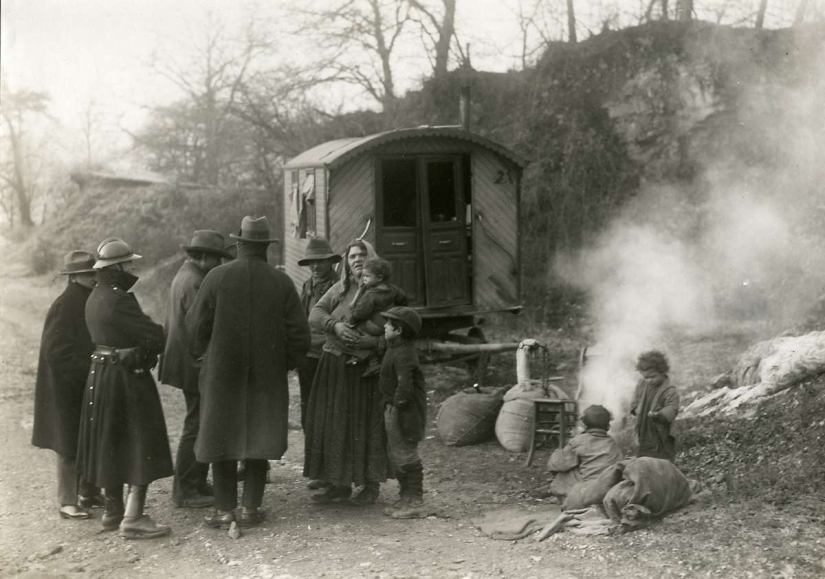
20.
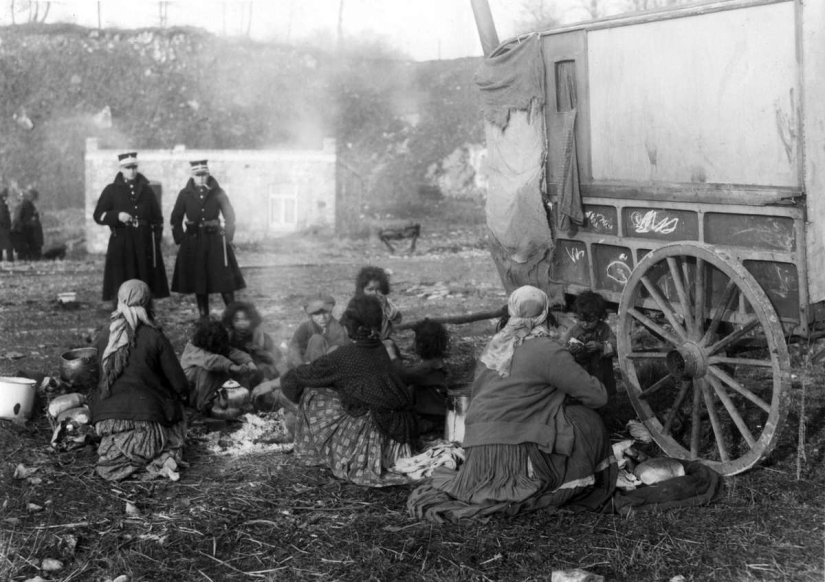
21. A group of Gypsies sit near a cart. Belgian police officers watch them. 1928
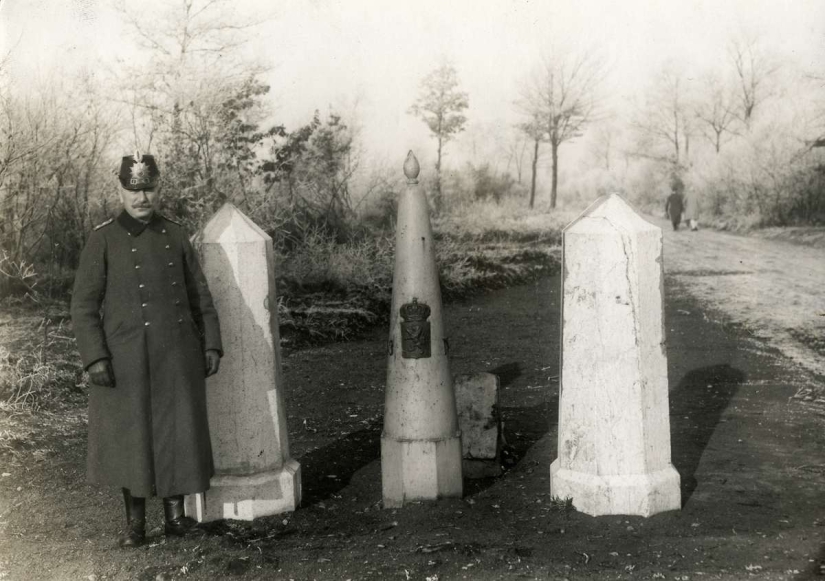
22. Dutch military police at the border during an action against Roma. Netherlands, 1928.
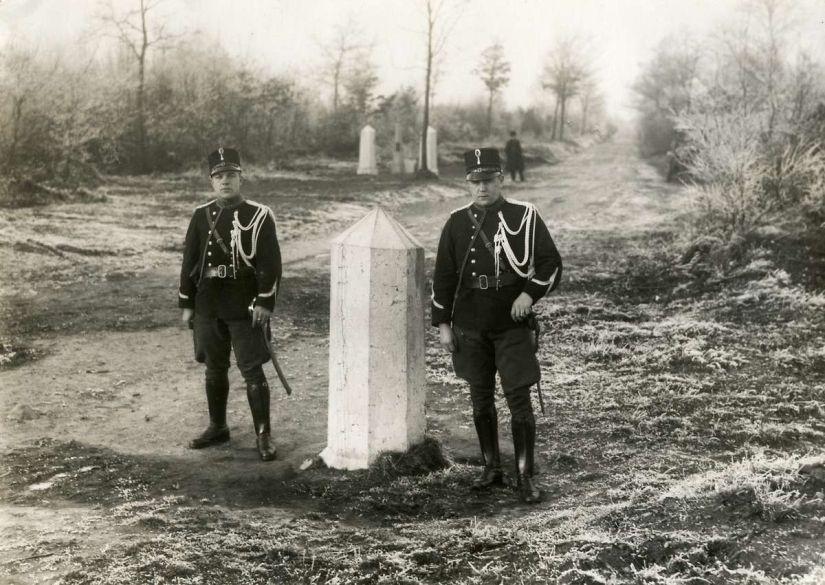
23.
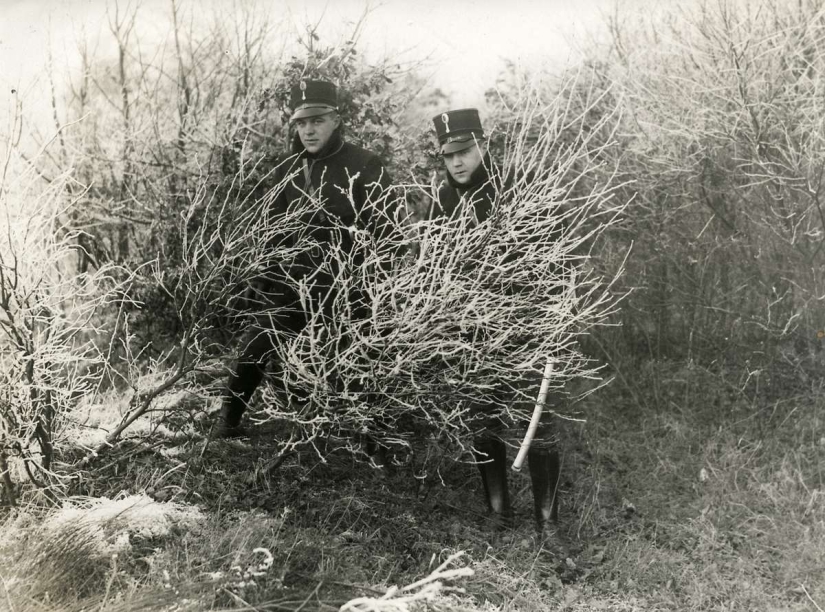
24. Dutch military police at the border in ambush during an action against Roma. Netherlands, 1928.
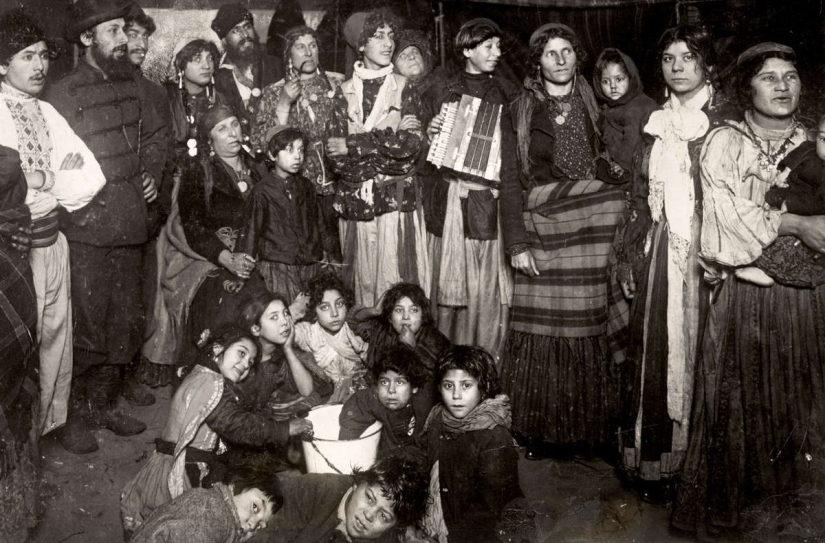
25. Gypsies celebrate Christmas in the Soviet Union, 1928
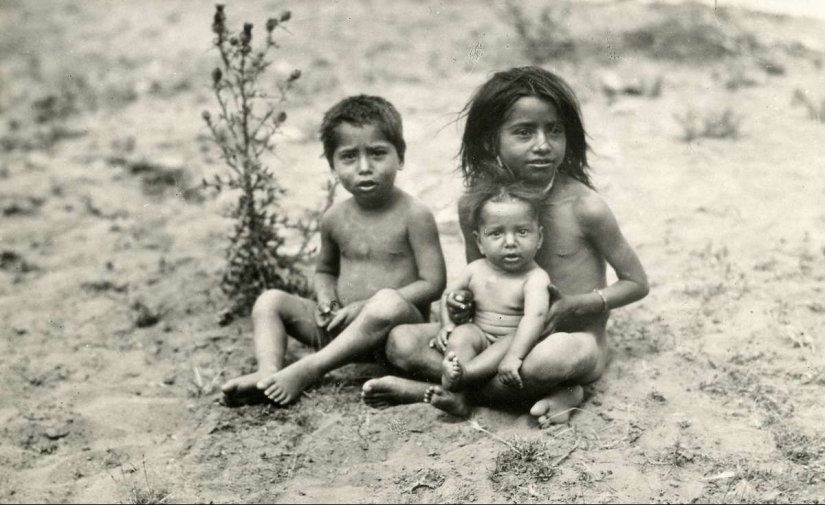
26. Three Gypsy children from Westphalia, Germany, 1930
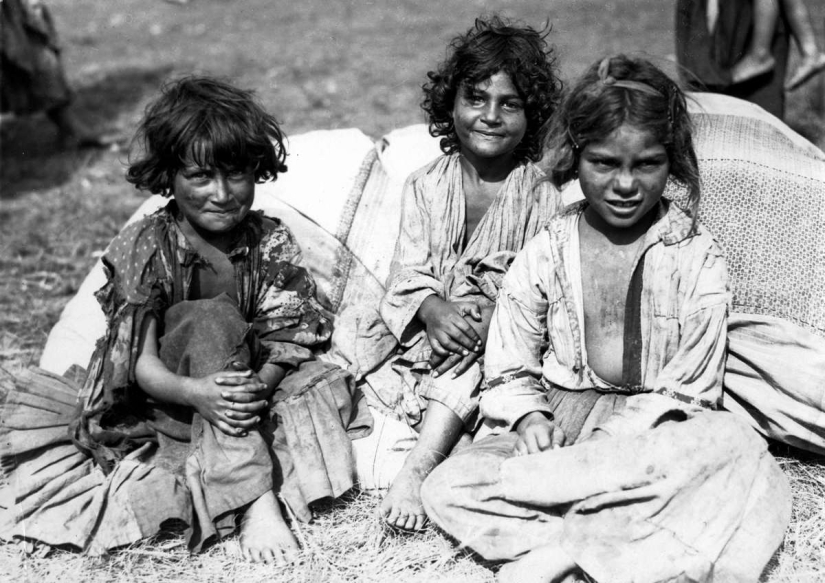
27.
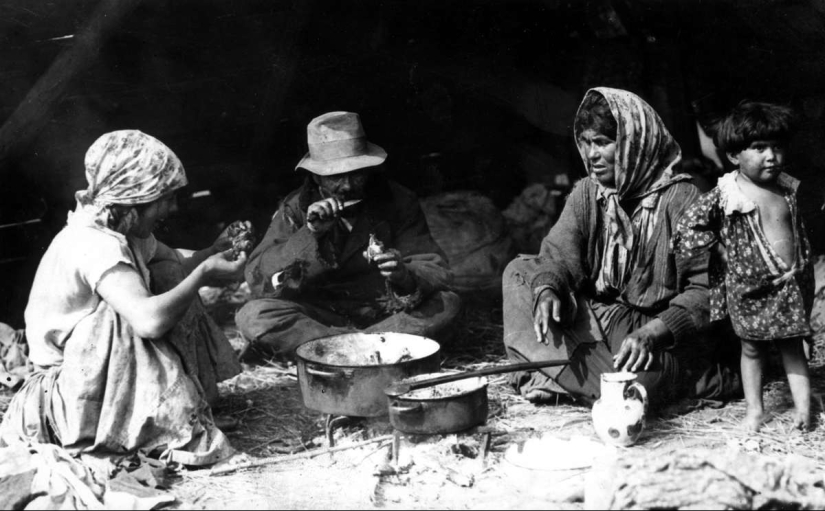
28. A Gypsy family cooking over a fire. Germany, Westphalia, 1930.
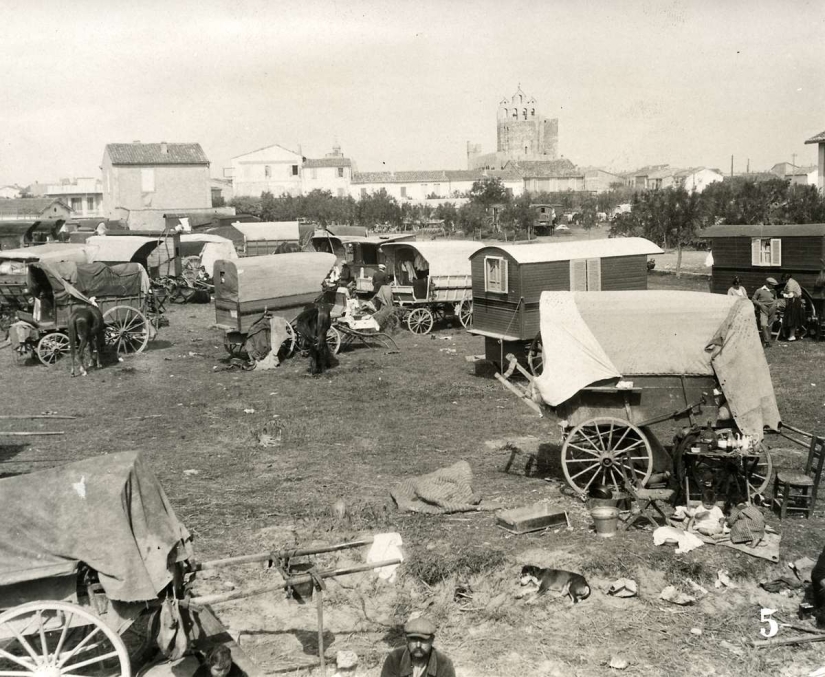
29. Gypsy camp with numerous wagons. In the background is a church. France, Sainte-Marie, 1930.
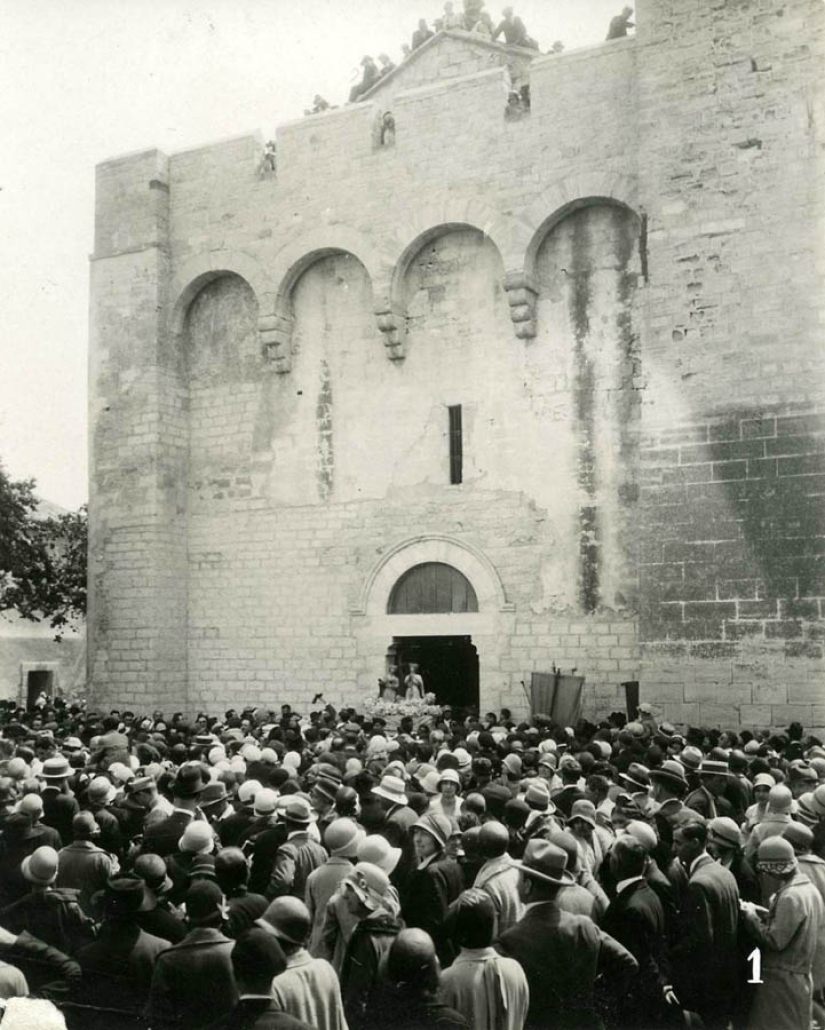
30. The church in Sainte-Marie, where a large crowd has already gathered. A Roma procession will take place in this town. France, 1930.
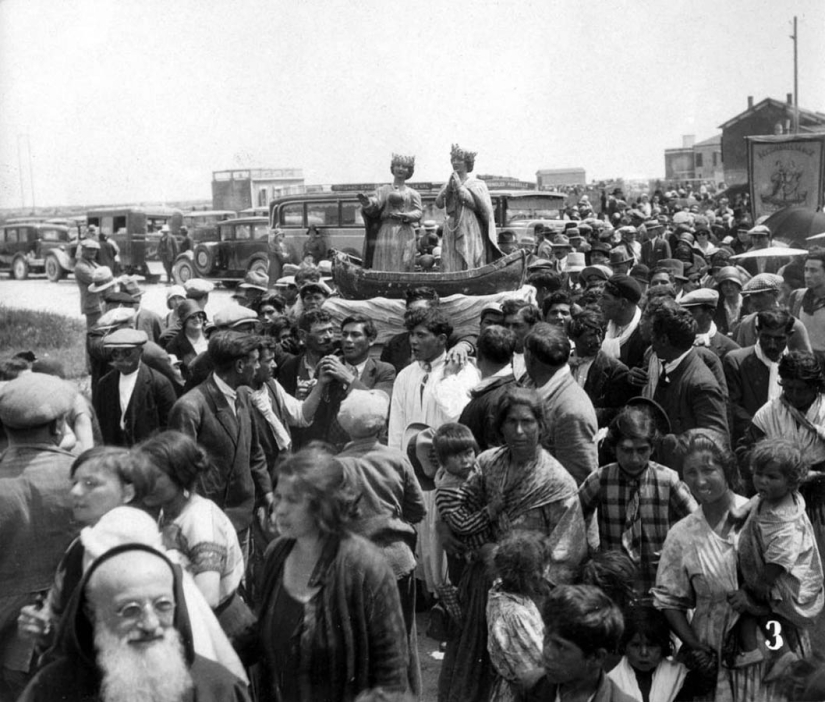
31. Gypsy procession. France, Sainte-Marie, 1930
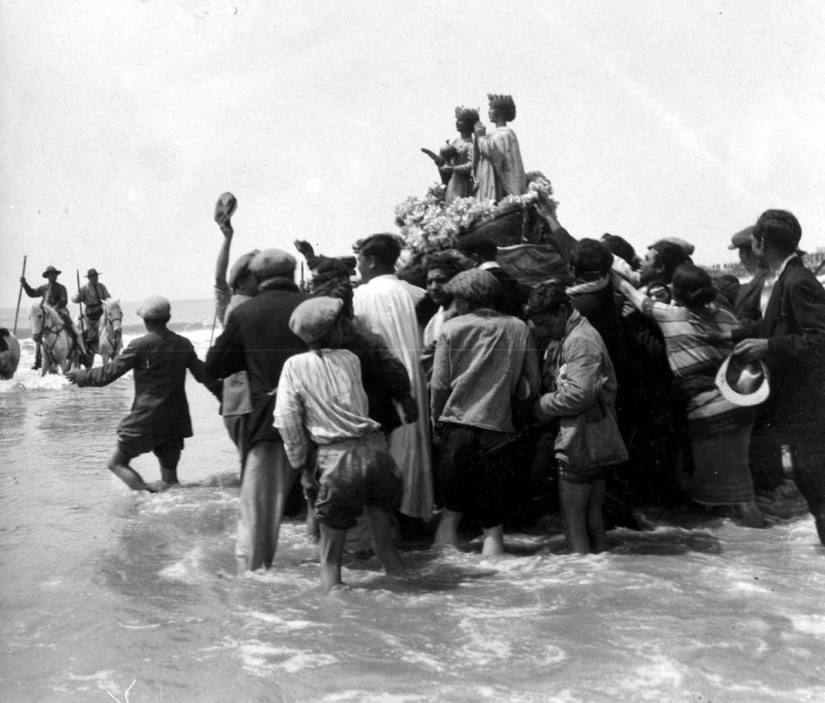
32.

33.
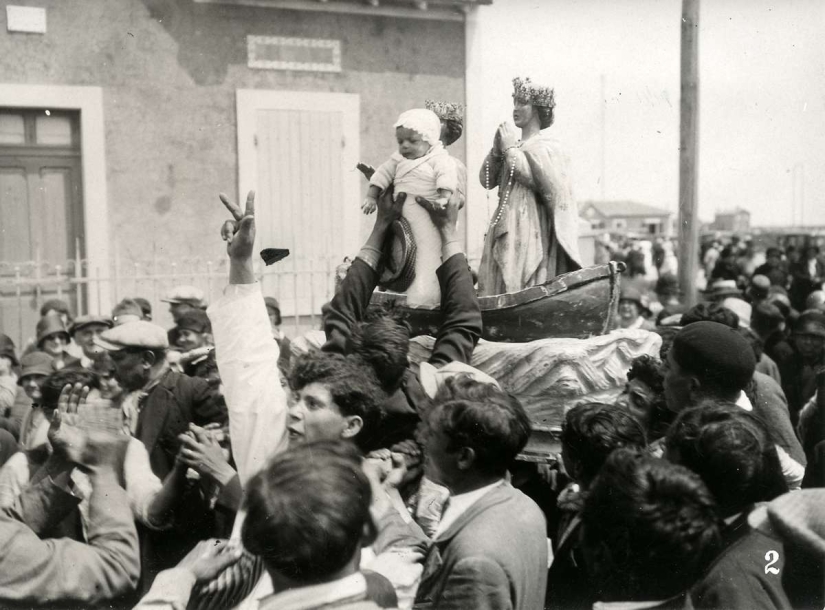
34.
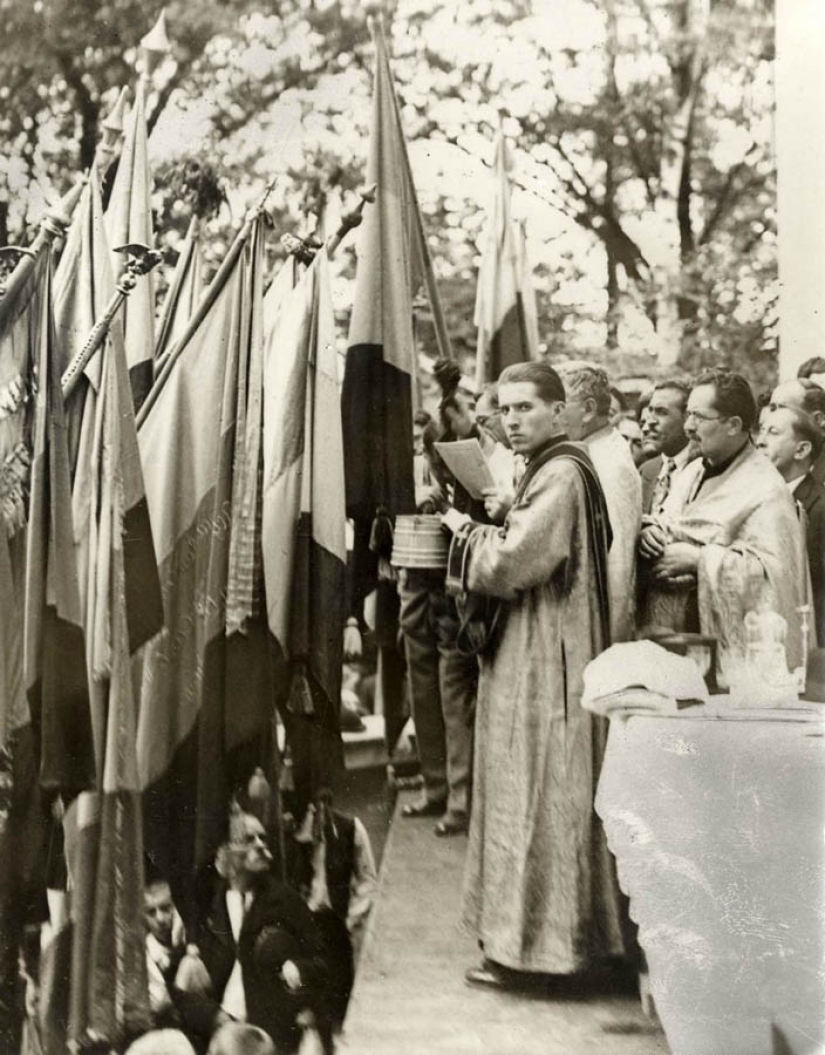
35. A priest blesses 72 banners at a Roma congress. Hungary, Sibiu, 1934.
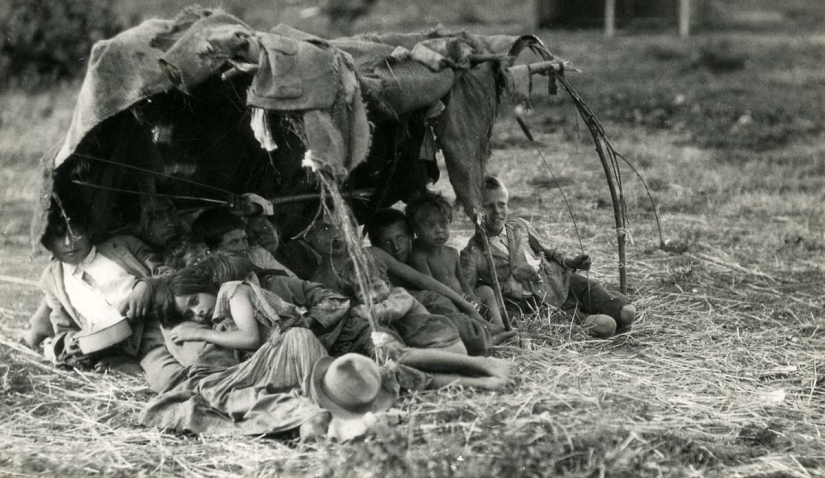
36. A group of Roma children sit in a broken tent. France, Sainte-Marie, 1936.
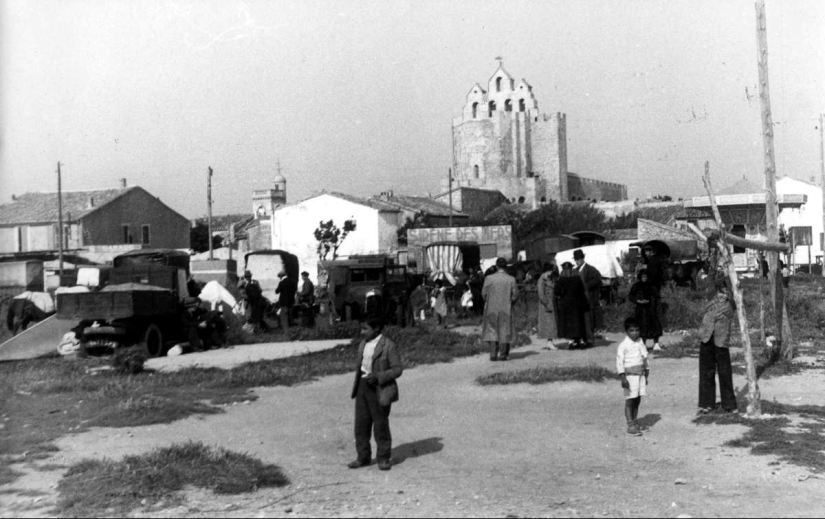
37. A group of Gypsies in the French town of Sainte-Marie. France, 1936.
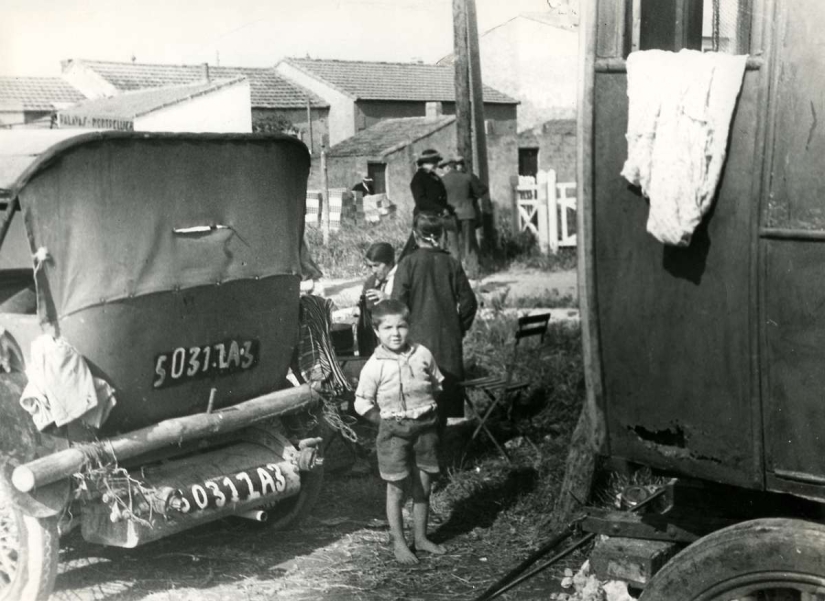
38. Gypsy boy in the square of the town of Sainte-Marie, 1936
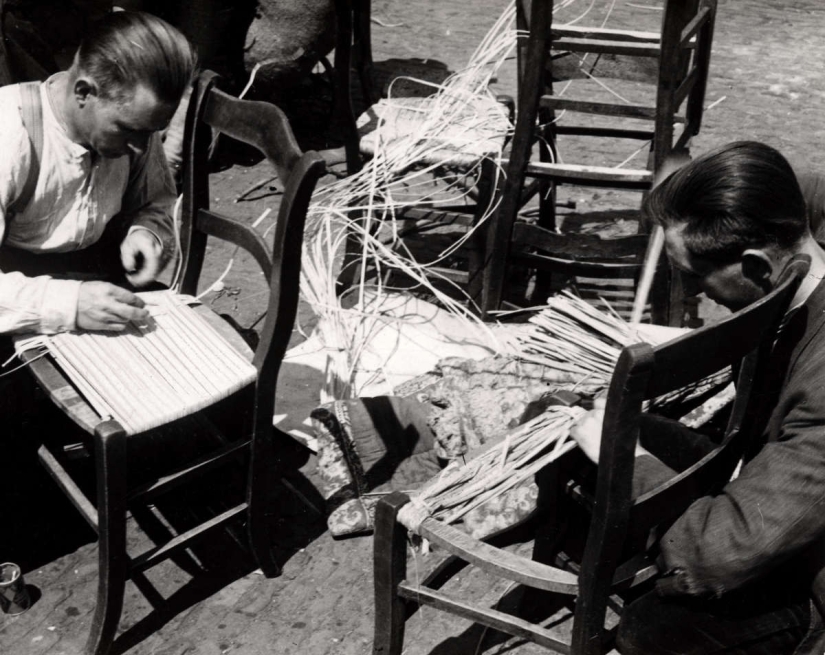
39. Residents of a camp near Amsterdam weave upholstery for chairs. 1940.
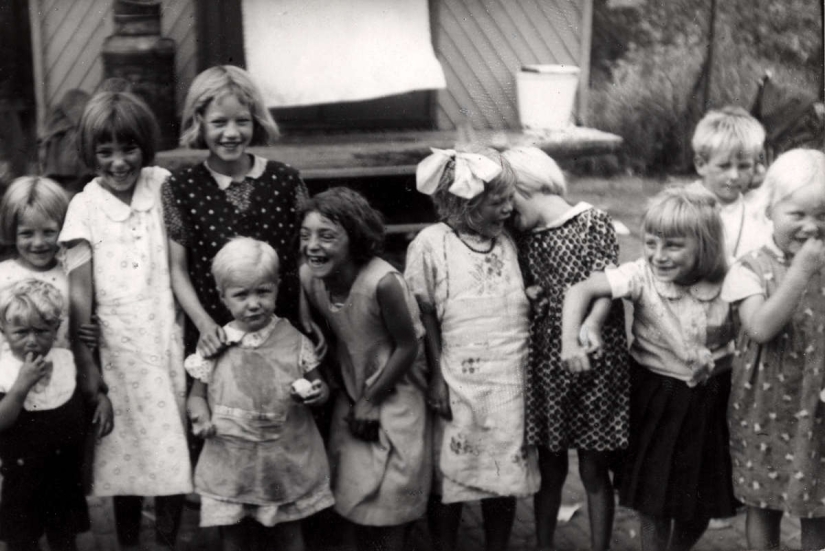
40. Children in a camp. Netherlands, 1940
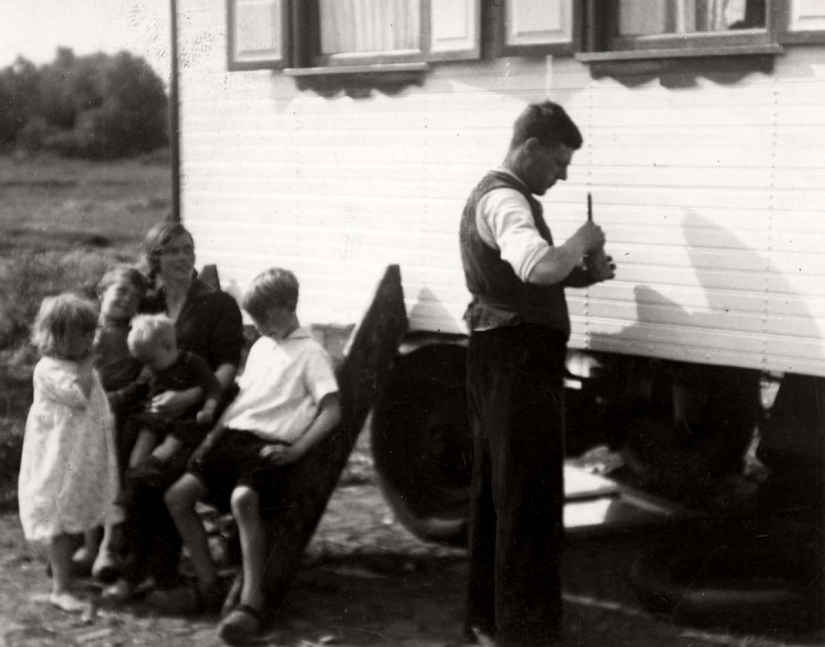
41. A gypsy camp near Amsterdam. The same filth and poverty. 1940.
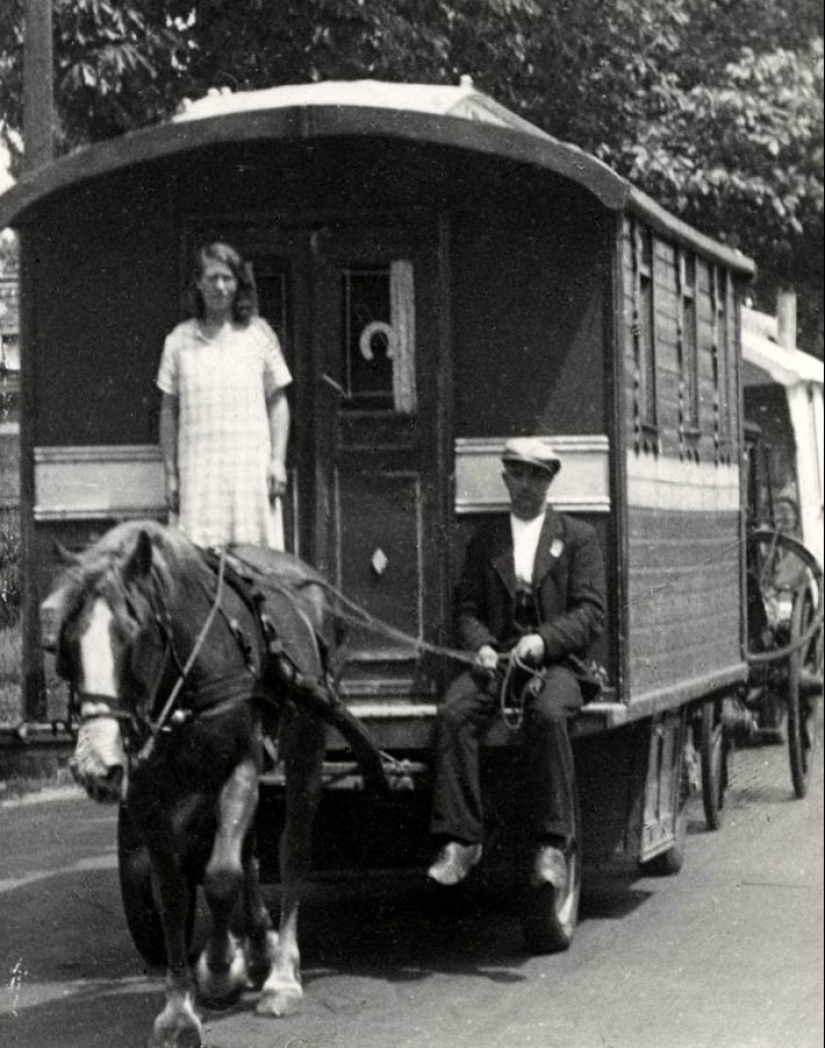
42. Gypsies move to a new location. 1940
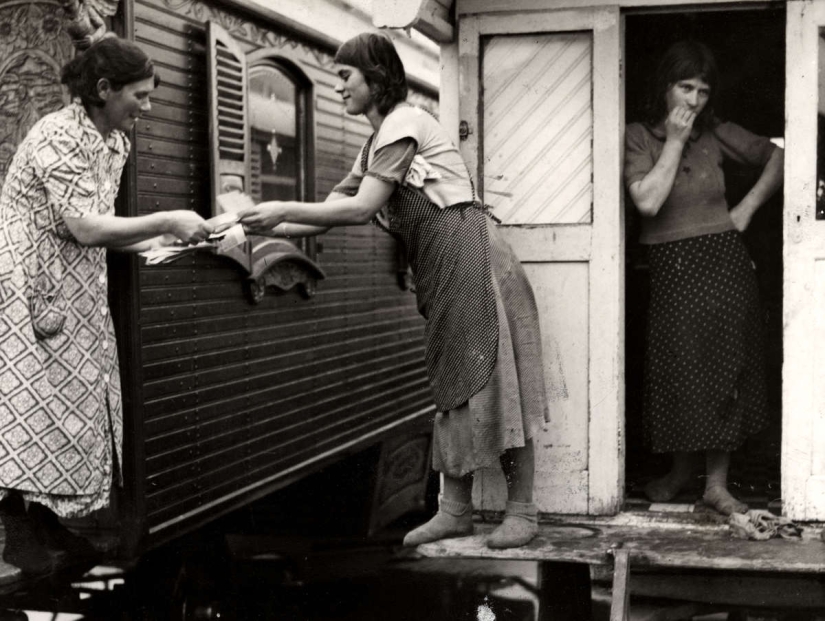
43. In 1940, the inhabitants of the camp received food and clothing coupons. Netherlands
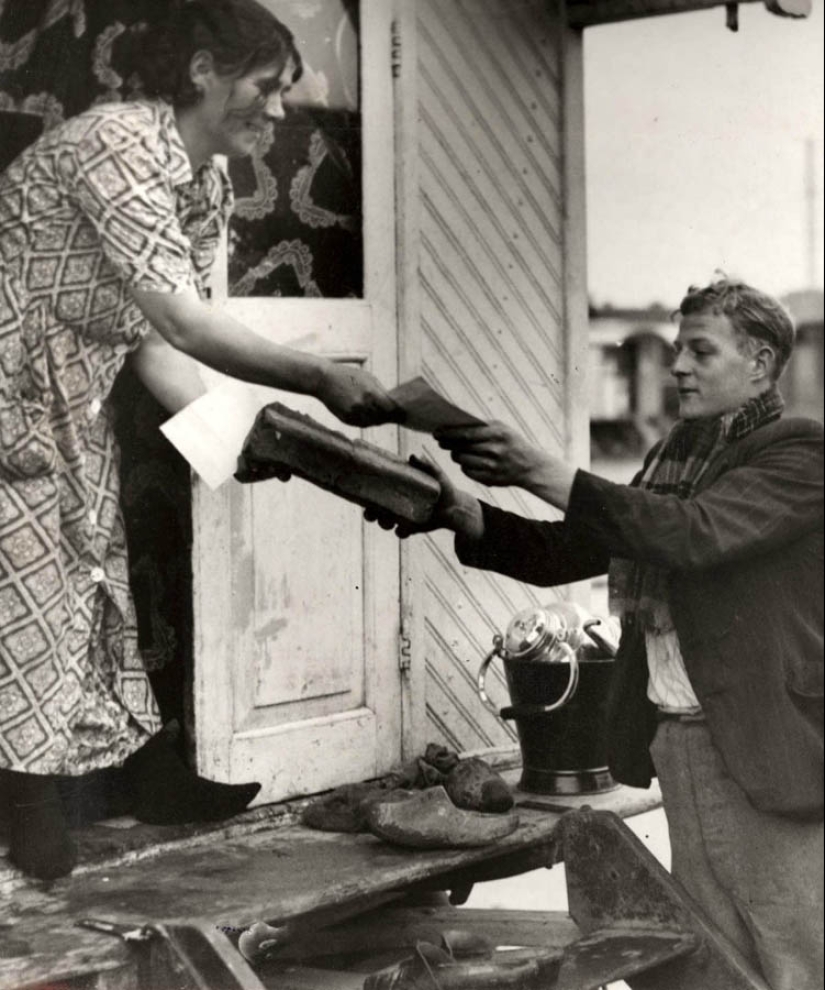
44. Receiving bread in exchange for coupons. Netherlands, 1940
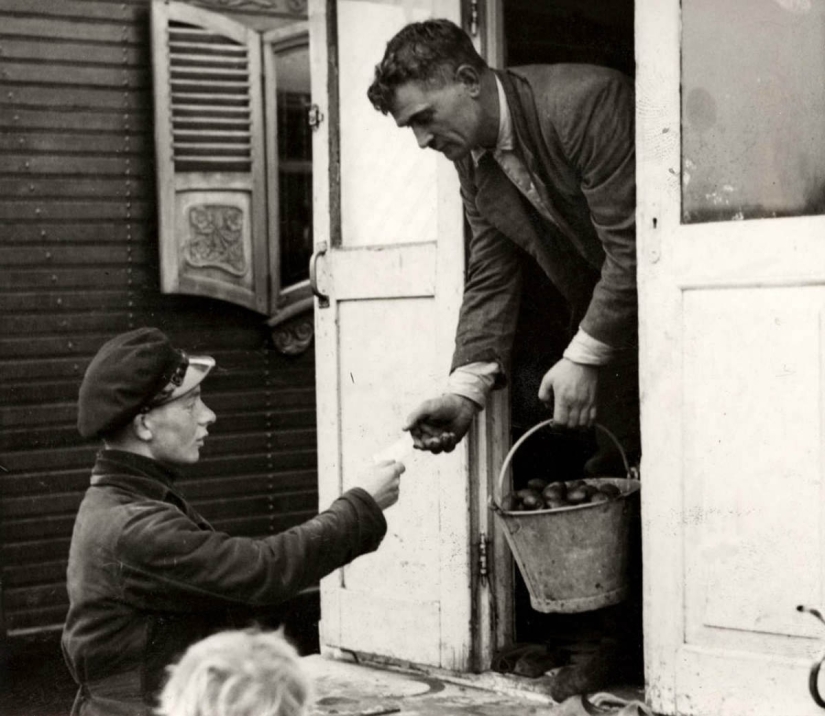
45. A coal merchant makes a deal with a camp resident. Netherlands, 1940.
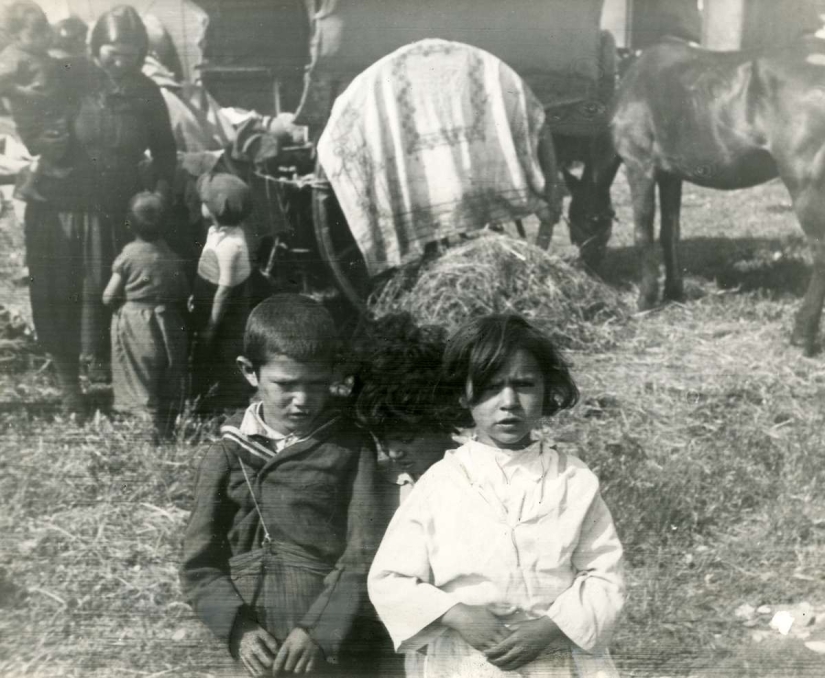
46. Children from the camp. 1941. Location unknown.
Recent articles

It's high time to admit that this whole hipster idea has gone too far. The concept has become so popular that even restaurants have ...

There is a perception that people only use 10% of their brain potential. But the heroes of our review, apparently, found a way to ...
New Year's is a time to surprise and delight loved ones not only with gifts but also with a unique presentation of the holiday ...