
How do the people of Shashlykograd live in Mordovia, who feed truckers
Categories: Food and Drinks | Society
By Pictolic https://www.pictolic.com/article/how-do-the-people-of-shashlykograd-live-in-mordovia-who-feed-truckers.htmlThe Mordovian village of Umet is a real symbol of sudden and unrestrained Russian capitalism. One day, shortly after the collapse of the Union, a local resident Yevgeny Denyabkin slaughtered a pig, kept half of the carcass for himself, and fried a barbecue from the second and went out on the highway. At that time, the economy was in chaos, enterprises paid employees in kind or closed, and people did not have enough living money. Therefore, many residents followed the example of the first restaurateur Umet and also began to fry kebabs for passing drivers.
In just a few years in 400 kebab shops and cafes have opened in the city. However, nothing lasts forever, and the village is now getting smaller: people are leaving, cafes are closing. Photographer Mikhail Lebedev went to He will be able to capture this place and listen to the stories of its inhabitants.
Cafe "Mordovins"
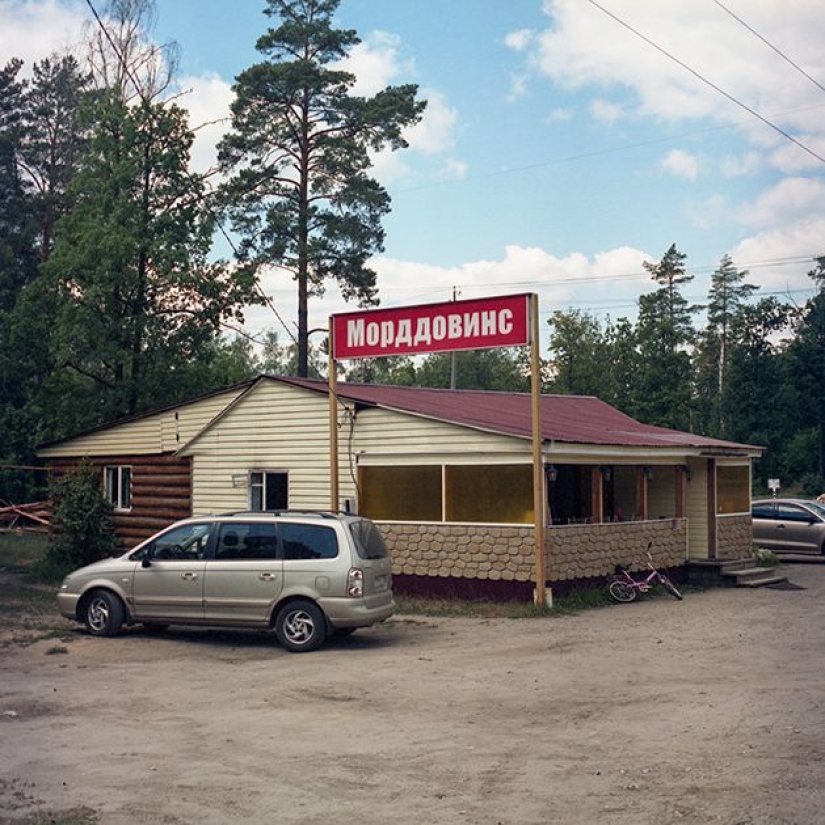
Umet is an urban—type settlement in the Republic of Mordovia. It is located on the federal highway "Ural", 450 kilometers from Moscow.
The cafe in the photo used to be called "Mordonalds". But when the institution became an Internet meme, the owners received an official letter from the McDonald's company demanding to change the name, otherwise they would file a lawsuit for five million rubles. Now they are called "Mordovins".
Marina, owner of the cafe "Hearth"
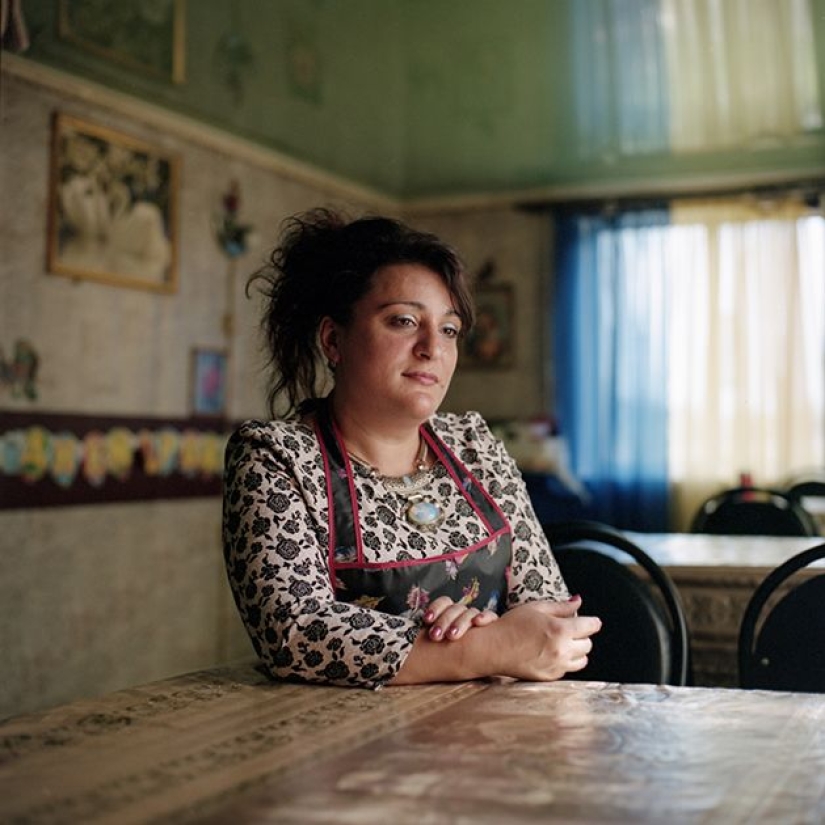
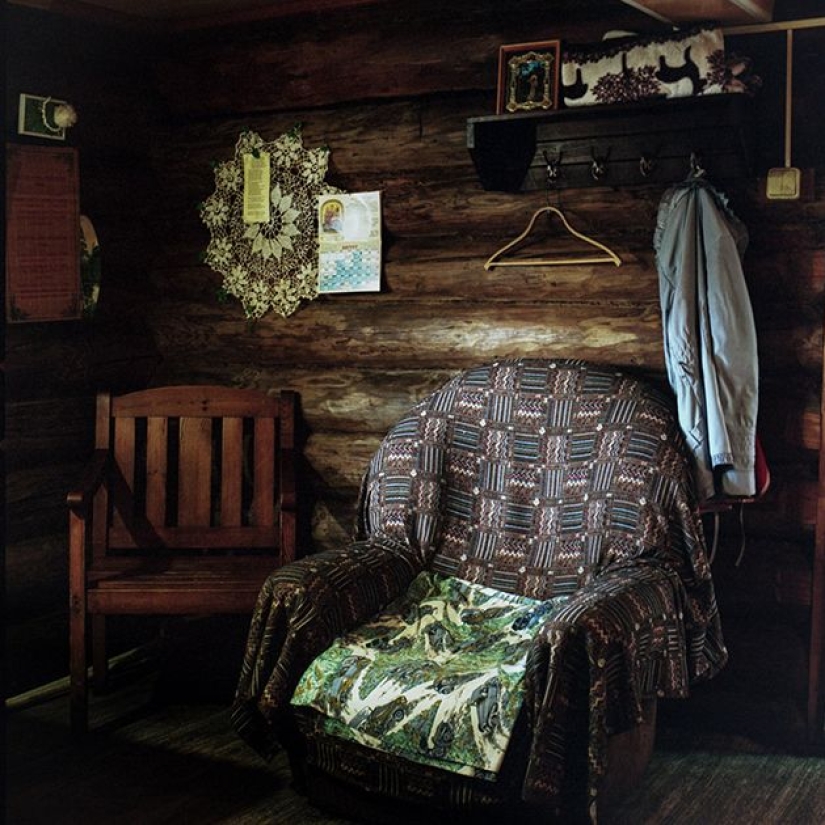
Most of the visitors to local cafes are truckers. It was thanks to them that the restaurant business began to develop in the mid-90s. Truckers call the village of Umet "Shashlykograd" among themselves.
Zhenya, son of the owner of the Volga cafe
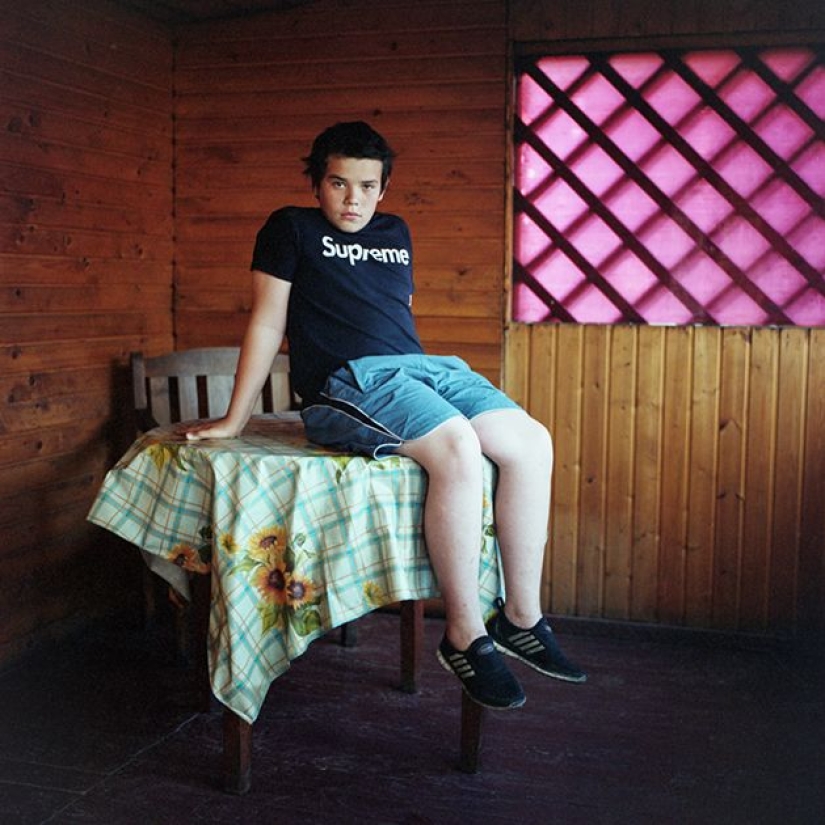
His wife is 12 years old, after school he helps his mother in a cafe. His duties are to chop firewood, make a barbecue, go to the store.
Interior of the Volga cafe
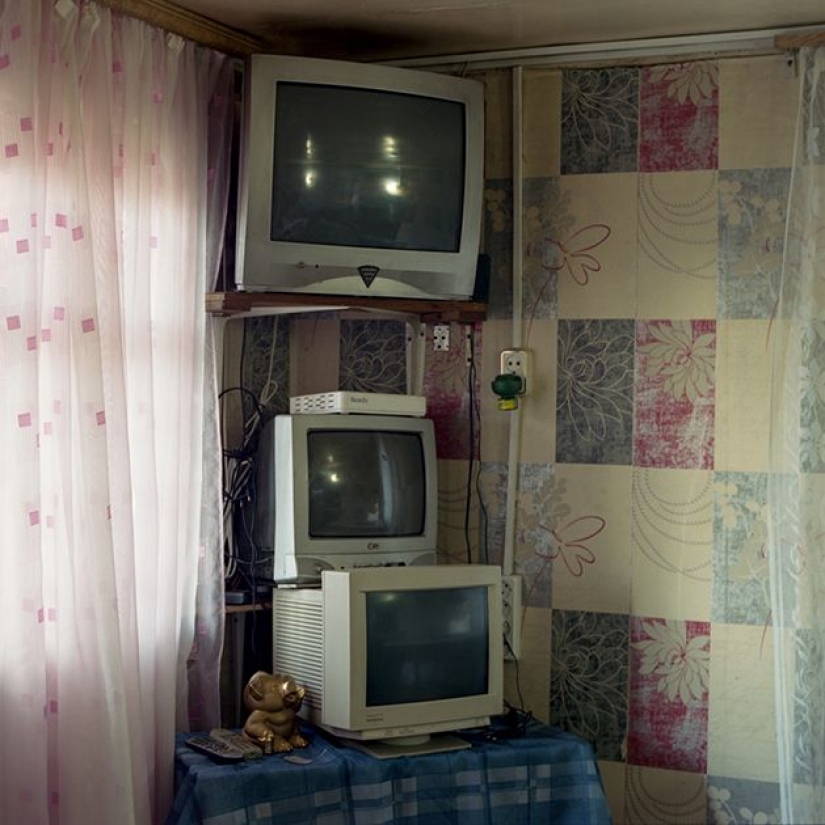
Svetlana, the owner of the establishment, has only recently tried herself in the restaurant business. Before that, she worked as a milkmaid all her life. I rented the cafe for a few months. While business is going hard: there is no established base of regular customers.
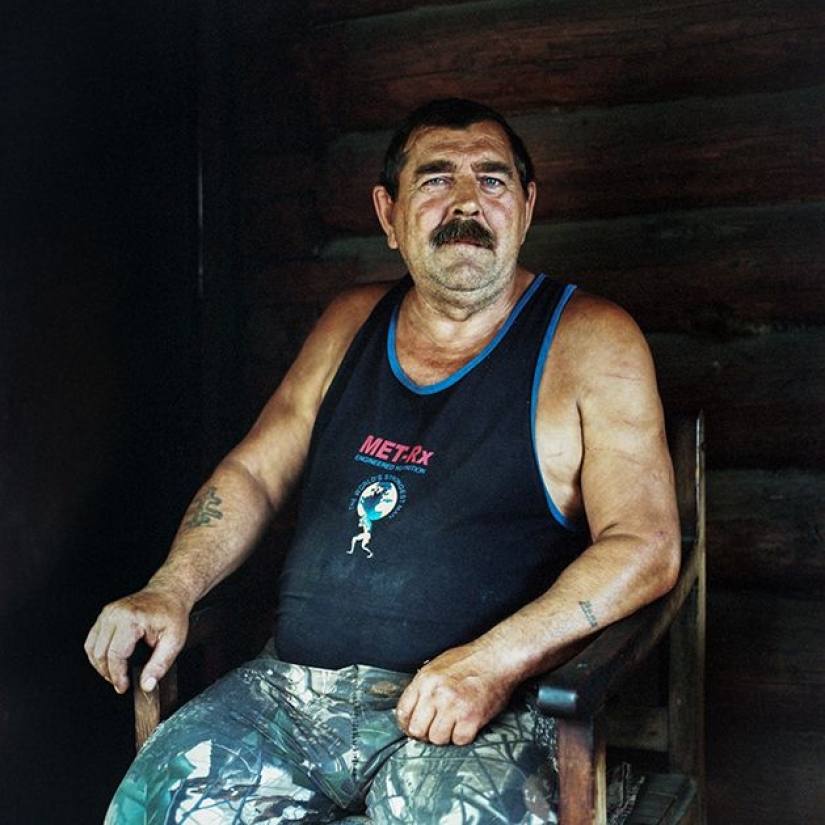
Sergey, co-owner of the Rally cafe
The interior of the cafe "Rally"
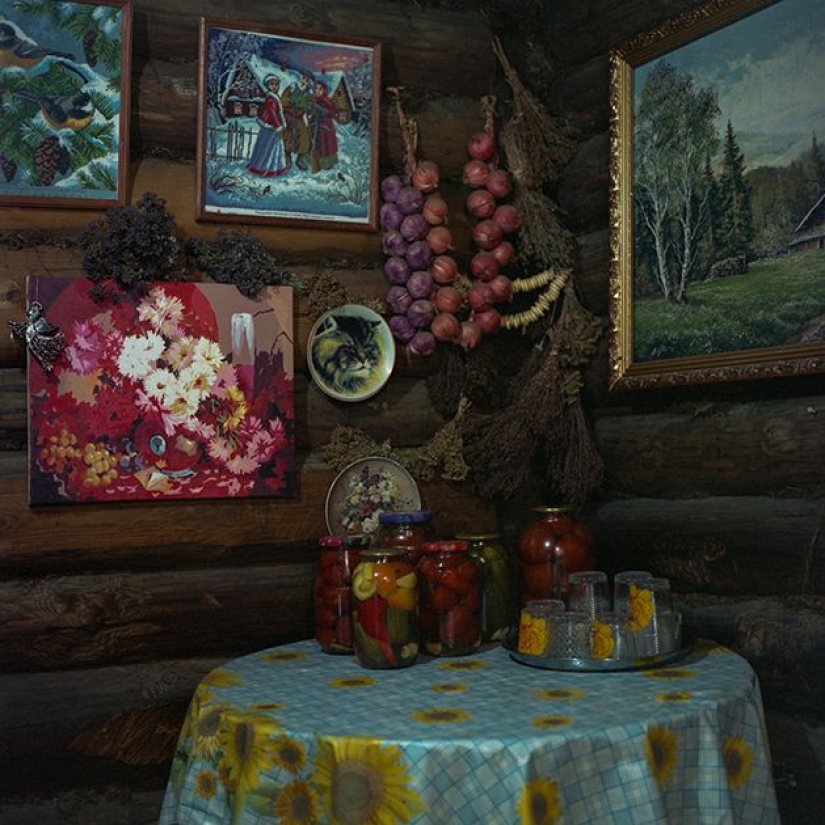
Valentina, Sergey's wife, embroiders pictures with a cross. Some of the canvases adorn the walls of the institution, and the other — she sells to cafe visitors. Also in the "Rally" you can buy homemade pickles.
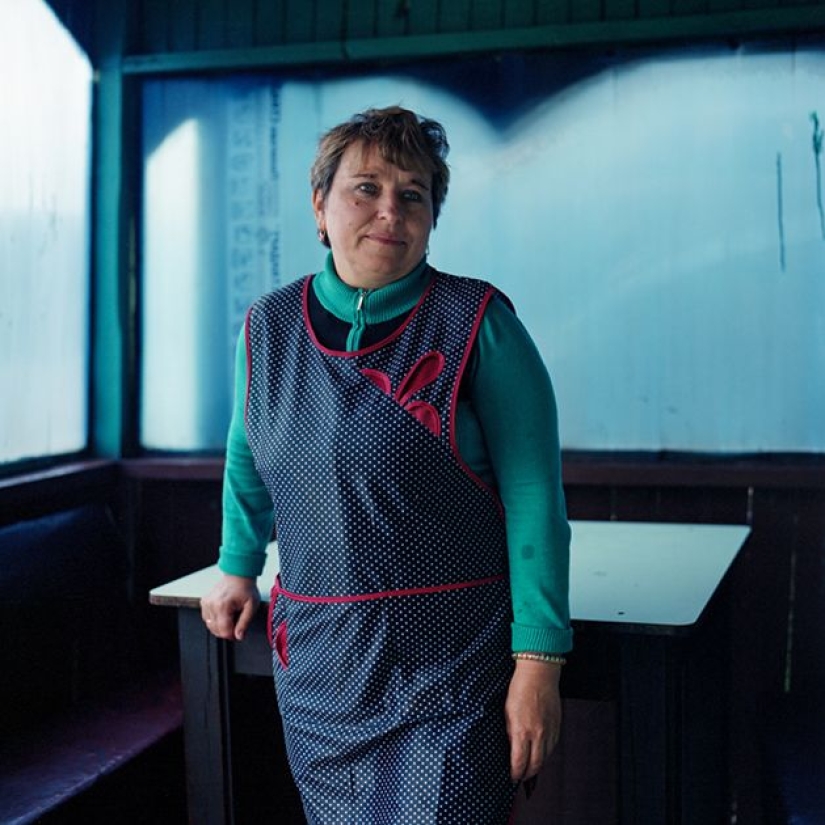
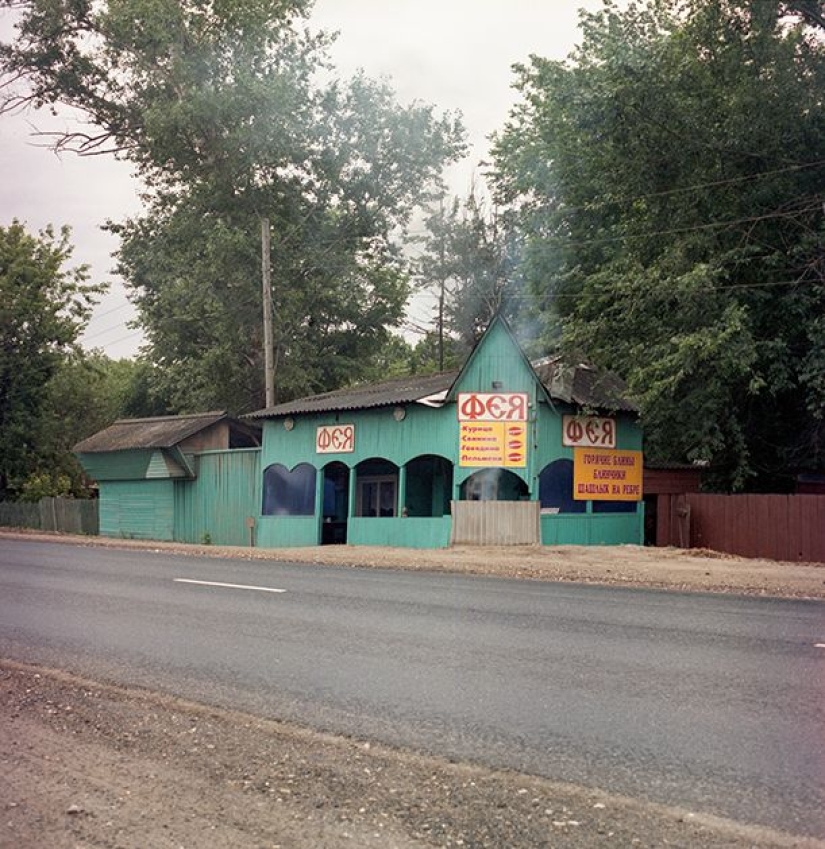
Elizabeth, the owner of the cafe "Fairy"
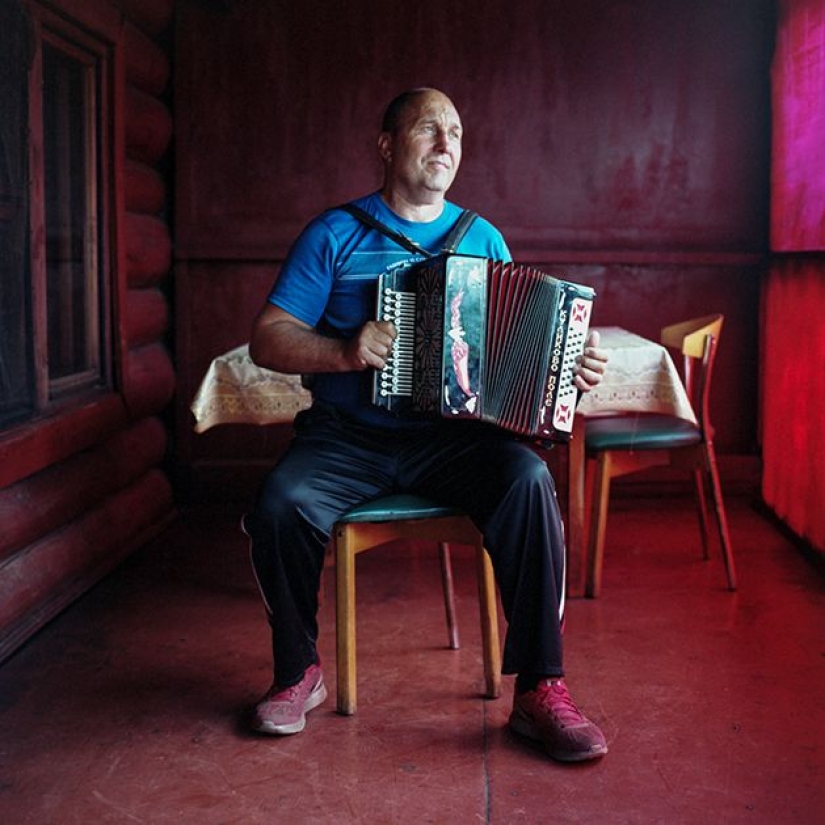
Yuri, owner of Sadko cafe
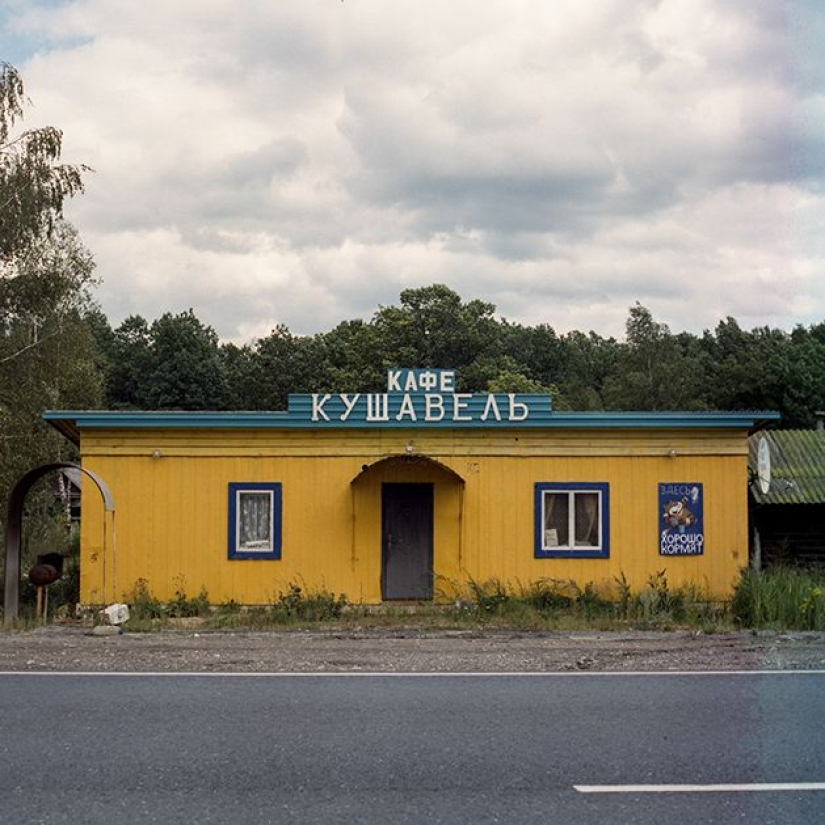
Cafe "Kushavel"
By the beginning of the 2000s, there were about 400 catering establishments in Umet. Usually there were barbecues, tables with several chairs, samovars on the street. Visitors could order shish kebab, vegetable salad, soup cooked on coals in a cast iron pot, and drink hot tea. Over time, sheds, construction trailers and capital structures began to appear, and along with this, the menu was enriched.
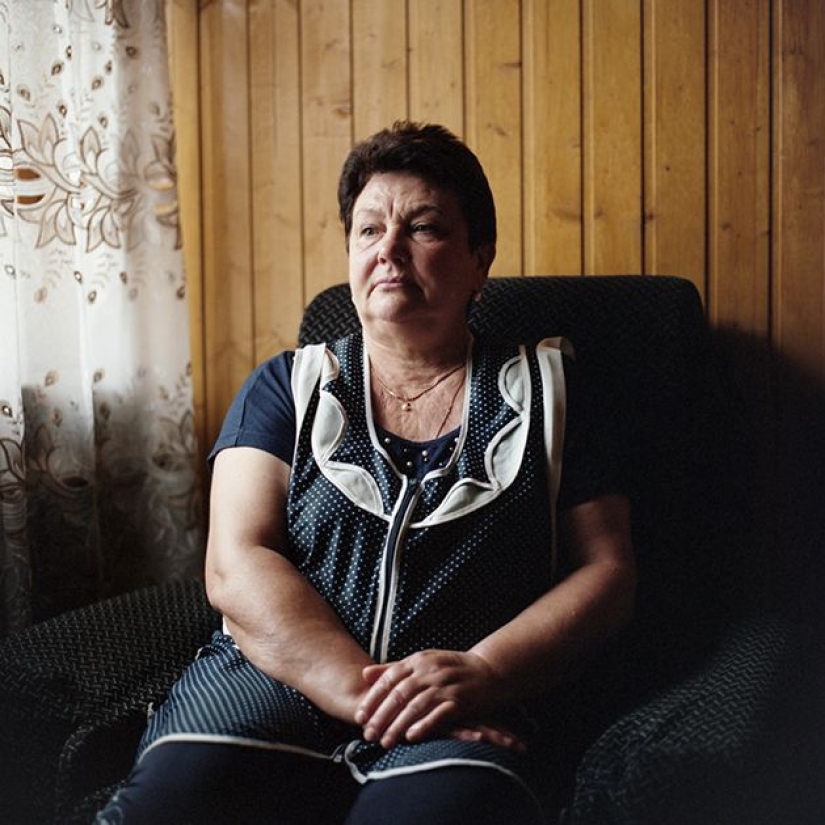
Tatiana, co-owner of the Transit cafe
Evening Umet
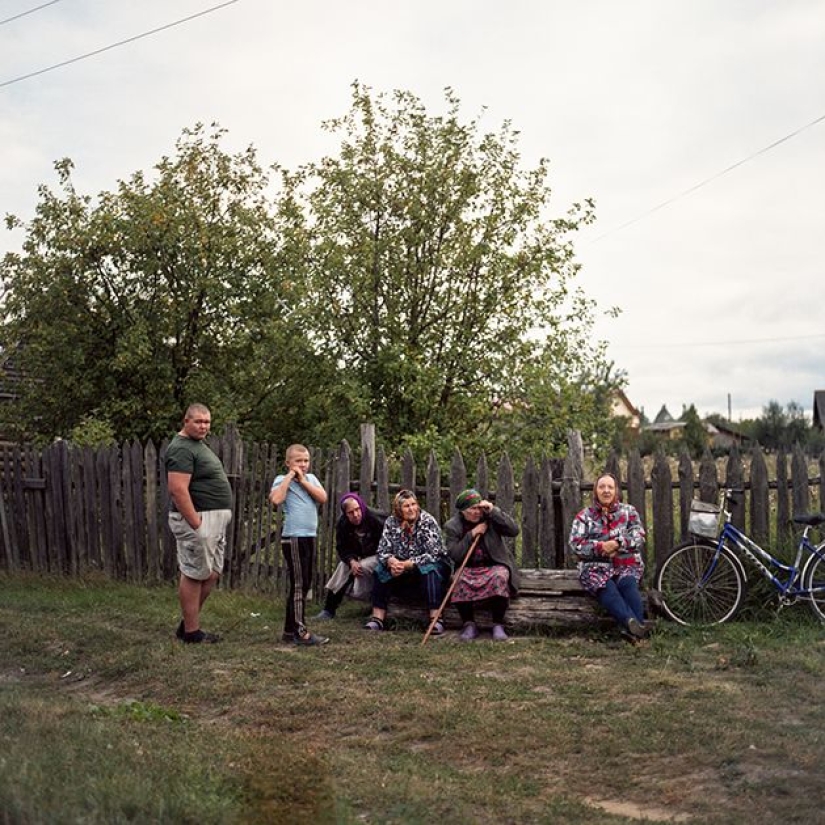
Now the population of the village is 2.6 thousand people. Despite the kebab business, the number of people is decreasing from year to year.
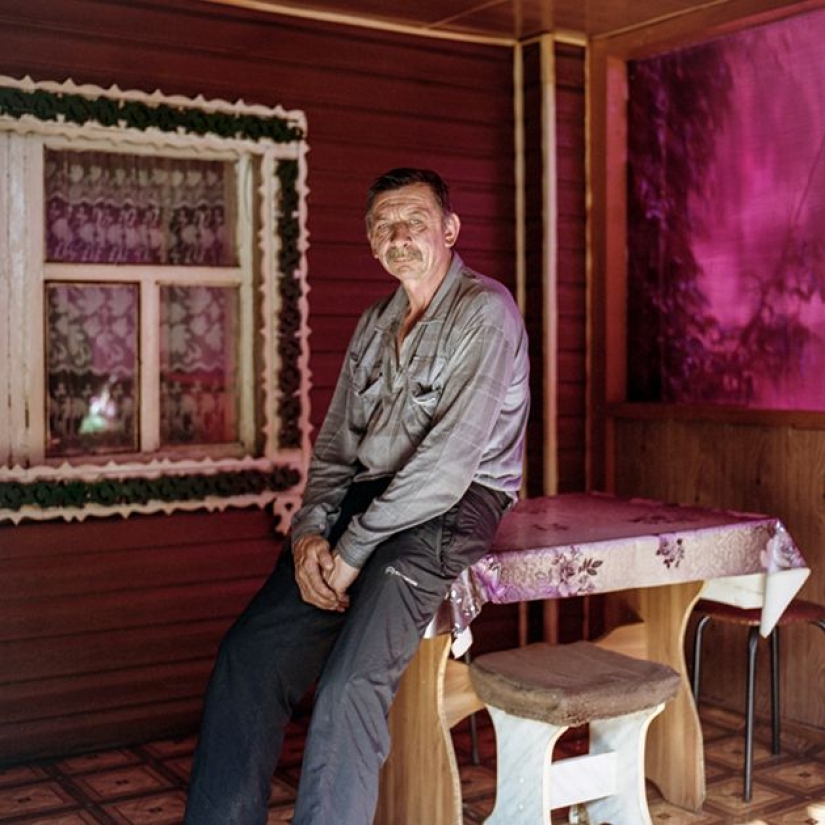
Interior of the Marina Cafe
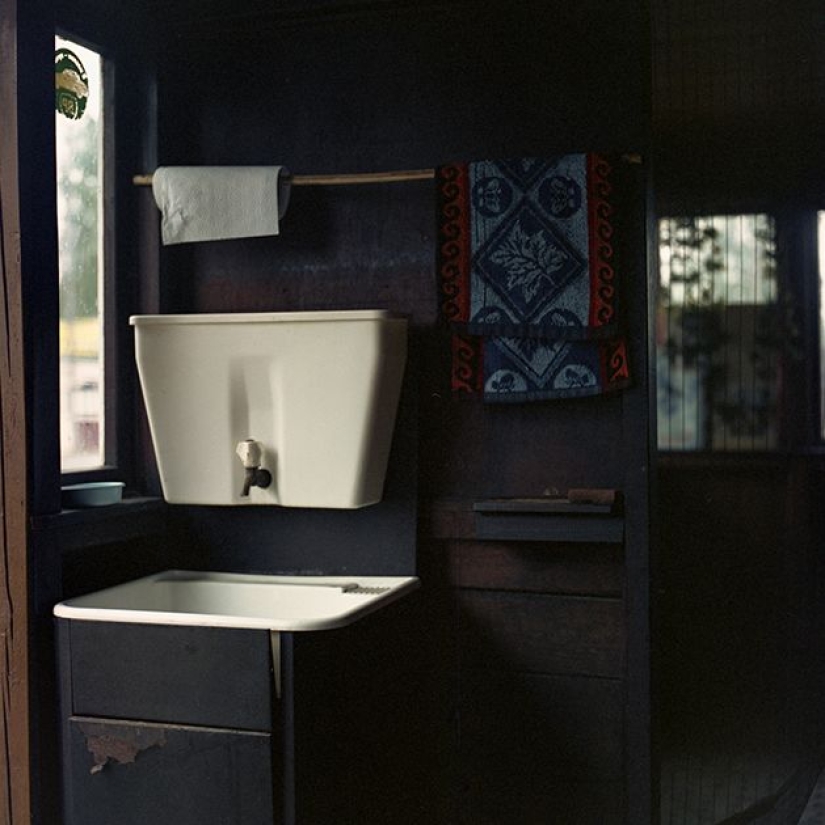
Almost all cafes do not have central water supply, handwashers are used. However, this does not bother regular customers.
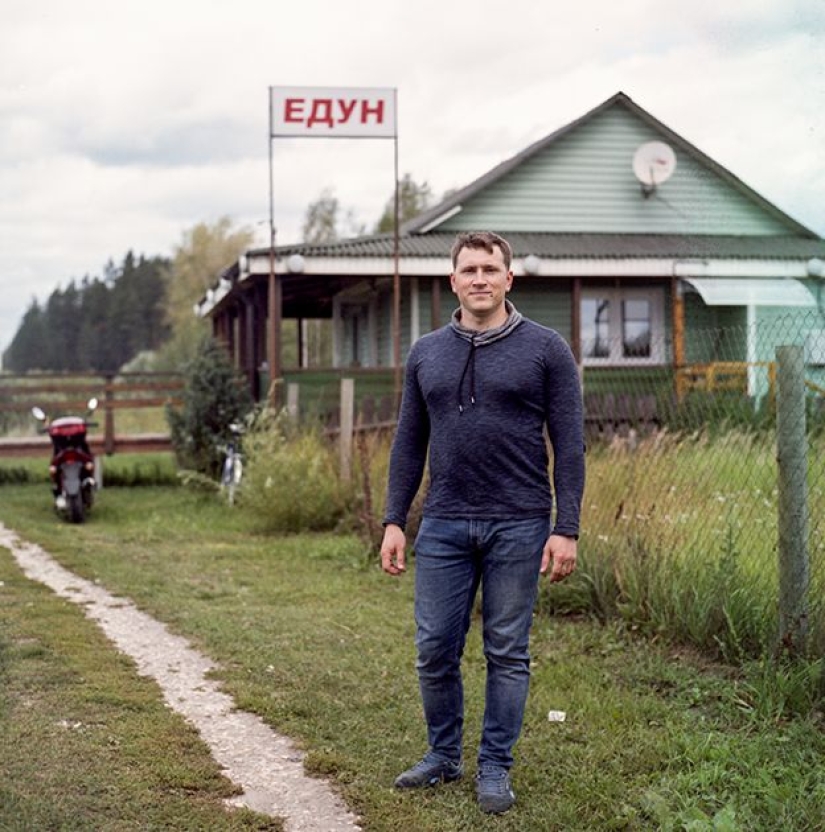
Stas, co-owner of the cafe "Edun" and "Eater"
Toilet near one of the cafes
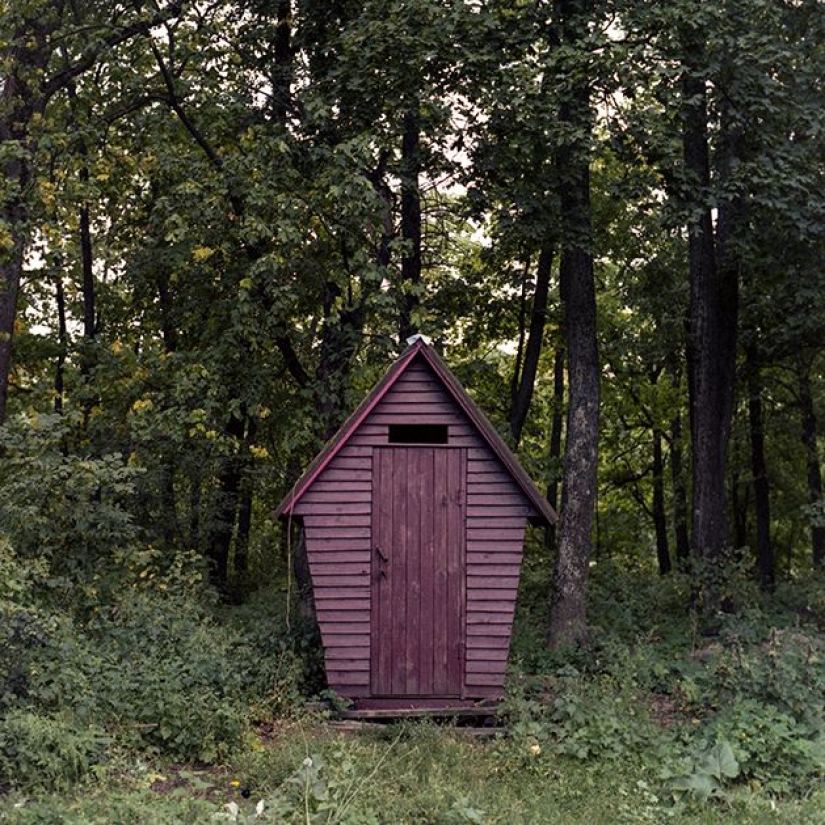
Only two cafes have a toilet with a toilet inside the building, the rest of the establishments have a toilet on the street. Katya, co-owner of the Dubok cafe:
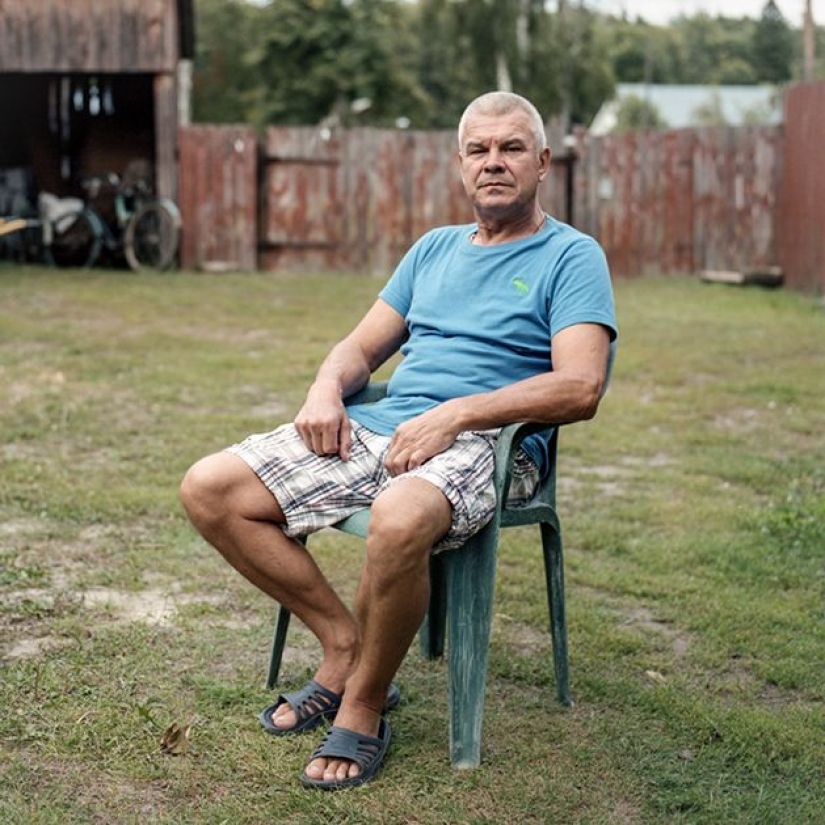
Evgeny, the "forefather" of the kebab business in You can
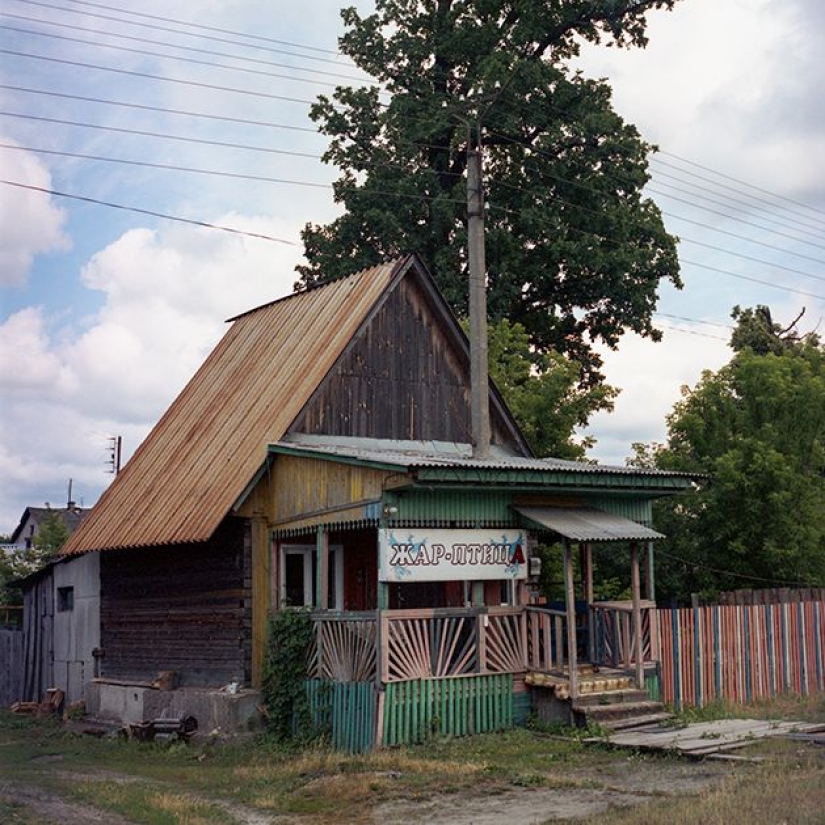
Cafe "Firebird"
Elena, the owner of the cafe:
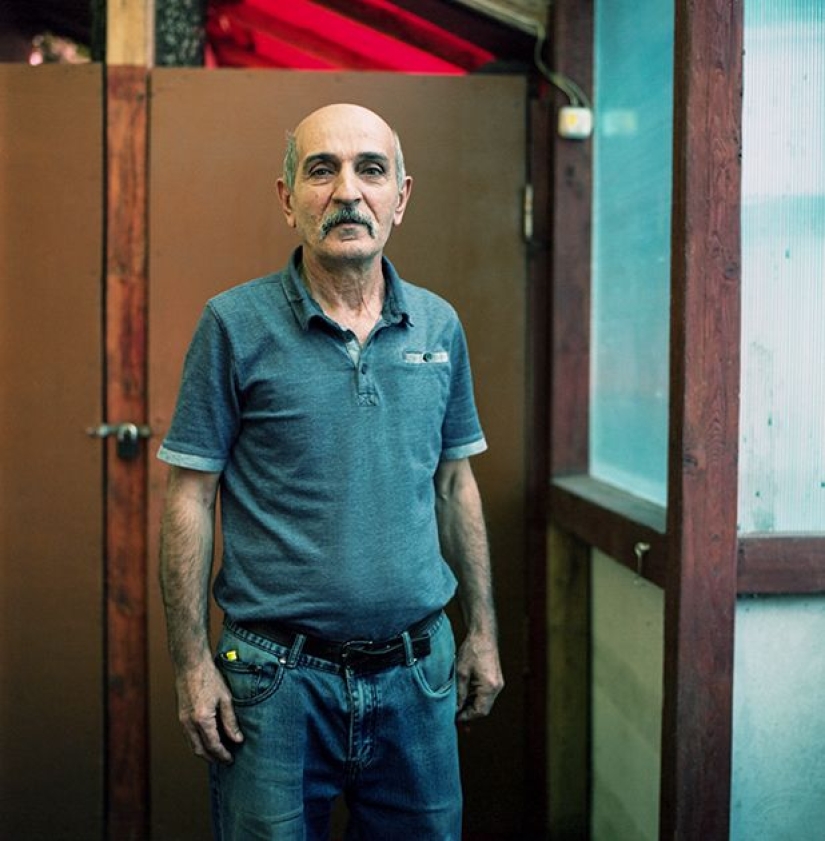
Alexander, the owner of the Ararat cafe
The interior of the cafe "Success"
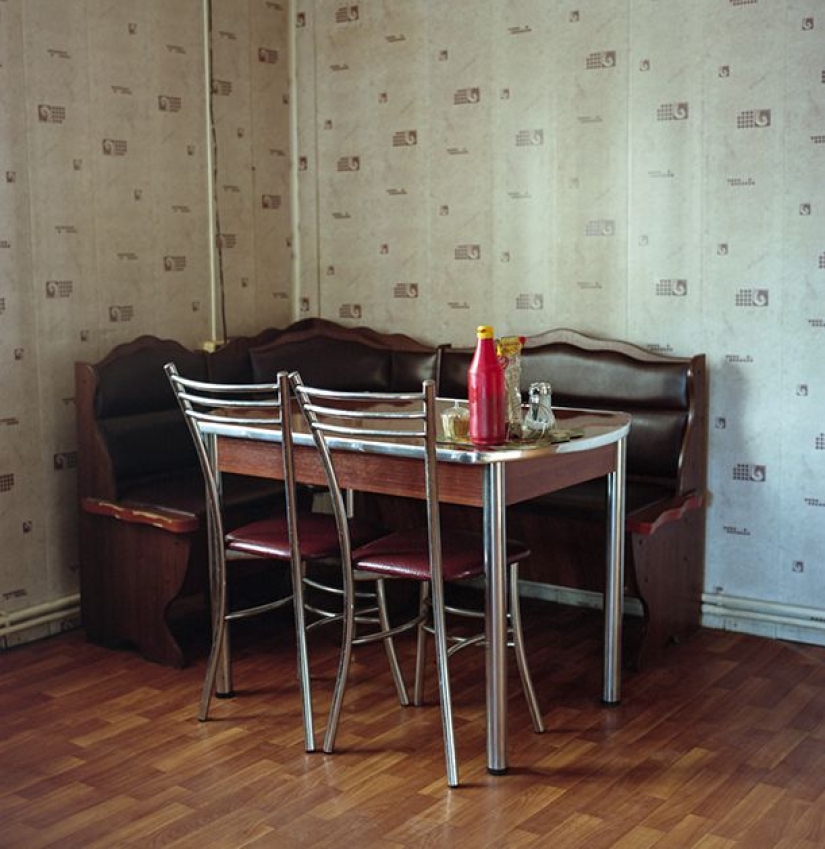
Oksana, the owner of the cafe:
Nina, the owner of the cafe "Polyanka"
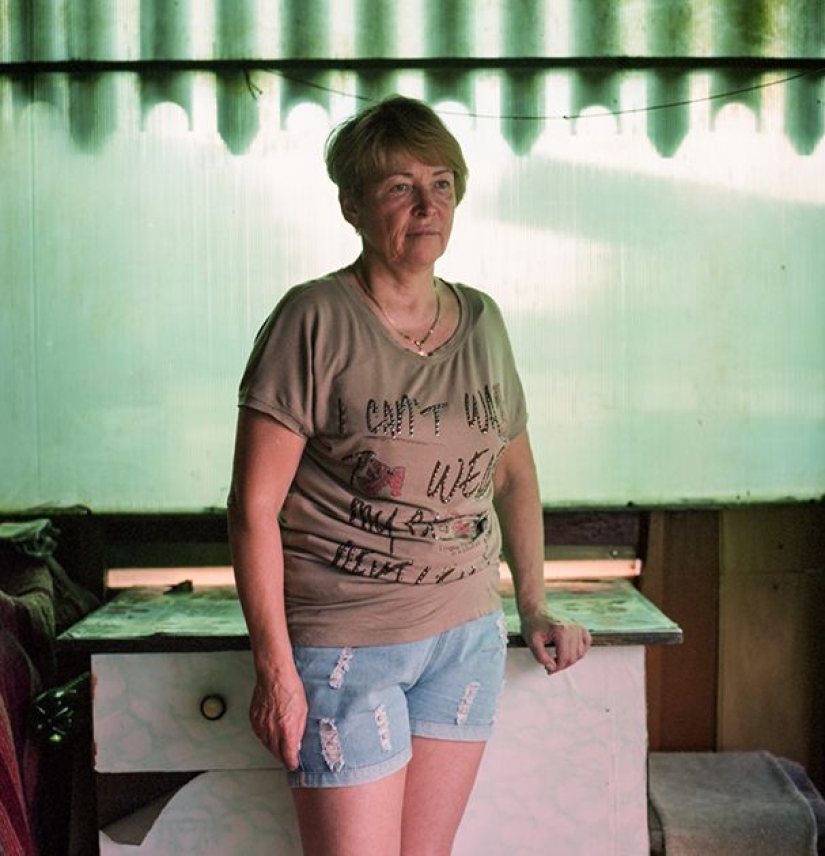
On the outskirts of Umet
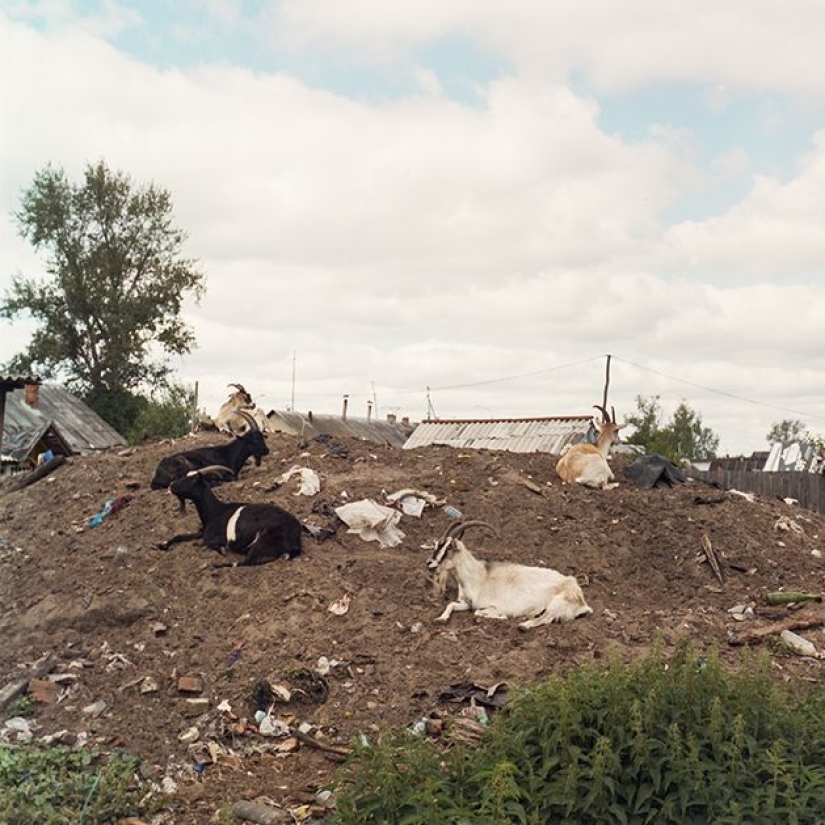
The Ural highway runs through the entire village. If you turn from it to the adjacent streets, a classic rustic landscape opens up: grazing goats and chickens, wooden houses, vegetable gardens. The household helped to survive in the difficult times of early capitalism, and now reduces business costs. Almost all restaurateurs grow vegetables and fruits on their own.
Jasmine, an employee of the cafe "U Sano"
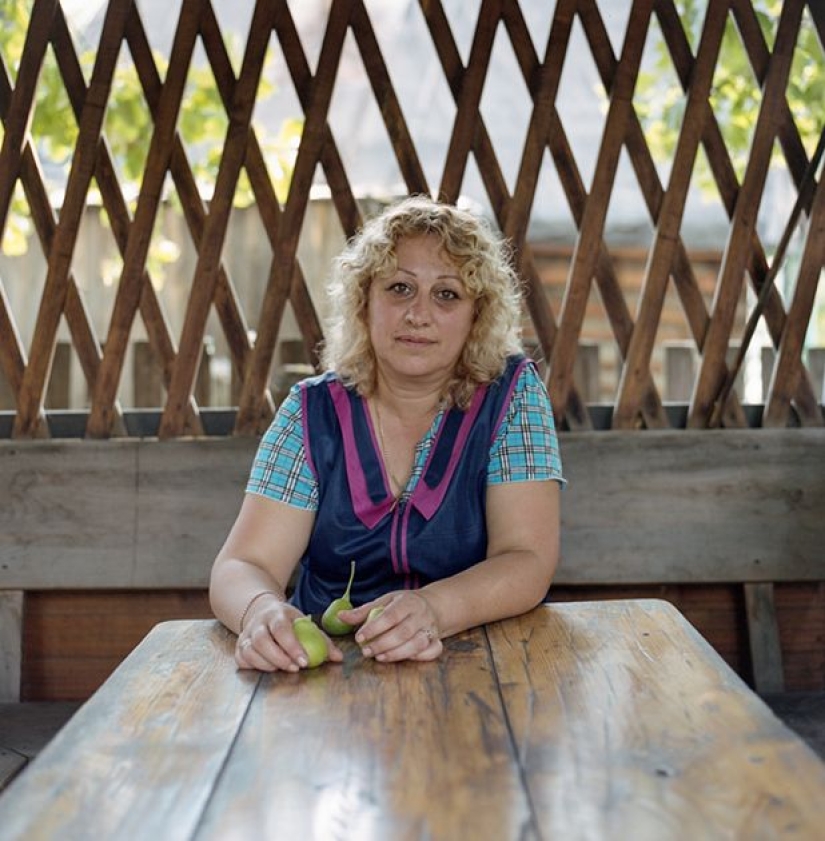
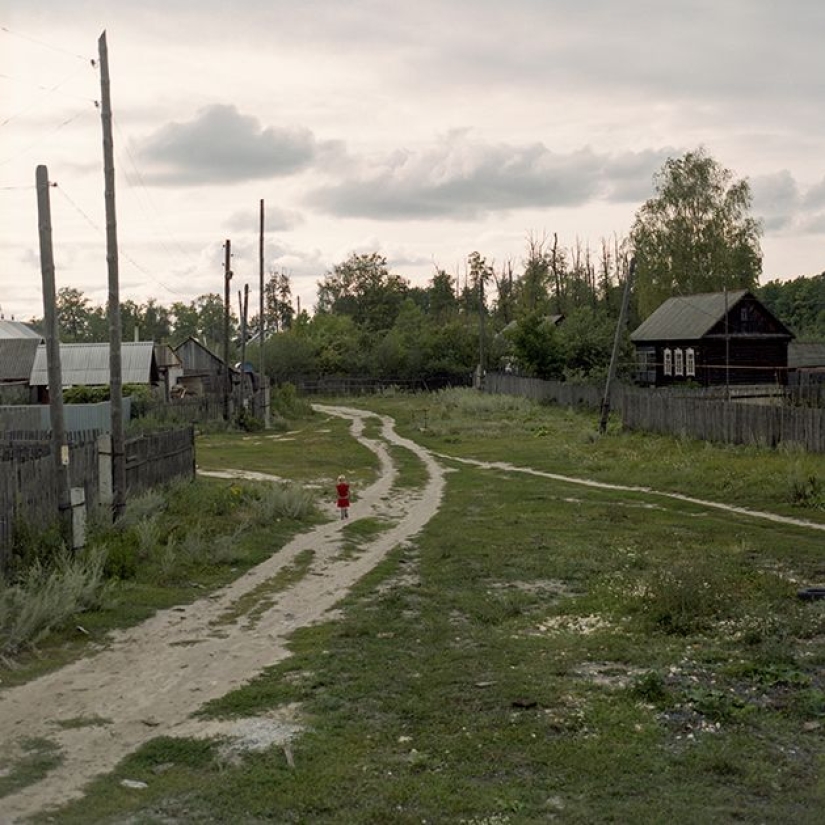
The number of cafes is rapidly decreasing along with the number of residents. In August 2019 in There were only 78 establishments operating in the city.
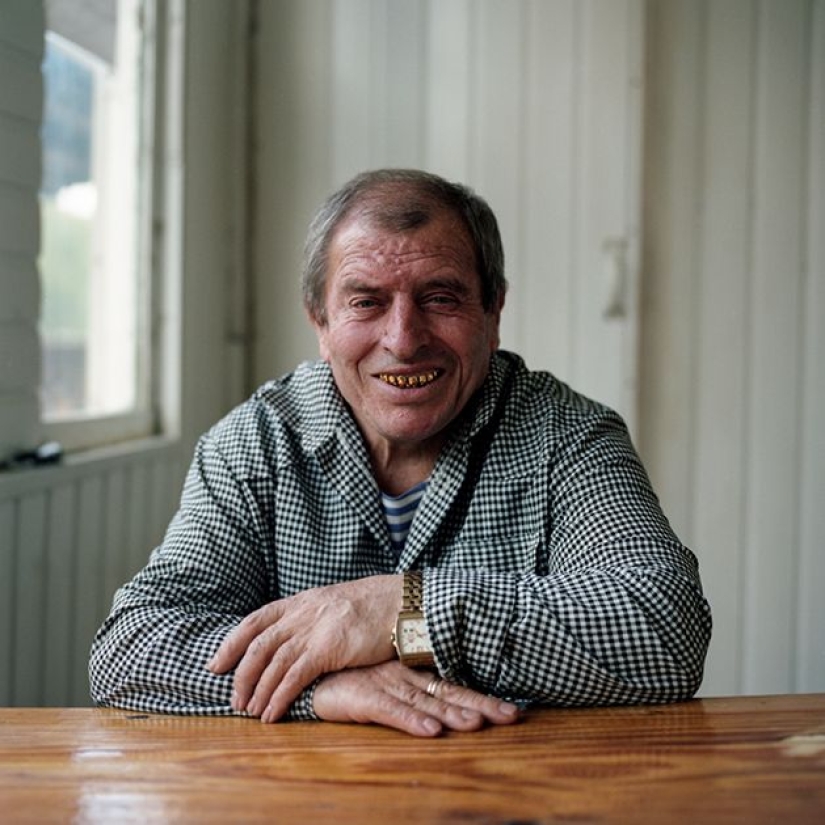
Karen, owner of Lori Cafe
Keywords: 90s | Outback | Stories | People | Village | Barbecue
Post News ArticleRecent articles

It's high time to admit that this whole hipster idea has gone too far. The concept has become so popular that even restaurants have ...

There is a perception that people only use 10% of their brain potential. But the heroes of our review, apparently, found a way to ...
Related articles

A music album is not only a collection of tracks, but also an example of fine art. Each cover carries a certain meaning, and behind ...

No wonder long hair has been considered a woman's adornment for many centuries. Girls with luxurious curls attract attention and ...

In the 90s, The Viper Room nightclub was a favorite place of entertainment for many stars. In 1993, it was created by Johnny Depp ...
New Year's is a time to surprise and delight loved ones not only with gifts but also with a unique presentation of the holiday ...