
Gestures and actions that may be offensive in different countries
Categories: Asia | Culture | Nations | People | Psychology | Society | World
By Vika https://www.pictolic.com/article/gestures-and-actions-that-may-be-offensive-in-different-countries.htmlBelieve it or not, there are many things you do every day that are considered downright disrespectful and rude in other parts of the world. Don't say we didn't warn you. While most of the items on this list are silly or ridiculous, they can cost you your very life.
12 PHOTOS

1. Touching someone else's head (Asia).
When in Asia, don't touch people from above. In some cultures of Southeast Asia, especially Thailand and Laos, the head is considered sacred.

2. A quick handshake (Fiji).
When you first introduce yourself in Fiji, be prepared that the handshake can be intense by Western standards. After the initial movement, your hands may shake throughout your conversation.
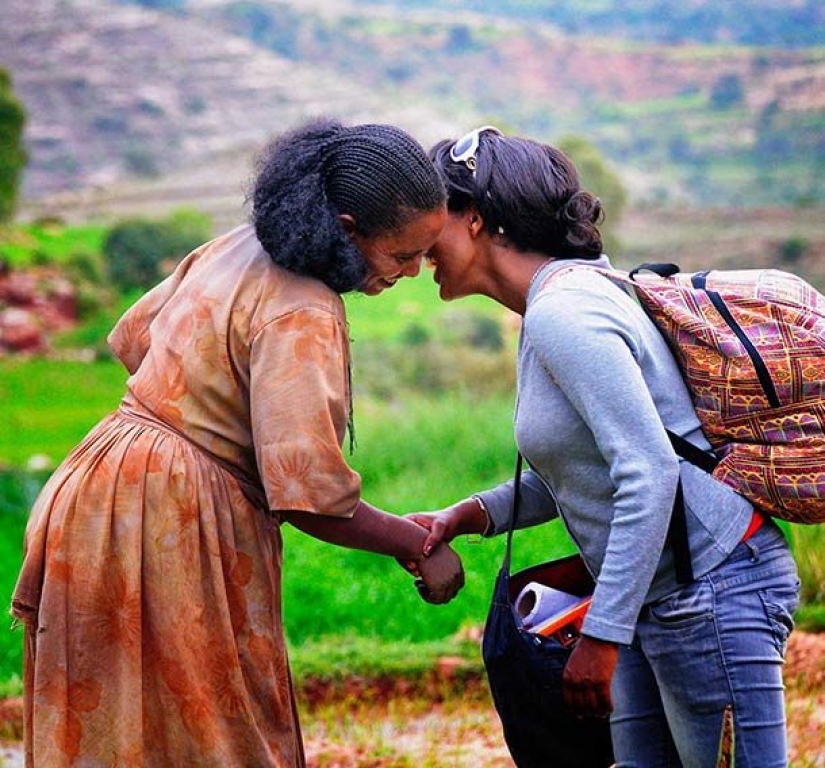
3. A quick greeting.
In Morocco, it is considered impolite to see someone you know, say hello, and keep walking. Therefore, when you see your friends on the street, be prepared to discuss your family, children, and health.

4. Shaking his head up and means "no" (Bulgaria).
This will probably shock you a little. When visiting Bulgaria, you should remember that "yes" means "no" and "no" means "yes". What do we mean? Okay, let's just say, if your waiter asks you if you like the food, you'd better shake your head from left to right, that is, say yes. Shaking your head up and down means no.

5. Thumb up (Iran).
This is a rather positive gesture, but we would suggest that you do not draw any conclusions, especially in Iran and a number of other Middle Eastern countries. In these countries, it has traditionally been translated as the dirtiest of insults and should certainly be avoided.
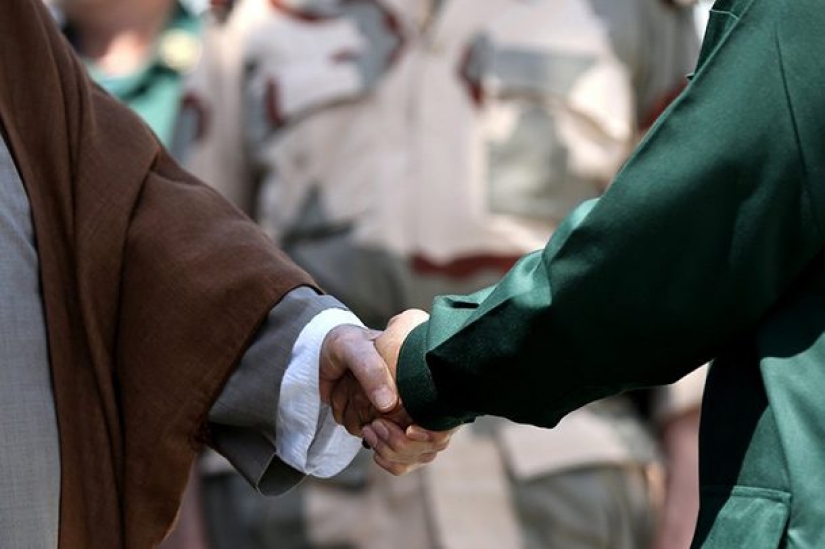
6. Using the left hand (Indian Subcontinent / Middle East).
If you plan on spending any time in the Middle East or Indian Subcontinent, you should get used to the idea of not using your left hand. In many cultures, the left hand is considered impure.

7. Public displays of love (Saudi Arabia).
For those who have a desire to visit Dubai or Saudi Arabia, here are some tips. If you're walking with your significant other, be sure to avoid public displays of affection. This includes kissing, holding hands, and even hugging. Unless, of course, you want you to take a thorough and personalized tour of the country's prisons ... this has happened to numerous Westerners in the past.
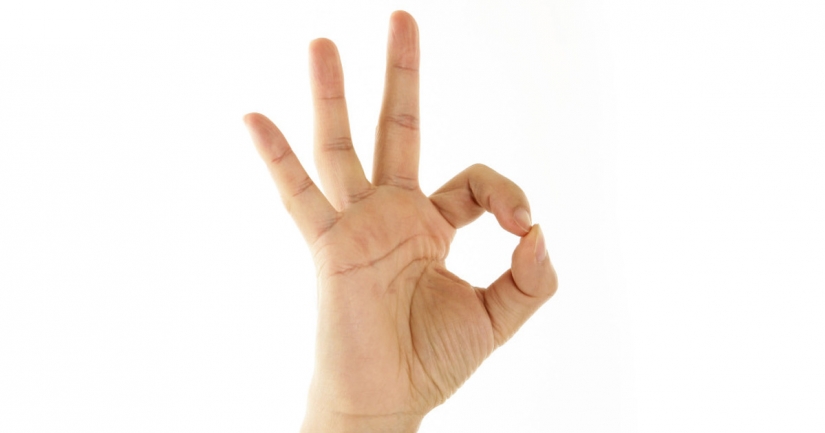
8. OK sign (Brazil).
Coming back to hand gestures, here's what you'd better avoid, at least during your visit to Brazil. While this would normally mean “okay,” to a Brazilian, it would be equivalent to showing the middle finger.
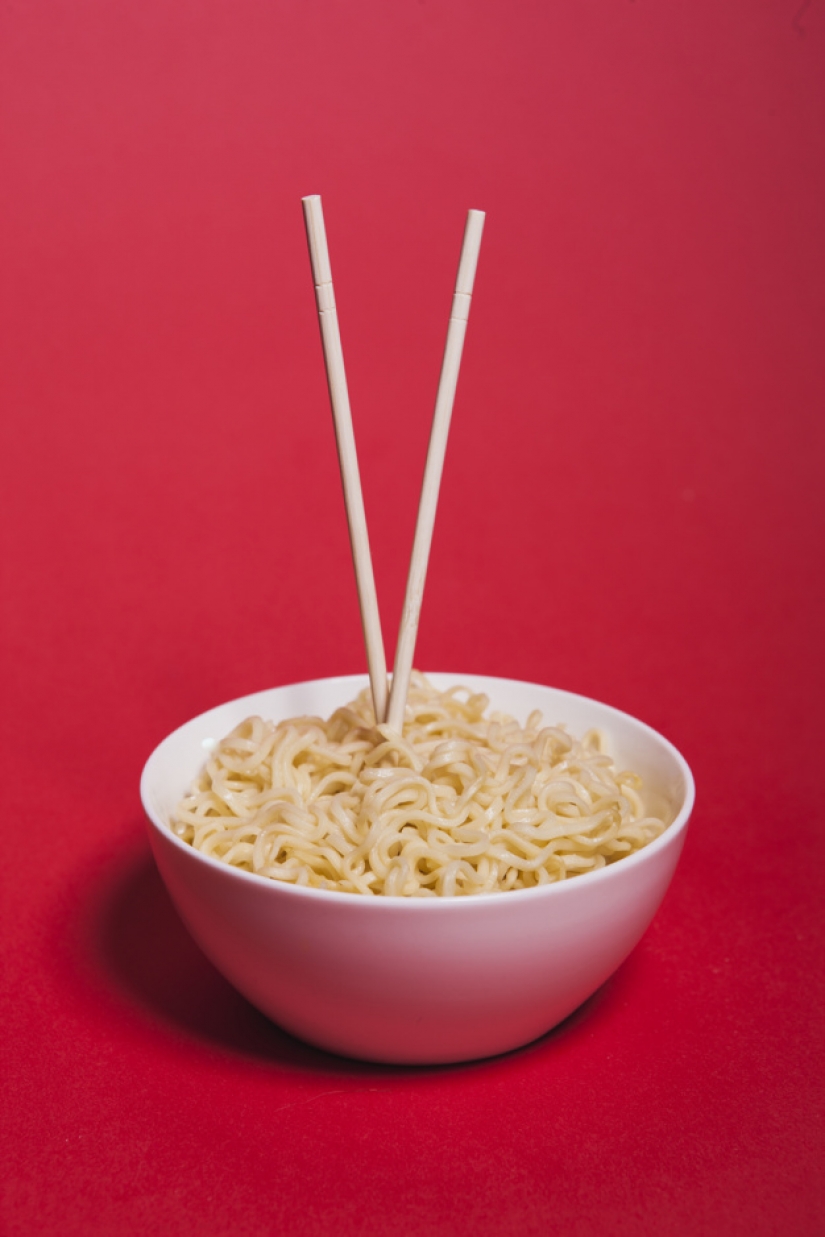
9. Chopsticks right in the bowl (Asia).
When taking a break from food in almost any Asian country that uses chopsticks, it would be wise not to place them directly in your bowl. For the most part, this position is reserved for burial and therefore would be considered extremely impolite to the host and any elderly people present.

10. Insult to the King (Thailand).
Whatever you do in Thailand, do not insult the king. In fact, it would probably be wise not to say anything about the royal family at all. As some unfortunate Westerners have found out, even a negative Facebook post about them is enough to get a prison sentence.
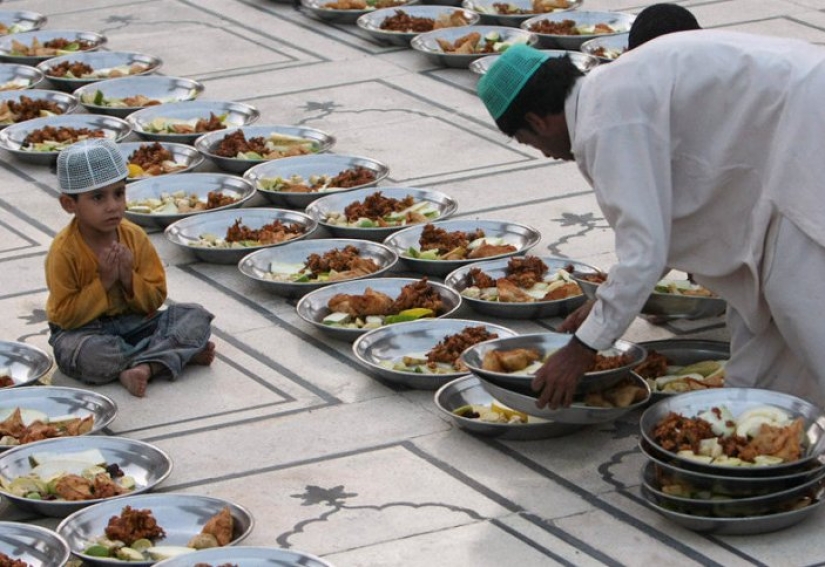
11. Public catering during Ramadan (Saudi Arabia).
During the month of Ramadan, if you are so lucky to be in Saudi Arabia, it would be in your best interest not to eat in public. Not only are all the locals likely to hate you while they are starving, but it is also punishable by law.

12. Eat (Asia).
While an empty plate is considered good form in many places, at least it implies that you like the food, in Asia, you should leave something on your plate. A licked plate means you were given little food and you are still hungry - an epic insult.
Keywords: Tradition | People | Country | World | Things | Items
Post News ArticleRecent articles

It's high time to admit that this whole hipster idea has gone too far. The concept has become so popular that even restaurants have ...

There is a perception that people only use 10% of their brain potential. But the heroes of our review, apparently, found a way to ...
Related articles

This is an amazing photo project of Mike Harvey: it takes people in his car, and photographs them at the same time, we are about to ...

Surely, many of you had classmates who, to put it mildly, were not distinguished by outstanding external data. Braces, strange ...

Yes, Pets benefit our health and it is proven by science. Their very existence certainly makes us happier, but also prolongs life. ...
New Year's is a time to surprise and delight loved ones not only with gifts but also with a unique presentation of the holiday ...