
From the Renaissance to postmodernism: 500 years of interior design living room
Categories: Design and Architecture | History | Photo project
By Pictolic https://www.pictolic.com/article/from-the-renaissance-to-postmodernism-500-years-of-interior-design-living-room.htmlInterior design as a separate art appeared, probably in ancient Egypt to modern-day has passed through many stages. Designers HomeAdvisor decided to show the development of interior design over the last 500 years.
 The heart of any home is the living room where we spend most time, socialize with family, relax after a hard day. Everyone wants to be beautiful, comfortable and cozy. Home Advisor invented and brought to life project, which showed how changing the interior design of the past five centuries.
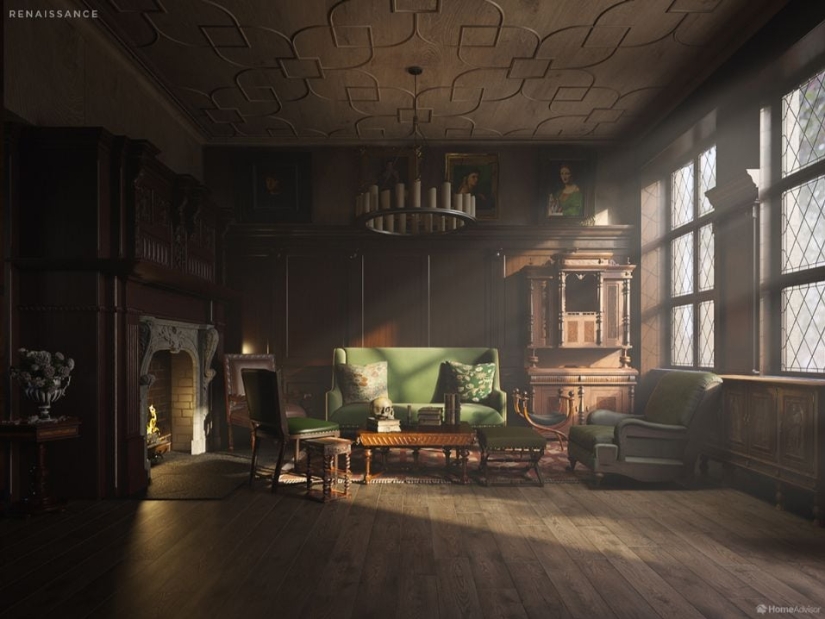
The Renaissance (1400-1600 year)
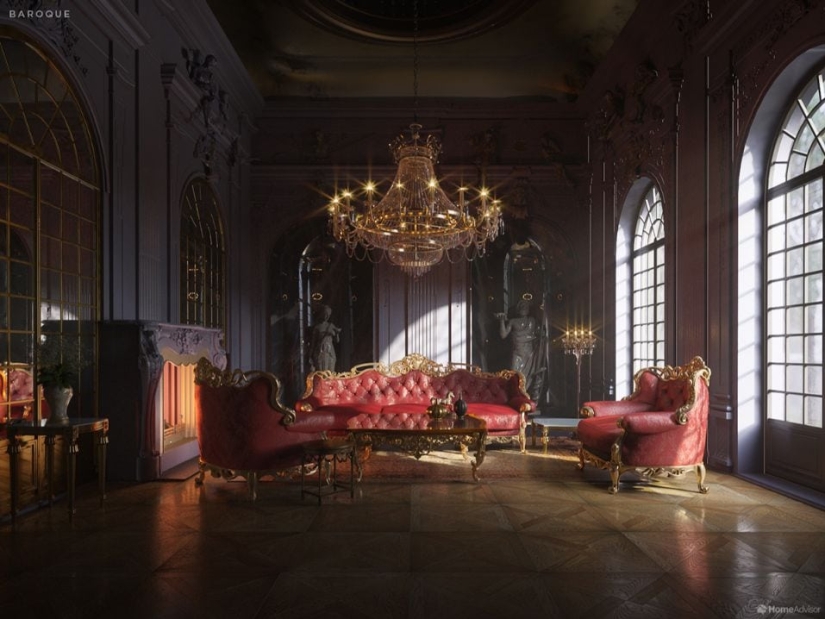
Baroque (1590-1725 year)
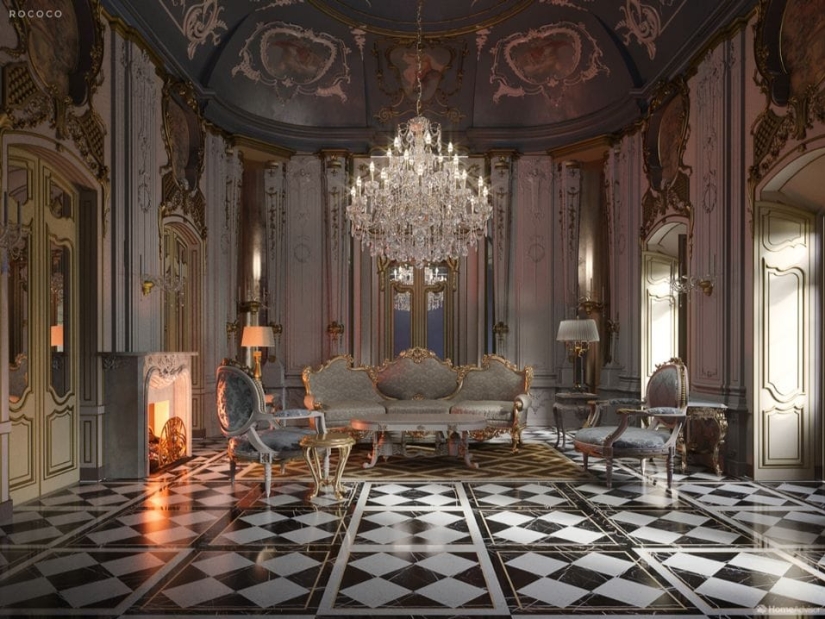
Rococo (1700)
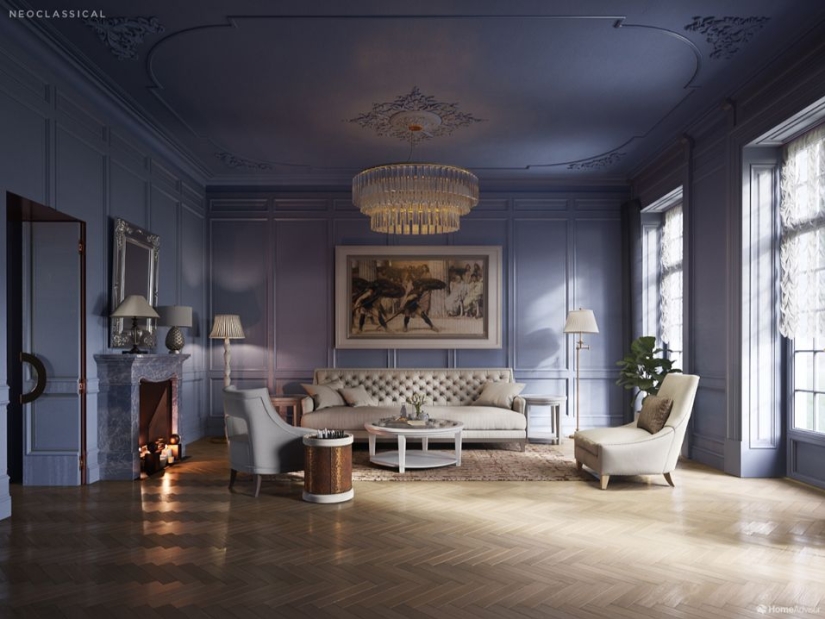
Neoclassicism (1780-1880 year)
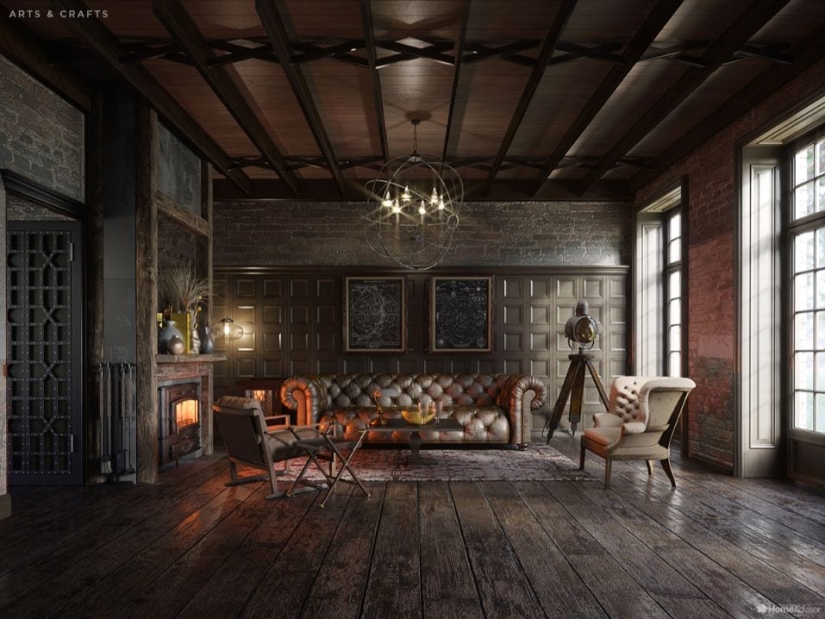
Arts and crafts (1860-1910 year)
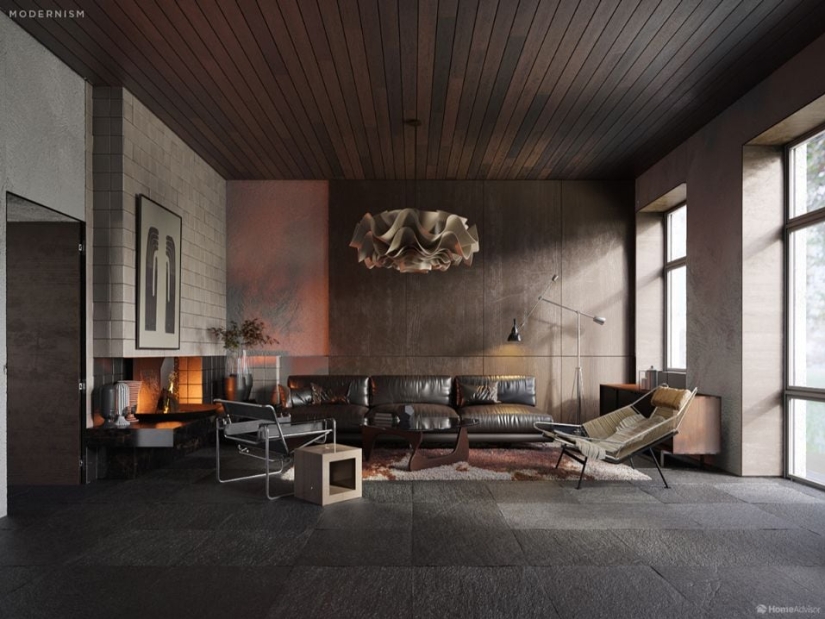
Modernism (1880-1940 year)
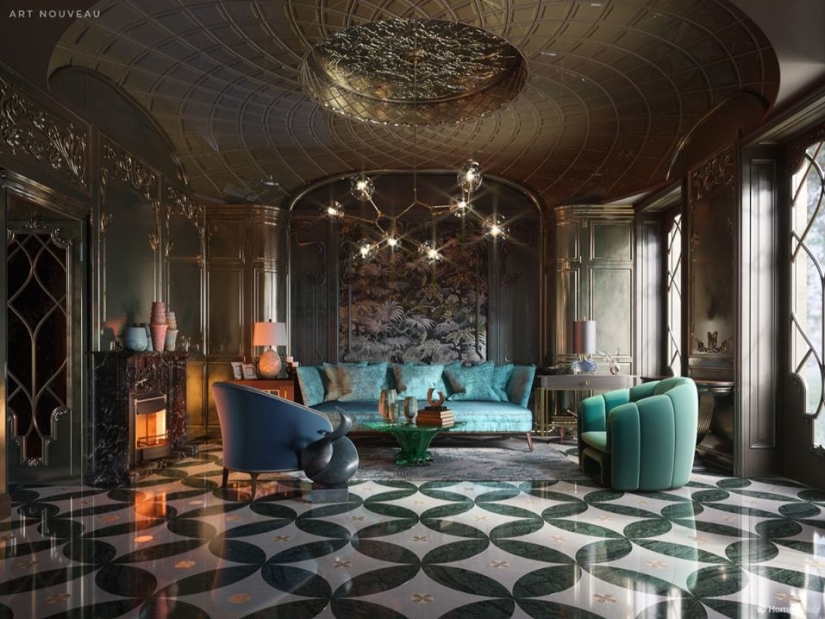
Art Nouveau (1890-1920 year)
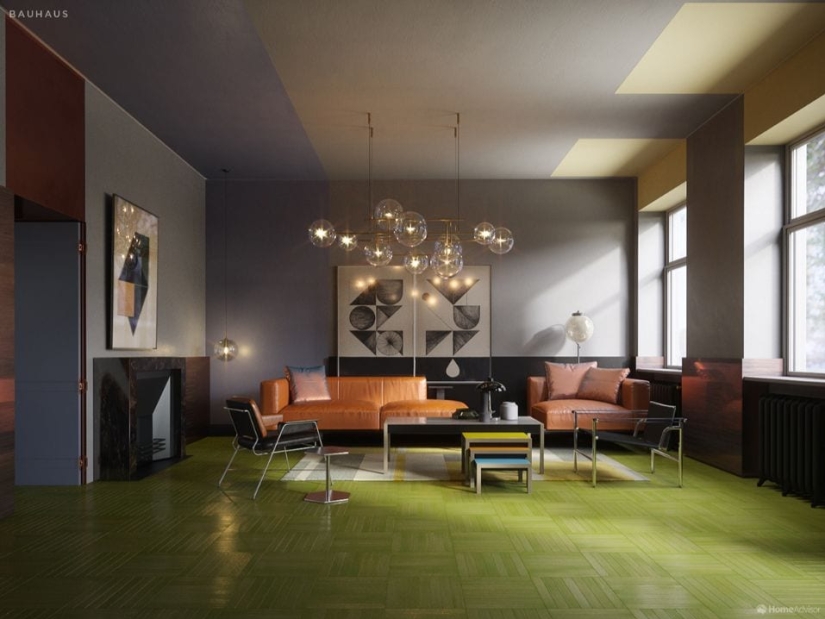
Bauhaus (1919-1934 year)
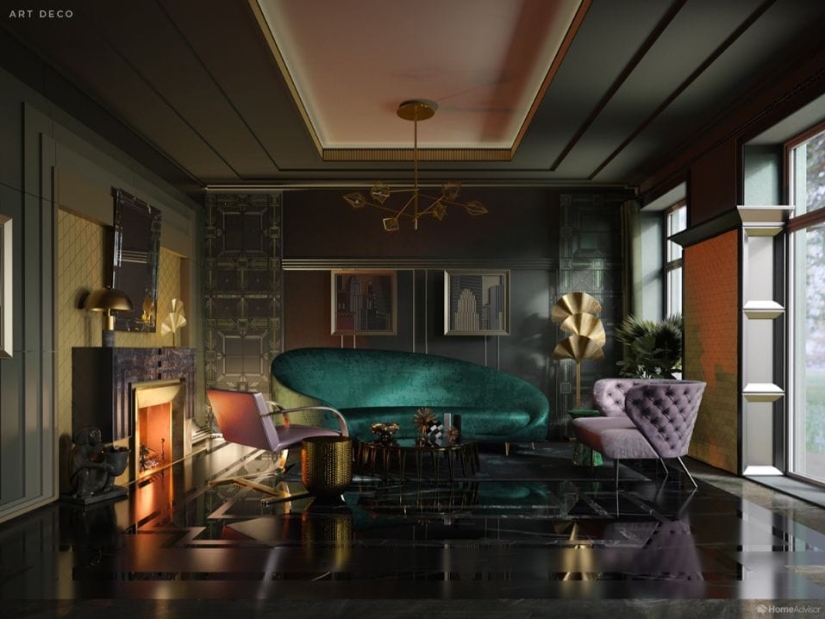
Art Deco (1920-1960 year)
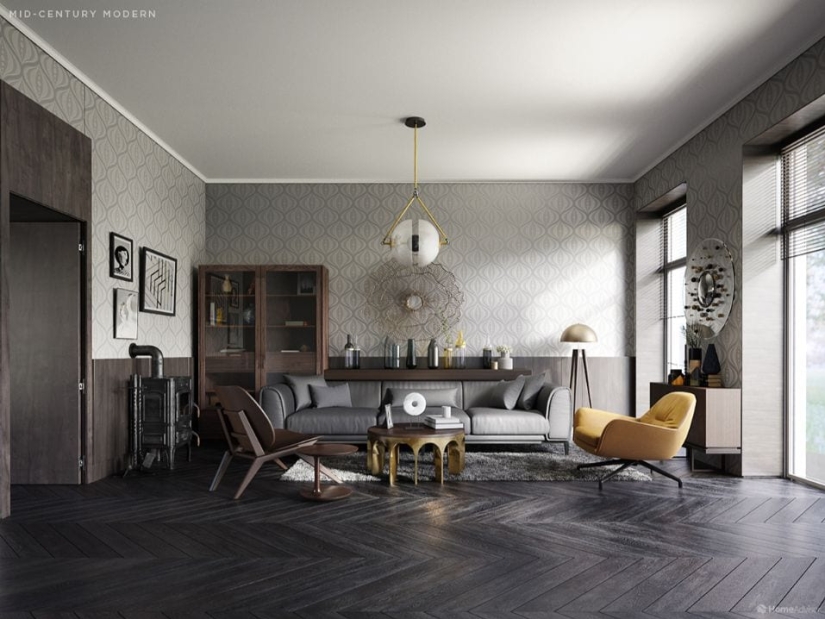
Medieval modern (1930-now)
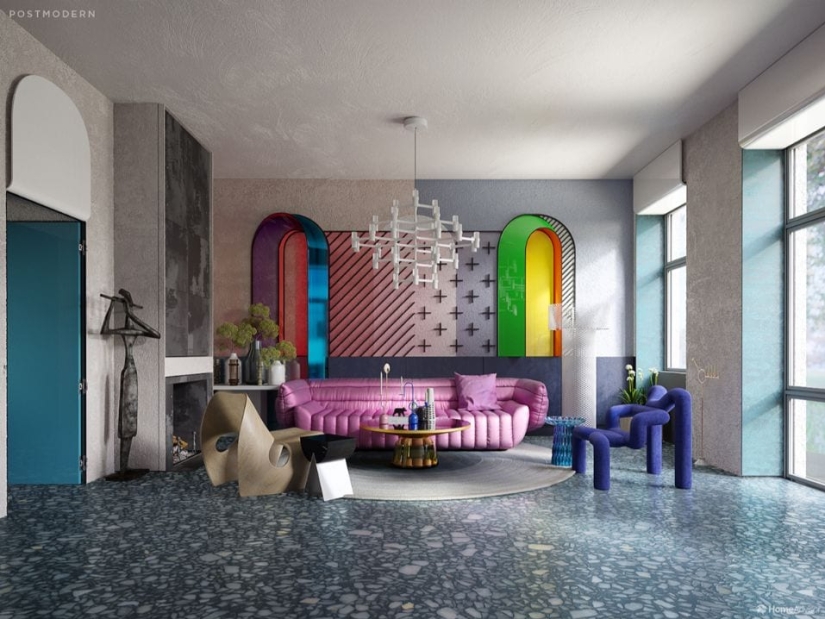
Post modernism (1978-now)
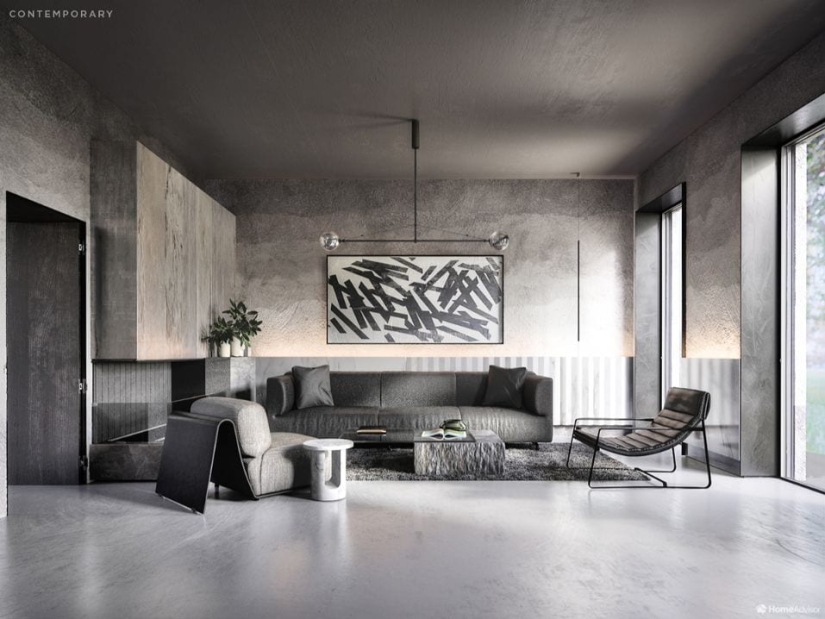
Contemporary (1980-now)
Graphic designers have created not only models, but also a fascinating video in which the styles are changed one after the other.
Keywords: Interior | Interiors | Room | Style
Post News ArticleRecent articles

It's high time to admit that this whole hipster idea has gone too far. The concept has become so popular that even restaurants have ...

There is a perception that people only use 10% of their brain potential. But the heroes of our review, apparently, found a way to ...
Related articles

In 2010, photographer John Thackwray from South Africa began a journey around the planet with a series of works called "My Room". ...

Man cave, or "man cave" — is embodied in the life of children's dreams of their own cozy nook where you can relax from bustle and ...

Surprisingly, many quite ordinary things have names that are unusual to our ears, but at the same time correct. You've probably ...
New Year's is a time to surprise and delight loved ones not only with gifts but also with a unique presentation of the holiday ...