
From Ancient Rome to Netflix: How the Culture of Laziness Has Changed and Why Laziness Isn't Shameful
Categories: Culture | Society | World
By Pictolic https://www.pictolic.com/article/from-ancient-rome-to-netflix-how-the-culture-of-laziness-has-changed-and-why-laziness-isn39t-shameful.htmlWe live in an era of paradoxes. On the one hand, the hustle culture demands we be productive 24/7, while on the other, more and more people are openly declaring their right to rest and leisure. The word "laziness" is no longer a swear word. Moreover, the ability to do nothing has become a trend, discussed by psychologists, celebrated by bloggers, and practiced by millions of people around the world. But where did this culture of mindful idleness come from, and why is the history of laziness far more interesting than one might think?

The history of laziness begins not with lazy teenagers of the 21st century, but with the greatest minds of antiquity. In ancient Rome, there was the concept of "otium"—noble leisure, time for reflection, creativity, and contemplation. This was contrasted with "negotium"—the bustle of business and obligations. Roman philosophers and poets considered otium a necessary condition for the development of the soul and intellect.
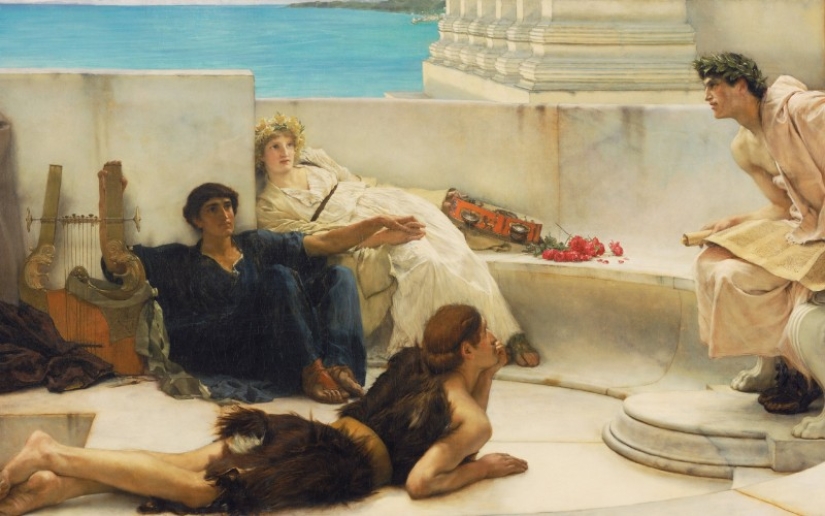
Marcus Tullius Cicero wrote entire treatises on the value of idleness for the mind. He claimed that it is in moments of peace that great ideas are born. Pliny the Younger retreated to his villa in Tuscany to "do nothing with dignity"—to read, take walks, and converse with friends.
The ancient Greeks also understood the value of quality rest. Their concept of "scholé" (from which the word "school" derives) meant free time dedicated to self-improvement and philosophical reflection. It was during such moments, far from the bustle of the agora, that Aristotle and Plato created their immortal works.
Fast forward a few centuries. The culture of hedonism in Italy acquired its own name: "dolce far niente," which literally translates as "the sweetness of doing nothing." This isn't just laziness in the everyday sense, but an entire philosophy of life, where the ability to enjoy the moment is valued no less than hard work.
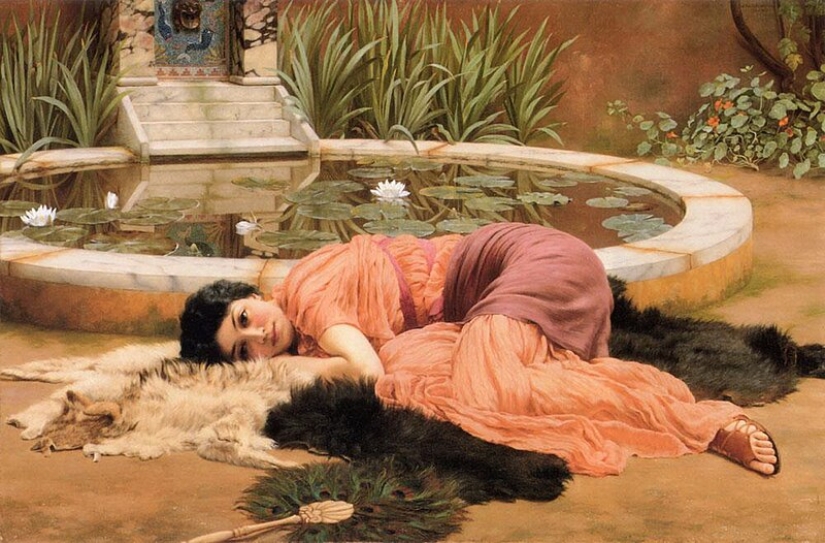
In Italian culture, this state is considered natural and necessary. Siesta—a daytime rest during the hottest hours—is not a sign of laziness, but a sensible adaptation to the climate and respect for one's own biorhythms. Long lunches with family, leisurely strolls through evening streets, hours spent in a café over an espresso—all these are manifestations of dolce far niente.
Italians believe life is too short to spend it solely on work. They know how to switch off from the constant busyness of life and simply exist in the moment. Watching the sunset, people-watching in a square, listening to the sound of a fountain—these simple pleasures are considered as important as career achievements.
While southern Europeans enjoyed the sun and leisurely pace, northerners developed their own version of mindful laziness. The Danish concept of hygge describes an atmosphere of coziness, warmth, and comfort. What does hygge mean in practice? It's a soft blanket, candles, hot chocolate, and a good book on a chilly evening.

Scandinavians have elevated the ability to create islands of tranquility in everyday life to a cult. In countries where winter lasts for half the year and daylight hours are reduced to just a few hours, finding joy in simple pleasures has become a matter of survival. It's no wonder that Denmark regularly tops rankings of the world's happiest countries.
Hygge isn't just an Instagram aesthetic of knitted socks and wooden trays. It's a philosophy that teaches you to appreciate the moment and not chase external achievements. Danes spend evenings with family and friends, turn off their phones, and create a space where you can simply be, not impress.
The history of laziness would be incomplete without mentioning the era when idleness became almost a crime. The Industrial Revolution and 20th-century capitalism created a culture where a person's worth was measured by their productivity. The American Dream promised success to those who worked tirelessly.

By the end of the century, the term "workaholism" emerged, followed by "burnout syndrome." Millions of people sacrificed their health, relationships, and happiness for the sake of career advancement. Society forgot that rest is not a reward for good work, but a necessary condition for it.
The 2020 pandemic was a turning point. It suddenly became clear that many tasks could be completed from home, while a permanent presence in the office was often a matter of tradition rather than a genuine necessity. People began to rethink their attitudes toward work and life.
The "quiet quitting" phenomenon took the world by storm in 2022, though the idea itself has existed for a long time. Quiet quitting isn't literal dismissal, but rather a rejection of the culture of overwork and overexertion. People continue to work, but they do exactly what they're paid for, and no more.
Critics call this laziness and irresponsibility. Defenders argue it's healthy boundaries and self-respect. The younger generation refuses to accept the rules of a game where sacrificing personal life for corporate goals is considered the norm. They don't want to "live to work"—they prefer to "work to live."

Social media is filled with stories of people leaving prestigious jobs for the sake of their mental health. Movements like FIRE (Financial Independence, Retire Early) have emerged, with people striving for financial independence and early retirement. Laziness has ceased to be a vice and has become an act of resistance to the system.
Streaming services have become the perfect symbol of the new culture of relaxation. Netflix even coined the term "Netflix and chill"—an expression that describes relaxing at home. People are proud to spend the weekend in their pajamas, re-watching their favorite series.

This isn't degradation, as moralists claim, but rather recognition of the right to proper rest. After a week of stress and deadlines, an evening with popcorn in front of a screen can be the best therapy. What matters isn't what a person does, but how they feel while doing it.
The modern culture of laziness has learned to distinguish between idleness and procrastination. Procrastination is the avoidance of important tasks, which causes anxiety. Conscious laziness is the choice to rest without guilt. It's the ability to say to yourself: today I deserve to do nothing.
Neuroscientists have discovered that the brain requires a "default mode"—a state when we're not solving specific problems. It's during these moments that memory consolidation, emotional processing, and creative insights occur. Many great discoveries have been made not at a desk, but during a walk or in the bath.
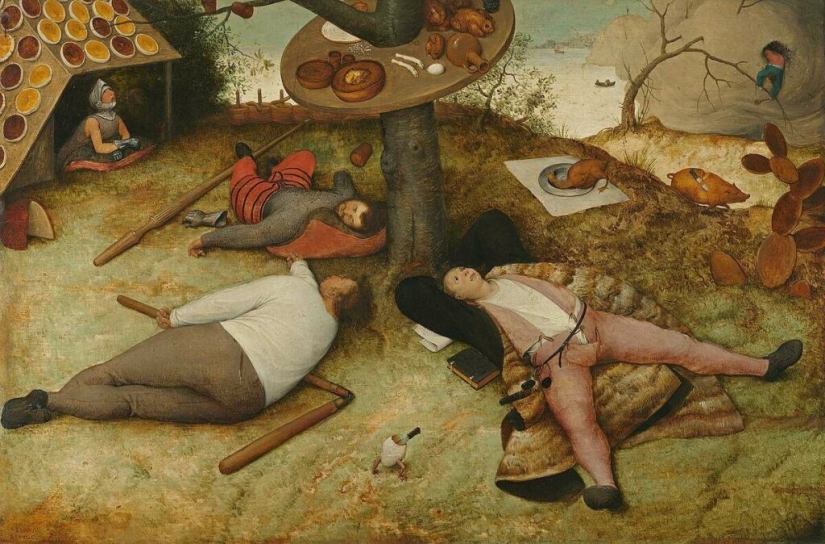
Psychologists emphasize the importance of a balance between activity and rest. Constant tension depletes the body's resources and leads to chronic stress. The culture of hedonism, once criticized, has proven wiser than it seemed.
Research shows that countries with a more relaxed attitude toward work often demonstrate high productivity. The Netherlands, where the average workweek is 29 hours, is among the top ten most productive economies in the world. It's not about the number of hours worked, but about the quality of life.
The history of laziness shows that humanity constantly balances between the need to work and the desire to rest. The Romans philosophized in baths, Italians strolled the streets at night, Scandinavians lit candles, and modern people watch TV series under a blanket. The forms change, but the essence remains the same—the need for peace and pleasure is universal.

The difference is that today we can openly talk about the right to be lazy without fear of judgment. We understand that rest is not a luxury, but a necessity. That self-care is not selfishness, but common sense. That life is created not only for achievement, but also for enjoying the process. The modern world has finally recognized that there is no shame in being lazy, as long as it is a conscious choice and not an escape from life.
Perhaps the ancient Romans were wiser than us when they built cities with baths and squares for idle conversation. They understood that civilization is measured not only by the grandeur of its buildings, but also by its people's ability to be happy. And in this sense, a culture of conscious laziness is not a regression, but a return to forgotten wisdom.
What's your take on the modern culture of laziness? Do you practice dolce far niente, or do you believe that life is meaningless without constant activity?
Recent articles

It's high time to admit that this whole hipster idea has gone too far. The concept has become so popular that even restaurants have ...

There is a perception that people only use 10% of their brain potential. But the heroes of our review, apparently, found a way to ...
New Year's is a time to surprise and delight loved ones not only with gifts but also with a unique presentation of the holiday ...