
Disappeared without a trace: dzuhatsu - the Japanese phenomenon of escape from real life
Categories: Asia | Culture | Society | World
By Pictolic https://www.pictolic.com/article/disappeared-without-a-trace-dzuhatsu-the-japanese-phenomenon-of-escape-from-real-life.htmlThere are different ways to start life with a clean slate. Some change their place of residence, others their occupation, and others go on an endless journey. In Japan, the approach to change is radical: people simply disappear without a trace. The country has even introduced a special term that calls such a phenomenon - "dzuhatsu".
Everyone has different reasons for disappearing: unpaid debts, unhappy relationships or overtime. People deliberately disappear, leaving their home, family and do not make themselves felt for years. There are whole organizations that help those who wish to safely hide from the eyes of society.
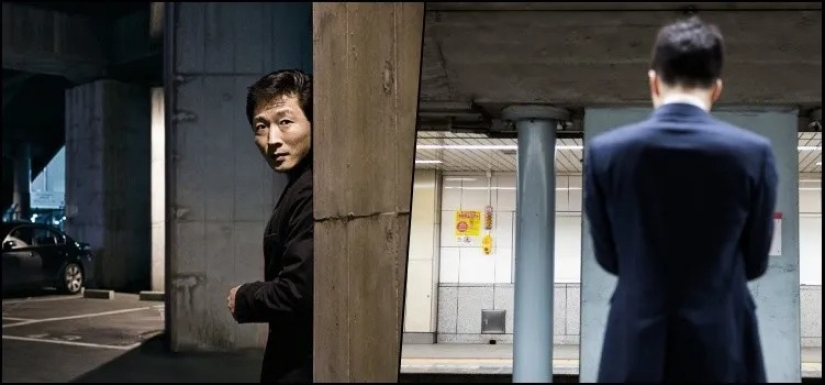
It is worth noting the special cultural factors that aggravate the situation in Japan. For example, burdening your family with debts, getting divorced or losing your job is considered an unbearable tragedy for many Japanese. In such cases, they have only a few options - to commit suicide in order not to live with shame, to drive themselves into a coffin, working until they lose their pulse, or to become a zuhatsu - to evaporate from their usual environment.
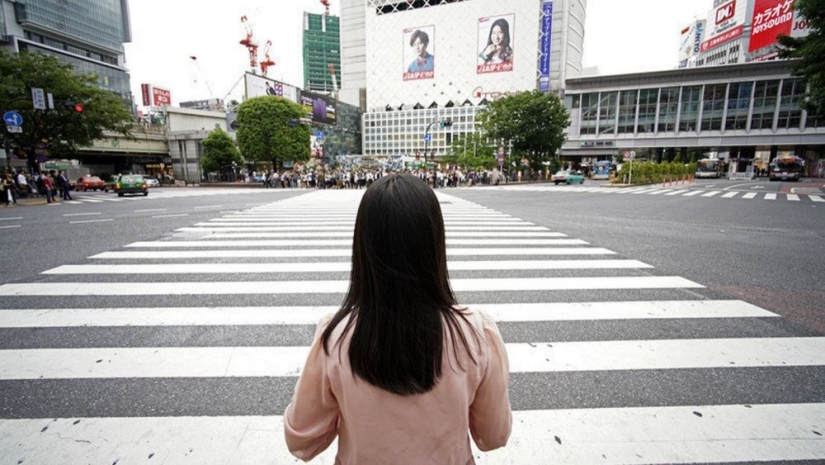
The term "dzuhatsu" began to be used in the 60s. People realized that disappearing was the best option for them and their families in a difficult situation. Usually, the police do not intervene if the disappearance of a person is not related to a crime or an accident. If relatives want to find the missing person, they will have to pay a lot of money to a private detective or just wait.
Privacy is very important in Japan, so people who decide to become a zuhatsu can easily dissolve without fear that they will be found soon. Even the closest family members will not be given access to surveillance video or viewing data on banking transactions, so it is almost impossible to track a missing person. Many parents disagree with such laws, because they have almost no chance to find their lost children.

The phenomenon of dzuhatsu is so widespread in Japan that there are even companies here that help people "evaporate". They are called "night travel services". They make an escape plan and offer temporary housing in secret places.

The cost of services depends on the property that the client wants to take with him, how far he wants to hide, and when the "disappearance" will occur. Prices vary between 50,000 yen (about 33,000 rubles) and 300,000 yen (about 196,000 rubles). If a person takes their children with them or hides from creditors, the cost may increase even more. On average, one firm hides from 100 to 150 dzuhatsu per year.
For those who cannot afford to pay for the company's services, there are manuals available for free viewing on the Internet. They describe how to disappear in order to change your life and start from scratch.
There have been cases in history when people disappeared in whole groups and even settlements. These mystical disappearances have remained unsolved until now.
Recent articles

It's high time to admit that this whole hipster idea has gone too far. The concept has become so popular that even restaurants have ...

There is a perception that people only use 10% of their brain potential. But the heroes of our review, apparently, found a way to ...
New Year's is a time to surprise and delight loved ones not only with gifts but also with a unique presentation of the holiday ...