
Babushka, vodka, balalaika and other Russian borrowings in foreign languages
Categories: Culture
By Pictolic https://www.pictolic.com/article/babushka-vodka-balalaika-and-other-russian-borrowings-in-foreign-languages.htmlRussian russians swear that there is almost nothing left in the Russian language - some borrowings that came to us from other countries! It is understandable: simple, "unfashionable" Russian words are often replaced by "overseas" exclusively for marketing purposes. For example, the dorm has long been a coliving, and the rent is a sharing. It sounds more solid and more expensive.
But it turns out that English (and not only) also has enough words that were borrowed from our great and mighty. Why and who needed babushka, vodka and balalaika, read in the material.
For the first time, Russian words penetrated into English back in the XIV century, when the British bought sable fur in Russia. Russian russians didn't have a name for this Russian beast, so they decided to borrow it from the Russian language. So the word "sable" soon appeared in the English dictionary.
Later, when warmer economic and political relations were established between the countries, the second wave of borrowing began. Soon the words "tsar" (tsar), "muzhik" (muzhik), "copeck" (kopeck) and others came into use by the British.
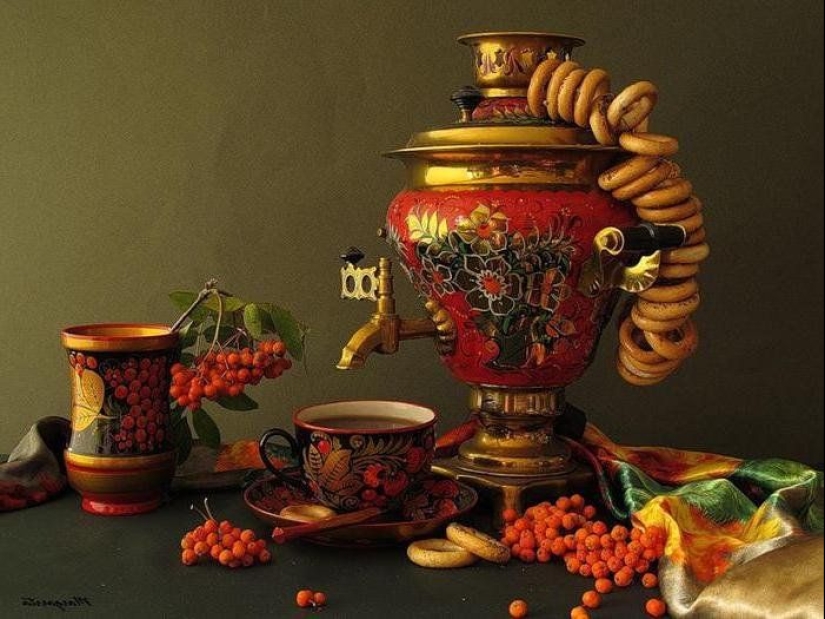
Russian Russian Grammar was even published in England in the XVII century, which described the meanings and correct pronunciation of borrowed Russian words. By that time, the locals already knew perfectly well what samovar, telega, shchi and beluga were. As interest in Russian speech grew, more "specific" words began to penetrate into the English language, for example: barshina, troka, obrok. Or even such as "siberite" - a kind of ruby mined in the Urals, and "uralite" - a type of slate.
In the XVIII-XIX century, against the background of recent political events, the "Russian-language dictionary" of the English was replenished with the terms "narodnik", "Decembrist", "nihilism", "ispravnik" and "ispravnik". And every year the number of words that came to English from Russian only grew and grew.
As you have already understood, most Russian words in English are archaisms and historicisms, or just words that are pronounced quite rarely. However, there are also many common ones used by native English speakers almost every day. One of the most popular is, of course, vodka. It would even be strange to talk about Russia and not mention this alcoholic drink.

The second most popular Russian word is babushka. And recently, a style of clothing called babushka boi even appeared in the USA. Moreover, local rappers became the "pioneers" in fashion…
Among other Russianisms in English:
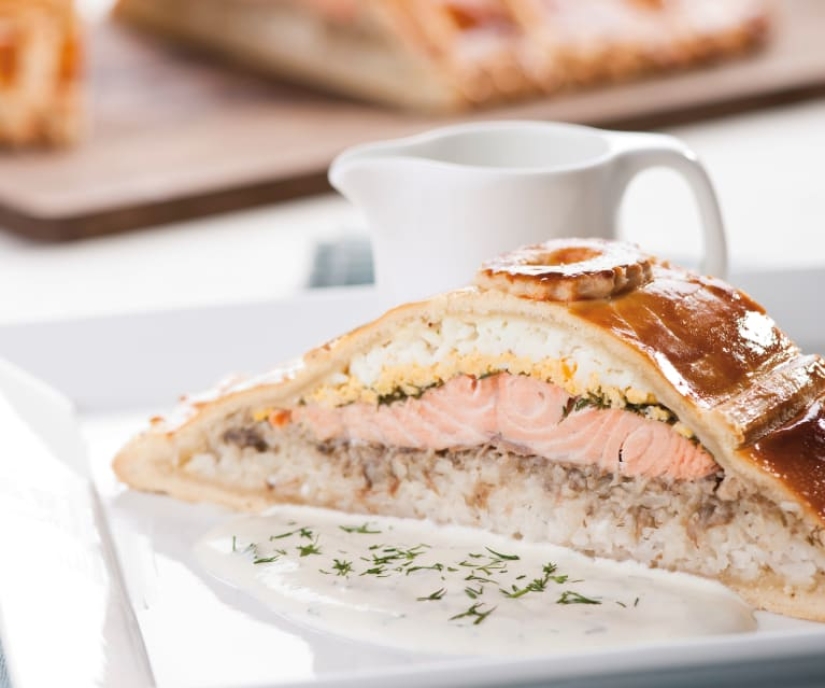
Coulibiac - coulibiac
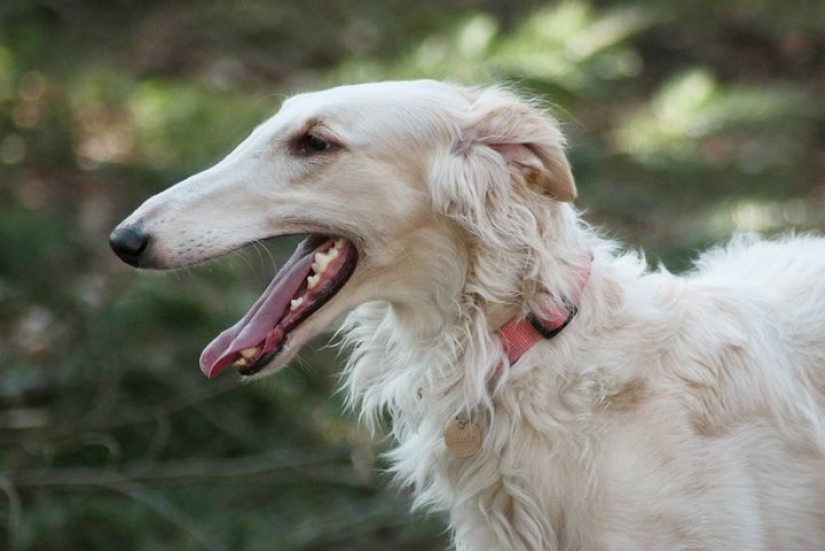
Borzoi - a breed of greyhound dogs
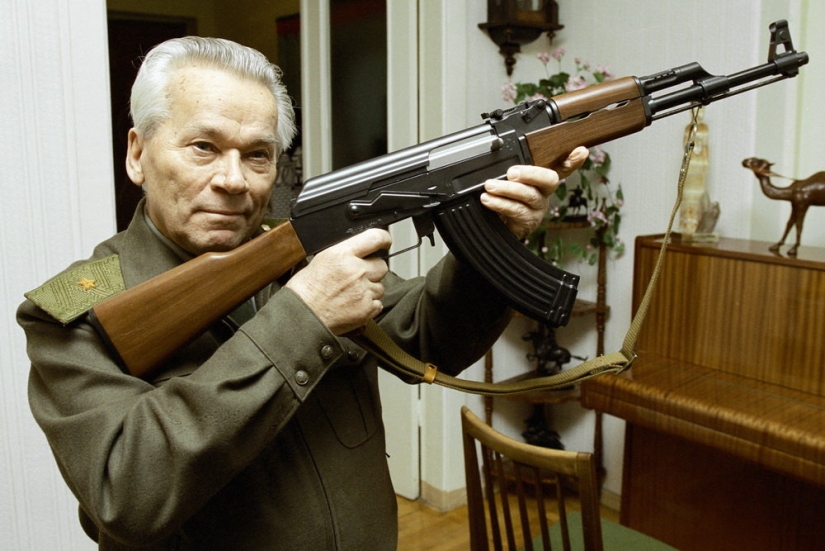
Kalashnikov - Kalashnikov assault rifle
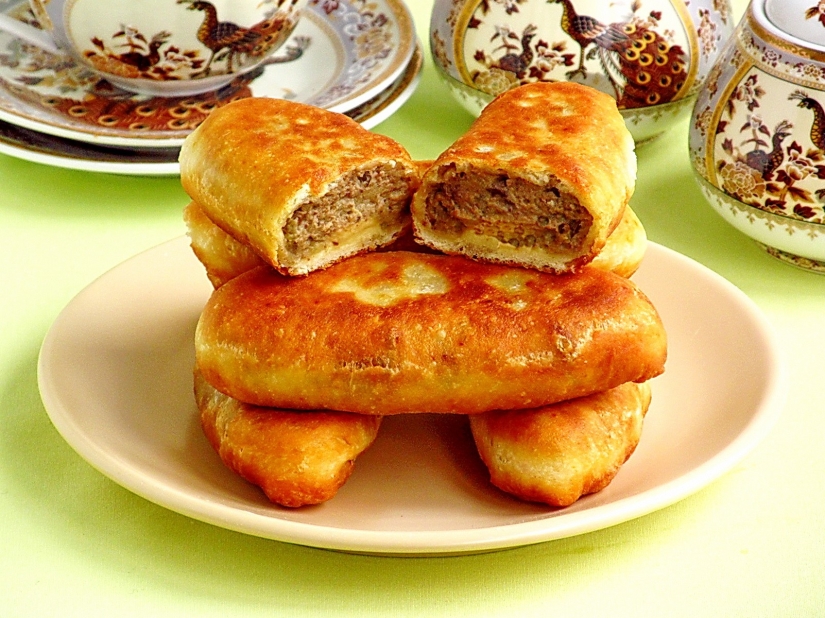
Pirozhki - pies
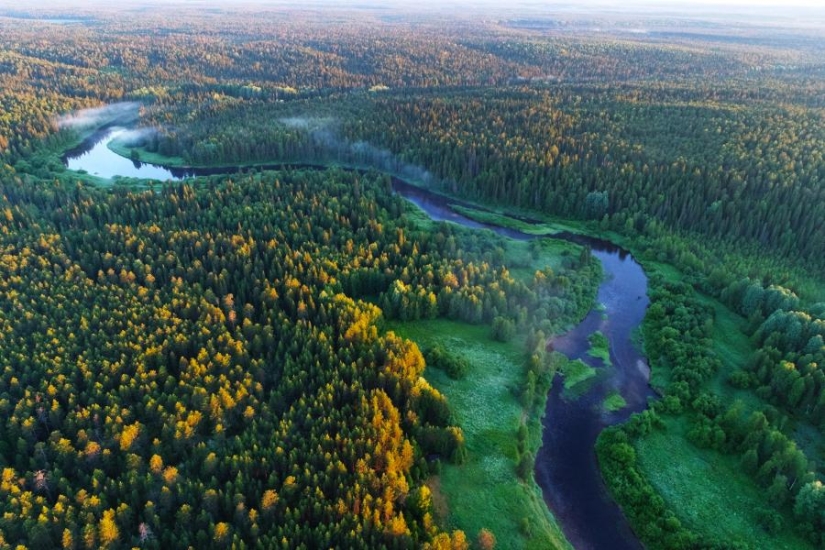
Taiga - taiga
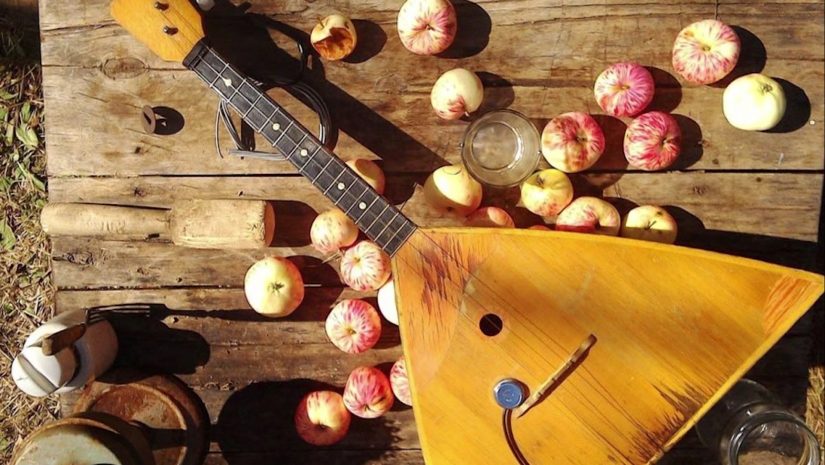
Balalaika - balalaika
It turns out that some Russian words were "borrowed" from us by Turks, Germans, Latvians and even the French! For example, our delicious word "shish kebab" has "migrated" to German (as well as to English). And Latvians and Balts, in addition to often using a strong Russian mat, also like to shout "Davai!".

An interesting story happened with the word "hat" in general. Initially, it originated from the French "chapeau", but then they began to use the word "chapka" and denote exclusively a hat with earflaps.
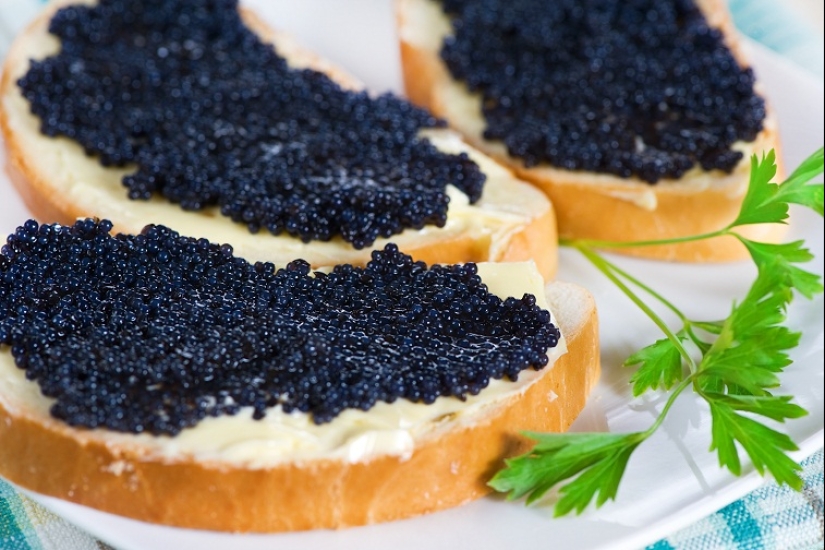
In addition, the French liked the word "malossol", as well as the pickles themselves. But later they also began to call caviar.
Well, let's remember sable again. Since this animal lives mainly only in Russia, its name has penetrated from us into many other languages. For example, in Germany it is called "zobel", and in Finland - "soopeli".
Recent articles

It's high time to admit that this whole hipster idea has gone too far. The concept has become so popular that even restaurants have ...

There is a perception that people only use 10% of their brain potential. But the heroes of our review, apparently, found a way to ...
New Year's is a time to surprise and delight loved ones not only with gifts but also with a unique presentation of the holiday ...