
Attire of Japanese firefighters of the 17th and 19th centuries as a separate art form
Categories: Design and Architecture | History | World
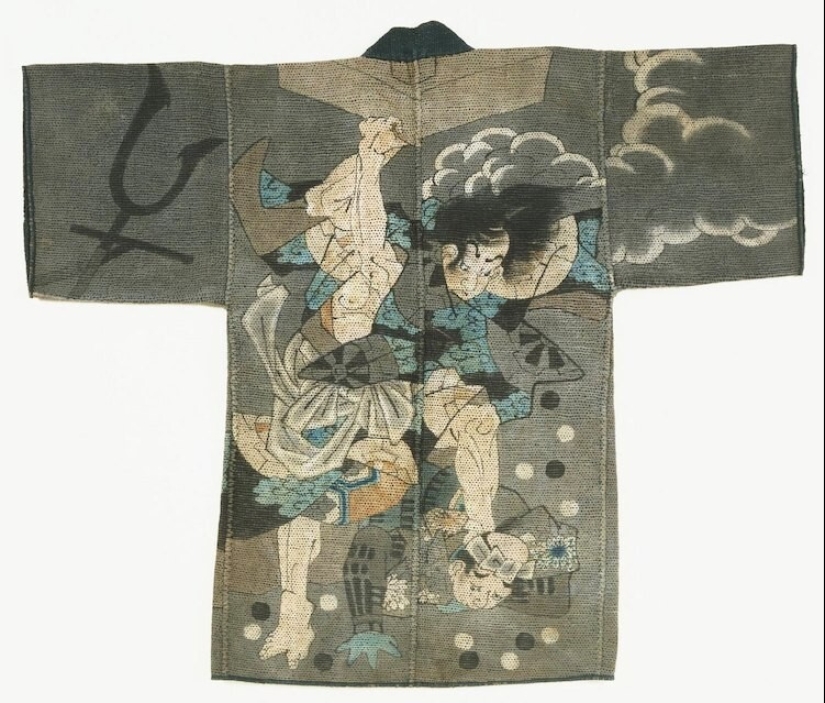
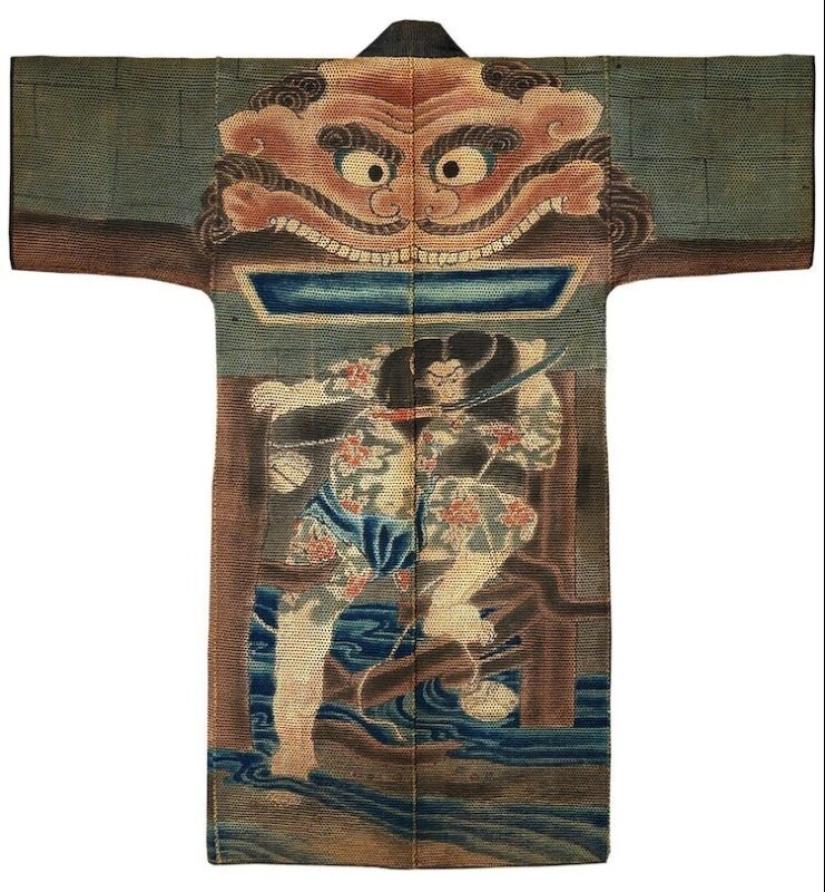
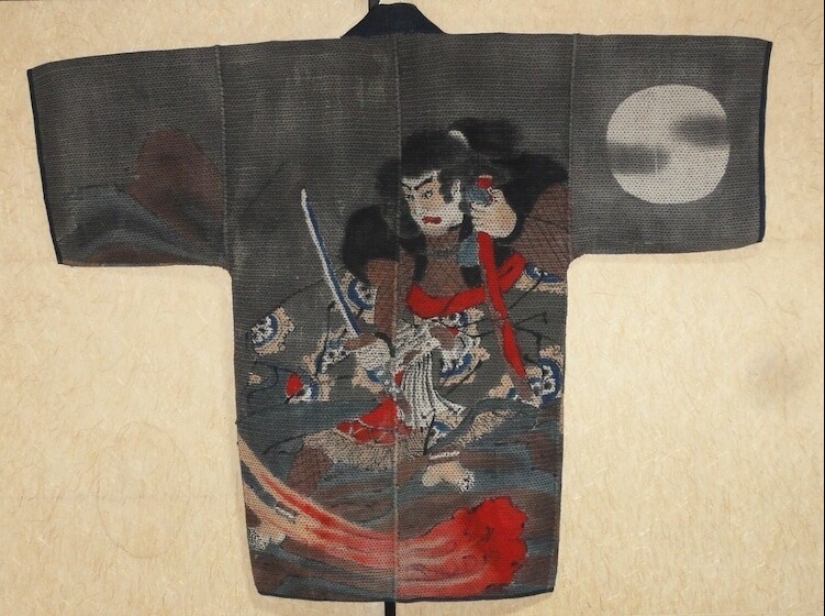
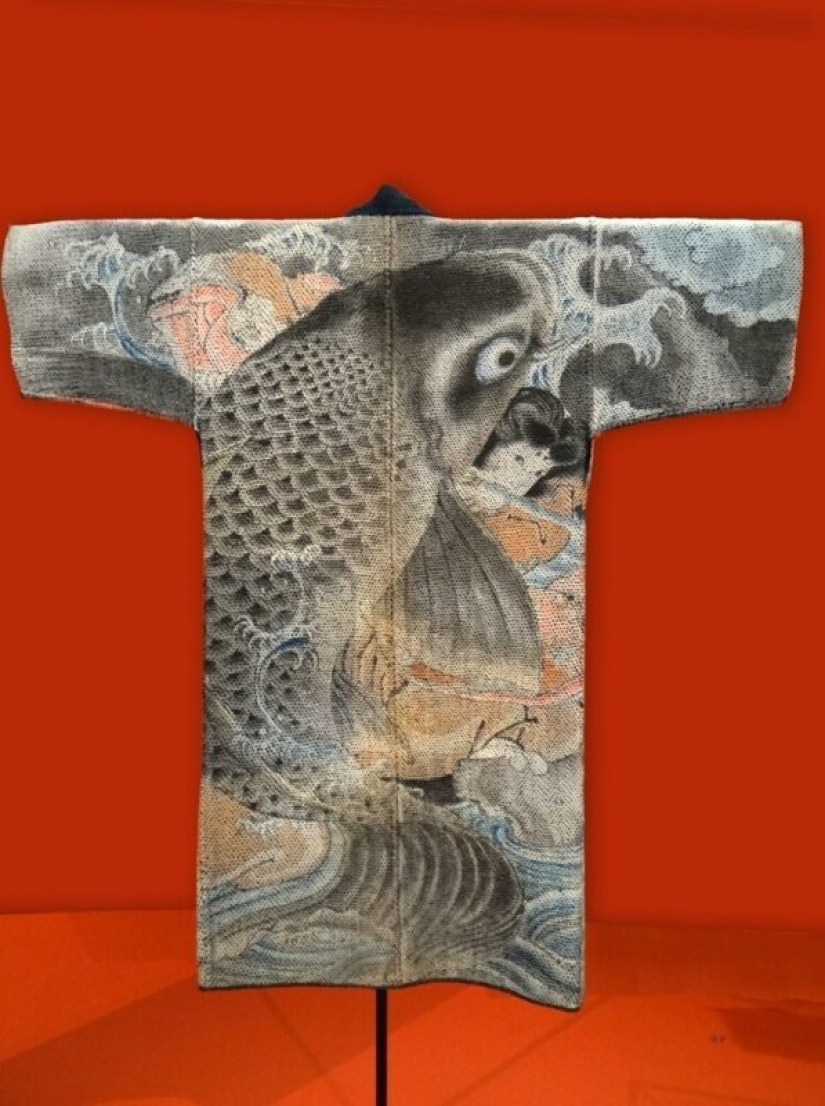
By Pictolic https://www.pictolic.com/article/attire-of-japanese-firefighters-of-the-17th-and-19th-centuries-as-a-separate-art-form.htmlIn the Edo era (1603-1868) in Japan, fires were not uncommon — thin wooden floors in houses could easily catch fire. The main task of the firefighters was to quickly localize the fire, and not let it spread to other buildings. But special attention should be paid to the form in which Japanese firefighters extinguished the fire — these are real works of art with their own history!
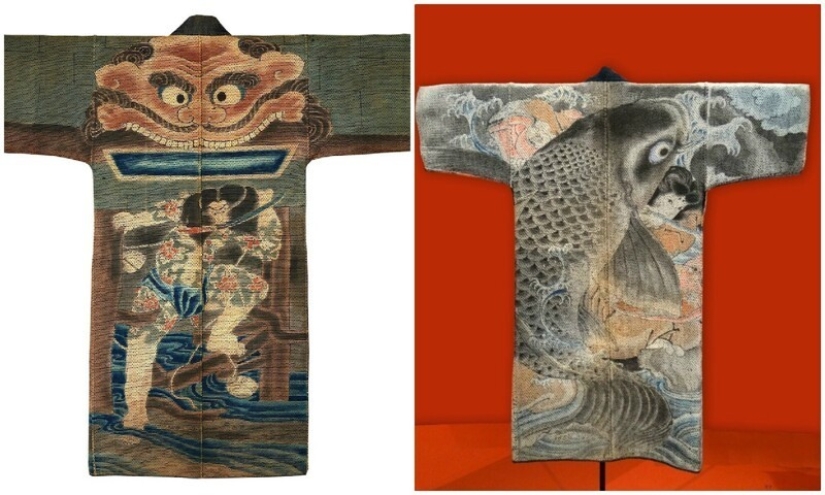
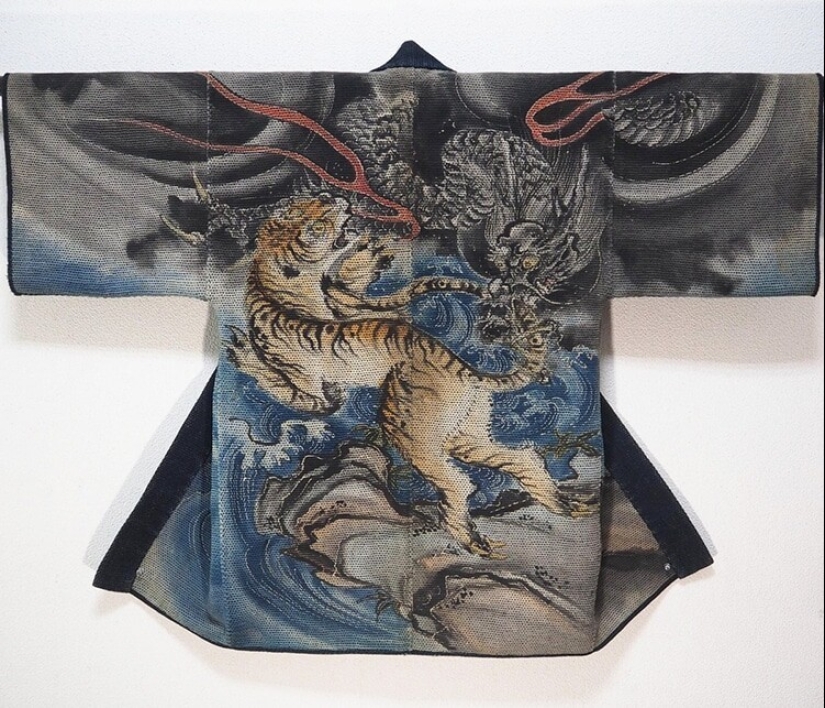
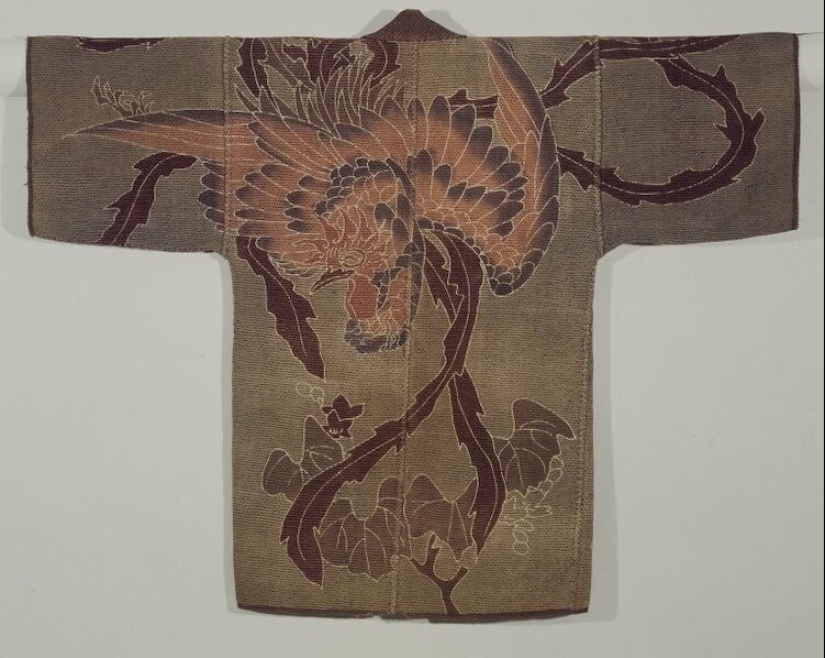
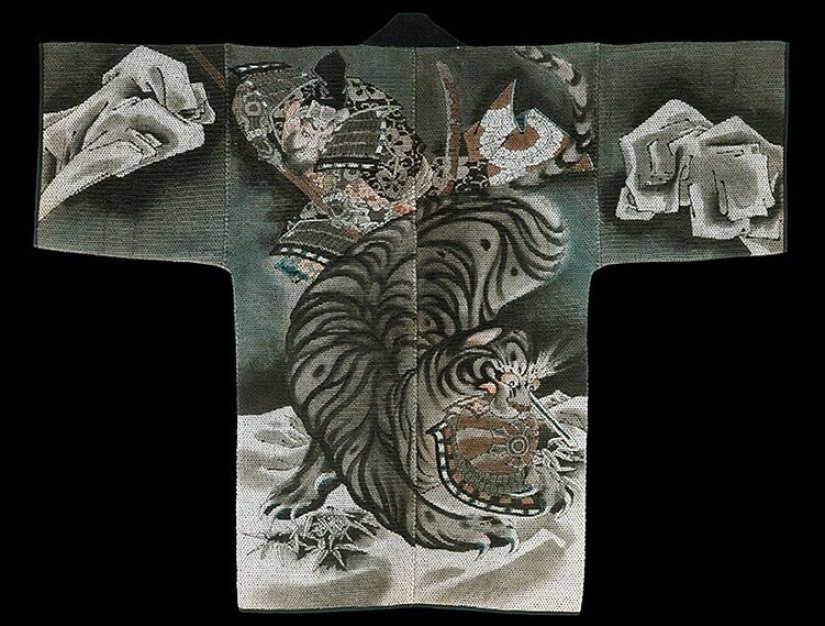
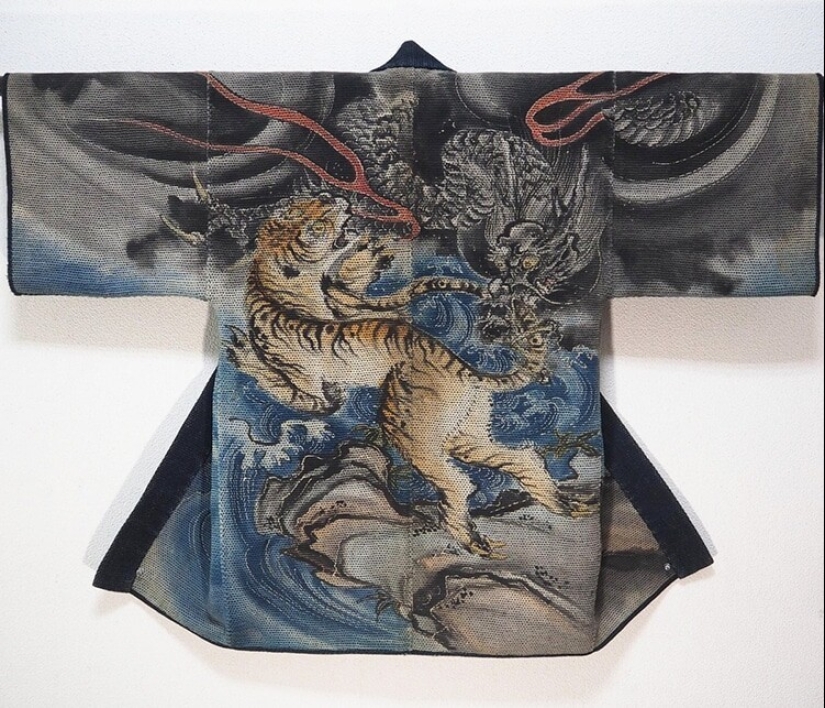
Every Japanese fire brigade in the 16th and 19th centuries wore a special uniform called hikeshi banten. The garments were tunics made of several layers of cotton or with the addition of leather, decorated with images of various subjects on the inside. These could be scenes from Japanese legends and the history of the country.
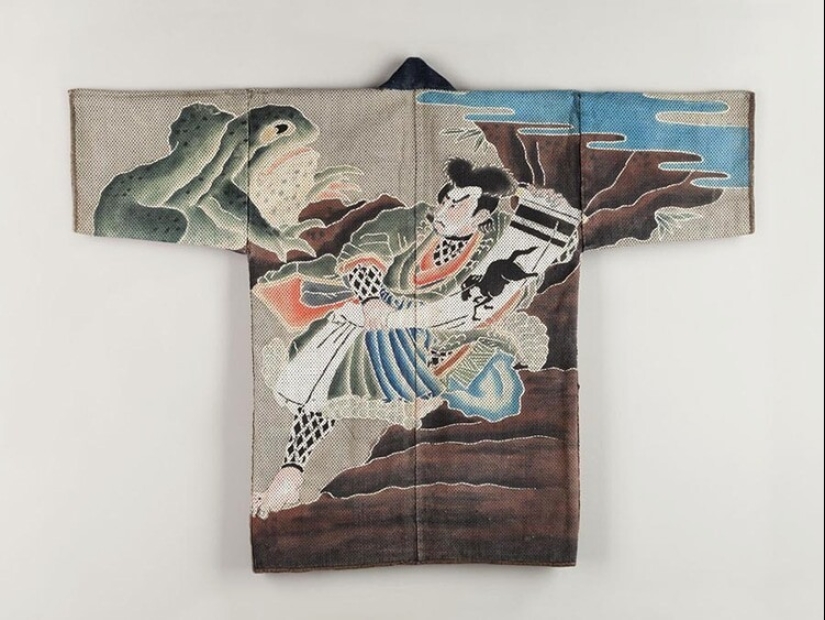
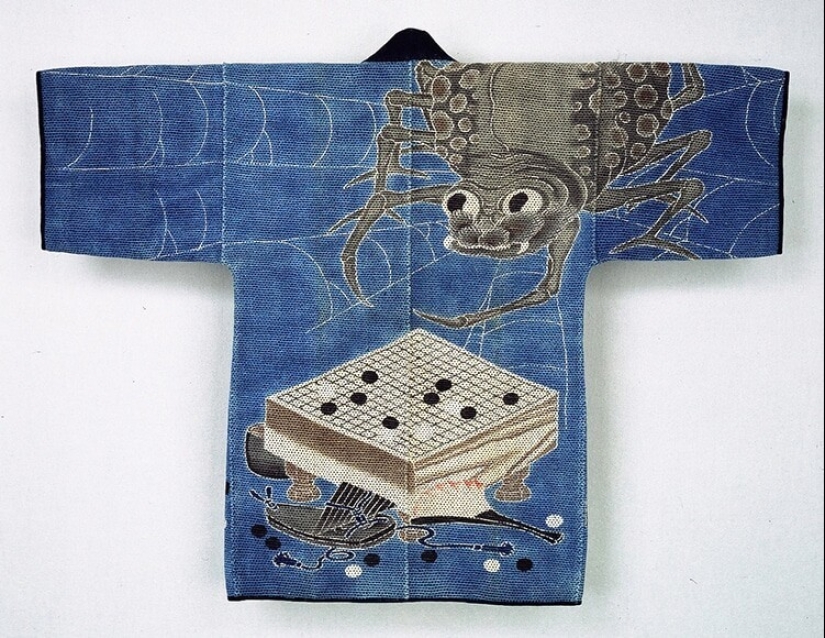
It could take weeks to create such a tunic. The sashiko method or "small injections" was used to combine the layers, and the tsutsugaki method using rice paste was used for coloring. Before entering the fire, firefighters soaked their tunics in water.
Keywords: Art | Firefighters | Uniforms | Japan
Post News ArticleRecent articles

It's high time to admit that this whole hipster idea has gone too far. The concept has become so popular that even restaurants have ...

There is a perception that people only use 10% of their brain potential. But the heroes of our review, apparently, found a way to ...
Related articles

These artists love cats, but also masterfully draw them, often complementing funny and life signatures. Meet! --> Russian ...

Photography has the magical ability to catch the moment before it disappears. American a self-taught photographer Lauren Shipman ...

Is it possible to laying wood to name a form of art? Turns out you can. Because in the world there are such people, which gently ...
New Year's is a time to surprise and delight loved ones not only with gifts but also with a unique presentation of the holiday ...