
5 features of a Japanese home interior that make it the most comfortable place to live
Categories: Art | Asia | Design and Architecture | Lifestyle | People | Photo project | Society | Tradition | World
By Vika https://www.pictolic.com/article/5-features-of-a-japanese-home-interior-that-make-it-the-most-comfortable-place-to-live.htmlTraditional Japanese homes can seem strange to Westerners due to their minimalist design, simplicity, and economy. There is nothing superfluous in them. Each object has its own place, and all functions have great symbolic meaning.
We'll walk you through the key concepts and features that make traditional Japanese homes so unique.
5 PHOTOS
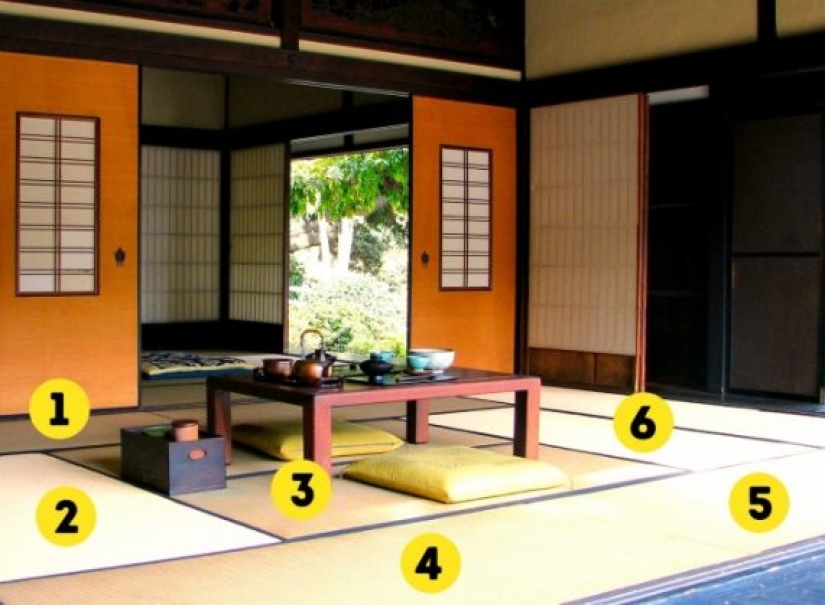
1. Abundance of empty space.
The Japanese don't like to clutter their homes with furniture and little knickknacks.
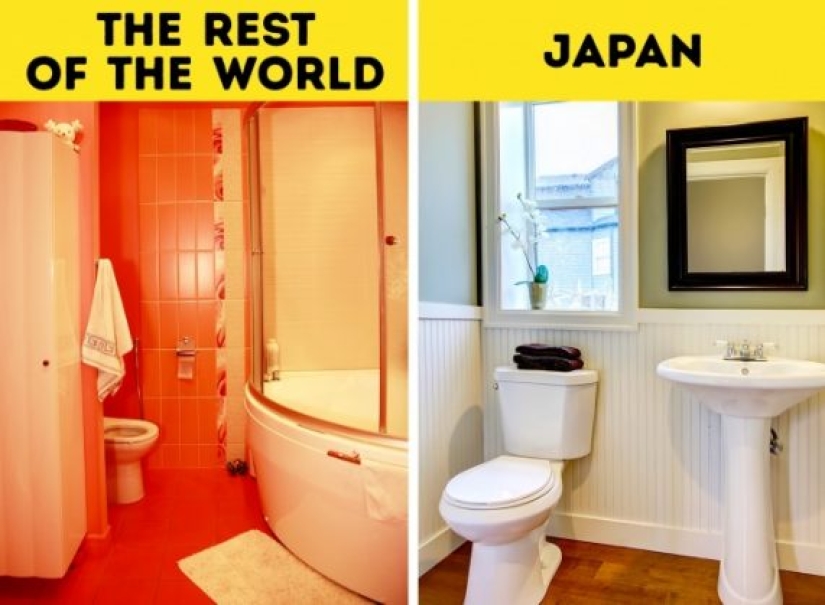
2. Versatility.
A traditional Japanese home has no walls, at least not in the conventional sense. Instead, the Japanese use fusuma, lightweight sliding panels that act as doors and walls.
But the bathroom and toilet are located in different rooms, and the bathroom can occupy 2 rooms. One room has a sink and shower, the other has a traditional Japanese bath. We are talking about how much importance they attach to baths: the dirt must be washed off in the shower, and in the bath, they prefer to relax in hot water.

3. In harmony with nature.
A common attribute of a Japanese home is a garden. You can often get into it right from home. All that is required is to open the sliding panel, otherwise known as shoji. When the weather is fine, shoji is always open. Closeness to nature is achieved through the use of natural materials.
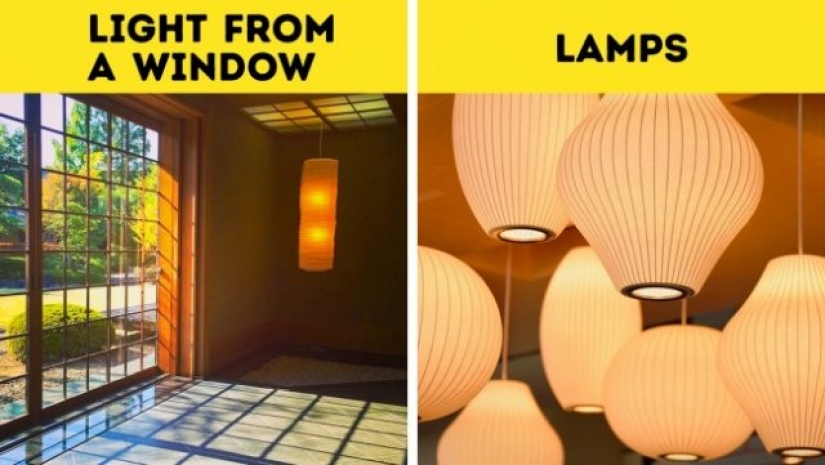
4. Plenty of sun rays.
Another inherent feature of a Japanese home's interior is the abundance of dim lighting that shines through the outer walls. They are made of a translucent material that diffuses light through the grille frame. A similar effect is created with bamboo or rice paper lamps.

5. Minimalism.
The most important thing in any Japanese house is not the external beauty of things, but the comfort and tranquility of its owners. There are no vibrant, vibrant colors or many decorations that are often found in Western homes. They only use furniture that is essential for their daily life.
Keywords: Japanese | Comfortable | Interior design | Symbolic functions | Place | House | Home | Flat | Archutecture | Design | Minimalis | Japan | Asia
Post News ArticleRecent articles

It's high time to admit that this whole hipster idea has gone too far. The concept has become so popular that even restaurants have ...

There is a perception that people only use 10% of their brain potential. But the heroes of our review, apparently, found a way to ...
Related articles

Japan is truly a unique country, which deftly combines advanced technology and ancient practices introduced by the ancestors ...

Japanese photographer Atsushi Kobayashi came up with an unusual photo project about a samurai who travels through time. His hero, a ...

Have you ever felt such a strong love for your partner that you considered yourself one? Have you ever been so in love that you ...
New Year's is a time to surprise and delight loved ones not only with gifts but also with a unique presentation of the holiday ...