
30 photographs by the great photographer Henri Cartier-Bresson
Categories: Culture
By Pictolic https://www.pictolic.com/article/30-photographs-by-the-great-photographer-henri-cartier-bresson.htmlHenri Cartier-Bresson, a legendary figure and the father of photojournalism, is a French photographer without whom it is impossible to imagine 20th-century photography. He was the founder of the genre of street photography. His black-and-white images capture the history, atmosphere, spirit, and rhythm of an entire era, and hundreds of contemporary photographers draw inspiration from his work.
We can't help but share the best photos of the legendary master.
 1. Rue Mouffetard, Paris, 1952.
In the 1930s, a young Bresson saw the famous photograph "Three Boys on Lake Tanganyika" by Hungarian photojournalist Martin Munkácsy. "I suddenly realized that photography could capture infinity in a single moment," Cartier-Bresson wrote many years later. "And it was this photograph that convinced me of it. There's so much tension in this picture, so much immediacy, so much joy of life, so much supernaturalism, that even today I can't look at it calmly."
 2. A child liberated from a concentration camp, Dessau, Germany, 1945.
Bresson's emergence as a photographer occurred during the Second World War: captivity by the Nazis, escape, participation in the Resistance—to capture the everyday life of war on film, a photographer was required to have not only a faithful eye, but also courage and composure.
 3. Les Halles Market, 1952.
In 1947, Cartier-Bresson became one of the founders of the renowned international photojournalists' association Magnum—a response to the predatory policies of many Western agencies and magazines against photographers. The agency's photographers divided the globe into "spheres of influence," and Cartier-Bresson was assigned Asia. His reports from countries that had gained or were struggling for independence—India, China, and Indonesia—made him a world-renowned photojournalist.
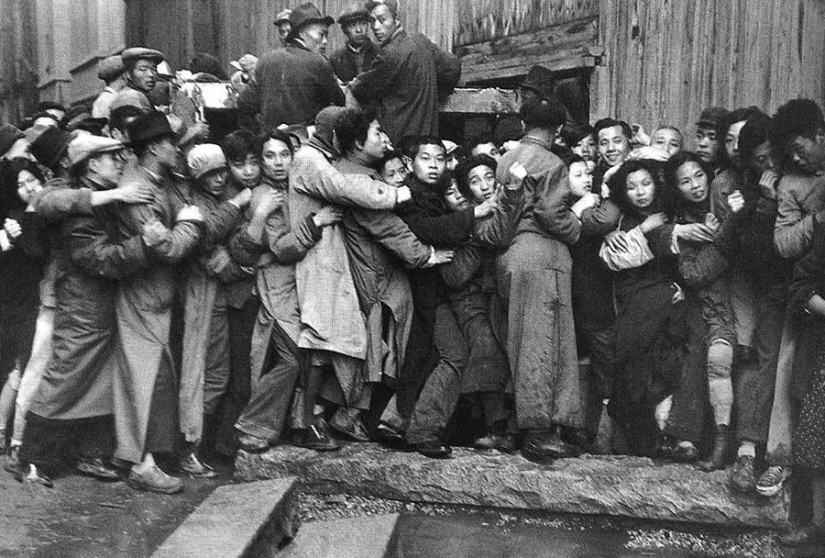 4. The last day of the Kuomitang gold distribution. Shanghai, China, 1949.
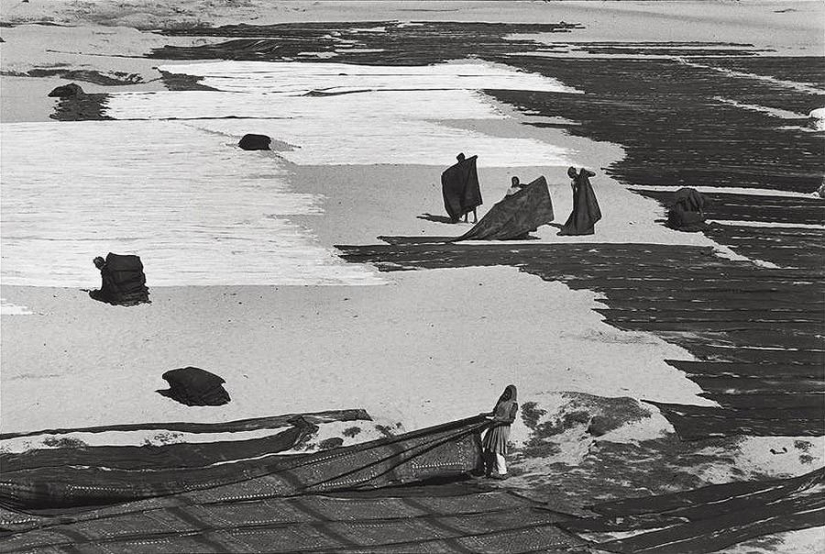 5. Ahmedabad, India, 1965
The photographer's "invisibility" became widely known—his subjects were often unaware they were being photographed. To further conceal his presence, Cartier-Bresson even covered the shiny metal parts of his camera with black duct tape.
 6. Naples, Italy, 1960.
But the photographer's most important characteristic, and truly his gift, is the "decisive moment," a phrase that, thanks to him, became widely known in the photographic world. Bresson always tried to capture any subject at the moment it reached its peak emotional tension, and you will certainly feel this through his photographs.

7. Untitled, 1952.
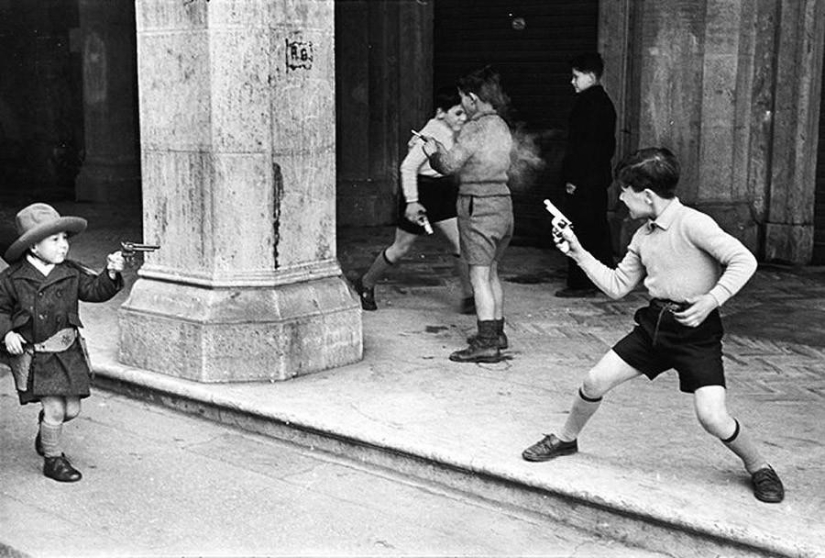
8. Children playing cowboys, Rome, Italy, 1951.
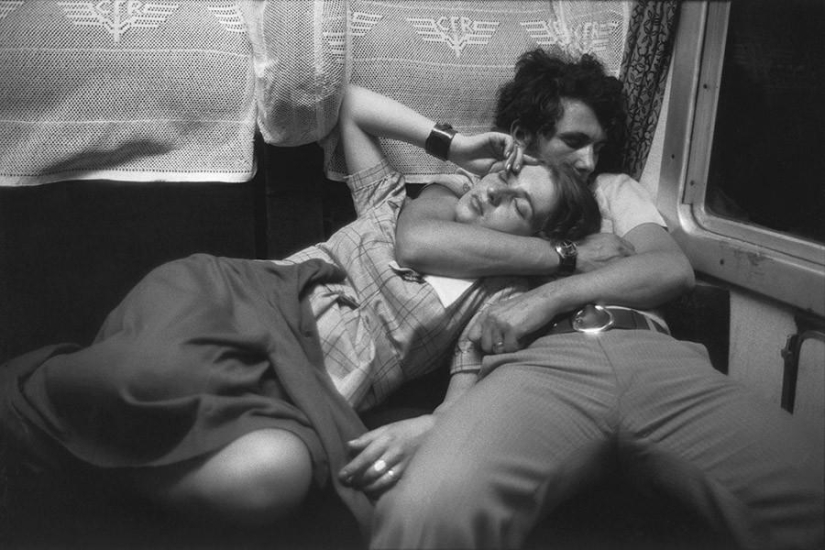
9. On the train, Romania, 1975.
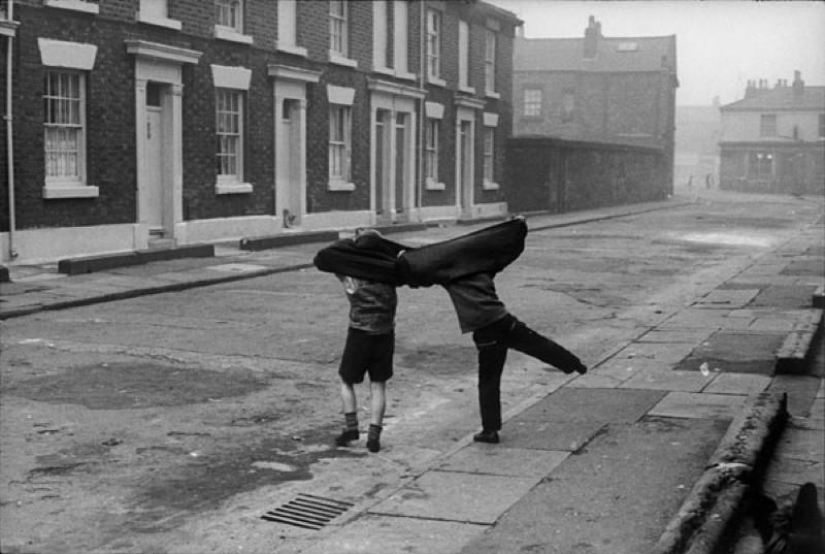
10. Paris, 1954

11. Rally in Paris, 1954.

12. Legs of Martina, the photographer's wife, 1967.

13. Double bass on a bicycle.

14. Gypsies, Spain, 1933.
“Photography itself doesn’t interest me. I simply want to capture a piece of reality. I don’t want to prove anything, or emphasize anything. Things and people speak for themselves. I don’t do the ‘kitchen’. Working in a lab or studio makes me sick. I hate manipulation—either during the shoot or afterward, in the darkroom. A good eye will always notice such manipulation… The only creative moment is that twenty-fifth of a second when the shutter clicks, the light flickers in the camera, and the movement stops.”
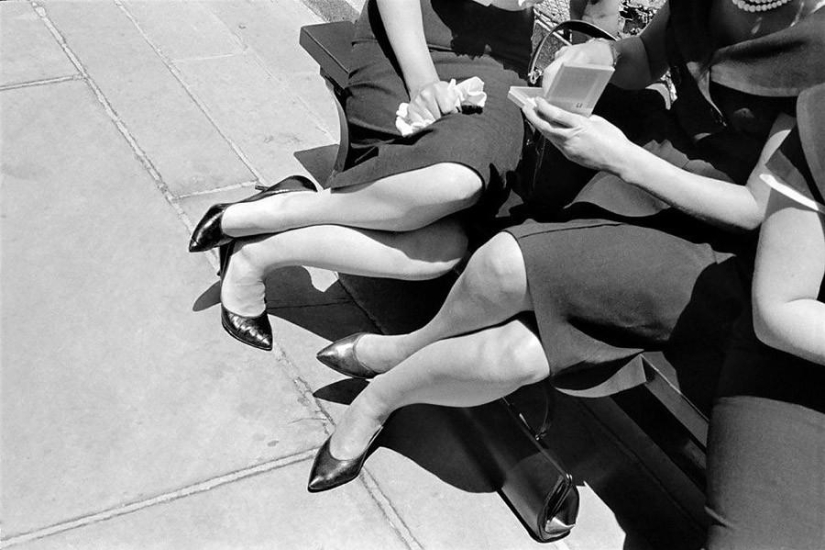 15. San Francisco, 1960.
“It sometimes happens that you, dissatisfied, freeze in place, waiting for the moment, and the denouement comes suddenly, and, probably, a successful photo would not have turned out if someone, passing by, had not accidentally fallen into the camera lens.”
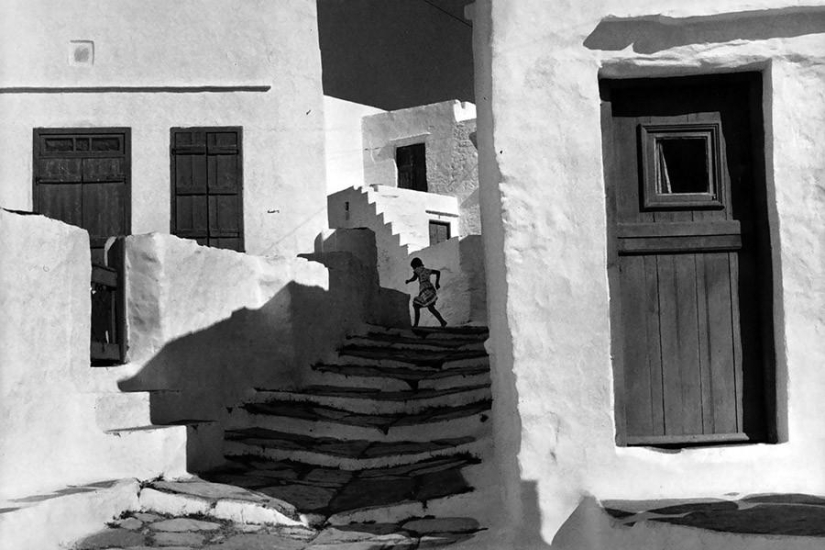
16. Untitled.

17. Hyères - France, 1932.
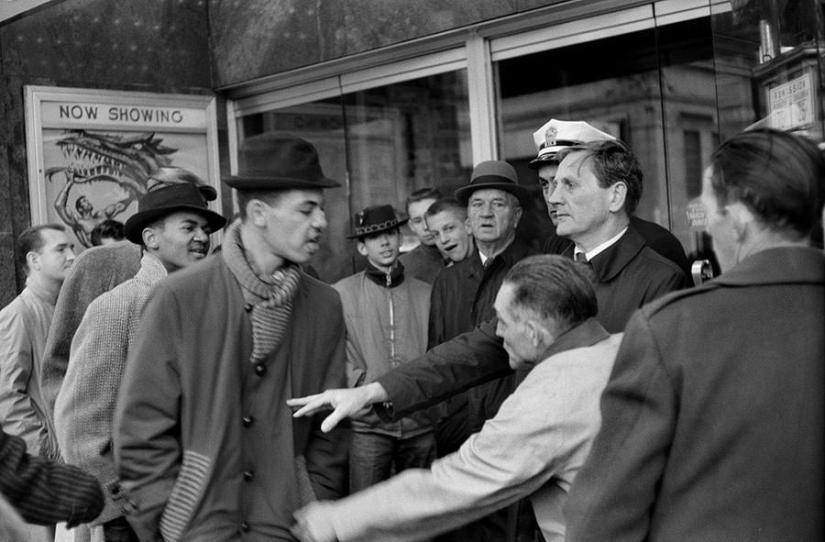
18. Blacks are not allowed into the theater, 1961.
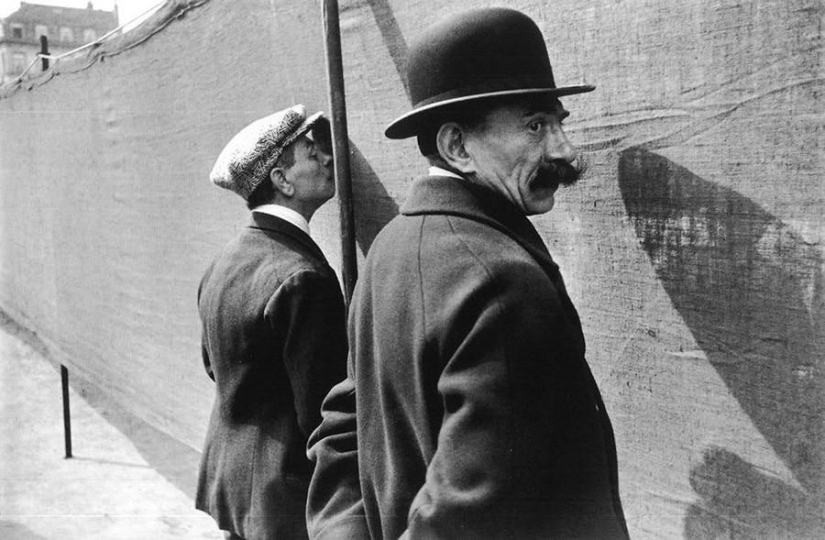
19. Brussels, 1932
"I can't stand arranging events and directing. It's terrible... You can't fake the real thing. I love the truth and I only show the truth..."
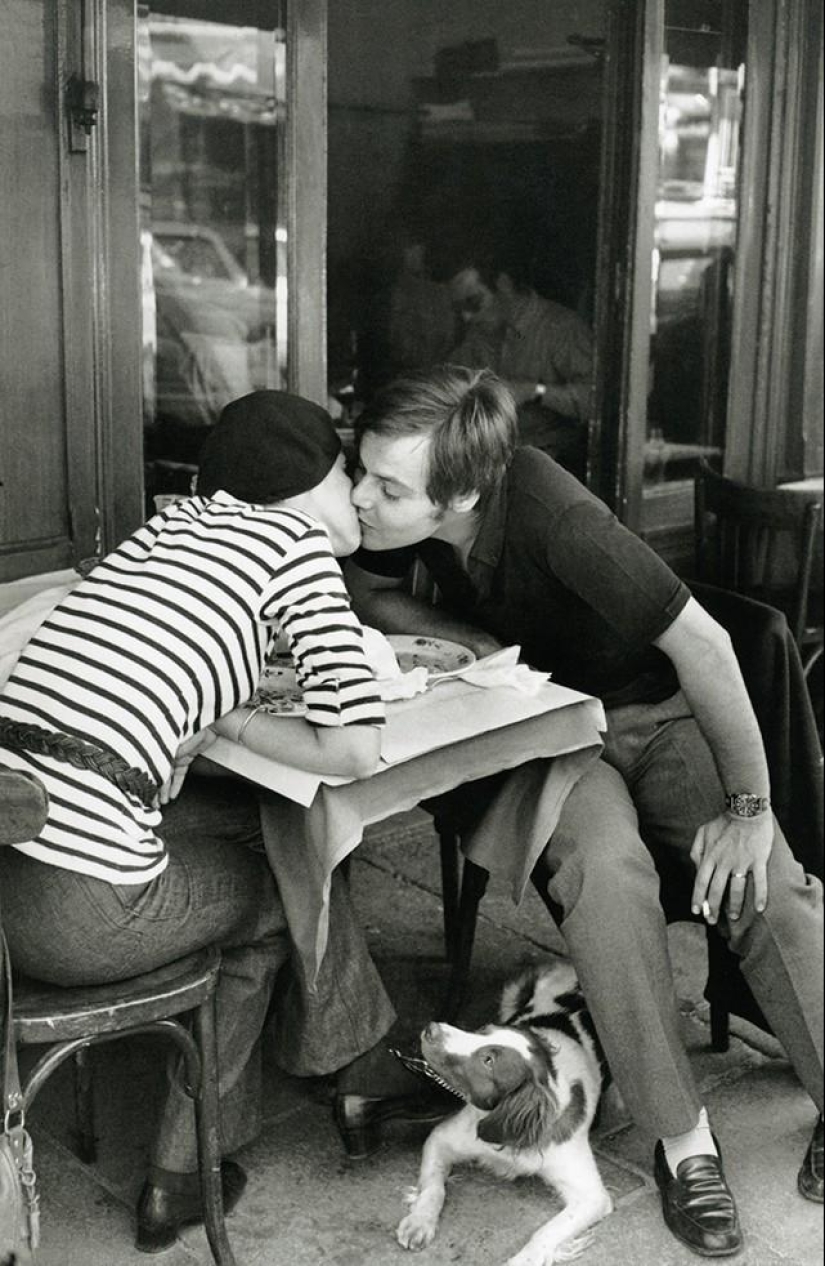
20. Untitled, 1969.

21. Truman Capote, 1947.
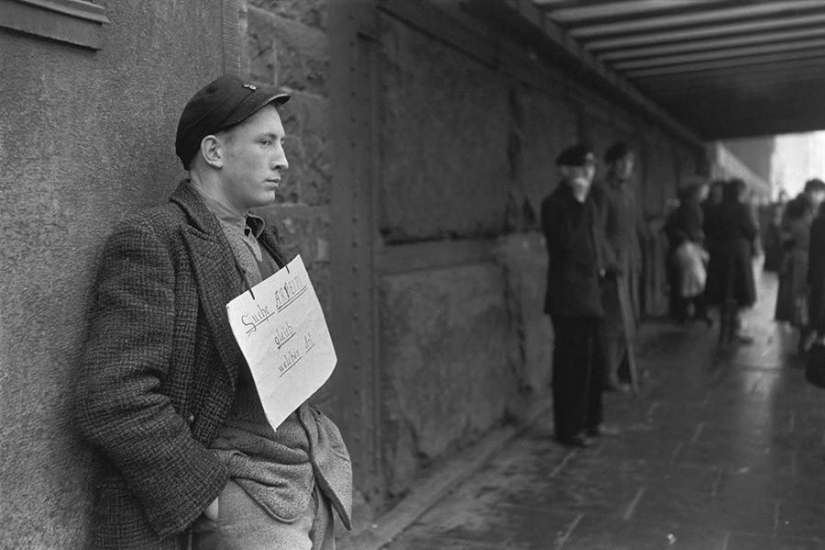
22. Hamburg, Germany 1952. Sign: "Ready for any job."
"The reality we see is infinite, but only its select, significant, decisive moments, those that somehow strike us, remain in our memory. Of all the media, only photography can capture such a precise moment. We play with things that disappear, and once they're gone, it's impossible to make them return."
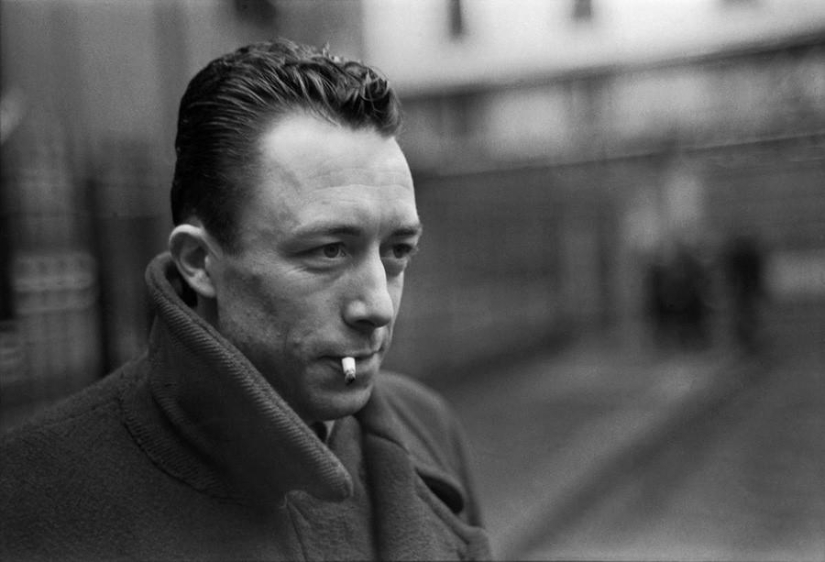 23. Portrait of Albert Camus, Paris, 1944.
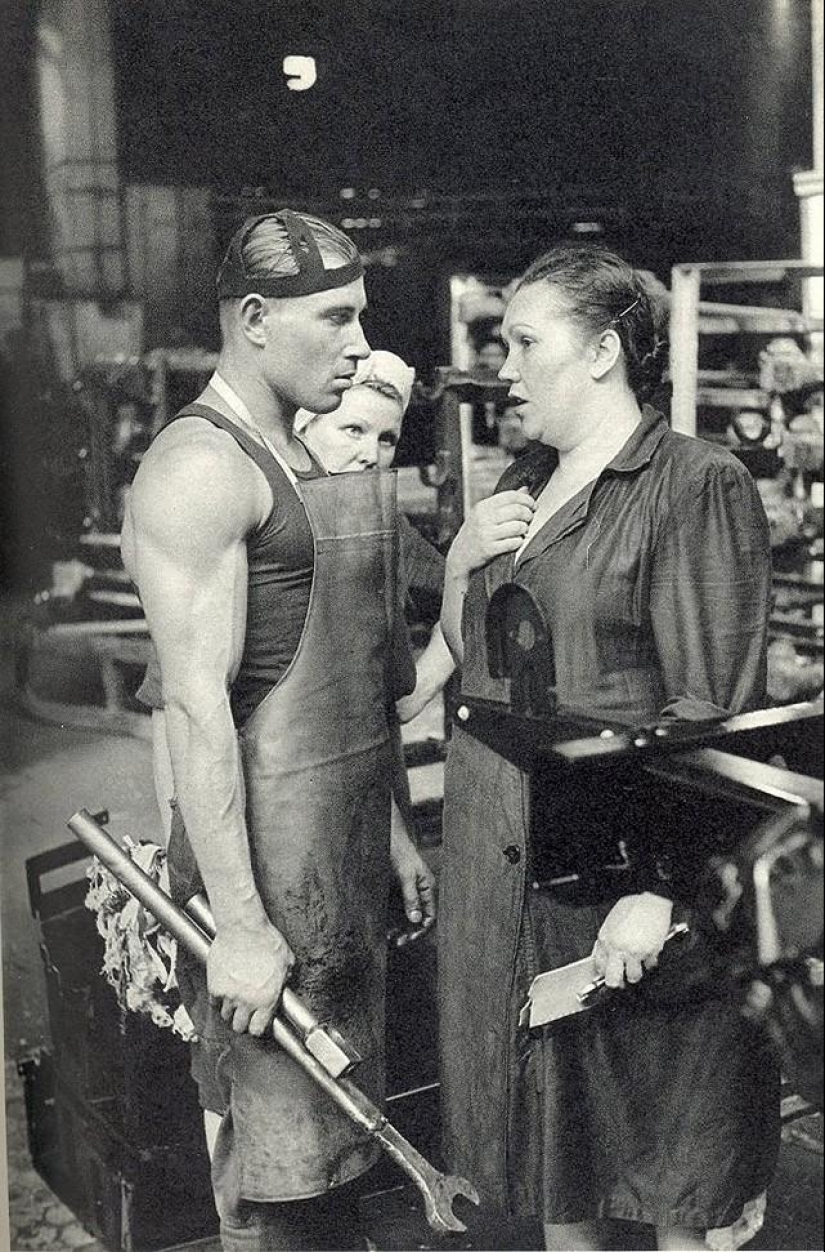
24. Factory worker, 1954.
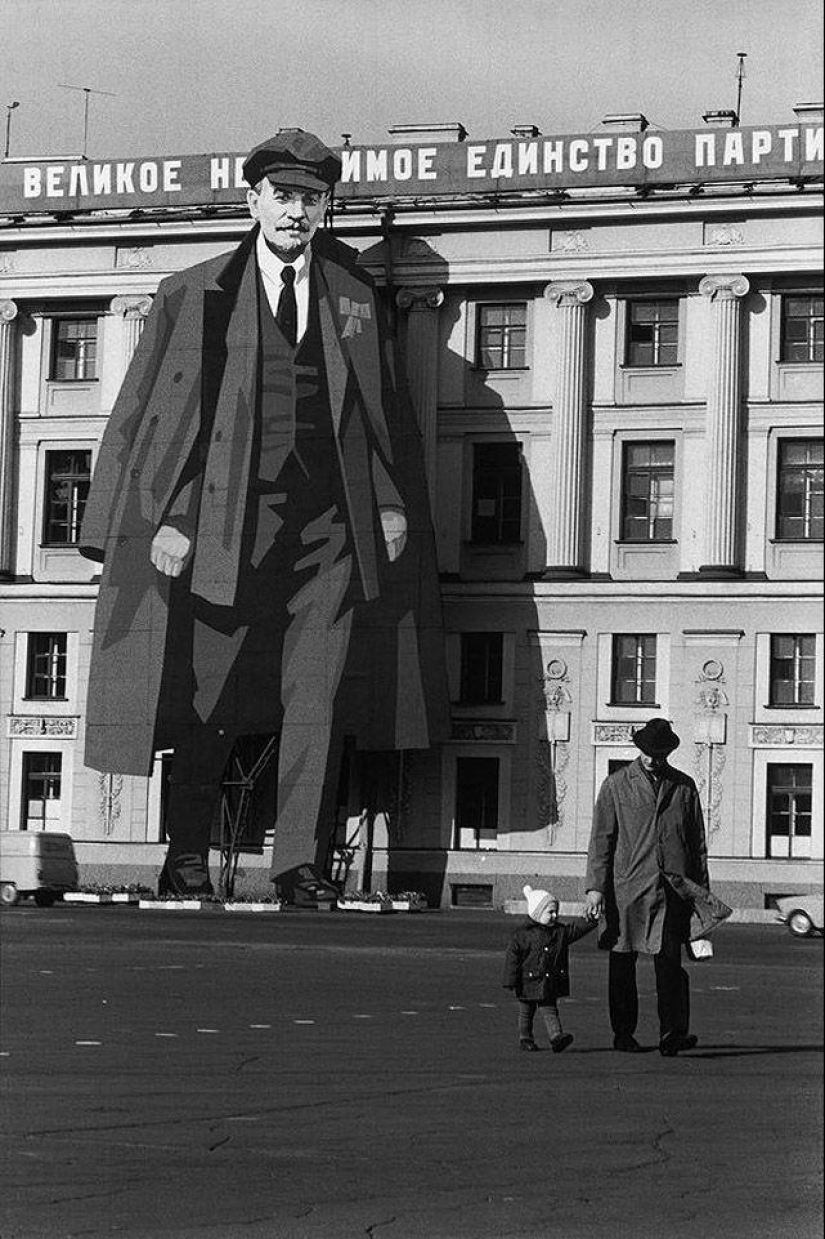
25. Image of Lenin on the facade of the Winter Palace on the occasion of May 9, Leningrad, 1973.
“Photography is a kind of premonition of life, when the photographer, perceiving changing plastic information, captures in a split second an expressive balance that suddenly arises in endless movement.”
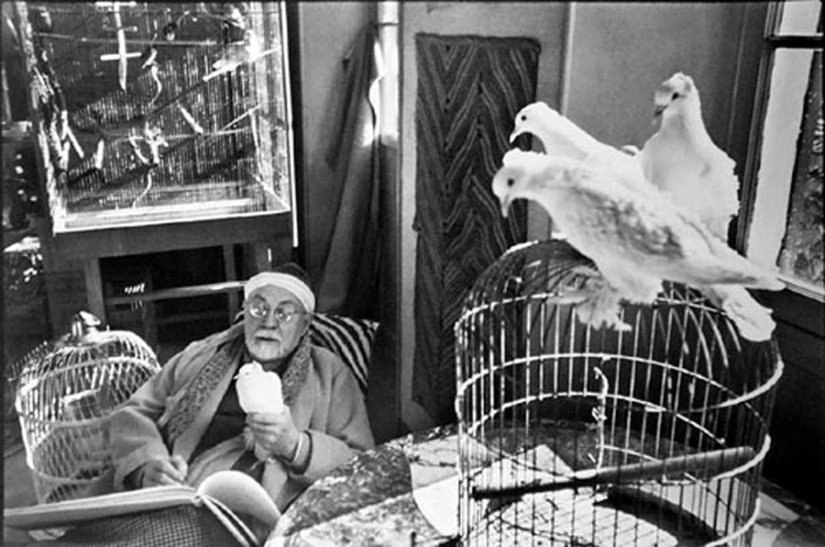
26. Henri Matisse painting doves from life, Venice, 1944.
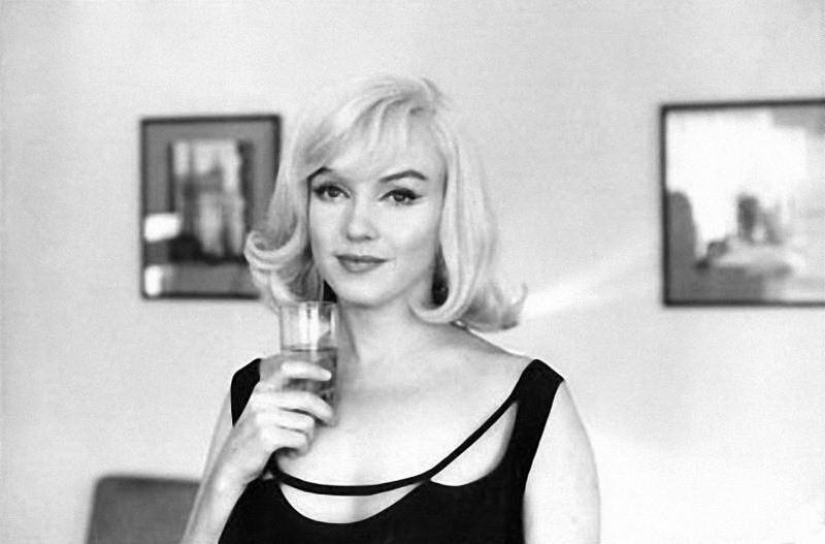
27. Marilyn Monroe, 1960.

28. Armenia. Guests in a village on Lake Sevan, 1972.
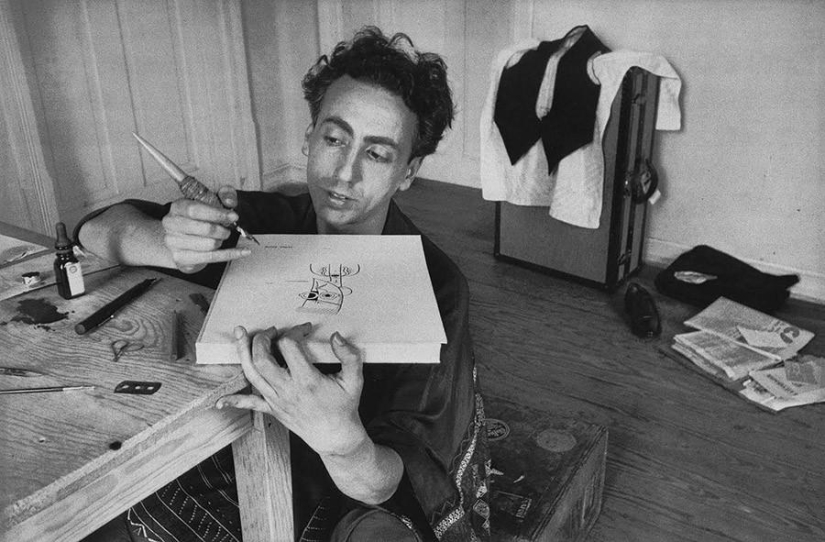
29. Artist Antonio Salazar, Mexico, 1934.

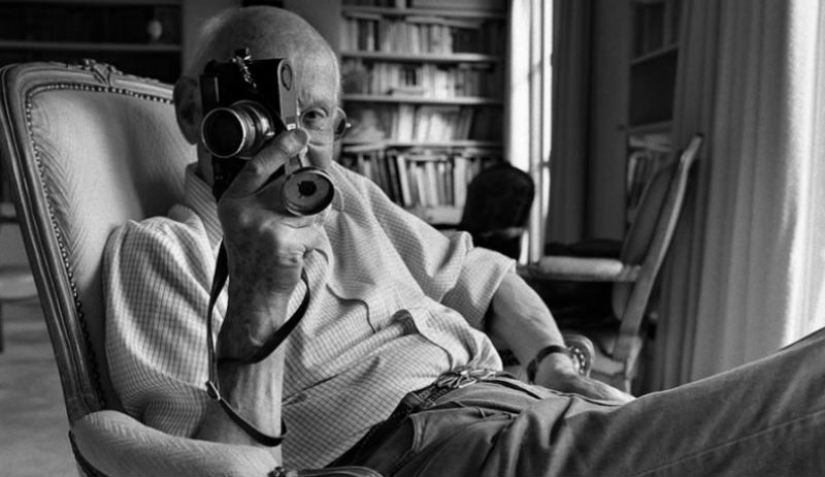
30. Henri Cartier-Bresson.
Henri Cartier-Bresson died on August 2, 2004, in L'Isle-sur-la-Sorgue, a small town in the south of France, a few weeks before his 96th birthday.
Recent articles

It's high time to admit that this whole hipster idea has gone too far. The concept has become so popular that even restaurants have ...

There is a perception that people only use 10% of their brain potential. But the heroes of our review, apparently, found a way to ...
New Year's is a time to surprise and delight loved ones not only with gifts but also with a unique presentation of the holiday ...